

Technology shapes how we move, shop, and stay safe. One innovation that has stepped into the spotlight more than ever is AI facial recognition. It has grown from an experimental idea into a trusted way to verify identity, personalize services, and strengthen security. This shift didn’t happen overnight. Advancements in cameras, data processing, and machine learning models have opened a world where a glance can now serve as proof of who you are.
Businesses and public institutions want reliable methods to identify people quickly without extra hassle. That is where the conversation around identity and access becomes both interesting and essential. Before diving into where this technology fits today, it helps to understand the market forces that made it so powerful.
Market Power Behind The Acceleration
 The demand for digital identification soared as organizations shifted toward automation and contactless services. Industry analysts predict that investments in identity technologies will keep rising as everyday processes continue to move toward frictionless access. This evolving environment created the perfect conditions for the growth of AI facial recognition. What was once limited to labs is now shaping how airports, banks, hospitals, and stores operate.
Accuracy is the backbone of trust. Modern systems reach extremely high match rates under favorable conditions, which fuels confidence in expanded use. As stronger adoption increases, providers strive to improve consistency in real-world scenarios where lighting, angles, and movement differ widely. Greater reliability now paves the way for even more advanced capabilities.
But understanding only the numbers and forecasts isn’t enough. To appreciate the impact, we need a closer look at how this technology works at its core.
Core Concepts Behind Face Identification
The method has evolved significantly over the years. It is not just about capturing a face on camera; it is about analyzing a structure, identifying unique characteristics, and matching them with secure digital profiles. When people refer to facial recognition in biometrics, they describe how facial measurements turn into identifiers similar to fingerprints or voice patterns.
Powerful algorithms evaluate features like eye distance, jaw shape, and facial contours. Once registered, the system compares live visuals to stored references in milliseconds. This technical foundation supports everything from phone log-ins to automated gates at stadiums. One advantage lies in convenience: there is no need to remember PINs, present ID cards, or fill out lengthy forms when your presence alone verifies your identity.
Another reason behind widespread success is scalability. Cameras already exist nearly everywhere. With smarter software, cameras built for monitoring can now adapt to intelligent identity verification. This transition leads to new solutions using CCTV AI face recognition in public places. From analyzing videos to understanding intent, each enhancement expands what identity systems can do next.
The best way to understand the real impact is to explore working examples. One use case highlights how photos that once took hours to sort can now be categorized faster than ever.
Face Search Made Easy For Events
 Large-event photographers struggle with one major problem: thousands of photos and no quick way to identify who appears in them. In school and college events, this becomes even more painful. Parents are eager to find their child’s pictures, organizers expect fast sharing, and photographers are left manually sorting endless images. Without a facial detection feature, the entire process becomes slow, tiring, and frustrating for everyone involved. Here, AI facial recognition plays a game-changing role by identifying individuals automatically.
This type of advanced photo-matching solution rolled out successfully in environments where children attend schools, camps, and group celebrations. Instead of scrolling through endless albums, families simply upload a reference image of a child, and the system returns a personalized set of photos within seconds. It not only saves time but also supports security and peace of mind.
Solving this challenge required improvements in matching accuracy, especially when faces tilt or appear in crowds. Features such as background filtering and multi-face tracking made recognition more dependable. After seeing the difference in one industry, it becomes clear that many others can benefit as well.
Before expanding to broader use cases, there is a company worth mentioning that contributes to advancing this field with precision and responsibility.
VideoraIQ For Smarter Visual Identity
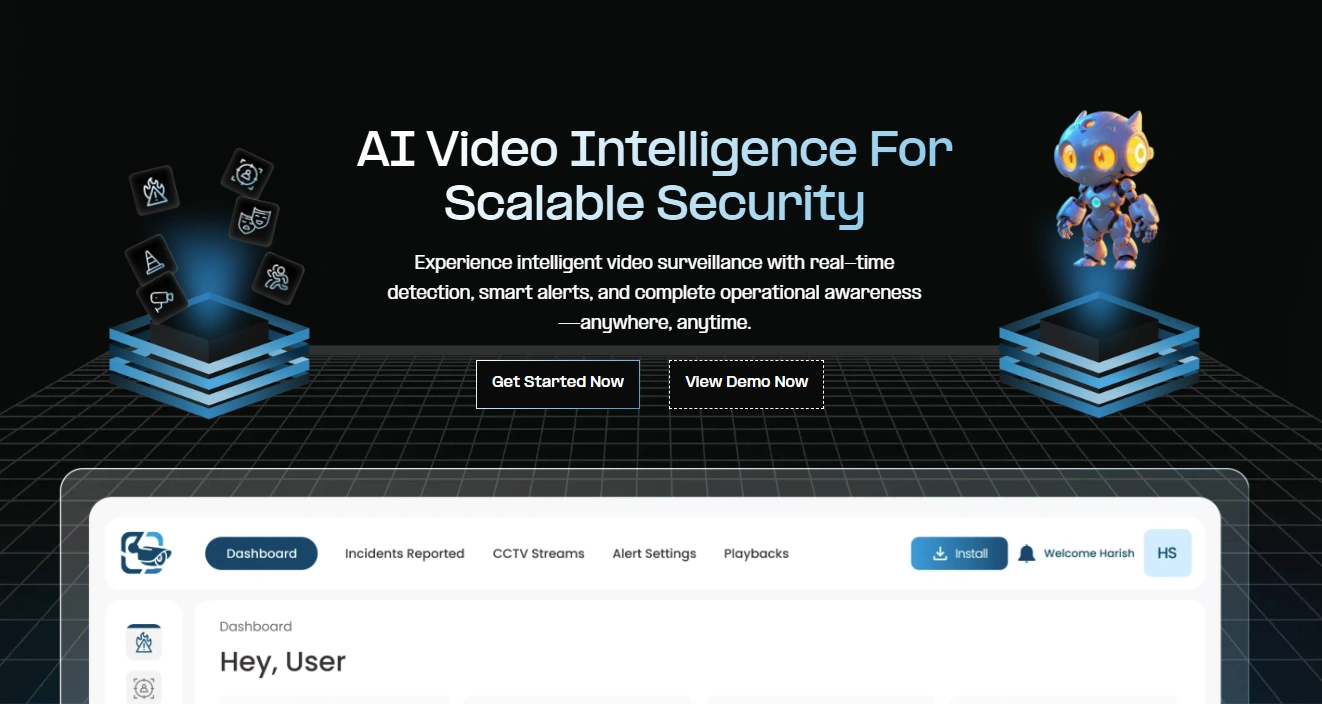
Organizations ready to embrace modern identity solutions often hesitate because integration feels overwhelming. VideoraIQ addresses that gap with technology designed for real-world use, making AI facial recognition accessible and adaptable. The company focuses on intelligent automation through visual insights that work seamlessly with cameras already installed in most environments.
Whether modern buildings, campuses, or retail spaces, VideoraIQ steps in as a reliable partner to help operations evolve without major disruptions. With growing interest across sectors, the need for personalization, efficiency, and protection continues. VideoraIQ bridges those goals with a thoughtful approach to innovation.
Given the increasing reliance on visual identity technology, it helps to take a closer look at what VideoraIQ brings to the table.
VideoraIQ Features
- Real-time Identification and Alerts
Instant verification helps staff respond quickly when unknown visitors or restricted individuals appear. Recognition moments earlier often mean greater safety. - Flexibility with Existing Systems
No need to replace expensive infrastructure. Integration with current cameras supports smooth adoption. - Scalable Performance Across Sites
One platform can support multiple branches or locations. Managers access one dashboard for consistent control. - Data Protection That Builds Trust
Encryption and compliance safeguard personal information. Responsible deployment matters as much as innovation. - Intelligent Insights for Better Decisions
Patterns such as frequent routes or repeat visits help businesses optimize security and customer experiences.
With the right partner, the next question becomes: which industries benefit most right now? The answer covers a wide range.
Healthcare Benefits
Identity verification in medical facilities must be accurate for safety reasons. Patients can be checked in faster, and administrative tasks reduce significantly. With the help of AI facial recognition, a nurse may confirm records with a glance and avoid long queues at reception areas.
Hospitals also explore emotion assessment to note stress, discomfort, or confusion during visits. Early detection through artificial intelligence opens the door to improved care and timely assistance. Some research teams even evaluate heart rates through cameras, reducing the need for physical sensors.
These meaningful benefits lead to another industry where convenience and personalization matter more than ever.
Cars That Know Their Drivers
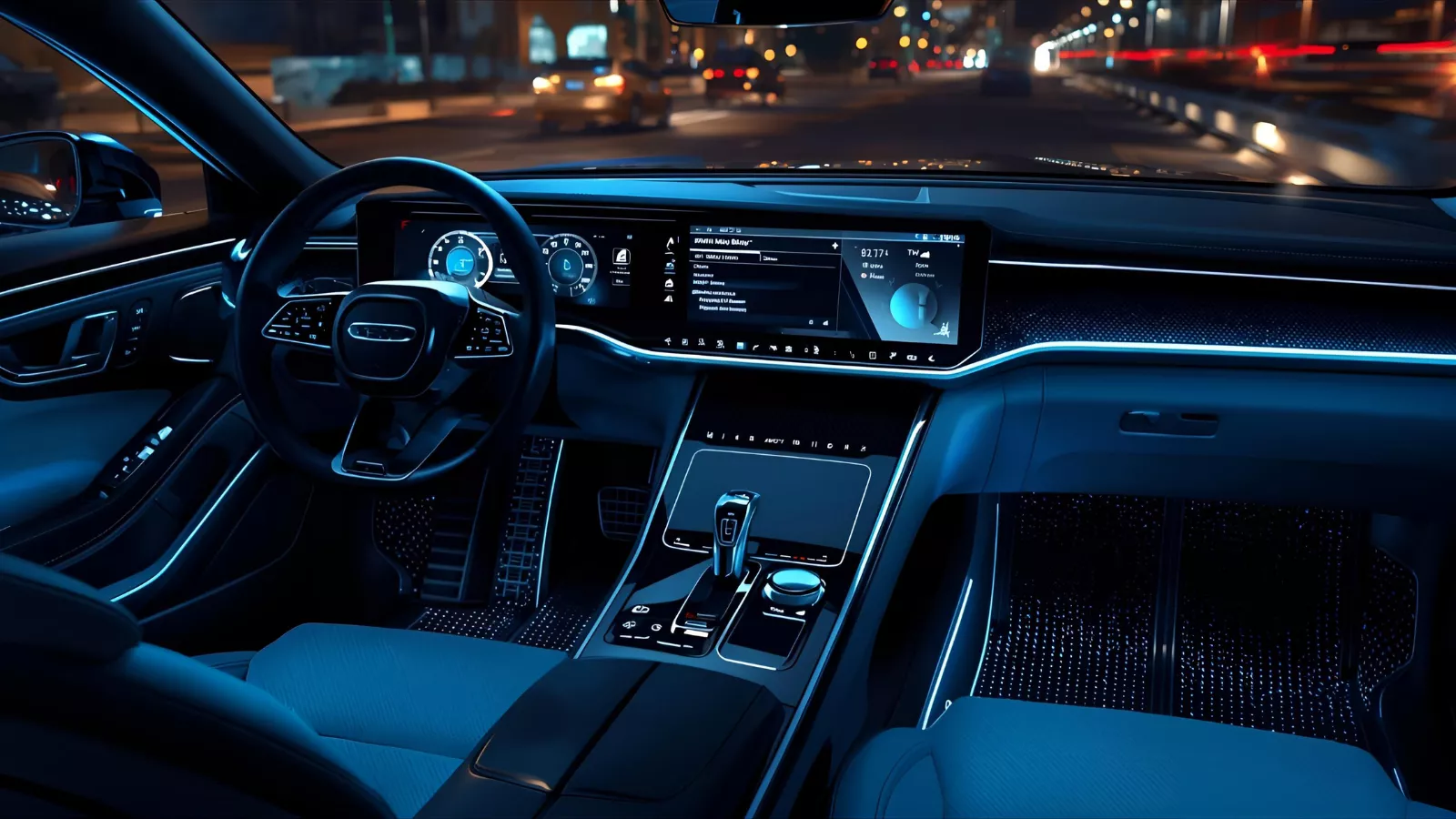 Automotive manufacturers aim to deliver smooth experiences the moment someone approaches their vehicle. Key-less entry is already common, but face-based entry adds an extra layer of smart identity. A system with AI facial recognition can detect the authorized driver and adjust mirrors, seating positions, and dashboard displays automatically.
It boosts security too. Car theft becomes harder when the vehicle only responds to known drivers. As more carmakers invest in this type of advanced identity, comfort and safety continue to improve at the same time.
These upgrades also influence how schools and universities look after their campuses.
Educational Safety And Efficiency
Attendance checks take time, especially in large classrooms. Instead of manual roll calls, automated systems can scan the room once and match students with enrollment lists. AI facial recognition helps educators focus more on teaching rather than repetitive tasks.
Campus entrances gain stronger access control through identity checks performed live. Visitors no longer remain unidentified, and alerts help prevent unauthorized entry. With a rise in student populations, automation in education creates a smoother approach to daily operations.
Security priorities also extend to industries where identity mistakes can risk financial losses.
Finance Protects Customers With Insight
Banks and financial apps remain targets for fraud. When a transaction or account access request appears suspicious, AI facial recognition supports decision-making quickly. Customers enjoy fast verification when logging in or making a payment, while criminals struggle to bypass tight security.
Verification standards strengthen further through artificial intelligence face recognition, which compares a person not just to a reference photo but also with matching personal data. It helps prevent identity theft and increases trust during sensitive operations.
Where financial systems aim for tighter security, public and private safety agencies push these boundaries even further.
Public Protection With Modern Surveillance
 When monitoring crowds at airports, stadiums, or city streets, video analytics create meaningful insights. With video surveillance facial recognition, authorities can look for specific individuals or identify people who may need help. The goal is not to watch everyone but to detect crucial signals faster.
To support this mission, CCTV AI face recognition delivers real-time alerts directly from cameras already installed in many locations. Preventive action becomes more likely, and emergency responses become more effective.
Still, the most controversial debates happen here. People want better protection but worry about privacy. Addressing both sides is essential to ensure adoption remains responsible.
Ethics That Guide Responsible Innovation
Advanced identity technology raises fair questions. Who controls the data? How can bias be prevented? Are people informed when systems operate in public spaces? These concerns deserve thoughtful responses.
Clear rules, clean datasets, and transparent policies reduce risks of unfair outcomes. Businesses deploying AI facial recognition commit to valuing human rights while adopting innovation. Ethical guardrails keep progress on the right path.
Once these foundations exist, the future promises even more transformative use cases.
Shaping Tomorrow Through Smarter Vision
 As hardware improves and systems learn faster, recognition will extend beyond identity checks. Personalized services will grow across sectors, reducing friction in everyday interactions. A world supported by AI facial recognition builds stronger connections between people and services without adding unnecessary steps.
Even entertainment venues, workplace campuses, and transportation hubs will adapt to evolving expectations for comfort and security. Progress happens when convenience and protection support each other seamlessly.
Conclusion
Identity determines access, and access shapes experiences. When deployed thoughtfully, face-based verification supports safety, reduces delays, and improves decision-making. Those who invest in strong foundations benefit from a future where trust and convenience come together naturally.
Partnerships with companies like VideoraIQ guide organizations through successful transformation. Clear communication, scalable design, and a human-first approach drive value.
The following questions help clarify adoption concerns and expectations for new users exploring the potential of advanced visual identity.
FAQs
How accurate is facial identification in live environments?
Most modern systems are highly accurate, especially when there is good lighting and the camera has a clear view of the face. Accuracy may drop slightly in low-light or crowded situations, but overall performance remains strong.
Can organizations keep their current camera systems?
In many cases, yes. Most facial identification solutions can integrate with existing CCTV or IP cameras. This means organizations don’t always need new hardware, which saves both time and installation costs.
What is the difference between face detection and face recognition?
Face detection only spots that a face is present in an image or video.
Face recognition goes a step further—it identifies who the person is or confirms their identity.
Does adoption vary across industries?
Yes. Industries that rely heavily on security—like airports, corporate offices, and education—tend to adopt it faster. However, facial identification is useful across many sectors, from retail to events to workforce management.
What safeguards protect personal data in these systems?
These systems typically follow strict privacy laws and use encryption to secure stored data. Access controls, anonymization, and regular audits further ensure that identity information is protected from misuse.