

There’s a noticeable shift in how organizations view their video systems. Cameras that once served as silent observers are now becoming powerful sources of intelligence. Instead of sifting through endless footage, teams want fast clarity, sharper awareness, and the ability to act before problems grow. That’s where a smarter approach like Video Analytics steps in. Before exploring how businesses use this technology, it helps to understand what drives this shift and why so many industries are leaning on deeper footage interpretation to improve how they operate..
In a hurry? Listen to the podcast now.
What Is Video Analytics?
 At its heart, video analytics refers to technology that converts raw footage into meaningful conclusions. Instead of simply recording scenes, the system studies movement, objects, actions, and patterns to help teams understand what’s happening in their spaces. This shift from passive viewing to intelligent interpretation is changing how video surveillance analytics supports decision-making.
Think of a workplace where managers instantly know when a restricted zone has been accessed, or a retail store where teams see which shelves draw the most attention. These kinds of insights aren’t just about security; they touch operations, planning, customer understanding, and safety. That’s why organizations now expect their camera networks to serve as more than storage devices.
Moving Into The Types Of Insights
Once you grasp the core idea, the next step is to understand the different ways footage can be interpreted. Every environment has its own priorities, so the kinds of insights vary widely. The right mix depends on what matters most to the business, and this variety makes the technology so adaptable.
Motion Alerts
The simplest form identifies movement within a scene. It’s foundational to many systems and supports both CCTV video analytics and advanced setups.
Counting and Tracking
Businesses often want to know how many people enter a space or how they move through it. This helps set staffing schedules, manage flow, and evaluate space design.
Face Interpretation
This capability connects actions to identities when needed. Many organizations use it for secure access or for understanding visitor behavior.
Object Detection
Whether it’s tracking a vehicle, a parcel, or a piece of equipment, object detection helps teams understand how items move across a space.
Intrusion Alerts
The system watches predefined zones and flags when someone enters an area they shouldn’t.
Left-Behind Object Detection
Important for airports, stations, and public spaces, this highlights items that remain unattended for too long.
License Plate Reading
Useful for traffic management, parking automation, and monitoring vehicle-based activity.
Heat Maps and Crowd Indicators
Retail teams rely on these for layout adjustments and understanding shopper behavior.
Tamper Notifications
If someone tries to cover, move, or disable a camera, the system can detect it instantly.
Intelligent Search
Teams can quickly find specific clips instead of scrubbing through long recordings.
Each type builds on the same foundation and supports what many call video analytics surveillance. This variety sets the stage for understanding how the technology processes footage behind the scenes.
How Technology Functions Behind The Scenes?
 Knowing the benefits is helpful, but understanding the actual workflow makes the entire system feel more practical. These steps remain similar across industries, though each solution adds its own refinements.
Video Input
Footage enters the system from live feeds or stored recordings. Every video analytics camera works as the visual source for this stage.
Frame Study
Footage is broken down frame by frame. The system examines each frame to identify changes, shapes, and objects.
Object and Pattern Interpretation
This is where artificial intelligence models detect what’s present, how fast something moves, and what direction it travels.
Metadata Creation
The system converts visual details into searchable data. This includes things like object size, speed, and behavior.
Event Recognition
Based on defined rules, the system decides what counts as a meaningful event. For example, entering a restricted zone or leaving an item unattended.
Alerts and Actions
When something matters, teams receive notifications or automated actions are triggered.
Learning Over Time
The more the system processes data, the more accurate and efficient it becomes.
This structure sets the groundwork for how businesses use the technology in real environments. As we move into real-world applications, the connection between these steps and practical value becomes much clearer.
Real Uses Across Enterprise Environments
Every industry has different challenges, and the variety of applications reflects those differences. The common thread is that teams want clearer awareness and faster responses.
Strengthening Security Measures
Security teams rely heavily on video analytics for security because it offers instant visibility into activities that matter. It can highlight breaches, suspicious movements, and unauthorized entry. Facial interpretation helps access points remain secure, while license plate reading supports vehicle tracking across large premises. For many security leaders, the biggest advantage is that they no longer have to watch screens constantly; the system draws attention only when something needs human review.
Improving Retail Operations
In retail, understanding shoppers is essential. With heat maps, tracking data, and dwell-time analysis, managers know where customers stop, what they look at, and how they move through the store. This makes merchandising more strategic, reduces long lines, and even supports theft prediction. Instead of guessing what drives results, teams rely on concrete patterns captured through cctv video analytics.
Supporting Smart City Planning
Urban environments need clarity to prevent congestion and improve safety. Traffic flow interpretation, vehicle counting, and violation detection help city departments respond quickly and plan better. When combined with automatic number plate analysis, agencies get a stronger view of road activity and compliance.
Enhancing Healthcare Safety
Hospitals use the technology to monitor mobility-restricted patients, detect falls, and ensure sensitive zones stay protected. Behavioral cues also help staff respond before an incident escalates. Even standard processes, such as hygiene compliance, can be verified without disruption.
Improving Factories and Industrial Spaces
Manufacturers benefit from equipment monitoring, production-line analysis, and safety alerts. Detecting unusual machine behavior early can prevent costly breakdowns. Tracking worker movement helps maintain safe practices without constant supervision.
Each of these examples connects back to the earlier discussion about diverse insight types and the structured workflow behind them. The next natural question becomes: What does this mean for daily operations?
Benefits Driving Enterprise Adoption
 Organizations continue adding advanced systems because they see practical advantages that extend beyond security alone.
Sharper Awareness
Teams respond faster because they receive alerts instead of manually reviewing footage. Automated observation eliminates gaps caused by fatigue or missed details.
Better Customer Understanding
Retailers, venues, and service-focused businesses gain a clearer sense of how people behave in their spaces. This supports data-driven planning that improves satisfaction.
Lower Operational Costs
Automation reduces the need for large monitoring teams. Predictive insights also prevent major equipment failures.
Stronger Safety Outcomes
Whether it’s fall detection in healthcare or hazard identification in factories, the technology helps prevent incidents before they escalate.
Data-Driven Operations
When teams have instant access to trends and behavior patterns, they make confident decisions that move the organization forward.
Up to this point, we’ve explored what the technology does, how it works, and where it’s useful. Naturally, this leads to the question many organizations ask next: How do you choose a platform that brings all of this together without adding complexity?
Why Choose VideoraIQ?
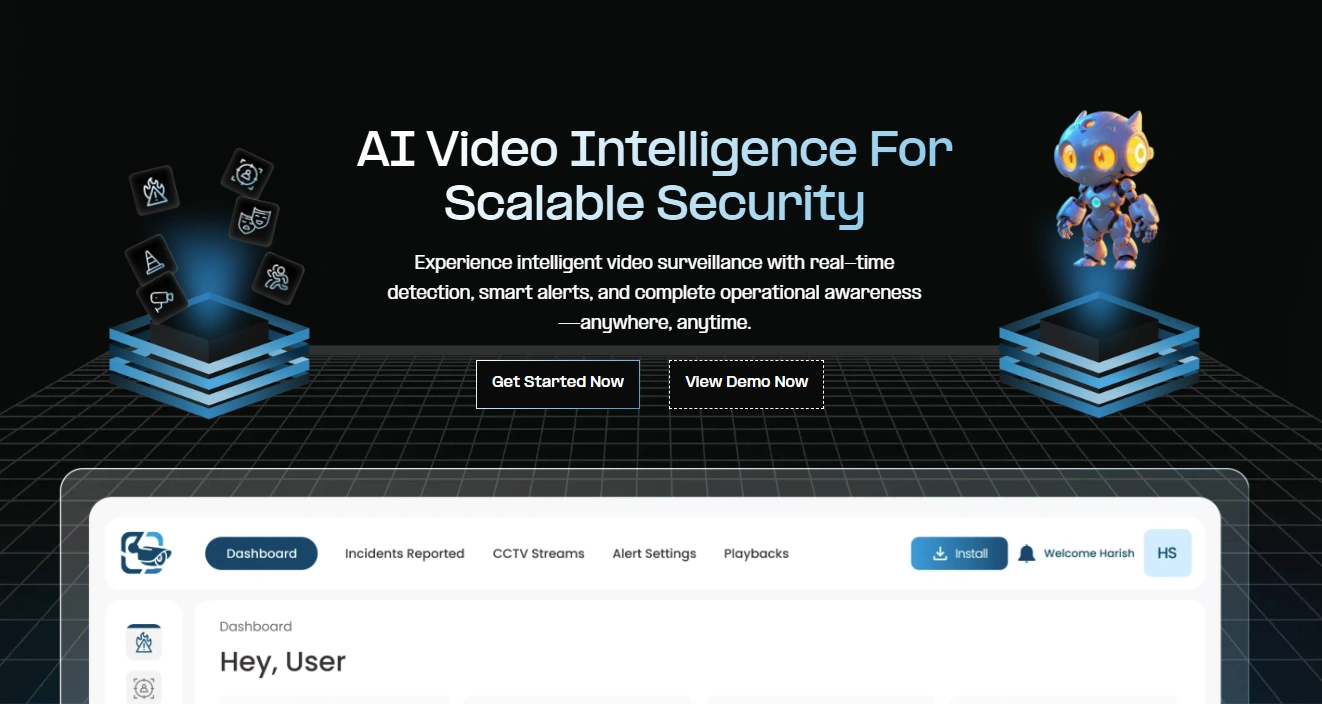 Many organizations now seek platforms that simplify interpretation while keeping accuracy high. They want a system that doesn’t overwhelm users but still delivers reliable guidance, clean data management, and faster detection. This is where VideoraIQ aligns with the expectations of modern teams. Its approach matches the growing need for clarity, speed, and efficiency without adding technical burden. As more organizations build long-term strategies around intelligent systems, tools with this balance become increasingly essential.
This transition makes it the right time to take a closer look at what sets VideoraIQ apart and why many teams find it helpful for their daily operations.
How VideoraIQ Makes A Noticeable Difference?
VideoraIQ focuses on delivering meaningful insight without overwhelming teams with noise. Its structure and features are carefully designed to support both large enterprises and growing organizations.
Instant Interpretation
The platform studies live feeds and highlights important actions as they occur. This keeps security teams informed without requiring constant screen time.
Advanced Behavior Identification
VideoraIQ moves beyond standard detection. It identifies meaningful patterns and actions, helping teams address issues early.
Unified Management for Multiple Locations
Whether a business has one site or many, the platform keeps footage, alerts, and data organized in a single system.
Smart Data Handling
Video analytics software is only useful when the data is manageable. VideoraIQ ensures that footage, metadata, and events are simple to search and review.
Scalable Architecture
As organizations grow, they can connect more cameras and locations without performance loss.
Accurate Alerts With Less Noise
One of the biggest frustrations in traditional systems is unnecessary notifications. VideoraIQ focuses on clarity, reducing false alerts.
Smooth Integration
It works alongside existing hardware and systems, helping teams modernize without starting from scratch.
Now that we’ve covered its capabilities, it becomes easier to understand how the broader field may evolve in the coming years.
What The Future Holds?
The direction of this technology points toward more automation, stronger predictive capabilities, and smoother integration with other operational tools. Businesses will continue shifting from reactive monitoring to proactive management supported by consistent patterns and cleaner insights. As environments grow more complex, the importance of tools that simplify decision-making will only increase.
Conclusion
Cameras have always captured important moments, but the rise of smarter interpretation has transformed what organizations can do with their footage. With the support of video analytics, teams gain sharper awareness, stronger security, and better operational planning. As businesses move toward systems that offer fast clarity, platforms like VideoraIQ provide the balance of accuracy and simplicity needed to support both daily tasks and long-term strategies. The shift toward intelligent interpretation is reshaping how enterprises operate, and those who embrace it will stay better prepared for whatever comes next.
Frequently Asked Questions
- Can small businesses benefit from intelligent video systems, or are they mainly for large enterprises?
Small businesses can gain just as much value, especially in areas like monitoring foot traffic, improving store layouts, and strengthening basic security without hiring large teams. - Do these systems require special cameras or can they work with existing infrastructure?
Most platforms are designed to work with standard IP cameras, making it easy for organizations to upgrade their capabilities without replacing all their hardware. - How long does it typically take to train teams to use these tools effectively?
Training time depends on the platform, but many modern solutions offer guided dashboards and automated alerts that reduce the learning curve for new users. - What are the biggest challenges companies face when rolling out new analysis tools?
Common challenges include storage planning, aligning system rules with real workflows, and ensuring teams follow consistent review practices. - How does integrating video analytics help organizations align with compliance or audit requirements?
Clear event logs, searchable footage, and structured metadata help organizations meet inspection standards and simplify verification during audits, making video analytics a reliable support system for regulated industries.