

Road safety remains a top priority for governments, cities, and transportation authorities. Increasing traffic, rising vehicle numbers, and urban congestion create challenges for maintaining safe roads. Traditional traffic management approaches often fail to provide real-time information, leaving authorities unable to respond quickly to accidents or traffic violations.
Modern technology offers solutions that can change this scenario. Traffic monitoring cameras provide real-time oversight, collect actionable data, and enhance overall road safety. When combined with AI-driven systems, these cameras can reduce accidents, improve traffic flow, and support law enforcement more effectively.
Hit ‘Play’ Button & Tune Into The Blog!
What Are Traffic Monitoring Cameras?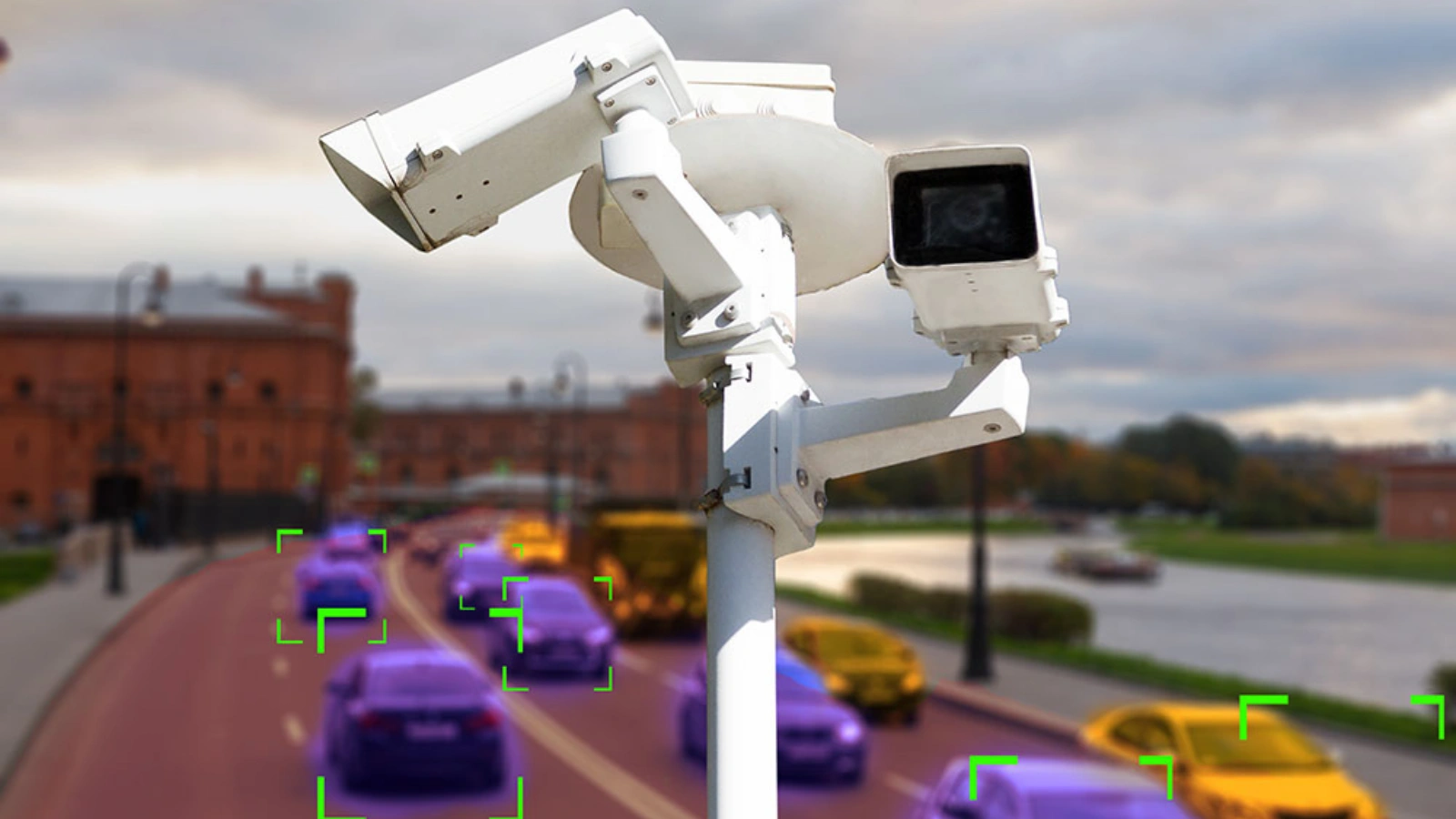
Monitoring cameras are specialized devices installed on roads, highways, intersections, and urban areas to track vehicles and pedestrians. These cameras provide continuous video footage that authorities can use to detect incidents, enforce traffic rules, and analyze traffic patterns.
Key characteristics of traffic monitoring cameras include:
High-resolution footage:
It captures sharp, high-resolution images that allow authorities to clearly identify vehicles, drivers, and road conditions. High-quality footage ensures accurate monitoring, aids in evidence collection, and enables law enforcement to detect violations and incidents without ambiguity.
Night vision capabilities:
Advanced traffic monitoring cameras come equipped with night vision, enabling them to record and monitor roads effectively even in low-light or nighttime conditions. This feature ensures 24/7 surveillance, maintains safety during darkness, and helps detect violations or hazards around the clock.
Integration with systems:
It integrate seamlessly with traffic sensors, AI platforms, and control systems. This connectivity allows authorities to receive actionable insights, automate alerts, and optimize traffic flow, making monitoring more efficient and ensuring faster response to congestion, accidents, or unusual road activity.
Real-time alerts:
These cameras provide instant notifications to traffic authorities whenever accidents, congestion, or violations occur. Real-time alerts allow faster intervention, minimize accident severity, and help law enforcement take immediate action, improving overall road safety and reducing potential delays for commuters.
Authorities rely on traffic monitoring cameras to prevent accidents, reduce traffic violations, and ensure smooth vehicle flow. These cameras also act as deterrents for reckless driving, illegal parking, and unauthorized lane usage.
By installing traffic monitoring cameras in critical zones, cities can maintain oversight over large areas without depending solely on human patrols.
How Traffic Monitoring Systems Work?
Traffic monitoring systems combine cameras, sensors, and data processing units to create a comprehensive road management network. These systems provide authorities with live data, enabling quick action to maintain safety and efficiency.
Core components of traffic monitoring systems include:
- Traffic cameras:
Traffic cameras capture continuous video from key roads, intersections, and highways. These cameras provide authorities with real-time visuals, enabling accurate monitoring of traffic flow, accident detection, and law enforcement actions. - Traffic sensors:
Traffic sensors measure vehicle speed, movement, and density across roads. These devices detect congestion, identify slowdowns, and provide actionable data for authorities to improve traffic flow and prevent accidents. - Data analysis units:
Data analysis units process inputs from cameras and sensors, identifying patterns, trends, and incidents. Authorities can leverage this information for immediate decision-making, traffic planning, and predictive safety measures. - Alert mechanisms:
Alert mechanisms notify traffic control centers or emergency responders when incidents occur. These systems ensure authorities act quickly to reduce accidents, address congestion, and maintain safer roads for all users.
These systems allow traffic authorities to monitor real-time road conditions, manage congestion, and respond to accidents immediately. Integrating traffic monitoring cameras with sensors ensures the detection of incidents that might otherwise go unnoticed.
Cities using traffic monitoring systems benefit from reduced accident rates, better traffic flow, and improved planning for infrastructure development.
Role Of Traffic Sensor Cameras In Modern Roads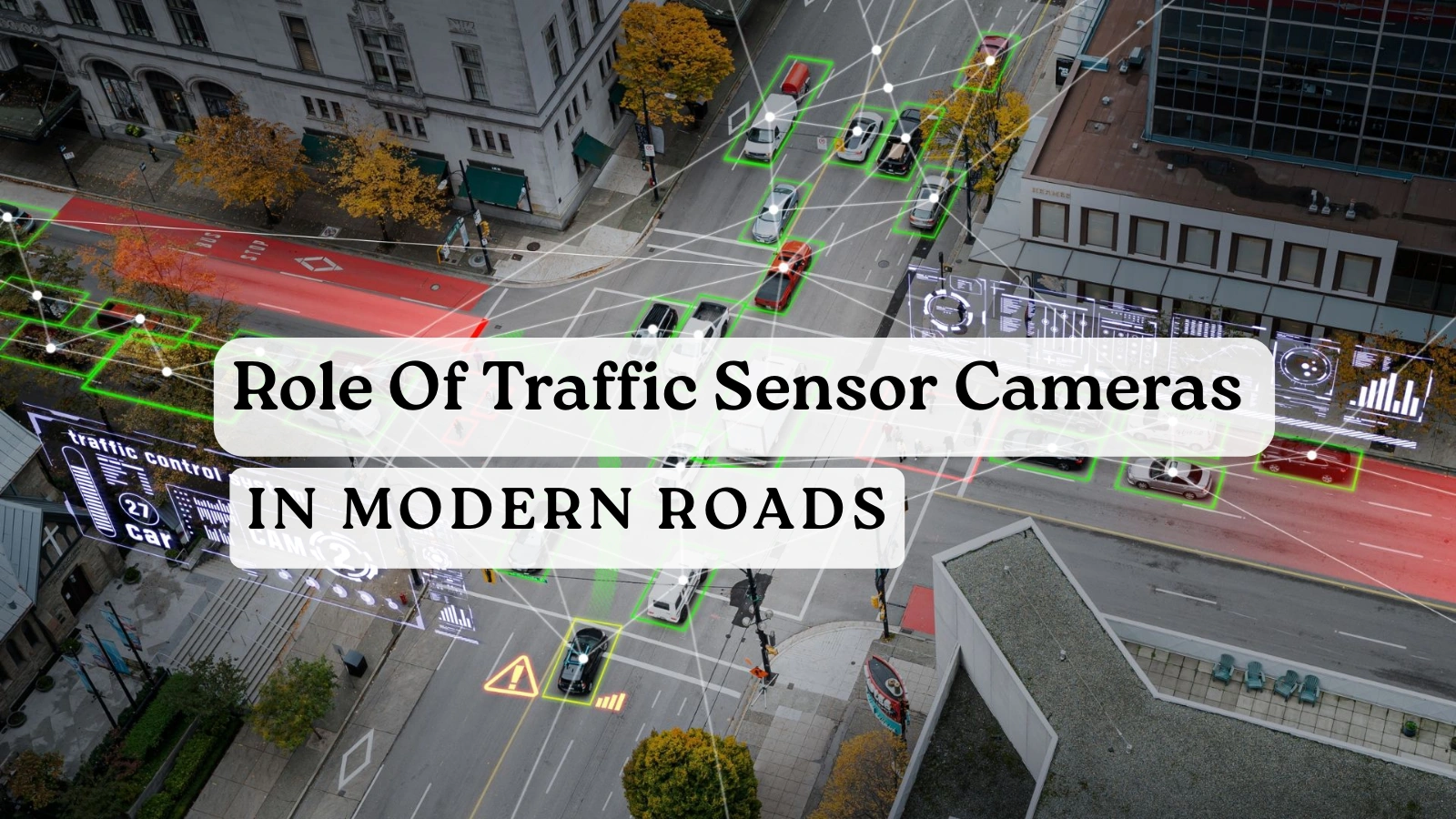
Traffic sensor cameras combine traditional video monitoring with intelligent sensors. These devices not only capture footage but also analyze traffic patterns, detect vehicle speed, and monitor roadway behavior.
Key functions of traffic sensor cameras include:
- Detecting congested intersections and busy roads.
- Monitoring vehicle speed for law enforcement purposes.
- Identifying stalled vehicles or accidents in real time.
- Collecting traffic data to support urban planning and road maintenance.
Unlike standard cameras that record passively, traffic sensor cameras actively analyze movement. They alert authorities immediately when traffic rules are violated or when unusual incidents occur, reducing response times and preventing accidents.
By integrating traffic sensor cameras with traffic monitoring systems, cities gain accurate, actionable insights into road conditions.
Benefits Of Traffic Monitoring For Safer Roads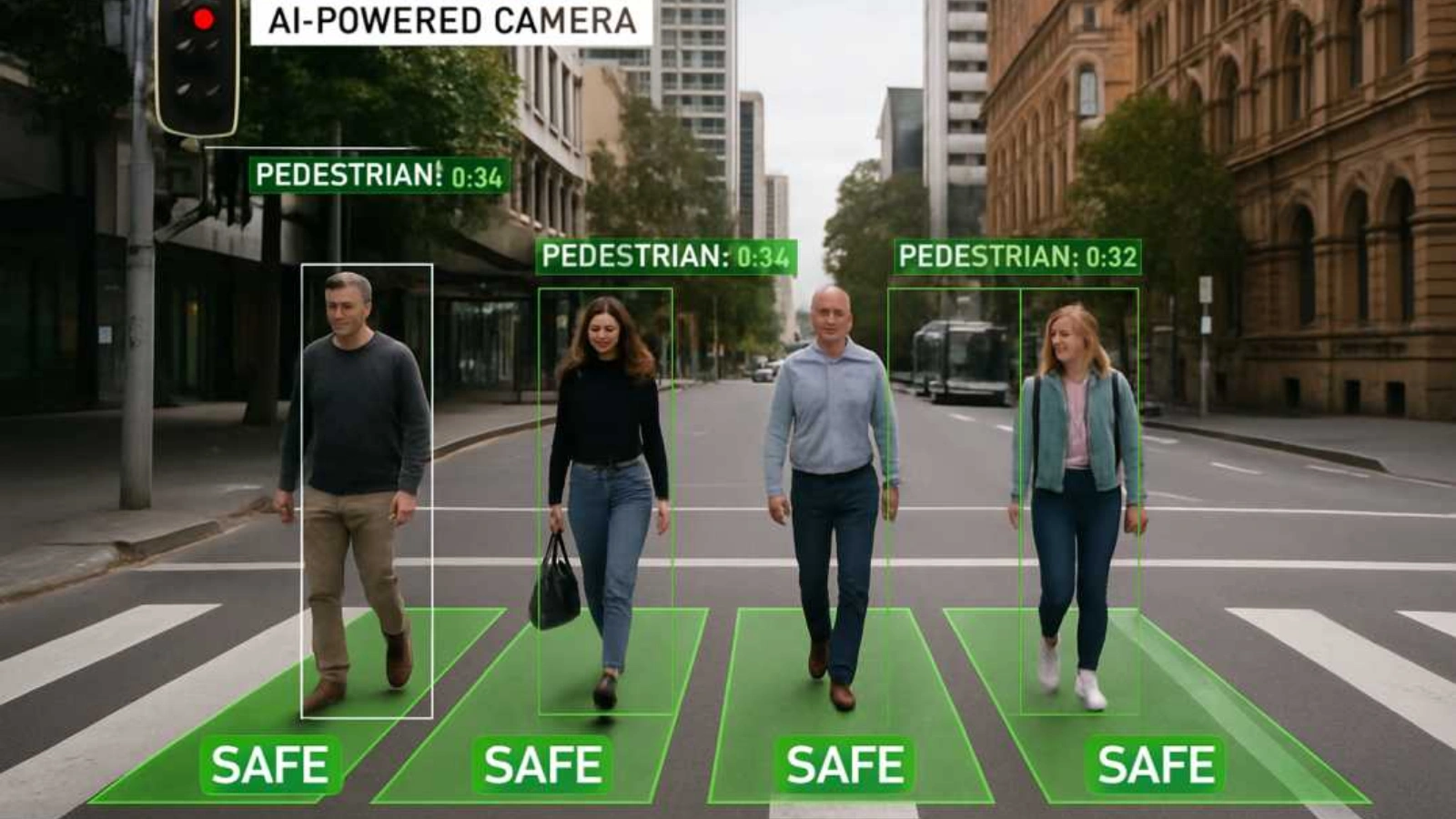
Using traffic monitoring cameras and sensor-based systems offers several benefits that enhance public safety and traffic management.
- Accident Prevention: Continuous surveillance and real-time alerts help authorities respond to hazards before they escalate.
- Improved Traffic Flow: Monitoring systems detect congestion, allowing traffic signals and controls to adjust and optimize movement.
- Enhanced Law Enforcement: Authorities can track violations, enforce penalties, and maintain safer roads.
- Data-Driven Planning: Collected traffic data informs infrastructure projects and maintenance schedules.
- Emergency Response Efficiency: Real-time monitoring ensures faster identification of accidents and hazards, enabling quicker emergency interventions.
By deploying traffic monitoring cameras, cities reduce congestion, improve driver behavior, and ensure safer roads for pedestrians and commuters alike.
Also Read:
Best Traffic Monitoring Devices: How To Choose The Right One?
AI-Powered Traffic Monitoring: A Complete Guide For 2026
How VideoraIQ Helps With Traffic Monitoring?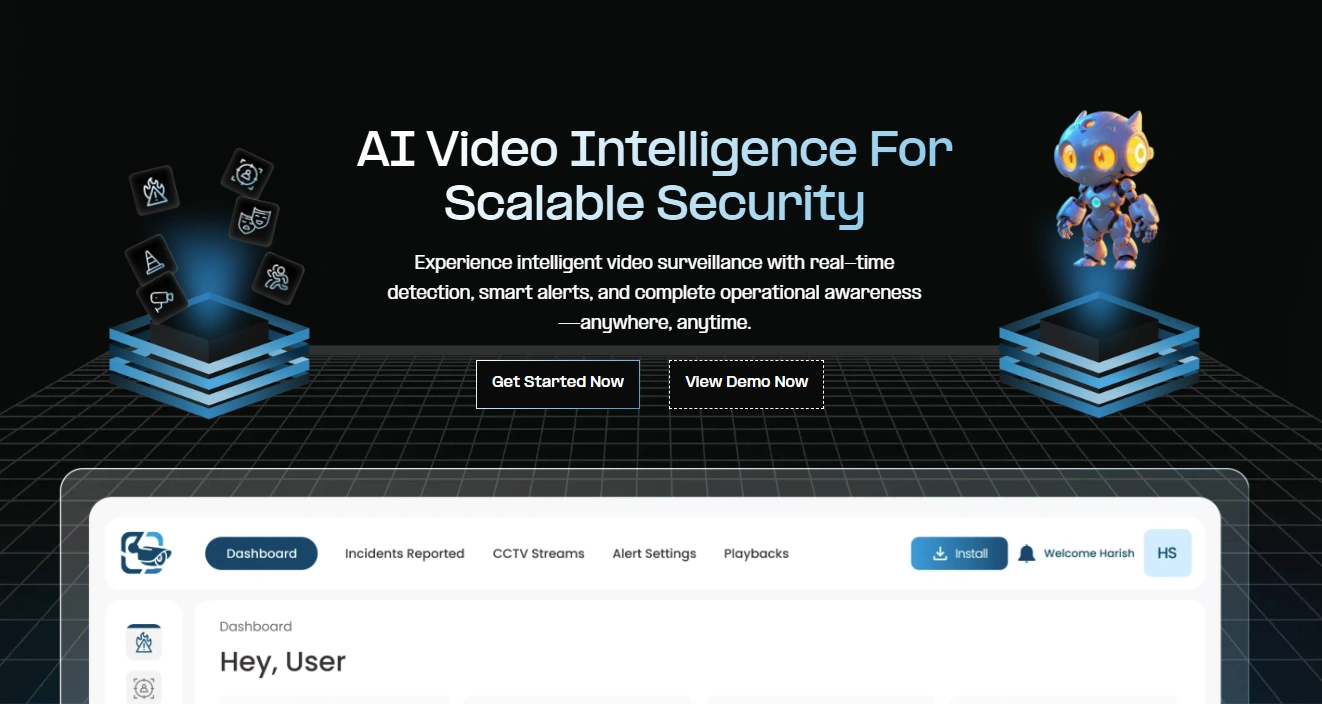
VideoraIQ introduces a new level of efficiency in traffic monitoring by combining AI intelligence with conventional camera systems. Instead of merely recording footage, VideoraIQ interprets data, identifies incidents, and notifies authorities instantly.
Introducing VideoraIQ as an AI-Driven Video Intelligence Solution
VideoraIQ transforms standard cameras into intelligent detectors. Its AI-powered system delivers:
- Face Recognition: Identify individuals when necessary for access control or investigations.
- Intrusion Detection: Detect unauthorized entries in restricted or critical areas.
- Object Detection: Monitor suspicious or unattended items on roads or nearby areas.
- Number Plate Recognition: Track vehicles for law enforcement and traffic management.
- Line-Cross Detection: Alert authorities when vehicles or pedestrians cross defined boundaries.
- Fire and Smoke Detection: Identify hazards near roadways or transport hubs.
By leveraging these features, VideoraIQ enhances the performance of traffic monitoring cameras and ensures more accurate, real-time oversight of traffic conditions.
How VideoraIQ’s AI Features Enhance Traffic Camera Efficiency
- Real-Time Detection of Incidents:
VideoraIQ immediately identifies accidents, stalled vehicles, or traffic rule violations. Alerts trigger rapid responses to minimize damage and improve road safety. - Object and Number Plate Recognition:
AI algorithms detect vehicle types, identify license plates, and provide actionable information for law enforcement or toll management. - Alerts for Unauthorized Vehicles or Road Hazards:
VideoraIQ detects vehicles entering restricted zones or areas with potential hazards, sending instant notifications to authorities.
These AI-powered capabilities ensure traffic monitoring cameras and traffic sensor cameras deliver actionable insights rather than just footage. Authorities gain precise, real-time awareness that traditional monitoring cannot match.
Real-Life Applications Of Traffic Monitoring Cameras
Several cities have implemented traffic monitoring cameras successfully to enhance road safety. Some notable applications include:
Urban Intersections:
Traffic monitoring cameras at busy intersections detect congestion and analyze vehicle flow. Authorities can adjust traffic signals dynamically, reducing waiting times, preventing gridlocks, and ensuring smoother movement of vehicles while improving overall road safety in urban areas.
Highways:
Traffic sensor cameras installed on highways identify accidents, stalled vehicles, and traffic violations immediately. Emergency responders receive alerts quickly, allowing faster intervention, minimizing accident impact, and ensuring smooth vehicle movement even during high-traffic periods.
School Zones:
Authorities use traffic monitoring cameras in school zones to track vehicle speed and ensure compliance with traffic rules. By monitoring these areas, they protect children, enforce safety measures, and reduce the risk of accidents during school hours.
Public Events:
Large gatherings, such as concerts or sports events, benefit from real-time surveillance provided by traffic monitoring cameras. Authorities can monitor vehicle and pedestrian flow, prevent congestion, and detect potential hazards, ensuring safety and smooth traffic during the events.
Law Enforcement:
Recorded footage from traffic monitoring cameras provides accurate evidence for traffic violations. Authorities use this data to track offenses, support prosecutions, enforce penalties, and ensure compliance, enhancing overall road discipline and deterring reckless driving.
These examples demonstrate the effectiveness of combining traffic monitoring cameras with AI and sensor technology for safer, well-managed roads.
Future Of Traffic Monitoring
The future of traffic management relies heavily on AI, predictive analytics, and smart city integration. It will work alongside predictive algorithms to anticipate incidents, manage congestion proactively, and maintain safe roads.
Emerging trends include:
- Predictive Traffic Management: AI systems analyze patterns and predict high-risk areas before accidents occur.
- Vehicle-to-Infrastructure Communication: Traffic cameras communicate with vehicles to improve coordination and safety.
- Expanded AI Capabilities: Advanced detection of pedestrians, cyclists, and unusual behavior enhances safety for all road users.
With these technologies, cities can implement proactive traffic management strategies, reduce accidents, and ensure smoother travel for commuters.
Conclusion
Safer roads depend on constant monitoring, rapid response, and intelligent analysis. Traffic monitoring cameras and traffic sensor cameras provide essential oversight, while AI-driven solutions like VideoraIQ enhance efficiency and effectiveness.
These systems prevent accidents, reduce congestion, and support law enforcement. By integrating AI capabilities, authorities can act faster, plan better, and create safer road environments.
Investing in traffic monitoring cameras today ensures safer roads, better traffic management, and improved safety for drivers, pedestrians, and cities.
FAQs
- What are traffic monitoring cameras used for?
It track vehicle and pedestrian movement, detect traffic violations, and provide real-time data for safer roads. - How do traffic monitoring systems work?
Traffic monitoring systems combine cameras, sensors, and data analysis to detect congestion, accidents, and incidents, offering actionable insights. - What are traffic sensor cameras?
Traffic sensor cameras integrate video feeds with sensors to detect vehicle speed, density, and movements, sending alerts for unsafe conditions. - How does VideoraIQ enhance traffic monitoring?
VideoraIQ adds AI intelligence to traffic monitoring cameras, providing real-time incident detection, number plate recognition, and alerts for unauthorized vehicles or hazards. - Can traffic monitoring cameras reduce accidents?
Yes, It allow authorities to respond faster to incidents, prevent accidents, and improve road safety.