

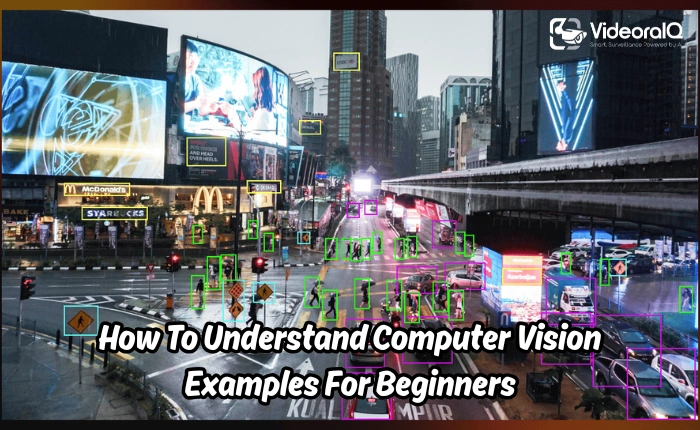
Computer vision has become one of the most transformative technologies of the digital era. From self-driving cars to medical imaging, it is silently powering systems that shape our everyday lives.
As industries continue to embrace automation and intelligent processing, understanding real-world computer vision examples has never been more important for professionals, businesses, and learners wanting to stay ahead in the technology curve.
Listen To The Podcast Now!
What Is Computer Vision And Why It Matters Today?
Computer vision enables machines to interpret and act upon visual data just like humans. It helps computers recognize patterns, detect objects, classify images, and even understand scenes at a deeper level.
When exploring computer vision examples, you quickly realize how deeply this technology has integrated itself into various industries and how it continues to open new possibilities through innovation and efficiency.
How Computer Vision Works Behind The Scenes?
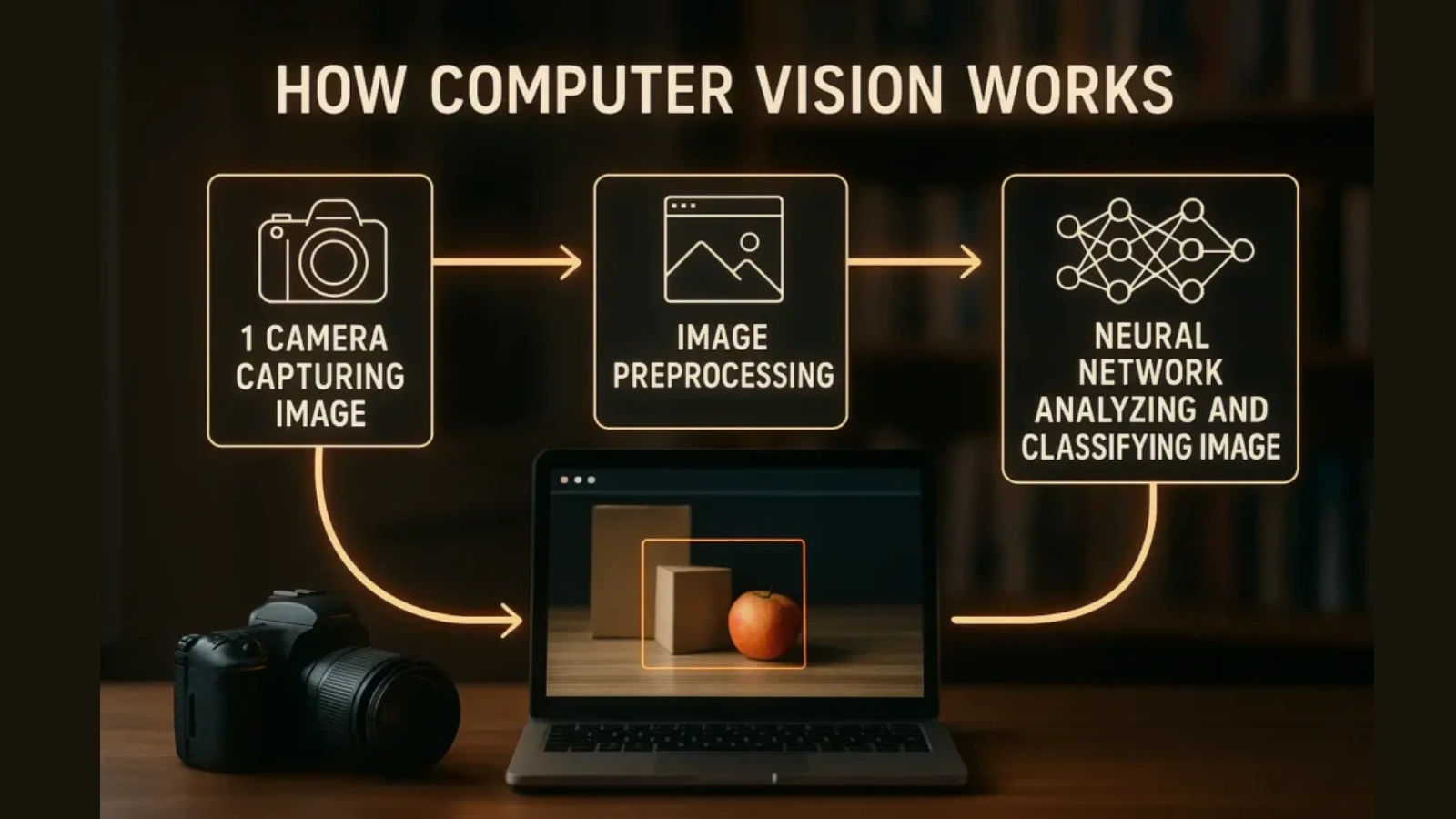
To understand the power of computer vision, here’s how the entire process works behind the scenes:
- Image Input: The system receives images or video frames from cameras or sensors.
- Pre processing: Visual data is cleaned, resized, and enhanced for better analysis.
- Feature Extraction: Algorithms identify shapes, patterns, edges, colors, and key details.
- Neural Network Processing: Deep learning models analyze the extracted features to understand objects, faces, movements, or scenes.
- Training on Data: The system learns from large labeled datasets to improve accuracy over time.
- Classification & Detection: It recognizes objects, classifies categories, or detects anomalies in real time.
- Prediction & Decision-making: Based on analysis, the system makes predictions or sends actionable alerts.
- Continuous Learning: Models refine themselves with repeated exposure to new data for better performance.
The Growing Demand For Computer Vision Across Industries
One glance at the current digital landscape reveals that computer vision has moved far beyond research labs. Industries ranging from agriculture to security rely on automated visual intelligence for better decision-making.
Many of the most promising computer vision examples highlight how it boosts efficiency, minimizes errors, and scales seamlessly with growing organizational needs.
Healthcare Innovations:
Healthcare remains one of the strongest sources of practical computer vision examples. From early disease detection to real-time surgical guidance, computer vision improves the accuracy and speed of medical decisions.
This is also where the secondary keyword application of computer vision fits naturally, as medical imaging relies heavily on automated interpretation.
Retail and E-Commerce:
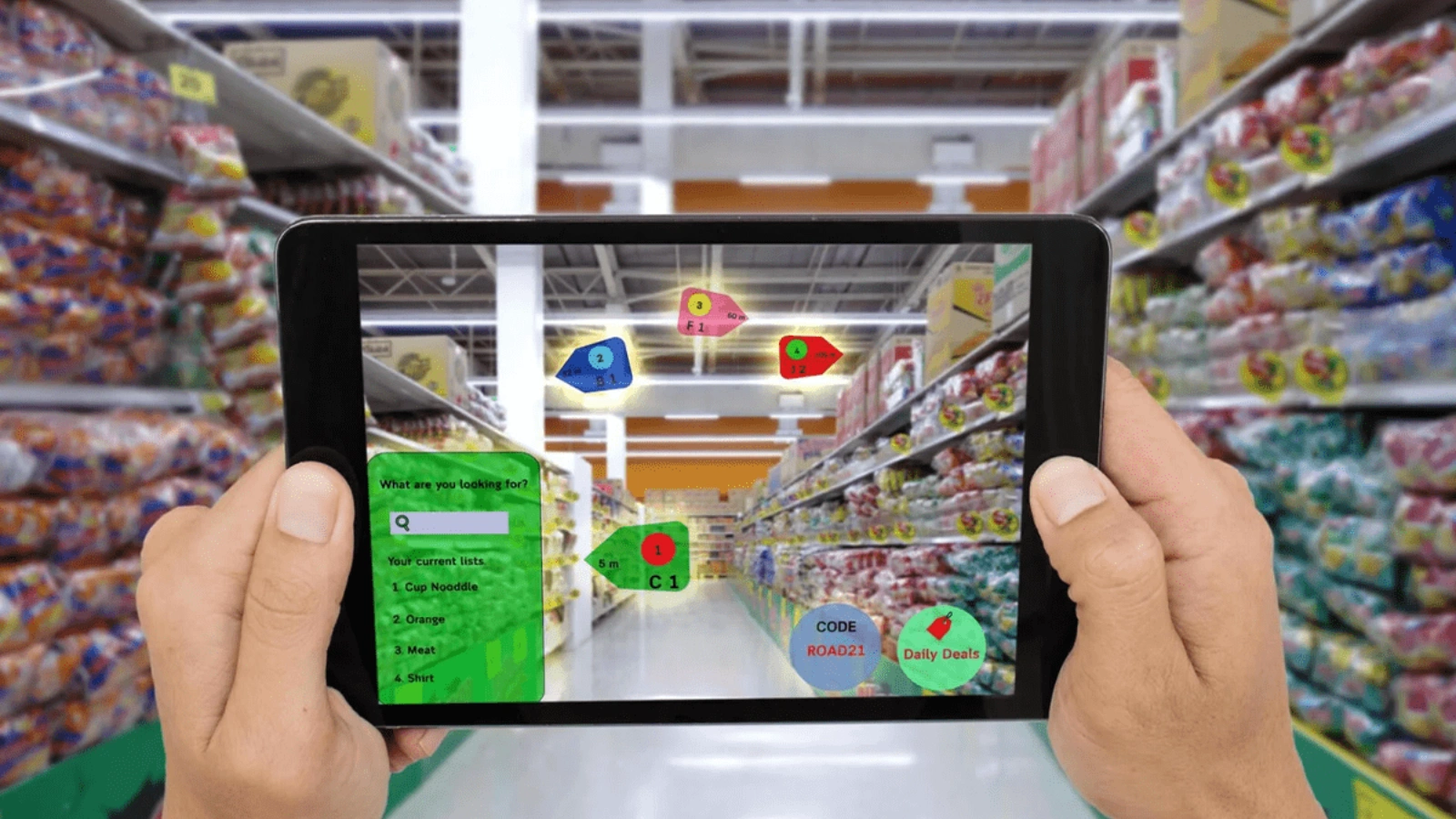
Retailers depend on computer vision examples such as shelf monitoring, image-based search, customer movement mapping, and video surveillance. These innovations enhance customer experience and reduce operational inefficiencies, making retail more intelligent and responsive.
Transportation and Smart Mobility:
Smart mobility leverages several computer vision examples to improve road safety, traffic efficiency, and autonomous vehicle performance:
- Autonomous Driving: Detects lanes, traffic signs, pedestrians, and obstacles in real time for self-driving cars.
- Traffic Flow Management: Monitors congestion, adjusts signals, and optimizes traffic patterns dynamically.
- Accident Detection: Identifies collisions or unusual vehicle behavior instantly to trigger alerts and response.
- Vehicle Classification: Recognizes vehicle types for toll management, parking, and traffic studies.
- Pedestrian Safety: Detects and tracks pedestrians at crossings and busy areas to reduce accidents.
Also Read:
Video Surveillance Systems for Business: What You Need to Know
Agriculture and Smart Farming:
Smart farming leverages computer vision examples to boost efficiency and crop management:
- Crop Health Detection: Monitors plants for diseases and nutrient deficiencies.
- Soil Monitoring: Analyzes moisture and soil quality for better irrigation and fertilization.
- Yield Estimation: Predicts crop production to help plan resources effectively.
Manufacturing and Industrial Automation:
Factories use computer vision examples to improve production efficiency and reduce errors:
- Quality Control: Automated inspections detect defects and ensure consistent product standards.
- Process Automation: Guides assembly lines and robotic operations for faster, precise manufacturing.
- Safety Monitoring: Detects unsafe practices or equipment issues in real time to prevent accidents.
Modern surveillance and monitoring solutions, like VideoraIQ, can complement these systems by providing intelligent visual analysis, tracking objects, and alerting teams instantly if anomalies are detected on the shop floor.
This integration demonstrates how advanced computer vision can enhance both safety and operational efficiency.
Finance and Banking:
The financial sector may seem unrelated to imaging, yet it uses computer vision examples in KYC verification, fraud detection, document scanning, and ATM monitoring. These systems help banks automate verification processes while maintaining regulatory accuracy.
This is also where the secondary keyword applications for computer vision blends logically, as finance is one of the industries expanding its adoption.
Sports and Performance Tracking:
Sports analytics features dynamic computer vision examples, from tracking player movements to generating automated highlights. Teams rely on computer vision to analyze performance and create game strategies based on real-time insights.
Entertainment, Gaming & AR/VR:

AR, VR, and immersive gaming rely on computer vision examples to create realistic and interactive experiences:
- Gesture and Motion Tracking: Captures player movements for intuitive control and interaction.
- Environment Mapping: Analyzes surroundings to accurately blend real-world objects with virtual content.
- Enhanced Immersion: Improves avatar animations, visual effects, and interactive elements for a more engaging experience, with video analytics enhancing gameplay monitoring and user interaction.
These applications make gaming, AR, and VR not just visually appealing but also responsive and immersive for users.
Robotics and Automation:
Robotics leverages computer vision examples to enhance precision, adaptability, and efficiency:
- Navigation & Obstacle Detection: Robots perceive their environment to move safely and efficiently.
- Object Recognition & Manipulation: Identifies and handles items accurately for assembly or delivery tasks.
- Human-Robot Collaboration: Tracks human movements to work safely alongside people in shared spaces.
These applications allow robots to operate autonomously while improving productivity and safety across industries.
Education and Learning:
Classrooms and digital learning platforms also benefit from computer vision examples. Tools for engagement tracking, handwriting recognition, and remote proctoring make education more personalized and accountable. This paragraph also fits the secondary keyword computer vision application examples, ensuring it appears naturally and only once.
Smart Cities and Urban Development:

Urban planning increasingly relies on computer vision examples to make cities safer, more efficient, and responsive to residents’ needs. Visual intelligence helps analyze pedestrian and vehicle flow, optimize traffic management, and reduce congestion in busy areas.
Construction sites benefit from real-time monitoring, ensuring safety compliance and timely project updates. Additionally, public safety is enhanced through automated surveillance, hazard detection, and incident alerts.
Environmental monitoring, such as tracking air quality, waste management, and green spaces, also leverages computer vision to create smarter, sustainable urban environments.
By integrating these technologies, cities can improve infrastructure, enhance safety, and provide a better quality of life for residents.
Also Read:
What Is Video Analytics? How It Works & Enterprise Use Cases
How Can VideoraIQ Enhance Modern Surveillance with Computer Vision?
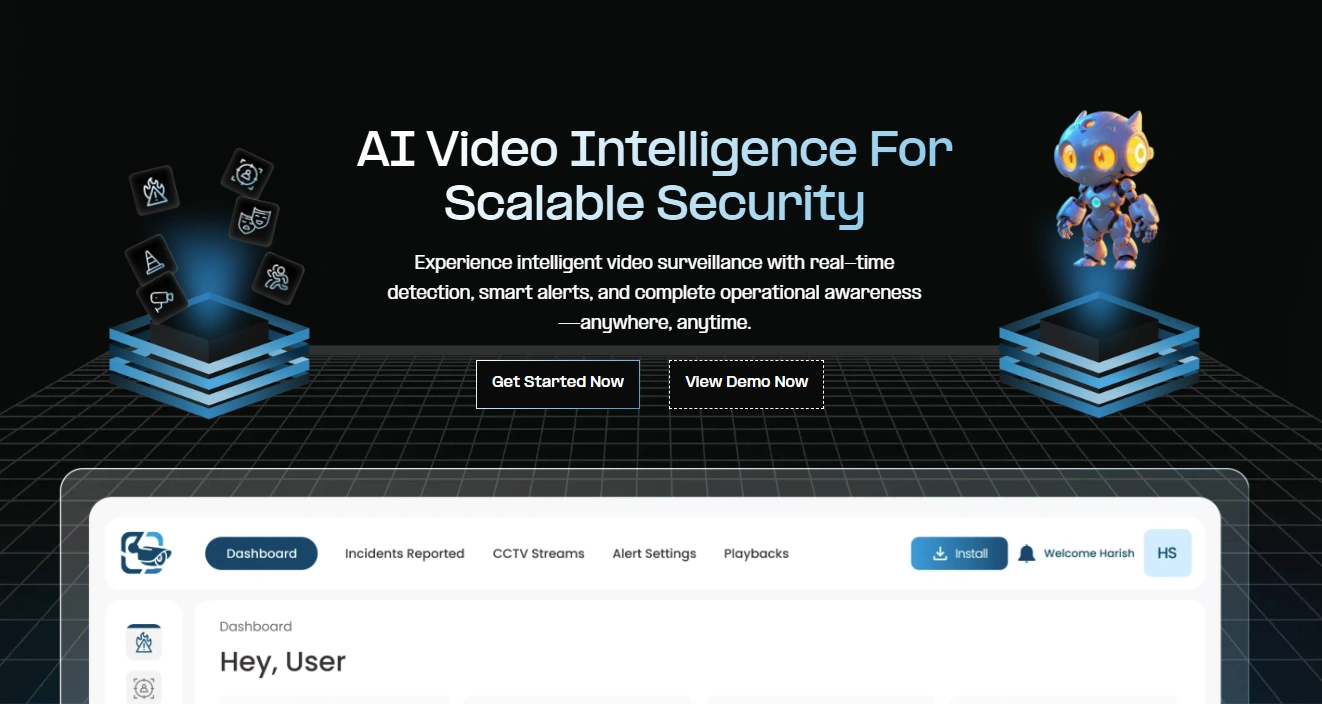
As the demand for advanced visual intelligence grows, VideoraIQ demonstrates how practical innovation aligns with real computer vision examples.
It is a cloud-based, AI-powered platform designed to think, detect, and respond, not just record. VideoraIQ transforms traditional security systems into proactive networks capable of real-time decision-making.
Its capabilities illustrate some of the most advanced computer vision examples used today. VideoraIQ helps organizations stay alert, reduce incidents, and enhance safety by understanding environments through automated visual interpretation.
Key Features Of VideoraIQ
- Face Recognition: Quickly and accurately identifies individuals in real time, enabling secure access control, employee attendance tracking, and visitor verification.
- Intrusion Detection: Monitors restricted zones and immediately alerts security teams when unauthorized access or unusual activity is detected, helping prevent potential breaches.
- Object Detection: Detects and tracks important objects in live video feeds, ensuring operational safety and enabling automated monitoring of equipment, packages, or inventory.
- Number Plate Detection: Reads and logs vehicle license plates for secure gate access, parking management, and traffic monitoring, providing a reliable record of all vehicle movements.
- Fire and Smoke Detection: Identifies signs of fire or smoke early, sending instant alerts to safety personnel to minimize damage and enhance emergency response.
- Unauthorized Access Alerts: Notifies administrators whenever someone attempts to enter restricted areas, safeguarding sensitive locations like server rooms, warehouses, or private offices.
- Unattended Baggage Alerts: Detects abandoned or suspicious objects in public spaces, transport hubs, or offices, enhancing security and reducing potential threats.
- Line Crossing Detection: Monitors predefined boundaries and immediately triggers alerts if they are crossed, helping secure restricted zones, entrances, or perimeter lines.
- Cashier Absence Detection: Monitors retail counters to ensure staff presence, helping prevent theft, unattended registers, and operational gaps.
VideoraIQ’s mission aligns with the evolution of AI-powered surveillance—making systems smarter, faster, and more reliable. It proves that the future of safety lies in prediction, not reaction. As the platform integrates edge AI and predictive analytics, it continues shaping the next phase of intelligent monitoring.
Conclusion
Computer vision reshapes industries with automation, intelligence, and precision. The wide range of computer vision examples across healthcare, retail, manufacturing, and security highlights its critical role in today’s digital world.
Platforms like VideoraIQ demonstrate how intelligent systems can transform raw visual data into actionable insights, bringing safety, efficiency, and innovation to new heights. As computer vision evolves, businesses and users who embrace it will lead the future of smarter, data-driven decision-making.
FAQs
1. What skills are required to work with computer vision systems?
Computer vision professionals typically need a mix of programming skills (Python, C++), knowledge of machine learning frameworks, understanding of image processing techniques, and familiarity with deep learning architectures like CNNs.
2. Can small businesses benefit from computer vision without large budgets?
Yes. Many cloud-based platforms and software tools offer affordable computer vision solutions for retail monitoring, customer analytics, inventory checks, and security—making it accessible even for small or medium-sized businesses.
3. How accurate are computer vision systems compared to human monitoring?
With the right training data and algorithms, computer vision systems often outperform humans in speed, consistency, and detection accuracy, especially for repetitive or high-detail tasks.
4. Does computer vision work in low-light or poor image quality conditions?
Modern models are optimized to handle low-light situations using enhanced contrast, infrared cameras, and image restoration techniques, ensuring reliable detection even in challenging environments.
5. Are computer vision systems difficult to integrate with existing hardware?
Not necessarily. Many solutions, including cloud-based platforms, are designed to work with standard CCTV cameras, smartphones, drones, and industrial sensors without requiring a full equipment upgrade.