Roads shape how people move, work, and connect. Rush hours, unpredictable driver actions, and rising vehicle density create more pressure on cities each year. Decision-makers search for smarter ways to control movement, prevent chaos, and keep travelers safe. Traffic management solutions give cities and private organizations a stronger way to notice risks early, guide movement smoothly, and stop threats before damage happens.
Teams want control, not confusion. A strong traffic management approach supports that goal with quick detection, real-time updates, and smarter insights. Every responsible authority aims to improve flow, reduce accidents, and respond to incidents without delay. That goal becomes possible once the right strategies and tools come together.
This blog breaks down how effective traffic management solutions reduce road risks and create safer environments. It also explores how advanced AI platforms, such as VideoraIQ, support these goals with fast monitoring, smart analytics, and automated safety alerts.
In a hurry? Listen to the blog instead!
Common Road Risks That Modern Traffic Management Must Address
Roads face different challenges each day. Heavy traffic, reckless behavior, and unpredictable road conditions create situations that demand immediate action. Every city tries to reduce accidents and ensure smooth movement, yet several risks continue to appear without warning.
Major road risks include:
- Speed violations that disrupt flow and increase accident chances
- Lane cutting during rush hours
- Sudden halts due to roadblocks, fallen objects, or breakdowns
- Poor visibility during evening hours
- Pedestrians crossing at unsafe spots
- Vehicle congestion at intersections
- Unauthorized entries into restricted lanes
- Tailgating and sudden lane shifts
Decision-makers require traffic management solutions that notice these problems quickly. The process should work without delay, guesswork, or human errors.
A solid traffic management system gives authorities the clarity they need to control busy roads and prevent minor issues from turning into major threats. Real-time monitoring and automated alerts support traffic teams with fast, reliable updates that help them protect both drivers and pedestrians.
How AI Traffic Monitoring Transforms Road Safety?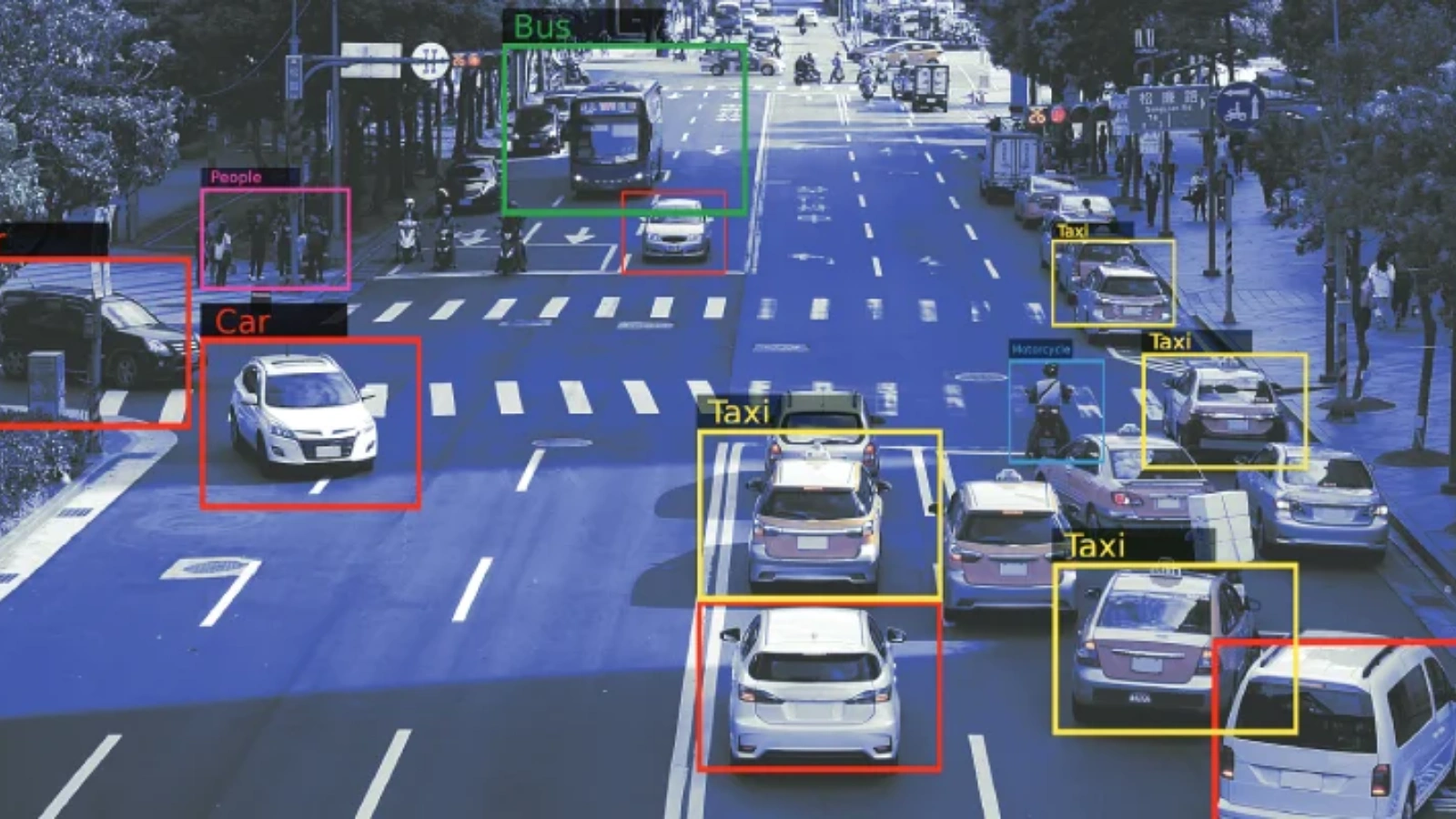
AI traffic monitoring brings unmatched accuracy and speed to road supervision. Traditional camera setups only record footage. AI-driven systems study movement, detect anomalies, and highlight unsafe actions instantly.
AI traffic monitoring offers strong benefits:
- Identifies rule violations without confusion
- Tracks speed and movement patterns with precision
- Notices stalled vehicles, accidents, and dangerous behaviors
- Highlights the vehicle count in each zone
- Detects lane misuse, red-light jumps, and risky turns
Real-time insights allow authorities to act before situations escalate. Traffic management solutions built on AI reduce manual load and give teams the power to make quick, informed decisions.
AI works around the clock. It never ignores small signals that point toward bigger risks. That level of focus leads to safer roads and smoother journeys.
Benefits Of Real-Time Traffic Monitoring For Faster Decision-Making
Real-time traffic monitoring gives teams instant access to what’s happening across the roadway network. Every second counts when traffic conditions shift or accidents occur.
Key benefits include:
- Immediate alerts highlight violations fast, allowing teams to act before road conditions turn highly unsafe.
- Clear visibility across roads helps authorities understand movement patterns and address risks with absolute precision.
- Faster response becomes possible as teams notice incidents instantly and take action without wasting valuable time.
- Accurate data supports stronger planning efforts and helps authorities create safer and more organized road networks.
- Reduction in long tailbacks happens when real-time insights guide quick decisions that improve traffic movement everywhere.
- Stronger oversight across intersections ensures smoother flow, fewer bottlenecks, and reliable safety throughout the entire network.
Traffic management solutions with real time traffic monitoring support both city administrators and private facilities. Quick updates reduce confusion, increase safety, and build a more reliable transportation system.
Real-time data also helps teams study common trouble zones. This data supports stronger planning, roadway design improvements, and updated safety protocols.
Types Of Traffic Management Solutions Used Today
Organizations use different types of technologies to support smooth movement across roads and private areas. Modern traffic management solutions combine AI, automation, analytics, and cloud systems to create a high-performance safety network.
Top solutions include:
- AI-powered surveillance cameras
- Smart sensors at intersections
- Automated violation detection systems
- Vehicle count analysis tools
- Number plate recognition systems
- Object detection and obstruction alerts
- Lane-cross detection setups
- Adaptive signal control tools
- Parking occupancy systems
Each setup supports safety in unique ways. Together, they create a stronger ecosystem where potential risks appear instantly. A good traffic management system depends on accuracy, reliability, and fast response.
How Traffic Management Solutions Reduce Road Risks?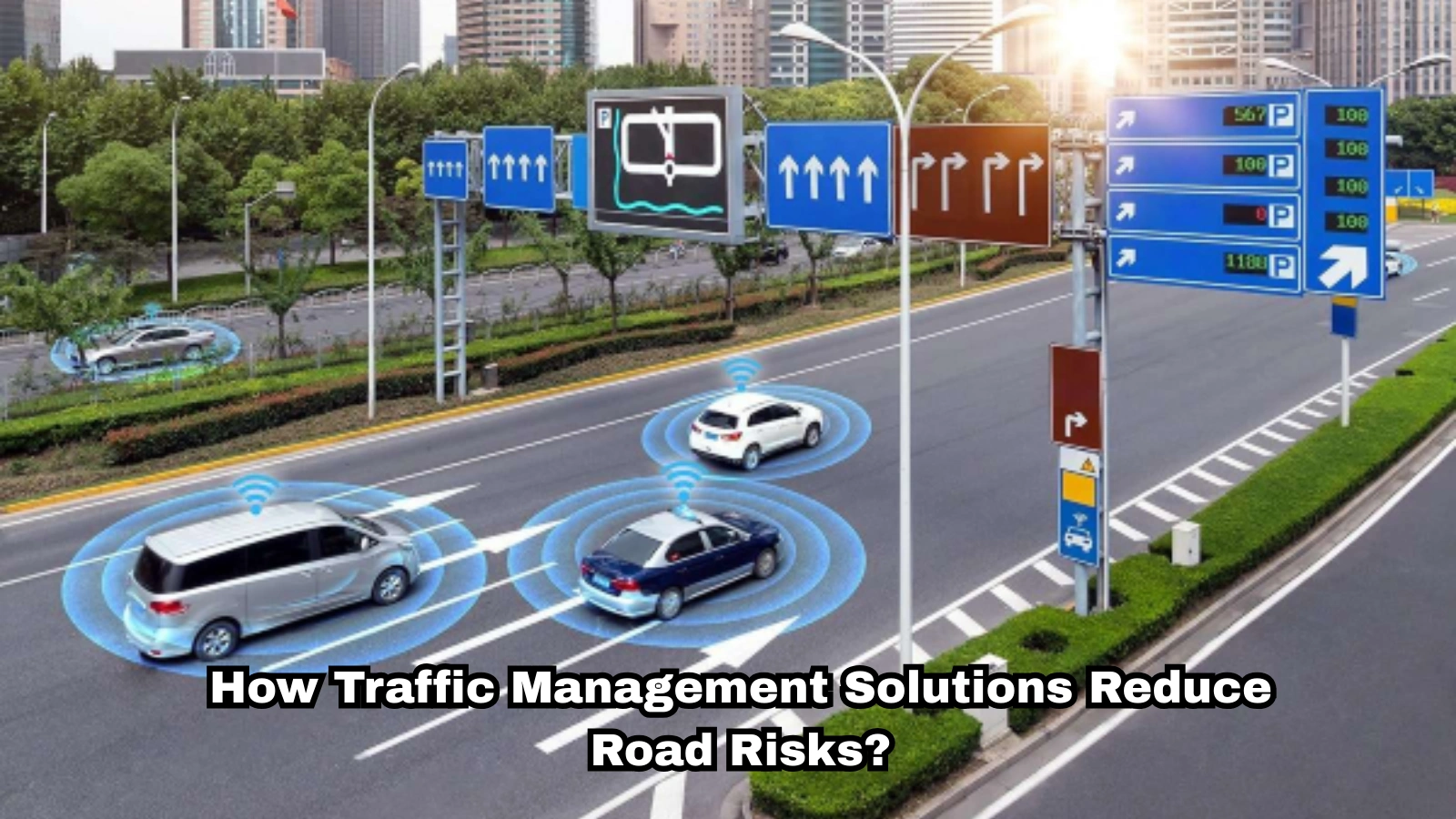
Traffic management solutions reduce road risks by giving authorities instant clarity and immediate insights. These systems do more than record incidents; they prevent them by noticing early-warning signals.
Solutions reduce risks through:
- Detection of unsafe driving actions
- Faster incident reporting
- Clear identification of violation patterns
- Prevention of congestion in high-traffic zones
- Early alerts about obstacles or road hazards
- Stronger compliance with safety rules
- Automated tracking of vehicle flow
Every second of delay increases risk, especially during peak hours. Traffic management solutions help teams take action without waiting for manual reports or visual confirmation.
Consistent monitoring helps authorities predict common trouble areas and improve long-term planning. When drivers know the system holds them accountable, road discipline improves.
Key Features Every Traffic Management System Should Have
A traffic management system works best when it meets real-world demands. Roads never stay predictable, so the system must handle constant changes.
Must-have features include:
- High accuracy for detection helps teams identify risks precisely and act before situations turn more dangerous.
- Fast processing during peak flow ensures smooth movement and prevents disruptions across busy, high-traffic areas daily.
- Cloud or central dashboard access gives teams unified control and simplifies monitoring across multiple connected locations.
- Strong rule-based alert triggers notify authorities instantly when vehicles break safety rules or enter restricted zones.
- Number plate recognition captures vehicle details clearly and supports faster investigation of violations or unauthorized entries.
- Violation detection module highlights unsafe actions quickly and helps authorities enforce discipline across various road sections.
- Multi-location monitoring allows teams to supervise different sites simultaneously and maintain consistent safety everywhere.
- Customizable alert zones help teams focus attention on sensitive points and manage risks more effectively.
- Integration with existing cameras extends system capability and reduces setup time while improving overall network performance.
- Smart AI-based analytics deliver insights that support smarter planning and stronger control across complex road networks.
The system should support quick decisions and smooth collaboration across departments. Traffic management solutions that carry these features help organizations maintain safety, reduce accidents, and operate efficiently.
How Videoraiq Helps Improve Traffic Management And Road Safety?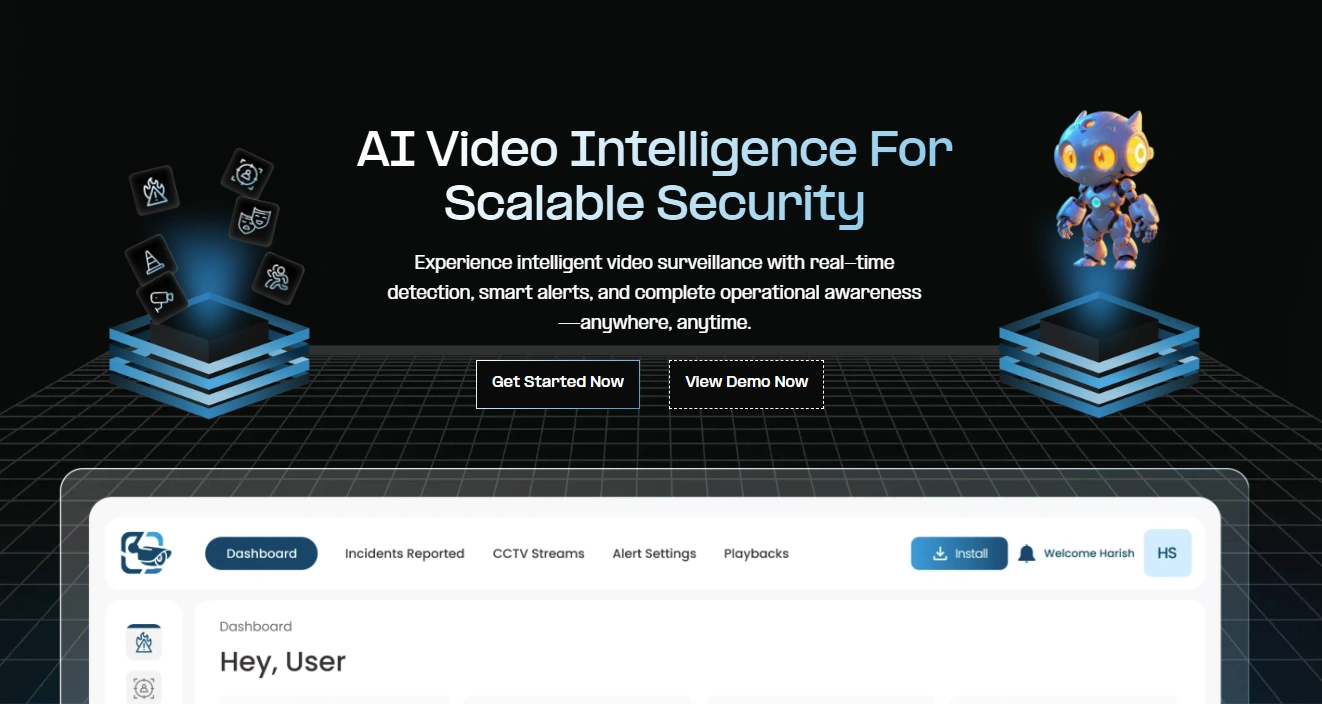
VideoraIQ is an AI-powered, cloud-based video intelligence software that enhances traditional CCTV systems into smart, proactive security solutions. It uses artificial intelligence to analyze video footage in real time, enabling authorities and organizations to instantly detect traffic disturbances, identify potential risks, and take timely action to improve road safety. Beyond basic surveillance, VideoraIQ delivers actionable insights that help optimize traffic flow, reduce congestion, and prevent accidents before they escalate.
To better understand the capabilities of this powerful platform, here are its key features:
VideoraIQ supports traffic management with:
1. Real-Time Detection
VideoraIQ observes vehicle movement and road activity in real time. The system spots risk factors without delay, allowing teams to respond immediately.
2. Automated Violation Alerts
The platform identifies speed violations, lane misuse, illegal U-turns, and red-light crossing. VideoraIQ sends instant notifications that help teams maintain discipline across high-traffic points.
3. Number Plate Recognition
The number plate module captures vehicle details with precision. This helps authorities track rule breakers, stolen vehicles, and unauthorized entries.
4. Object Detection
Foreign objects, stalled vehicles, and fallen items appear instantly on the dashboard. Quick notice helps teams clear the area before accidents take place.
5. Line Cross and Zone-Based Alerts
VideoraIQ identifies line crossings and movements inside restricted areas. Ideal for toll plazas, campuses, industrial areas, and city roads.
6. Cloud-Based Control Center
Teams use a unified dashboard to review alerts, monitor live feeds, and make informed decisions across multiple regions.
7. AI-Powered Insights
The system studies traffic flow patterns and highlights repeated risk zones. These insights support stronger planning and long-term safety upgrades.
VideoraIQ gives cities and organizations a reliable partner for traffic management solutions that work without delays or blind spots.
Industry Applications of AI Traffic Monitoring
Different sectors use AI traffic monitoring to maintain order and prevent disruptions. Smooth movement and safe surroundings benefit every industry.
Key applications include:
Smart Cities
City authorities rely on AI traffic monitoring to supervise intersections, manage peak hour flow, detect unsafe behavior instantly, and maintain smoother movement across all busy and sensitive locations.
Highways and Express Routes
AI monitors speed, lane discipline, vehicle spacing, and potential hazards along long-distance routes, helping authorities reduce collision risks and maintain safer, more predictable traffic patterns consistently.
Industrial Zones
Factories and warehouses use traffic management solutions to control vehicle entries, prevent congestion, monitor zone activities accurately, and block unauthorized movement that might create operational or safety risks.
Event Venues
Large venues depend on AI systems to manage high vehicle volume, avoid entry bottlenecks, guide smooth exit flow, and ensure better crowd mobility during peak event hours.
Educational Campuses
Automated systems monitor crossings, control movement at gates, track vehicles entering, and support safer surroundings for students and staff throughout school zones and campus roads.
Each industry gains stronger safety and better operational control with AI-powered traffic insights.
Also Read:
AI-Powered Traffic Monitoring: A Complete Guide For 2026
Best Traffic Monitoring Devices: How To Choose The Right One?
Steps To Implement An Effective Traffic Management System
A smooth implementation process supports stronger performance, reduces avoidable mistakes, improves coordination, and helps teams build a stable traffic management foundation.
Follow these steps:
1. Assess Current Road Conditions
Teams study high-risk areas, accident zones, congestion points, and movement patterns to understand challenges clearly and prepare a strong foundation for their traffic safety strategy.
2. Plan Camera Placement
Authorities position cameras at intersections, entry points, blind spots, and high-pressure zones to capture complete visibility and ensure every critical movement stays within clear observation.
3. Integrate AI Modules
Teams connect detection tools, number plate recognition, movement analysis modules, and automated alerts to build a unified system that supports fast decisions and reliable safety control.
4. Set Clear Alert Rules
Authorities define speed limits, lane boundaries, restricted zones, and violation triggers to ensure the system highlights unsafe actions instantly and supports disciplined road behavior consistently.
5. Train Teams
Operators learn dashboard features, alert responses, reporting tools, and daily monitoring routines so every team member handles incidents quickly and manages road conditions with confidence.
6. Review Data Regularly
Teams study repeated patterns, update strategies, refine control measures, and improve risk management based on real insights gathered from continuous monitoring and incident reports.
A strong setup supports consistent safety, boosts operational control, improves decision-making, and creates long-term value for traffic authorities across every region.
Conclusion
Safer roads demand clarity, smart supervision, and strong planning. Traffic management solutions give cities and organizations the tools they need to identify risks, prevent incidents, and improve road discipline. AI-driven platforms, such as VideoraIQ, push this goal even further with real-time detection, automated alerts, and precise analytics.
Every second matters on busy roads. Smart systems help teams react faster, reduce mistakes, and create safer surroundings for everyone. Traffic management solutions lead the way toward structured movement, fewer accidents, and stronger safety outcomes.
FAQs
1. Common Road Risks That Demand Faster Action?
Roads face unpredictable challenges that require instant response. Early detection helps authorities prevent accidents and maintain smoother movement.
- Frequent risks like speeding, lane misuse, and unsafe pedestrian activity
- Sudden hazards such as roadblocks, breakdowns, or fallen objects
- Congestion buildup at intersections and restricted zones
2. How AI Traffic Monitoring Improves Road Safety?
AI-driven monitoring delivers fast, accurate insights that help teams take control before issues escalate.
- Detects violations, stalled vehicles, and dangerous movement patterns
- Tracks speed, lane behavior, and vehicle count with precision
- Supports quick decisions with around-the-clock automated supervision
3. Power of Real-Time Traffic Monitoring?
Instant visibility allows authorities to manage road conditions effectively and prevent small issues from causing bigger disruptions.
- Alerts highlight violations and hazards immediately
- Faster responses reduce delays and tailbacks
- Data improves planning, roadway design, and safety strategies