

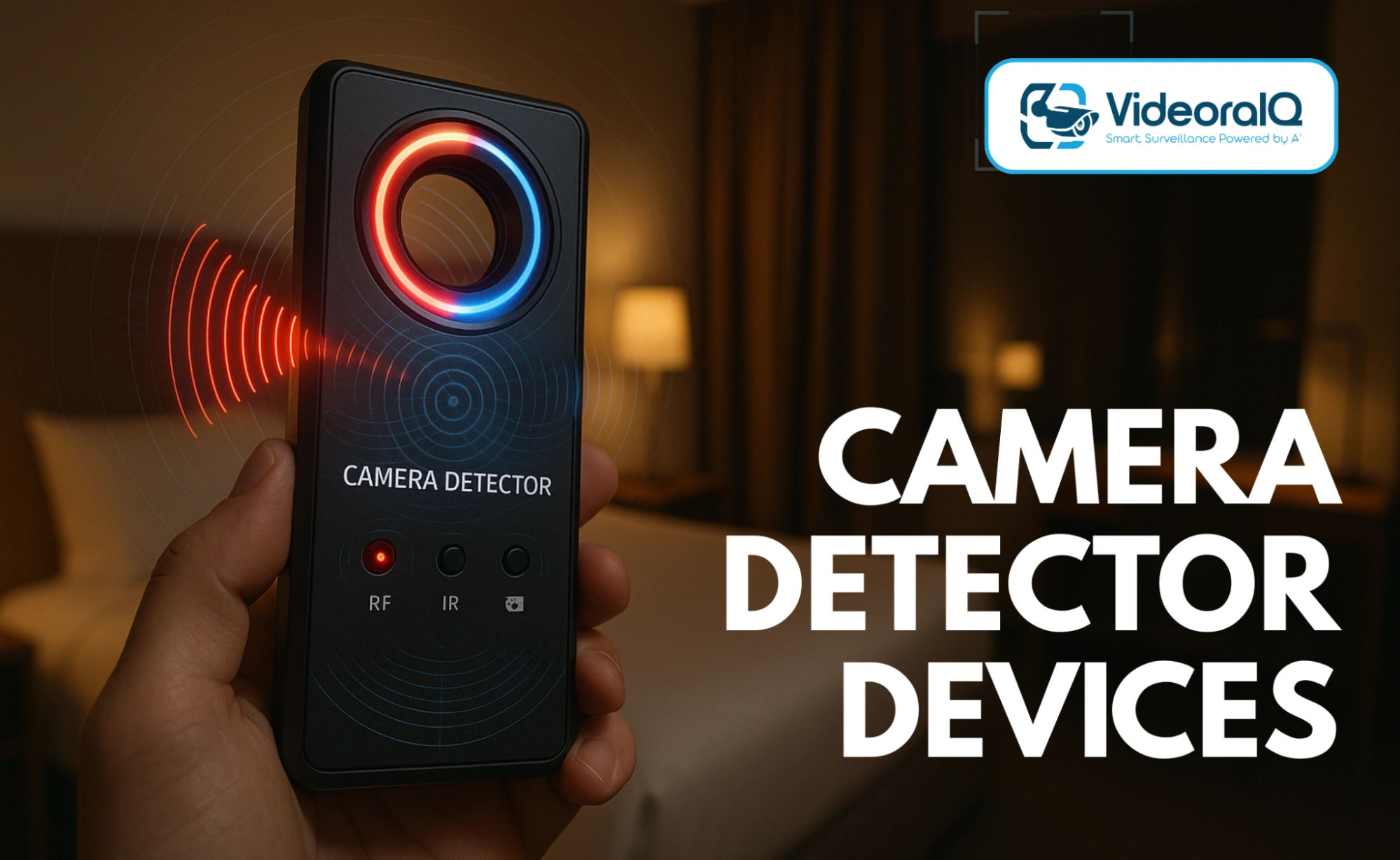
Privacy has become one of the biggest concerns in our daily lives, especially with the growing number of reports of hidden cameras found in hotels and public spaces. Most people assume they are safe, but the truth is that surveillance devices have become easier to buy and hide and very difficult to detect. A camera detector device is an essential part of personal security.
Whether traveling, staying in a motel, working in a sensitive environment, or simply protecting a home, these devices detect invisible lens reflections to identify wireless signals. A good hidden camera detector device can help you ensure that your private moments remain private.
In this guide, we will break down how camera detector devices protect your privacy, how they work, and how to choose the right one for your needs.
What Is A Camera Detector Device?
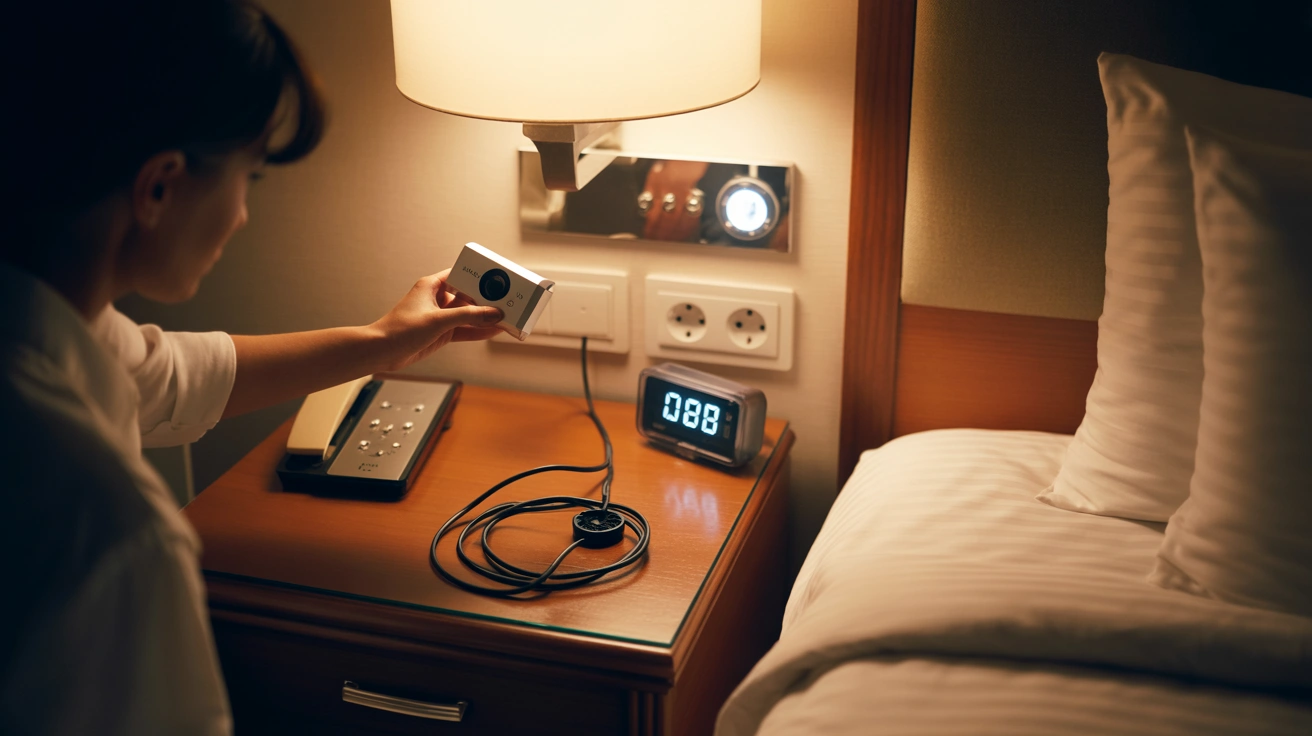
A camera detector device is a small, portable security tool that helps locate hidden or unauthorized cameras in the surroundings. These devices identify the signals or electronic signatures naturally produced by cameras.
Most camera detector devices rely on one or more detection methods to function. Some researchers have explored radio-frequency transmissions from cameras that send live videos. Others use powerful LED light reflections to show the camera lens even if the device is turned off. More advanced detectors can scan networks, detect infrared signals, and sense the slightest electronic activity.
Although the terms camera detector and hidden camera detector are often used interchangeably, there is a slight difference in their intent.
A camera detector is a broader device capable of detecting various types of cameras, whether wired, wireless, active, or inactive.
A hidden camera detector specifically focuses on locating covert or disguised cameras used for surveillance. In practice, most modern devices combine both functions, providing an all-in-one tool for identifying anything that threatens your privacy.
How Camera Detector Devices Work: Core Technologies Explained
Camera detector devices may appear simple, but they use a combination of technologies to uncover hidden cameras. Each detection method focuses on a different type of signal or physical indication, which is why most modern techniques focus on improving their accuracy.
Here is a breakdown of the main technologies and how they help protect your privacy.
RF Signal Detection (Wireless Camera Tracking)
Many hidden cameras transmit video or audio wirelessly using Wi-Fi, Bluetooth, or dedicated radio frequencies. An RF-based camera detector scans the environment for these signals and alerts the user when it detects unusual transmissions. By moving the detector around the room, the location where the signal becomes strongest can be tracked, and the camera’s location can be narrowed down.
This method is especially effective for wireless spy cameras, which are often hidden in chargers, clocks, smoke detectors, and other everyday objects.
Lens Reflection Detection (Spotting Hidden Lenses You Can’t See)
Optical lens detectors use bright light-emitting diodes (LEDs) or lasers to create reflections on camera lenses. When you look through the device and clean the room, any hidden lens will flash or glow.
This technique works even if the camera is turned off or not transmitting, making it one of the most reliable methods for finding a concealed camera inside a room.
Infrared and Thermal Detection (Finding Night-Vision or Powered Cameras)
Most hidden cameras are equipped with infrared LEDs to record in low-light or dark conditions. Some cameras can detect these IR emissions, which are invisible but easily noticeable through special sensors or even a smartphone camera.
More advanced detectors may also sense the slight heat signature produced by electronic devices, helping to locate cameras that blend into the environment.
Wi-Fi Network and Smart Device Scanning (Detecting IP Cameras)
Network scanning tools can identify unknown devices connected to Wi-Fi, allowing the detection of hidden IP cameras that might not be physically obvious.
This method is useful, especially in areas where wireless surveillance is more likely.
Suggested article
Best Traffic Monitoring Devices: How To Choose The Right One?
Types Of Camera Detector Devices (Best Options for Privacy Protection)
Camera detector devices come in several forms, which are used for different levels of privacy protection. Some are simple, whereas others are professional devices. Understanding these categories makes it easier to choose a detector that perfectly fits one’s needs and budget.
Portable Hidden Camera Detectors
Portable detectors are compact, affordable, and ideal for daily use. Travelers usually carry them to check hotel rooms for cleanliness.
Most portable models include:
- A lens-finder mode using LED reflections
- Basic RF detection for wireless signals
- Adjustable sensitivity to avoid wrong alerts
These detectors are ideal for a simple and quick way to confirm whether a space is secure.
Professional-Grade Camera Detector Devices
Professional detectors are more advanced security measures, such as those used in offices, studios, corporate environments, or sensitive workspaces.
They typically offer:
- High-range RF scanning
- Advanced spectrum analysis
- Detection of wired, wireless, and shielded devices
- Strong interference filtering for more accurate readings.
Although these devices are more expensive, they provide the depth and precision required for environments where privacy is necessary.
Hybrid Camera Detectors (RF + Lens + IR in One Device)
Hybrid detectors combine multiple detection technologies into a single device, making them the most versatile option for both personal and professional use.
A good hybrid model often includes the following:
- RF scanning for wireless cameras
- Optical lens detection
- Infrared and near-infrared sensing
- Network scanning features (in some advanced models)
This all-in-one approach provides stronger coverage and increases the chances of spotting both active and inactive hidden cameras.
How Camera Detector Devices Protect Your Privacy & Security?
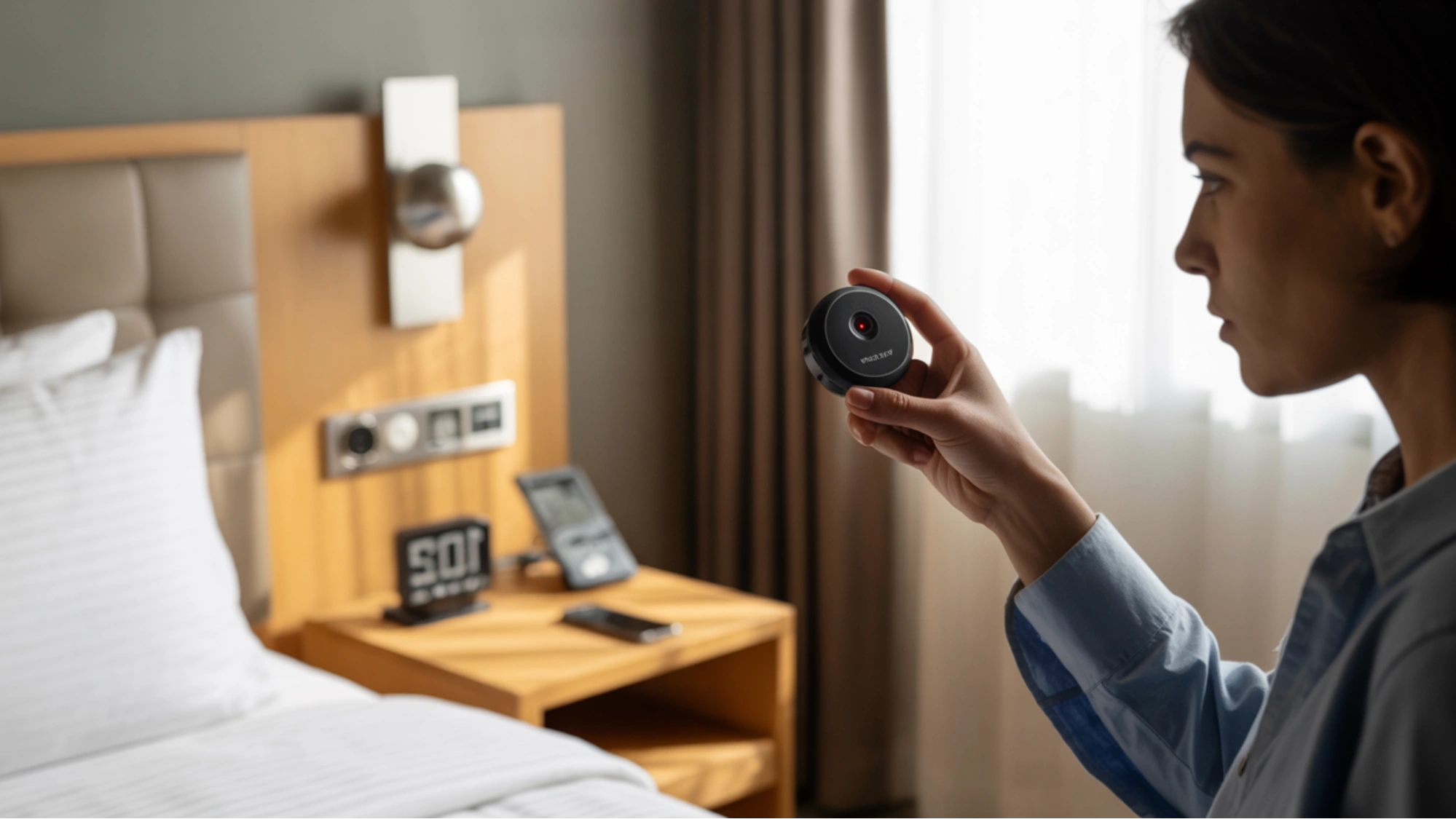
Privacy is important, especially when hidden cameras have become smaller and easier to disguise. These tools provide the ability to verify whether a room is truly private.
Here is how they actively safeguard your privacy and strengthen your overall security.
Detecting Hidden Cameras in Hotels, Airbnb, and Rentals
Travelers are among the most common targets of unauthorized surveillance. Hidden cameras may be inside objects like smoke detectors, alarm clocks, picture frames, or anywhere. Maybe
A camera detector device helps with the following:
- Scan unfamiliar rooms within minutes
- Reveal disguised lenses in decorative items
- Pick up wireless signals from transmitting cameras
This simple check can prevent serious privacy violations during your travels.
Safeguarding Your Home, Office, and Personal Spaces
Your home and workplace should not be vulnerable to unwanted monitoring. Whether it is a compromised smart device or a camera secretly installed by someone with access, these situations do happen.
Using a hidden camera detector allows you to:
- Confirm that no unauthorized cameras are recording you
- Protect sensitive conversations and personal moments
- Maintain confidentiality in professional settings
This is especially important in areas where private business discussions or personal activities occur.
Preventing Data Theft and Invasion of Privacy
Many hidden cameras can stream footage directly to other devices or online platforms. A detector helps you catch these cameras early, reducing the chance that your data or identity will be misused.
By stopping the camera before it captures anything, you protect your:
- Personal safety
- Sensitive information
- Digital footprint
Early detection alone prevents hours of potential surveillance.
Reducing Risks for Womens
Unfortunately, surveillance misuse often targets vulnerable people or those in public. Women and solo travelers are at a higher risk because their private footage can be exploited for blackmail or online abuse.
A camera detector device provides a simple but powerful method for:
- Take control of your surroundings
- Verify privacy before recording content
- Protect yourself from hidden cameras in restrooms, changing areas, or rented studios
Legal & Safety Considerations When Using a Hidden Camera Detector
While protecting your privacy is your right, it is important to understand the legal boundaries and responsibilities that come with using a hidden camera detector. These devices are generally allowed for personal security; however, laws regarding surveillance and recording vary by country and region.
Is It Legal to Use Camera Detector Devices?
In most places, the use of camera detector devices for personal safety is legal. You are allowed to check your home, office, hotel room, or rental property for hidden surveillance.
These devices are considered defensive tools, and there are no restrictions on owning or carrying them in daily situations.
What to Do If You Discover a Hidden Camera
If you find a suspicious device, it is important to handle the situation carefully. Here’s what to do:
- The camera was not destroyed or tampered with. This may be required as evidence.
- Photos and videos of the camera at its location.
- Notify the property owner or platform (such as Airbnb or hotel management).
- Contact the local authorities if you believe that the camera violates privacy laws or is intentionally hidden to record you.
Your documentation will help the authorities take action, especially in cases of illegal surveillance.
Understanding Privacy Laws in Rentals and Workplaces
Most regions have strict laws against recording individuals in private areas, such as bedrooms and restrooms.
In workplaces, employers may install cameras in common areas for security, but hidden cameras aimed at individual desks or private rooms are typically illegal without permission from employees.
If you are unsure about what is permitted in your area, it is wise to research local laws or consult a professional.
When to Call a Professional Sweep Team?
If you suspect that someone is monitoring you with advanced or deliberately concealed equipment, a professional sweep, also known as a Technical Surveillance Countermeasure (TSCM) service, is the safest route.
Experts use high-end tools capable of detecting the following:
- Hard-wired cameras
- Shielded surveillance devices
- Professional-grade spy equipment
- Their reports also carry more legal and investigative significance.
How Advanced Tools Strengthen Overall Security?
While camera detector devices help individuals protect their private spaces from hidden or unauthorized cameras, there is another side to smart surveillance systems used by businesses and large facilities.
It helps them improve their premises security, deal with intrusions, and provide any alerts on hazardous conditions. In such a case, having a smart CCTV surveillance tool can be very useful.
One such tool is VideoraIQ, an AI-powered video analytics platform that upgrades standard CCTV cameras into intelligent security systems.
It works with existing visible surveillance cameras to detect suspicious activities in real time.
It analyzes live video feeds using advanced AI and alerts security teams to potential risks before they escalate. This makes it a powerful complement to personal privacy tools, particularly in professional or high-traffic environments.
What VideoraIQ Offers?
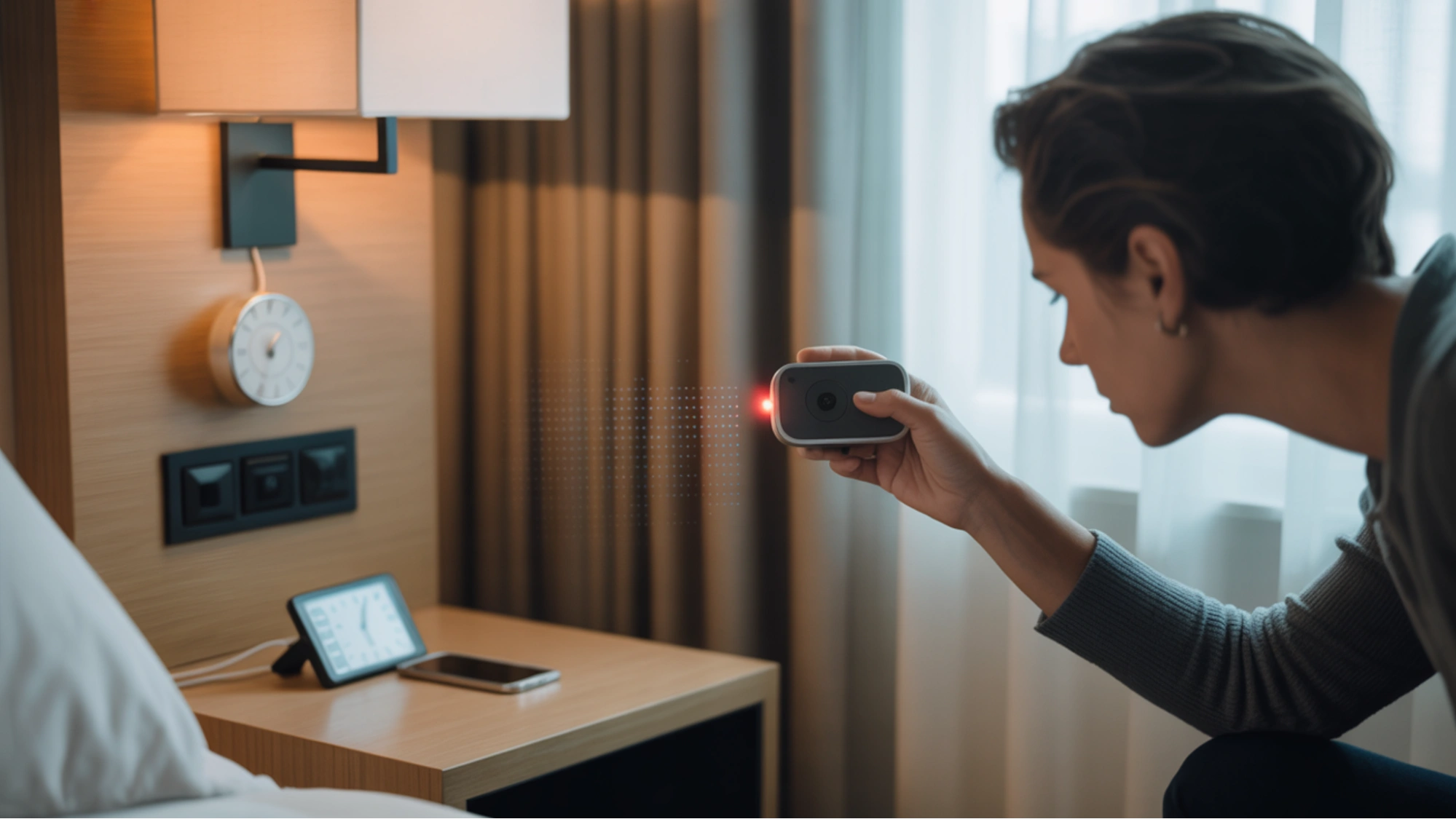
VideoraIQ provides a wide range of smart surveillance features, including:
- Intrusion and unauthorized access detection: Alerts when someone enters a restricted area.
- Object and unattended baggage detection: Useful for offices, malls, airports, and public spaces.
- Face recognition for identity and access control: Helps monitor entry points and known individuals.
- Line-cross or zone-breach alerts are ideal for securing sensitive rooms or pathways.
- Number-plate detection: Automates vehicle tracking for gated or commercial properties.
- Fire and smoke detection: Offers early visual warnings before traditional sensors react.
- Cashier or staff absence monitoring: Designed for retail environments to reduce theft and improve accountability.
Because it is cloud-based, VideoraIQ allows centralized monitoring across multiple locations, making it scalable from businesses to large enterprises.
Conclusion
Protecting your privacy is important to us. Hidden cameras have become easier to conceal. The Amera detector device allows you to take control of your personal space, whether you are traveling, renting an apartment, working in a sensitive environment, or simply ensuring your home remains private.
By understanding how these devices work, from RF detection and lens reflection to infrared scanning and network analysis, the right tool can be chosen for the intended application and used with confidence.
Most devices to find hidden cameras, combining the right detector with a careful visual sweep, can dramatically increase your safety and peace of mind.
Simultaneously, advanced technologies such as VideoraIQ demonstrate how responsible video surveillance can enhance security rather than invade it.
Together, personal privacy tools and intelligent video monitoring systems create a balanced approach to safety, empowering both individuals and organizations.
Staying aware is the best protection. With the right camera detector device and a proactive mindset, you can ensure that your private moments remain private.
FAQs
Can a camera detector device function through walls?
Most consumer-grade camera detectors cannot detect devices hidden behind thick walls or on solid surfaces. They are most effective when scanning open areas or objects with a direct line of sight. Professional tools may offer stronger detection, but they also have limitations with dense materials.
Do hidden cameras require Wi-Fi to function?
No. Many hidden cameras can record locally on an internal memory card without being connected to Wi-Fi. These types do not appear during a network scan, which is why combining multiple detection methods is important.
Can a smartphone replace a camera detector?
A smartphone can help with basic checks, such as spotting infrared lights or scanning Wi-Fi networks, but it cannot replace a dedicated detector. However, phones lack the RF sensitivity and lens-detection accuracy of actual camera-finding devices.
How often should I scan a room for hidden cameras?
If you travel frequently or stay in different rental spaces, a quick scan every time you check into a new room is recommended to ensure your safety. In home or office environments, monthly checks or scans after any maintenance visit can help maintain privacy.