

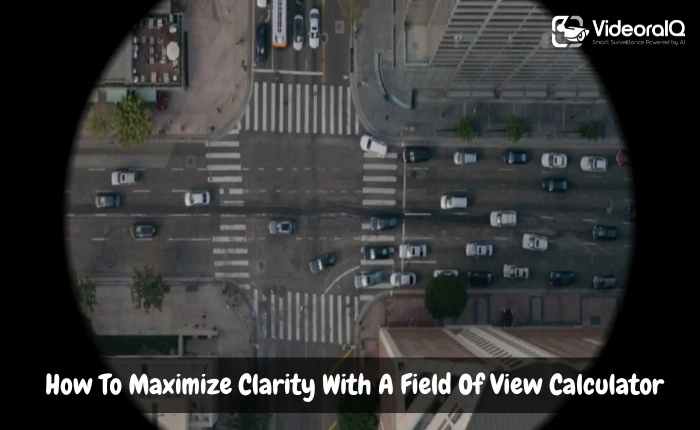
When working with cameras, whether for surveillance, robotics, computer vision, cinematography, or automation, the field of view calculator plays a crucial role in determining what your camera captures, what it misses, and how accurately your system interprets the scene.
Since FOV directly influences coverage, precision, and the overall imaging results, understanding it becomes essential for any visual setup.This is where a field of view calculator becomes indispensable. It helps determine exactly how much of the scene your camera can view based on lens focal length, sensor size, and distance from the subject.
In this blog, we’ll explore the importance of field of view in camera setups and how using the right camera field of view calculator can simplify planning, improve accuracy, and help you make smarter imaging decisions.
In a hurry? Listen to the blog instead!
What Is A Field Of View And Why Does It Matter?
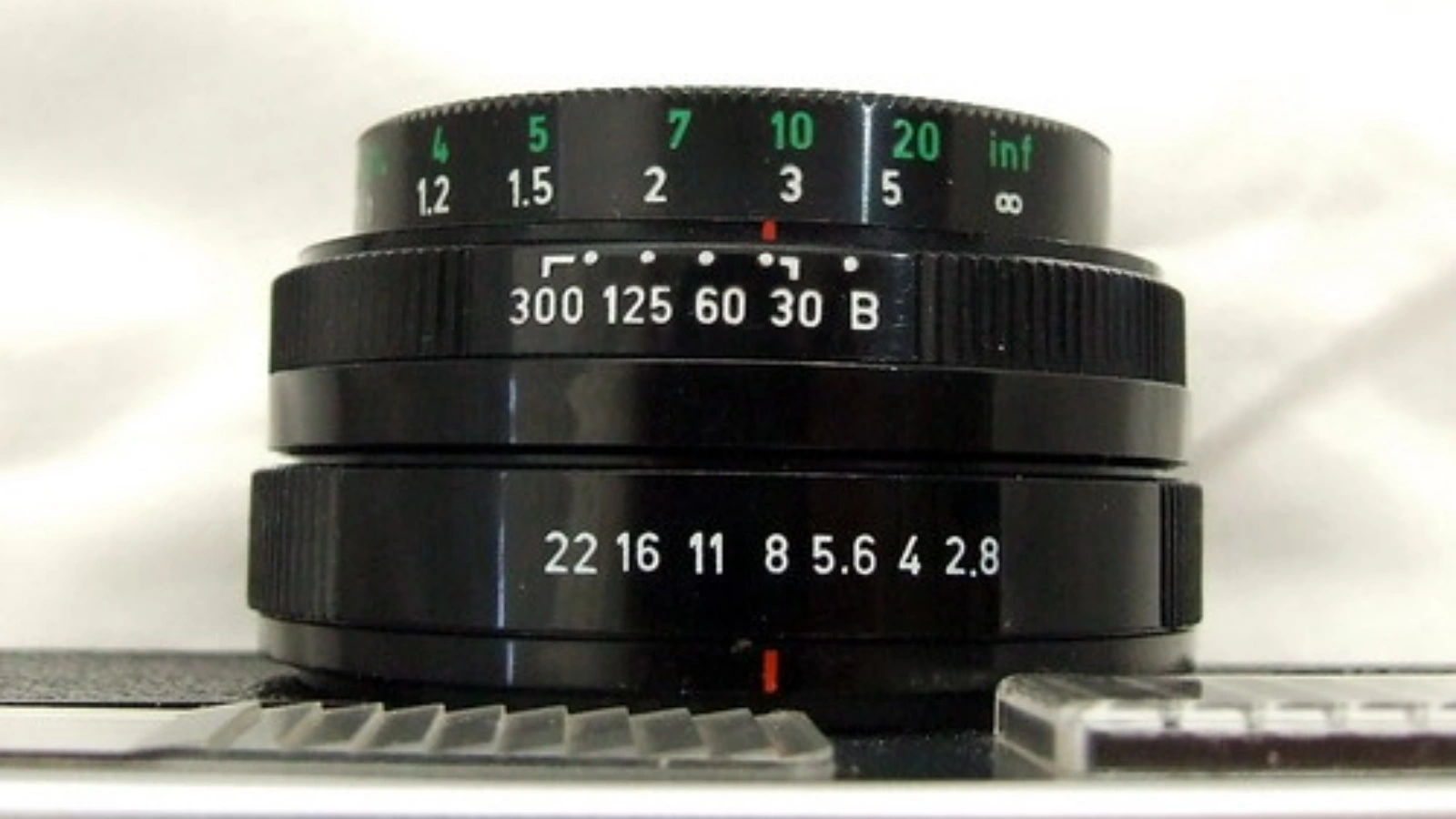
Field of view refers to the extent of the observable world captured by a camera at any given moment. It can be horizontal, vertical, or diagonal, depending on the application.
Understanding FOV is critical because it directly affects:
- How much area your camera can cover
- The level of detail captured (resolution across the scene)
- Distance-to-target requirements
- Object detection and tracking accuracy
- The number of cameras required for complete coverage
In simple terms, FOV decides what your camera sees and what it doesn’t.
Also Read:
How To Improve Safety With Commercial Security Camera Maintenance?
Why Do You Need A Field Of View Calculator?
Manually calculating a camera’s field of view requires understanding complex optical relationships between sensor size, focal length, distance, and lens type. Mistakes in these calculations can lead to missed areas, poor coverage, or suboptimal image quality.
A field of view calculator removes this guesswork, providing precise results instantly and helping you design an accurate camera setup.
A camera field of view calculator allows you to determine:
- Exact Scene Width and Height: Know precisely how much of the area will be captured at a given distance.
- Camera Coverage Validation: Ensure the camera will fully cover the desired area without gaps or blind spots.
- Lens Appropriateness: Determine if your current lens focal length is sufficient for the intended coverage.
- Lens Type Selection: Decide whether a wide-angle or telephoto lens is best for your project requirements.
- Optimal Camera Placement: Identify the ideal mounting height and angle to maximize efficiency and coverage.
This level of optimization becomes even more critical in automated systems, robotics, and smart surveillance solutions, where accurate vision directly impacts performance, safety, and operational efficiency.
How A FOV Calculator Improves Imaging Performance?
A Field of View (FOV) calculator plays a vital role in optimizing camera setups and ensuring accurate imaging, especially in applications like traffic monitoring cameras where precise coverage is critical. Its key benefits include:
Ensuring Target Objects Remain Fully Visible:
Calculates the exact coverage area so important subjects are captured completely, reducing missed details.
Minimizing Blind Spots:
Helps identify areas outside the camera’s view and adjusts placement or lens choice to ensure full scene monitoring.
Avoiding Excessive Zooming or Cropping:
Determines the ideal lens and positioning, reducing the need for digital zoom that can degrade image quality.
Enhancing Detection, Recognition, and Segmentation Accuracy:
Optimizes the FOV to ensure AI models or human operators capture sufficient detail for object recognition, behavior analysis, and scene segmentation.
Optimizing Camera Selection for Projects:
Guides users in selecting the right camera type, lens, and sensor size for specific coverage requirements.
Also Read:
The Role Of Field Of View In Modern Applications
Across industries, the importance of field of view in camera design continues to grow. Using a camera field of view calculator helps professionals optimize coverage, accuracy, and performance across multiple applications:
AI & Computer Vision:
FOV directly influences how effectively models detect objects, classify behaviors, or analyze complex scenes. With VideoraIQ, teams can simulate different FOV settings to determine the optimal coverage and improve detection accuracy before deploying cameras.
Surveillance & Security:
Accurate FOV calculations ensure complete coverage of entrances, corridors, and open spaces without blind spots. This helps security teams reduce risk, improve monitoring efficiency, and capture critical details like faces, license plates, or unusual activity.
Robotics & Automation:
Robots rely on precise FOV to navigate safely, identify obstacles, and interact with their environment. Correct FOV ensures higher task efficiency, fewer errors, and better human-machine collaboration.
Cinematography & Content Creation:
Lens FOV impacts framing, depth, and storytelling. Calculating the correct FOV helps filmmakers capture the intended scene composition, maintain subject focus, and enhance visual aesthetics.
Across all these domains, using a camera field of view calculator allows professionals to achieve precision, save time, and make data-driven decisions for better results.
How Does VideoraIQ Enhance Modern Surveillance With AI Video Intelligence?

In the world of surveillance, simply recording video isn’t enough. Modern security demands systems that can interpret visual data in real time, alert on critical events, and reduce the manual burden on security teams. That’s where VideoraIQ comes in; it transforms traditional CCTV feeds into intelligent video surveillance using cloud-based AI analytics.
Unlike tools that manually calculate camera field of view, VideoraIQ doesn’t interact with lens specifications or optical geometry. Instead, it works with the footage generated by your installed cameras to deliver actionable insights and automated alerts
Here’s how VideoraIQ enhances surveillance monitoring:
Real-Time AI Detection & Alerts:
VideoraIQ analyzes live video feeds with AI to instantly detect threats such as unauthorized access, intrusion events, or unexpected activity and alerts operators without lag.
Advanced Object & Behavior Recognition:
The platform identifies objects, faces, vehicles, and behavior patterns like unattended items or line crossing directly from video data, allowing faster response decisions.
Specialized Detection Modes:
VideoraIQ’s AI supports multiple detection types, including face recognition, vehicle/number plate detection, fire and smoke alerts, intrusion alarms, and more. These features make surveillance context-aware, not just passive recording.
Cloud-Based Monitoring:
Being cloud-hosted, the solution enables centralized monitoring across locations, scalable video analytics without heavy on-site hardware, and remote access to alerts and footage.
Searchable Events & Insights:
Rather than sifting through hours of footage, teams can quickly search for events of interest based on AI-identified activities, saving time and improving oversight quality.
By focusing on intelligent video interpretation rather than physical camera calibration, VideoraIQ helps businesses gain situational awareness and actionable security insights from existing camera infrastructure without the complexity of manual configuration.
Conclusion
A field of view calculator remains an essential tool for designing accurate and efficient camera setups, ensuring proper coverage, reducing blind spots, and maximizing visual clarity. While FOV calculations focus on optimizing the area a camera can capture, VideoraIQ complements this by transforming video footage into actionable insights using AI detection and analytics.
By leveraging VideoraIQ, security teams can automatically identify unusual activity, track objects, and receive real-time alerts, all without relying on manual monitoring or lens adjustments. Combining precise FOV planning with intelligent video interpretation ensures that every camera in your system delivers meaningful data, improves operational efficiency, and supports faster, more informed decision-making.
Choosing the right field of view and pairing it with advanced AI surveillance tools isn’t just advantageous, it’s critical for achieving professional-grade results in modern security and video monitoring applications.
FAQs
1. What factors influence a camera’s field of view?
Several elements impact FOV, including sensor size, focal length, lens type, and the distance between the camera and the target area. Environmental factors, such as lighting conditions and mounting height, can also affect how much of the scene is captured and how clearly objects appear.
2. Is a field of view calculator useful for both beginners and professionals?
Yes. Beginners can use it to get guidance on basic camera placement and lens selection, avoiding common setup mistakes. Professionals rely on it for precision planning, optimizing coverage, and designing advanced surveillance or imaging systems with maximum efficiency.
3. Does changing the lens affect the field of view?
Absolutely. Switching to a wide-angle lens increases the visible area but may reduce detail on distant objects. Using a telephoto lens narrows the scene but provides higher detail and zoom capabilities. Lens selection must align with the project’s coverage and accuracy requirements.
4. How do distance adjustments impact FOV results?
Increasing the distance between the camera and the target widens the visible scene but reduces detail and resolution. Reducing the distance narrows the field of view but enhances clarity, making it easier to capture fine details and ensure accurate detection or recognition.
5. Can a field of view calculator help reduce blind spots?
Yes. By accurately mapping camera coverage, an FOV calculator helps eliminate blind spots, optimize camera angles, and achieve full scene monitoring. This is especially critical in surveillance, industrial monitoring, and automated systems, where missed areas can result in security risks or operational errors.