

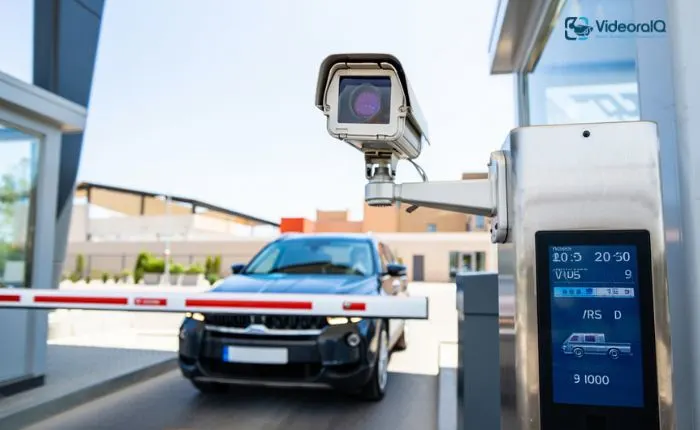
License Plate Recognition (LPR) technology is transforming the way vehicles are monitored and security is managed. By automatically detecting and recording vehicle license plates, LPR systems provide accurate, real-time data that enhances safety, controls access, and helps manage traffic efficiently.
Unlike manual monitoring, LPR reduces human error and ensures that every vehicle entering or exiting a facility is properly tracked. This makes it a vital tool for residential complexes, commercial properties, toll plazas, and law enforcement agencies.
Advanced platforms like VideoraIQ take LPR a step further by offering high-accuracy cameras, real-time alerts, and seamless integration with existing security systems. By combining automation with intelligent analytics, organizations can streamline monitoring while improving overall security.
You can listen to this blog here.
What is License Plate Recognition?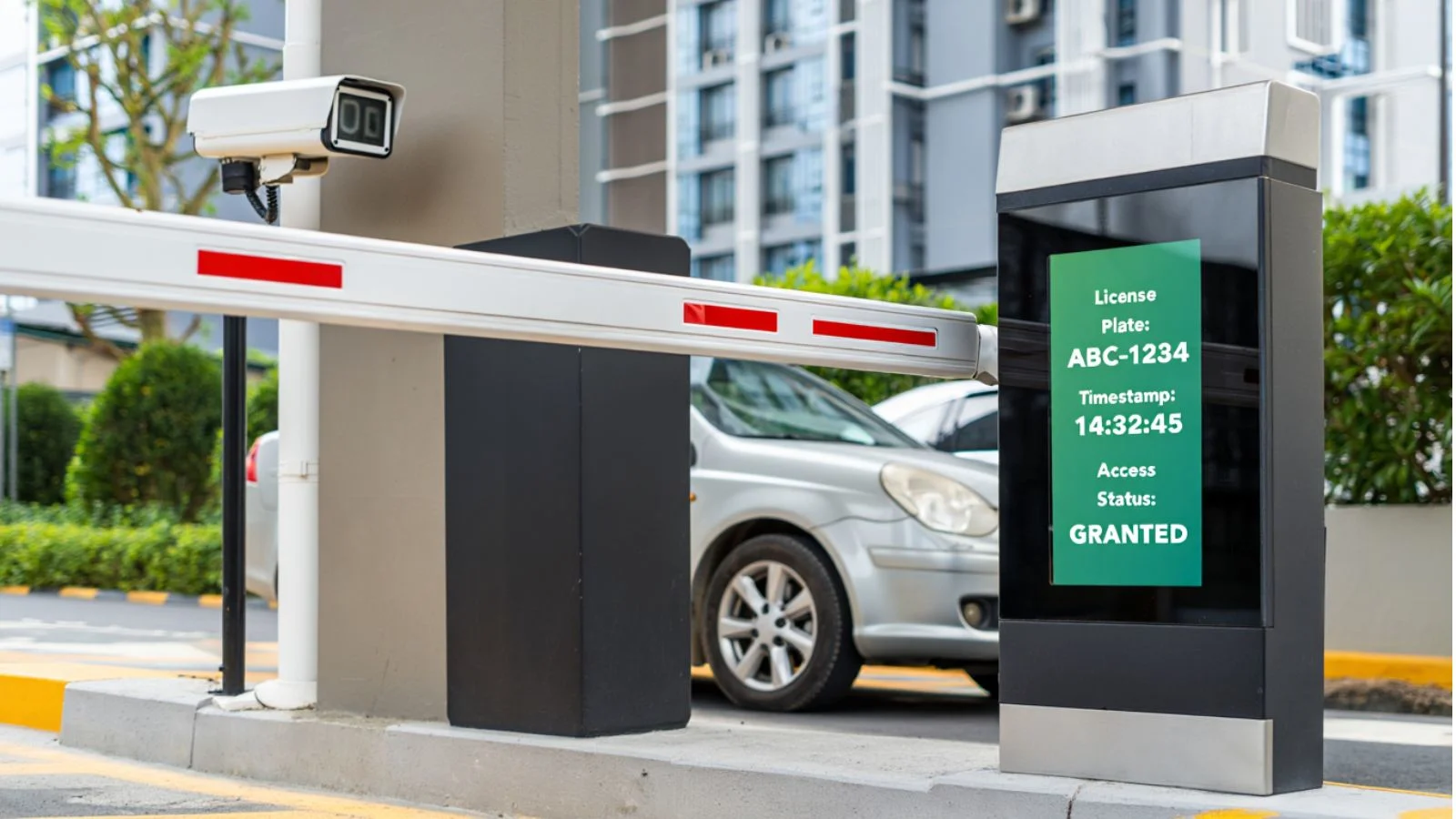
License Plate Recognition (LPR) is a technology designed to automatically identify and read vehicle license plates. Using a combination of cameras and specialized software, LPR systems capture the plate image, process it, and convert it into digital data that can be stored, analyzed, or used for real-time decision-making.
Unlike manual monitoring, which relies on human observation, LPR provides faster and more accurate results. It can identify vehicles entering or exiting a location, track movements, and even alert authorities or security teams if a vehicle matches a predefined database.
LPR technology is widely used across various applications, including traffic management, parking enforcement, gated community access, and law enforcement investigations. Its ability to operate continuously and capture data in real-time makes it an essential part of modern security infrastructure.
How Automated License Plate Recognition Works?
Automated License Plate Recognition (ALPR) systems combine cameras, software, and intelligent algorithms to identify vehicle plates without human intervention. The process begins with high-resolution license plate recognition cameras capturing images of passing vehicles. These images are then analyzed by software that detects the plate, reads the characters, and converts them into digital data.
Once captured, the system cross-references the plate information with databases to verify vehicle details, check for alerts, or log entries and exits. Advanced ALPR systems can process multiple vehicles simultaneously, even in low-light or fast-moving conditions, ensuring accuracy and efficiency.
The automation provided by ALPR reduces manual monitoring efforts and allows real-time decision-making. From controlling access in gated communities to aiding law enforcement, automated license plate recognition enhances security while saving time and resources.
Benefits of License Plate Recognition
License Plate Recognition (LPR) offers numerous advantages for both security and operational efficiency:
- Enhanced Security – LPR allows real-time monitoring of vehicles, helping prevent unauthorized access and detect suspicious activity. Security teams can respond quickly to potential threats.
- Efficient Access Control – Automated identification of vehicles reduces the need for manual checks, speeding up entry and exit at gated communities, offices, or parking facilities.
- Traffic and Parking Management – LPR systems help manage vehicle flow in busy areas, monitor parking occupancy, and optimize space usage.
- Crime Prevention and Investigation – By recording vehicle details, LPR provides valuable data for law enforcement investigations, making it easier to track stolen vehicles or identify offenders.
- Time and Cost Savings – Automation reduces reliance on human monitoring, saving time, labor, and operational costs while improving accuracy.
Overall, LPR systems improve safety, streamline operations, and provide actionable insights, making them essential for modern security infrastructure
VideoraIQ for LPR
VideoraIQ is a modern platform that enhances security by leveraging advanced license plate recognition technology. Its features make monitoring and managing vehicles simpler and more efficient for businesses, residential complexes, and law enforcement agencies.
Key Features of VideoraIQ for LPR:
- Real-Time Alerts – Instantly notify security teams when an unauthorized or flagged vehicle is detected, allowing quick action.
- Comprehensive Reporting – Store and analyze vehicle data for insights on traffic patterns, access history, and security events.
- Seamless Integration – Works with existing security infrastructure such as gates, alarms, and parking systems, making it easy to deploy without major changes.
- User-Friendly Dashboard – Provides an intuitive interface for monitoring multiple locations, reviewing footage, and managing alerts efficiently.
With VideoraIQ, organizations can implement an end-to-end LPR system that combines automation, intelligence, and real-time responsiveness to improve overall security and operational efficiency.
Common Use Cases of License Plate Recognition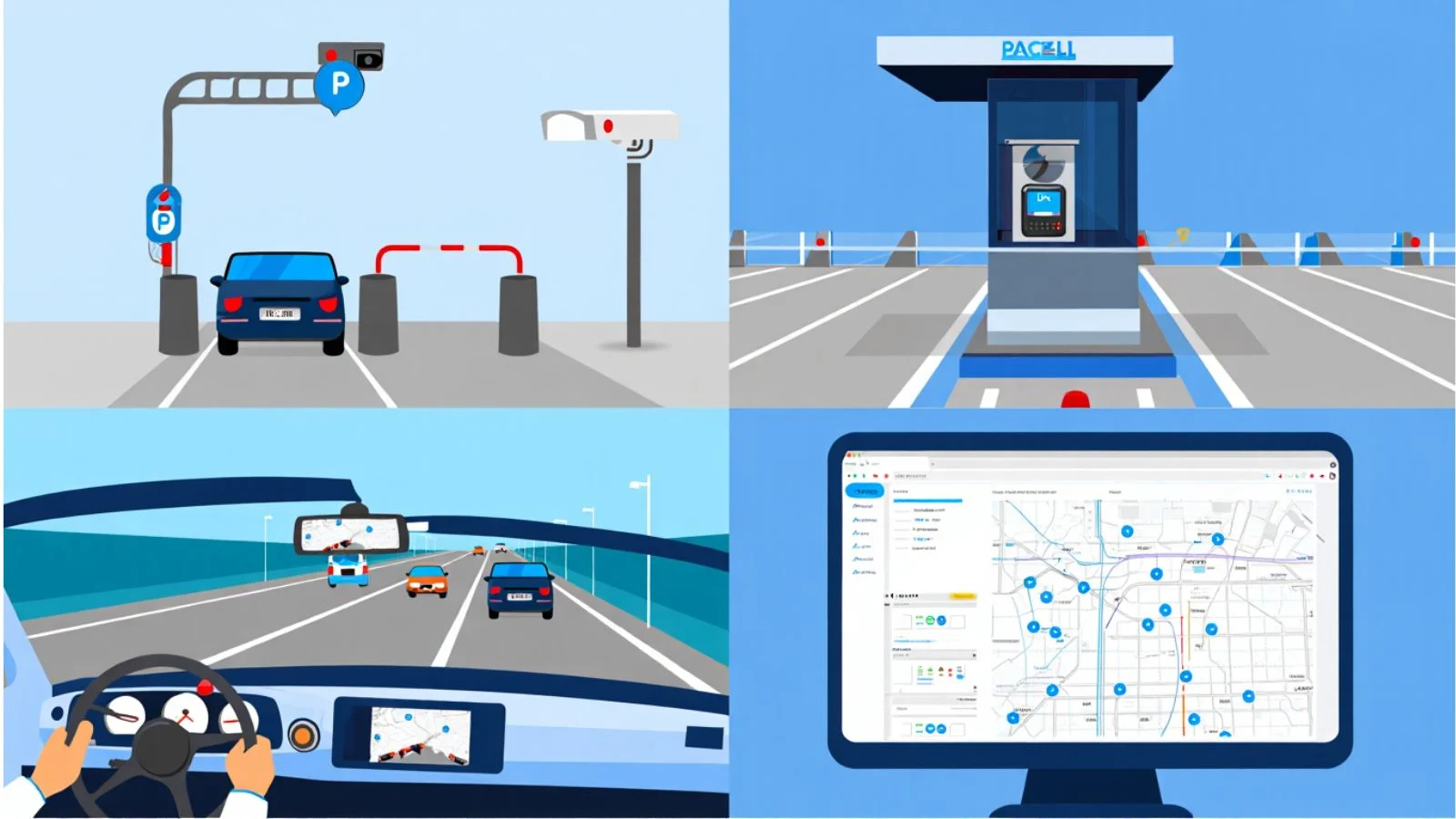
License Plate Recognition (LPR) technology is versatile and can be applied across a wide range of scenarios to enhance security and operational efficiency:
- Commercial Parking and Gated Communities – LPR systems automate vehicle entry and exit, ensuring only authorized vehicles are granted access while maintaining a detailed log of all entries.
- Toll Collection and Traffic Enforcement – Automated recognition speeds up toll collection, reduces congestion, and helps monitor traffic violations efficiently.
- Law Enforcement and Crime Tracking – LPR provides crucial data for tracking stolen vehicles, identifying suspects, and supporting investigations with precise vehicle movement records.
- Event Security and Restricted Access Areas – For large gatherings or sensitive sites, LPR ensures that only registered vehicles are allowed entry, enhancing safety and crowd management.
- Fleet Management – Companies with large vehicle fleets can monitor movement, optimize routes, and improve accountability through accurate LPR data.
These use cases demonstrate how LPR improves security, streamlines operations, and provides actionable insights across both public and private sectors.
Challenges and Considerations
While License Plate Recognition (LPR) technology offers significant advantages, there are some challenges and factors to consider when implementing a system:
- Accuracy in Different Conditions – Weather, lighting, and dirt on license plates can affect recognition. High-quality cameras and proper placement are essential to maintain reliability.
- Data Privacy and Storage – Captured license plate data must be handled securely to comply with privacy regulations and prevent misuse. Organizations need clear policies for storage, access, and retention.
- Cost and Integration – Implementing an LPR system can involve initial costs for cameras, software, and infrastructure. Ensuring compatibility with existing security systems is crucial for smooth operation.
- Maintenance and Updates – Regular maintenance of cameras and software updates is necessary to sustain optimal performance and accuracy over time.
By addressing these challenges thoughtfully, organizations can maximize the benefits of LPR systems while minimizing potential issues.
Future of License Plate Recognition
The future of License Plate Recognition (LPR) is closely tied to advancements in artificial intelligence, machine learning, and cloud-based technologies. These innovations are making LPR systems more accurate, efficient, and versatile than ever before.
- AI and Machine Learning Enhancements – Advanced algorithms improve recognition accuracy, even under challenging conditions like poor lighting or partially obscured plates. Machine learning also enables the system to adapt and improve over time.
- Cloud-Based LPR Systems – Storing and processing data in the cloud allows for centralized management, real-time monitoring from multiple locations, and seamless updates without heavy local infrastructure.
- Predictive Analytics – Future LPR systems will not only record vehicle data but also analyze patterns to predict traffic congestion, potential security threats, and vehicle movement trends.
- Integration with Smart Cities and IoT – LPR will play a key role in smart city initiatives, working alongside traffic management systems, parking solutions, and automated law enforcement tools to create safer, more efficient urban environments.
These advancements will make LPR an indispensable tool for both security and operational efficiency, with smarter insights and easier deployment for organizations of all sizes.
Also Read,
Conclusion
License Plate Recognition (LPR) has become a vital technology for enhancing security, managing traffic, and streamlining vehicle monitoring. By automating the identification and recording of license plates, LPR systems provide real-time, accurate data that improves safety, efficiency, and operational decision-making.
From commercial parking and gated communities to law enforcement and event security, LPR systems help organizations monitor vehicles effectively while reducing reliance on manual supervision. They not only enhance security but also offer actionable insights for traffic management, crime prevention, and access control.
Advanced platforms like VideoraIQ make it easy to implement LPR systems with high-accuracy cameras, real-time alerts, and intuitive dashboards. By leveraging automation and intelligent analytics, organizations can significantly improve both security and operational efficiency.
With continuous advancements in AI and cloud technologies, License Plate Recognition is set to become even smarter, more accurate, and an indispensable part of modern security infrastructure.
FAQ’s
- How accurate is automated license plate recognition?
Accuracy depends on camera quality, lighting, weather conditions, and software algorithms. High-quality LPR cameras and modern software can achieve very high recognition rates, even in challenging environments. - Can LPR cameras work in low-light conditions?
Yes. Many license plate recognition cameras are equipped with infrared or low-light capabilities, allowing them to capture clear images at night or in dimly lit areas. - Is VideoraIQ suitable for both commercial and residential security?
Absolutely. VideoraIQ offers flexible LPR solutions for a variety of applications, including gated communities, office complexes, parking lots, and law enforcement, providing high accuracy and easy integration.