

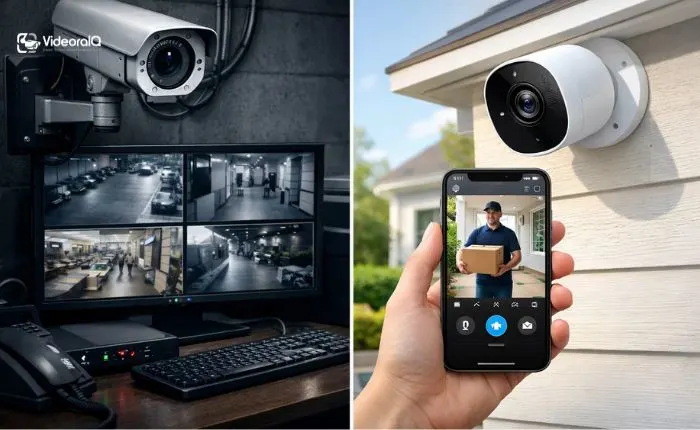
Choosing the right security solution for your home or business can feel overwhelming. CCTV video surveillance systems have been the gold standard for decades, but smart security cameras are quickly gaining popularity with their tech-savvy features and easy installation. As AI Video Surveillance Is Transforming Modern Security, businesses and homeowners now have access to smarter systems that don’t just record footage but actively analyze it to detect risks in real time. Both options promise to keep your property safe, but they work in fundamentally different ways. Understanding these differences will help you make an informed decision that matches your security needs, budget, and technical comfort level.
The security landscape has evolved dramatically over the past few years. What once required professional installation and expensive equipment can now be set up in minutes with a smartphone app. However, this convenience comes with trade-offs that many people don’t consider until after they’ve made their purchase. So let’s first find out more about video surveillance systems.
Listen To The Podcast Now!
Understanding CCTV Video Surveillance Systems:
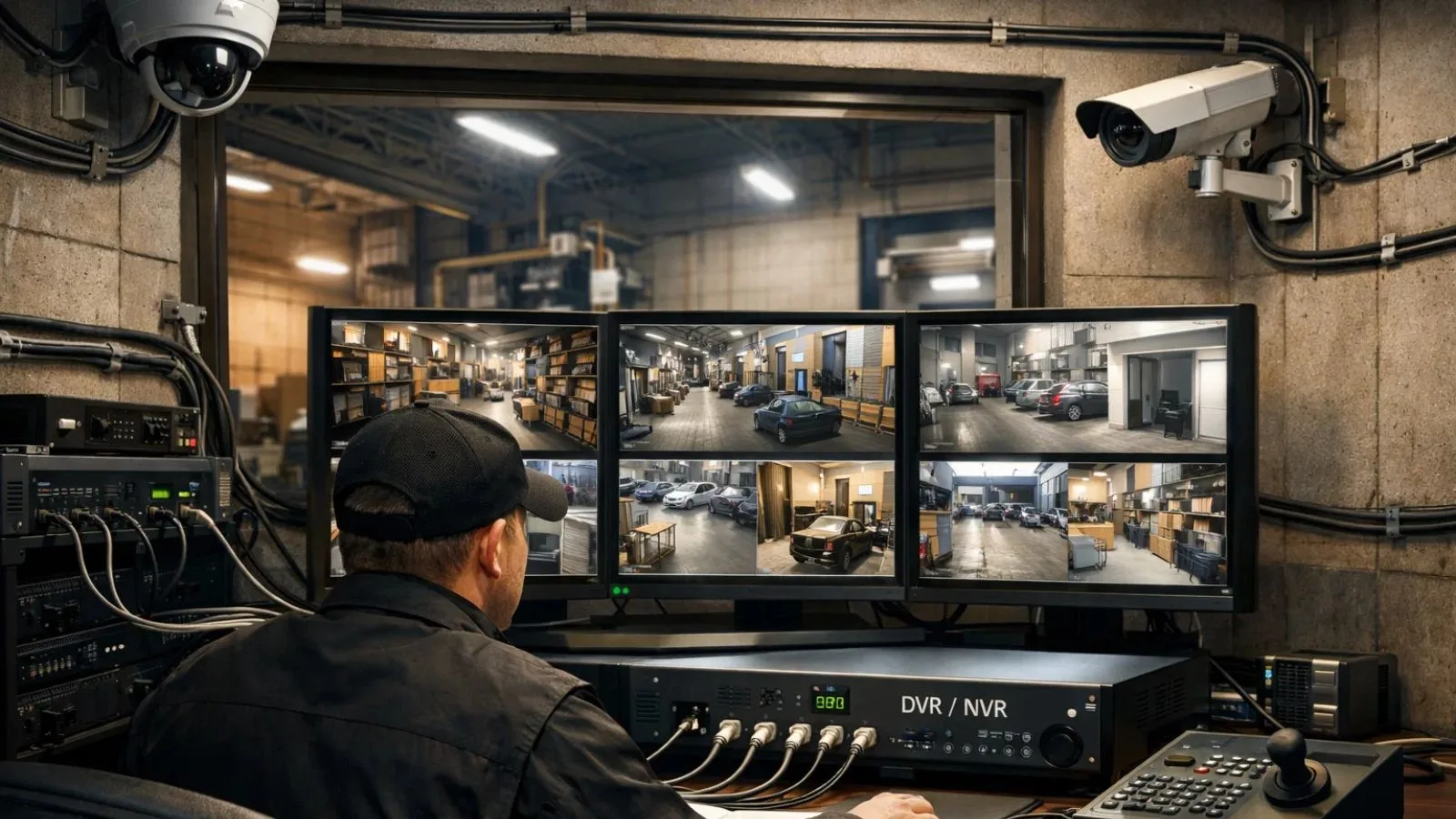
CCTV video surveillance refers to closed-circuit television systems where cameras transmit signals to a specific set of monitors or recording devices. These systems operate on a closed network, meaning the footage isn’t transmitted over the internet unless you specifically configure it that way.
Traditional CCTV video surveillance setups typically include multiple cameras connected via cables to a digital video recorder (DVR) or network video recorder (NVR). The footage is stored locally on hard drives, giving you complete control over your data. These systems are designed for 24/7 recording and can handle multiple camera feeds simultaneously without depending on your internet connection.
The reliability of CCTV video surveillance makes it a preferred choice for businesses, warehouses, retail stores, and high-security residential properties. Once installed, these systems run independently and don’t require monthly subscriptions or cloud storage fees. The footage quality remains consistent regardless of your internet speed, and there’s no risk of hackers accessing your cameras through online vulnerabilities.
What Makes Smart Security Cameras Different?
Smart security cameras represent the modern approach to home security. These devices connect directly to your Wi-Fi network and stream footage to your smartphone or computer through dedicated apps. They’re designed for simplicity; most models can be installed in under 30 minutes without professional help.
The standout feature of smart cameras is their accessibility. You can check live footage from anywhere in the world as long as you have an internet connection. Many models include two-way audio, allowing you to communicate with visitors or potential intruders. Motion detection alerts are sent directly to your phone, and some cameras can distinguish between people, animals, and vehicles using ai video surveillance technology.
However, smart cameras rely heavily on cloud storage for saving footage. While some offer local storage options through SD cards, the full functionality usually requires a monthly or annual subscription. These ongoing costs can add up, especially if you need multiple cameras around your property.
Installation and Setup Comparison:
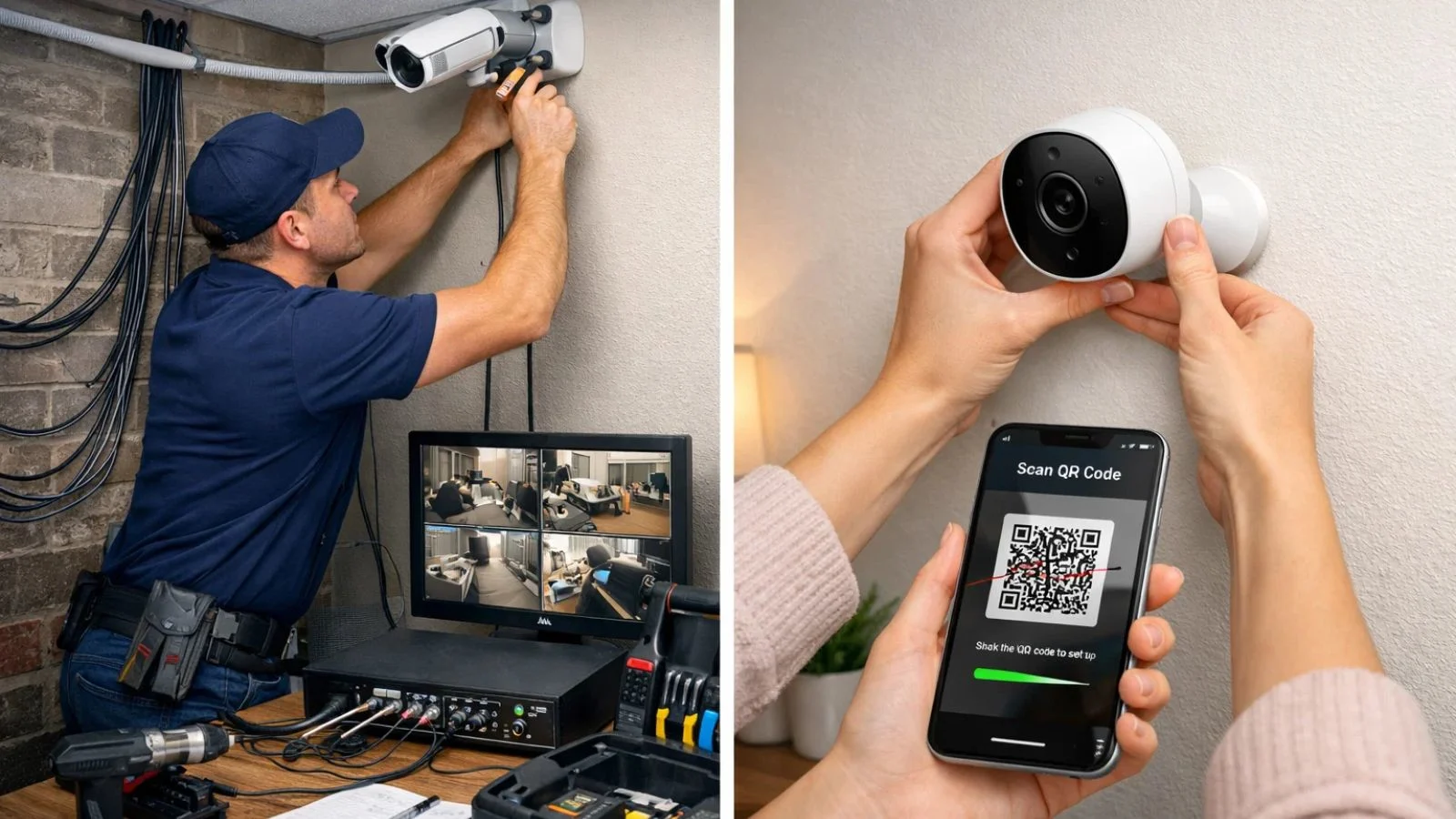
Installing CCTV video surveillance systems typically requires professional expertise. Running cables through walls, mounting cameras at optimal angles, and configuring the DVR/NVR system takes time and skill. The upfront installation cost can be significant, but once it’s done, the system runs without additional technical requirements.
Smart cameras win the convenience battle hands down. Most models are wireless and come with magnetic mounts or simple brackets. You download an app, scan a QR code, connect to your Wi-Fi, and you’re ready to go. This DIY approach saves money initially but may lead to suboptimal camera placement if you’re not familiar with security best practices.
Storage and Data Management:
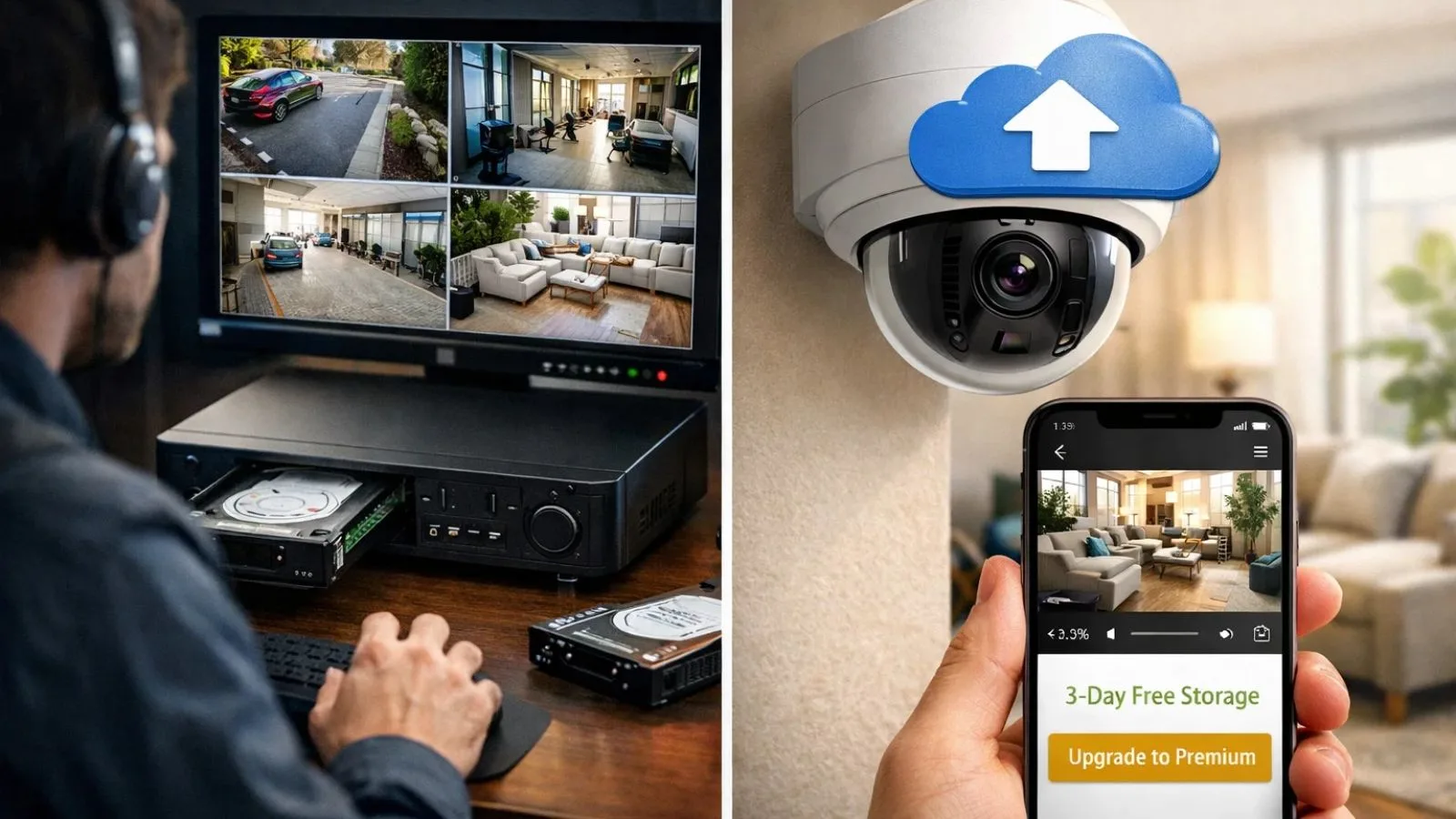
CCTV video surveillance systems store everything locally on hard drives. Depending on your storage capacity and video quality settings, you can retain footage for weeks or even months. This local storage means you own your data completely; there’s no third party involved in storing or managing your security footage.
Smart cameras typically use cloud storage, which offers both advantages and limitations. Cloud storage protects your footage even if someone steals or damages the camera. However, free tiers usually provide only a few days of storage, and premium plans can cost $10-30 per camera monthly. Over time, these subscription costs can exceed the initial price of the camera itself.
Cost Analysis: Initial Investment vs. Long-Term Expenses:
A basic CCTV video surveillance setup with four cameras, cables, and an NVR might cost $500-1,500 initially, plus installation fees if you hire professionals. After that, your only costs are occasional maintenance and hard drive replacements every few years. Smart security cameras appear cheaper upfront, with individual cameras ranging from $30-200. However, factor in subscription costs over five years, and a four-camera system could cost $1,200-3,600 in cloud storage fees alone. This doesn’t include the initial camera purchase.
Video Quality and Reliability:
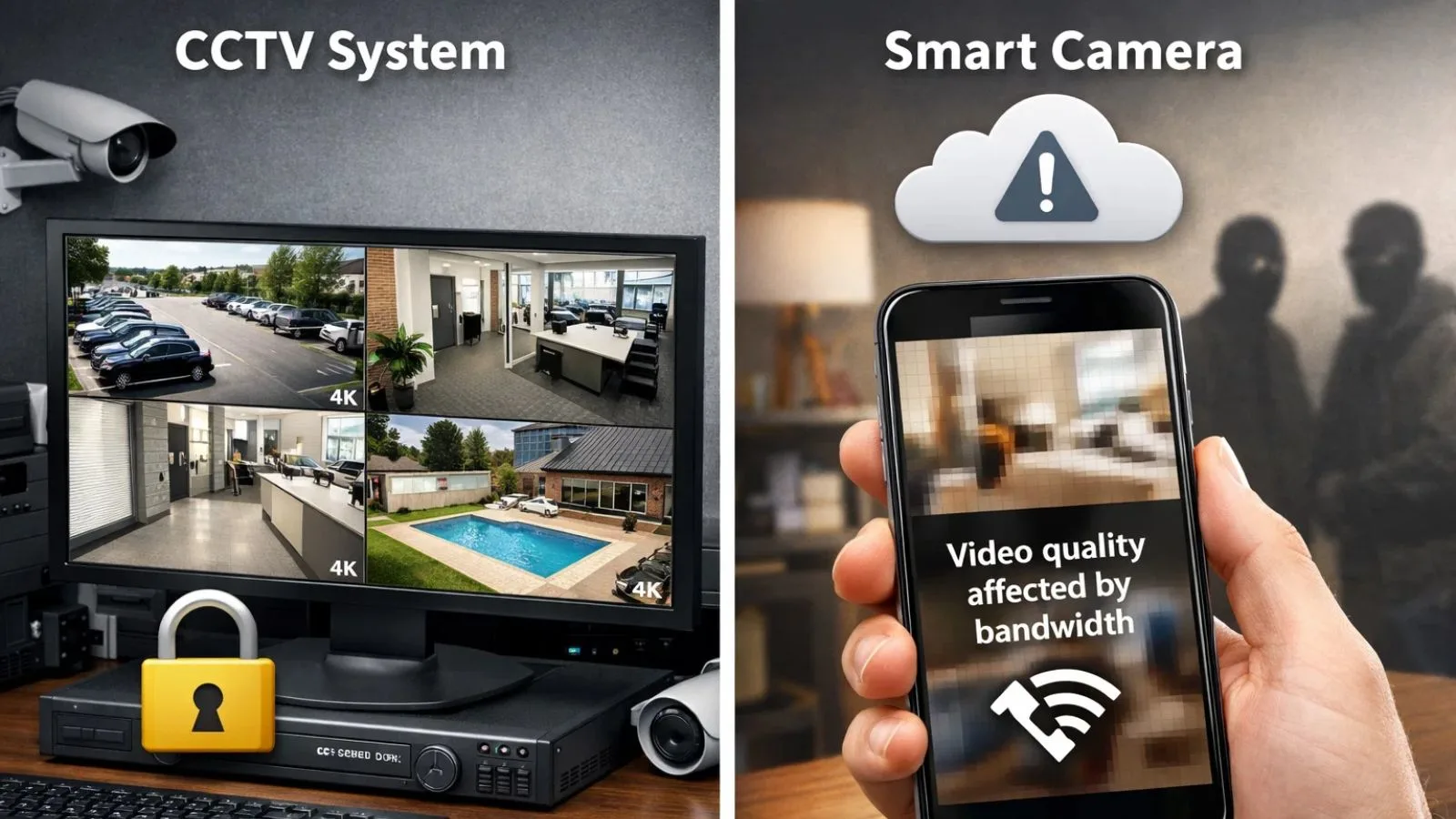
Modern CCTV video surveillance systems offer excellent video quality, with many supporting 4K resolution. Since they don’t depend on internet bandwidth, the footage quality remains consistent regardless of network congestion. These systems continue recording even during internet outages, ensuring no gaps in coverage.
Smart cameras compress video for internet transmission, which can affect quality depending on your upload speed. During peak internet usage hours, you might experience lag or reduced resolution. If your internet goes down, most smart cameras stop functioning entirely, leaving you vulnerable.
Security and Privacy Considerations:
CCTV video surveillance systems are inherently more secure because they operate on closed networks. Without internet connectivity, hackers can’t access your cameras remotely. Your footage stays on your property, reducing privacy concerns about data breaches or unauthorized access.
Smart cameras face legitimate cybersecurity risks. Poorly secured devices can be hacked, giving strangers access to your home’s interior. Cloud storage means trusting a company with sensitive footage of your property and family. While reputable manufacturers implement strong encryption, data breaches remain a possibility.
Also Read:
How AI Video Surveillance Is Transforming Modern Security Systems
How VideoraIQ Enhances Your Security Infrastructure?
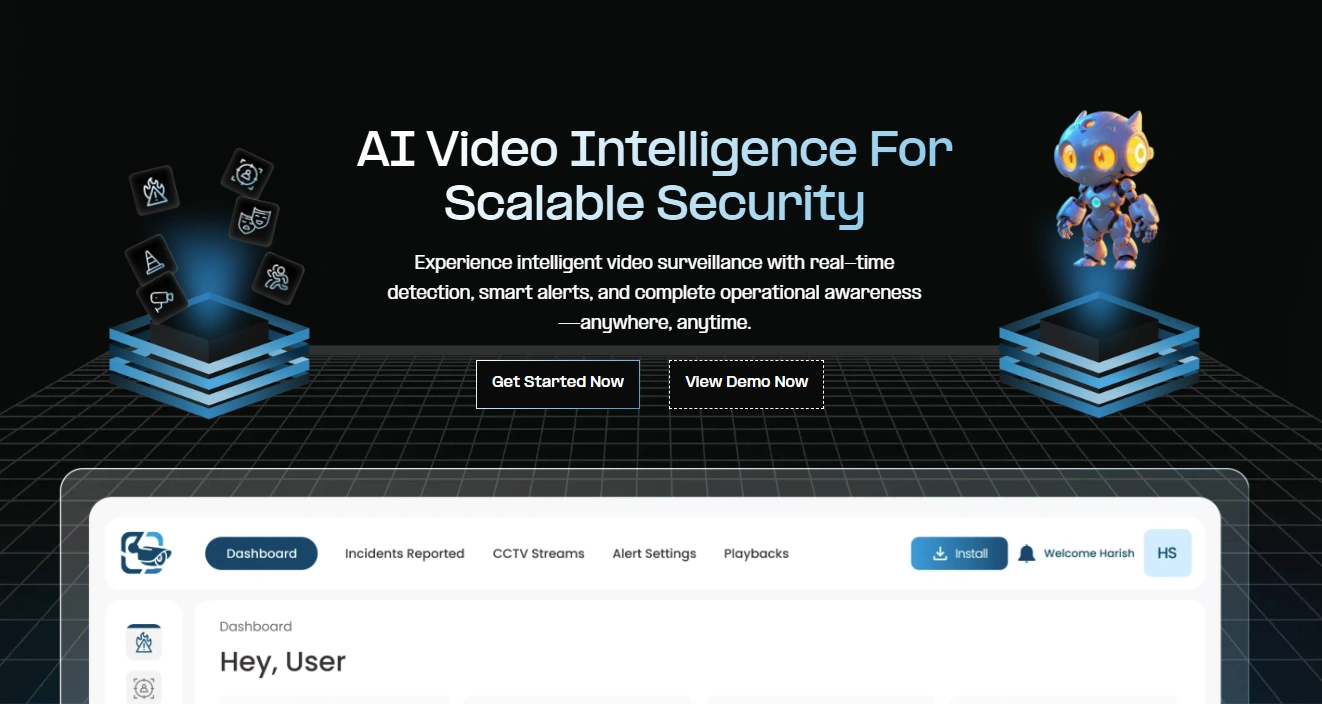
Managing security footage effectively requires more than just recording cameras. VideoraIQ offers a comprehensive video surveillance tool that transforms raw footage into actionable intelligence.
Whether you’re running traditional CCTV video surveillance or managing multiple camera types, VideoraIQ’s video surveillance software bridges the gap between basic recording and advanced security management.
The platform excels at organizing footage from various sources into a unified dashboard. Instead of checking multiple apps or DVR interfaces, you get a centralized view of all your cameras. VideoraIQ’s intelligent search capabilities let you find specific events in seconds rather than scrubbing through hours of footage manually.
VideoraIQ stands out with its advanced AI capabilities. It can:
- Detect fire, smoke, or unusual activity in real time.
- Recognize and track visitors automatically.
- Generate instant alerts for suspicious events.
- Analyze activity patterns to provide actionable insights about your property’s safety.”**
If you want, I can also make an even punchier version suitable for marketing, highlighting the AI benefits in a few impactful lines. Do you want me to do that?
For businesses monitoring multiple locations, this level of insight proves invaluable for loss prevention and operational efficiency.
Integration is seamless regardless of your existing setup. VideoraIQ works with both legacy CCTV video surveillance systems and modern smart cameras, making it ideal for properties undergoing security upgrades or managing mixed camera deployments.
Making Your Decision:
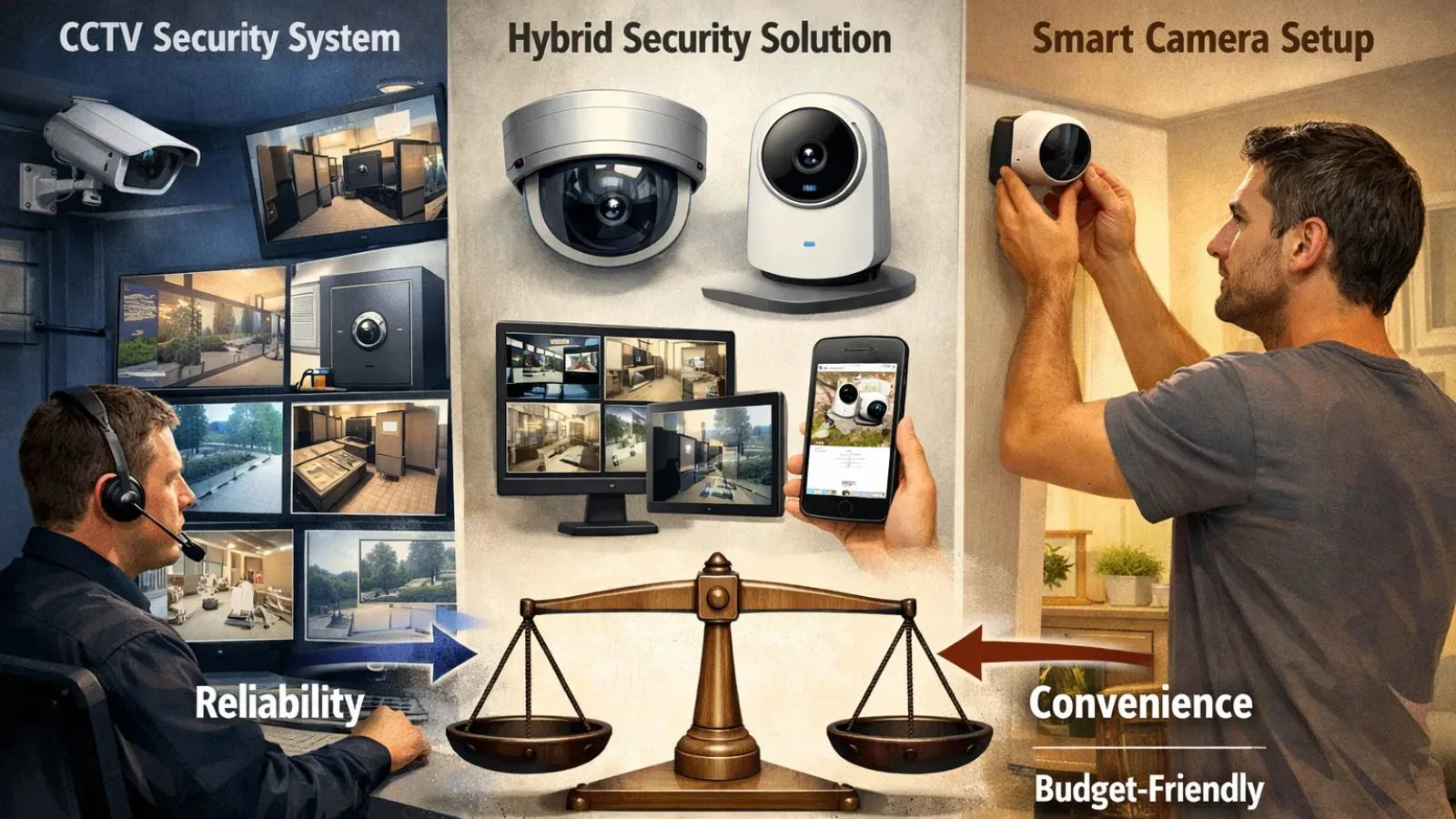
Choosing between CCTV video surveillance and smart security cameras depends on your specific situation. Consider CCTV video surveillance if you need reliable 24/7 recording, have multiple areas to monitor, want complete data control, prefer one-time costs over subscriptions, or require a system that works without internet.
Smart cameras make more sense if you’re renting and can’t run cables, want easy access from your smartphone, need quick DIY installation, have a limited budget initially, or only need to monitor one or two areas.
Many property owners find a hybrid approach works best. Critical areas like entrances and safes get hardwired CCTV video surveillance, while less sensitive spots use smart cameras for convenience. This combination provides comprehensive coverage while balancing cost, reliability, and accessibility.
Conclusion:
Both CCTV video surveillance systems and smart security cameras offer valuable protection, but they serve different needs. Traditional CCTV provides unmatched reliability and data security, while smart cameras deliver convenience and remote accessibility. Your choice should reflect your property type, budget, technical comfort level, and security priorities. Consider starting with your most critical security needs and expanding from there.
FAQ’s:
Q1: Can CCTV systems be accessed remotely like smart cameras?
Ans: Yes, modern DVR/NVR systems can connect to the internet for remote viewing, but they don’t require it to function.
Q2: Are smart cameras secure enough for business use?
Ans: They can be, but choose enterprise-grade models with strong encryption and avoid consumer-grade cameras for sensitive areas.
Q3: How much storage do I need for continuous recording?
Ans: For four 1080p cameras recording 24/7, expect to need 1-2TB per month depending on compression settings.
Q4: Do smart cameras work during power outages?
Ans: Most don’t unless connected to battery backup or UPS systems, unlike CCTV systems with dedicated power solutions.