

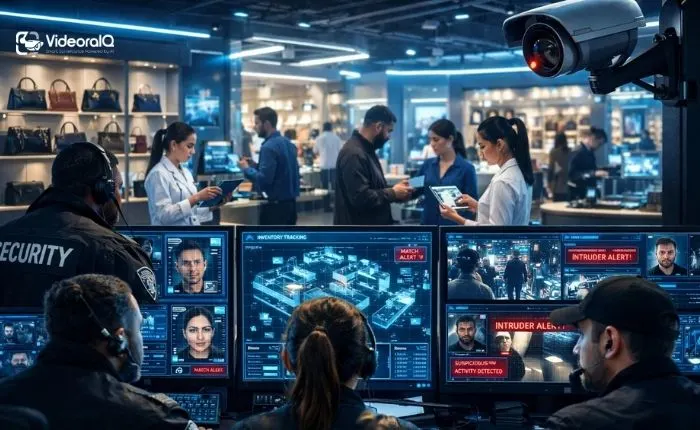
Organized retail crime has evolved from simple shoplifting into a sophisticated billion-dollar industry that’s crippling retailers across the globe. These aren’t random acts by desperate individuals; they’re calculated operations run by criminal networks that target high-value merchandise, resell it through online marketplaces, and leave businesses struggling with massive losses.
As we move through 2026, the threat has never been more pressing, and retailers must enhance business security with smart surveillance to fight back effectively. The financial impact is staggering. Retailers lose tens of billions annually to these coordinated attacks, and the problem extends far beyond missing inventory.
It affects pricing for honest customers, puts employees at risk, and drains resources that could be invested in growth. But there’s hope. The same technological advances that criminals exploit can be turned against them. From artificial intelligence to predictive analytics, retailers now have access to tools that can identify, prevent, and prosecute these crimes more effectively than ever before.
Listen To The Podcast Now!
Let’s Understand the Scope of Organized Retail Crime:
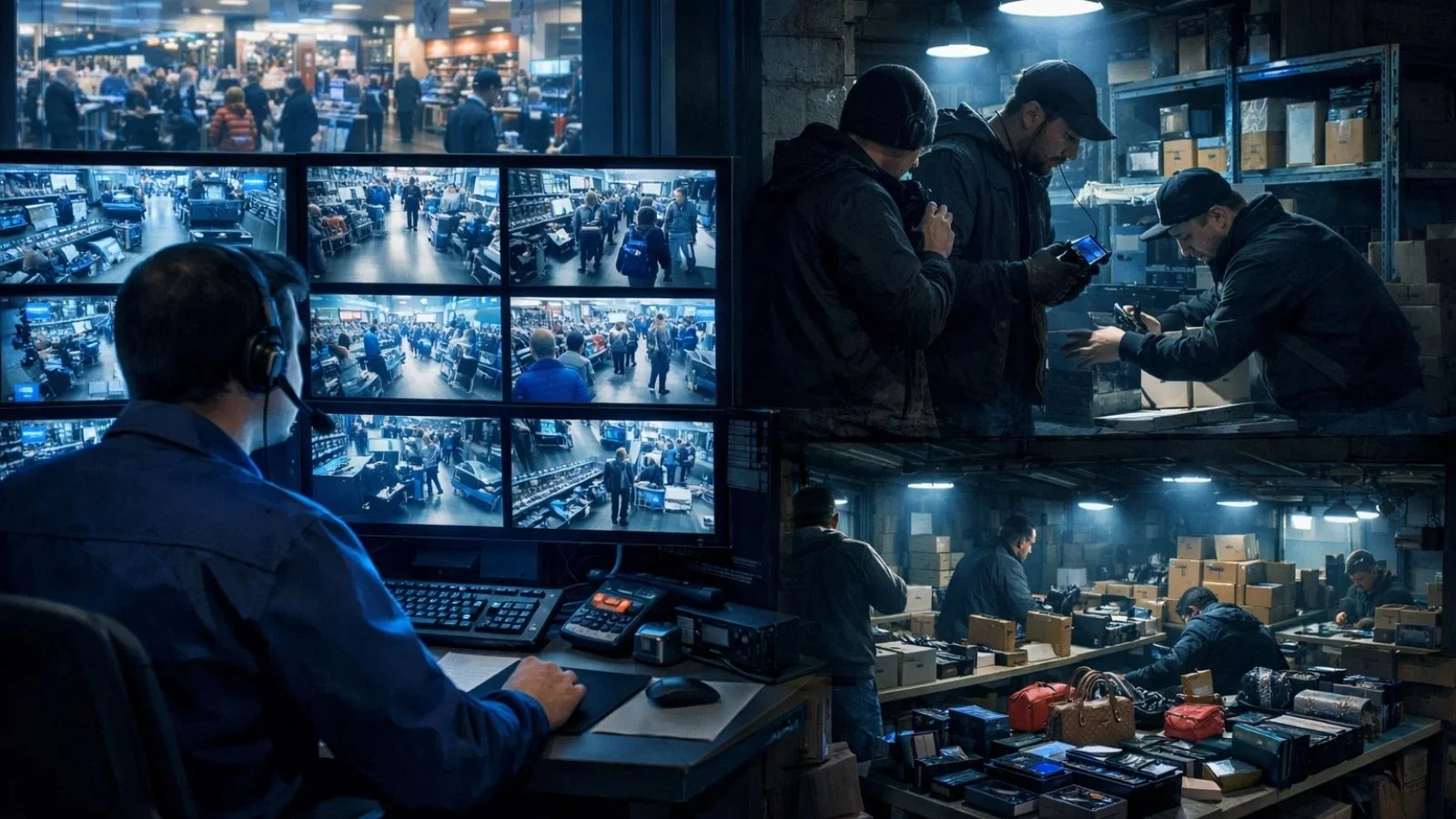
Before diving into solutions, it’s crucial to understand what we’re up against. These aren’t isolated incidents; they’re systematic operations involving multiple criminals working together to steal merchandise at scale. The stolen goods typically end up on online marketplaces, flea markets, or even back in legitimate-looking storefronts.
The criminals operate with military precision. They conduct surveillance, identify vulnerabilities in store security, recruit teams of boosters, and have sophisticated distribution networks ready to move products quickly. What makes this particularly challenging is how these groups adapt. When retailers implement new security measures, criminal organizations quickly adjust their tactics, creating a constant cat-and-mouse game.
Technology-Driven Solutions for 2026:
1. Artificial Intelligence and Machine Learning:
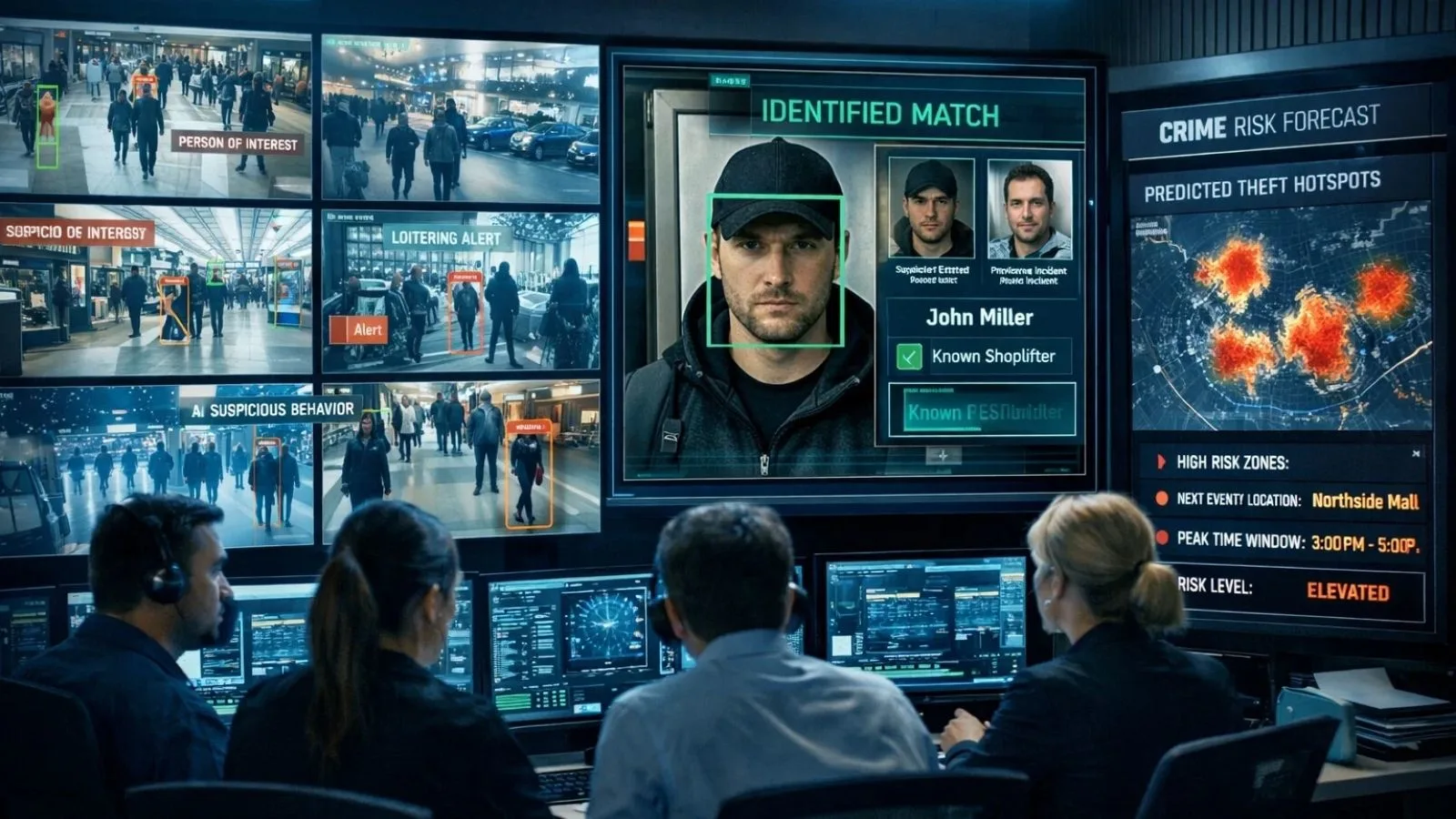
AI has become a game-changer in fighting organized retail crime. Modern systems can analyze hours of footage in minutes, identifying suspicious patterns that human observers might miss. These intelligent orc systems learn what normal shopping behavior looks like and flag anomalies, such as someone making multiple trips to the same high-value section, groups splitting up strategically, or individuals spending unusual amounts of time near exit points.
Machine learning algorithms can also predict when and where the next attack might occur. By analyzing historical data, these systems identify patterns in timing, targeted products, and methods of operation. This allows retailers to allocate security resources more effectively.
2. Advanced Video Analytics:
Video surveillance has evolved far beyond simple recording. Today’s systems provide real-time alerts, facial recognition capabilities, and behavioral analysis that transform cameras from passive observers into active defenders. These systems can track individuals across multiple camera angles, recognize repeat offenders, and even identify when someone is concealing merchandise.
The power of modern video analytics lies in its ability to process information instantly. Security teams receive immediate notifications when suspicious activity occurs, allowing them to respond before criminals leave the premises. This proactive approach has proven far more effective than reviewing footage after incidents.
Collaborative Approaches and Data Sharing:
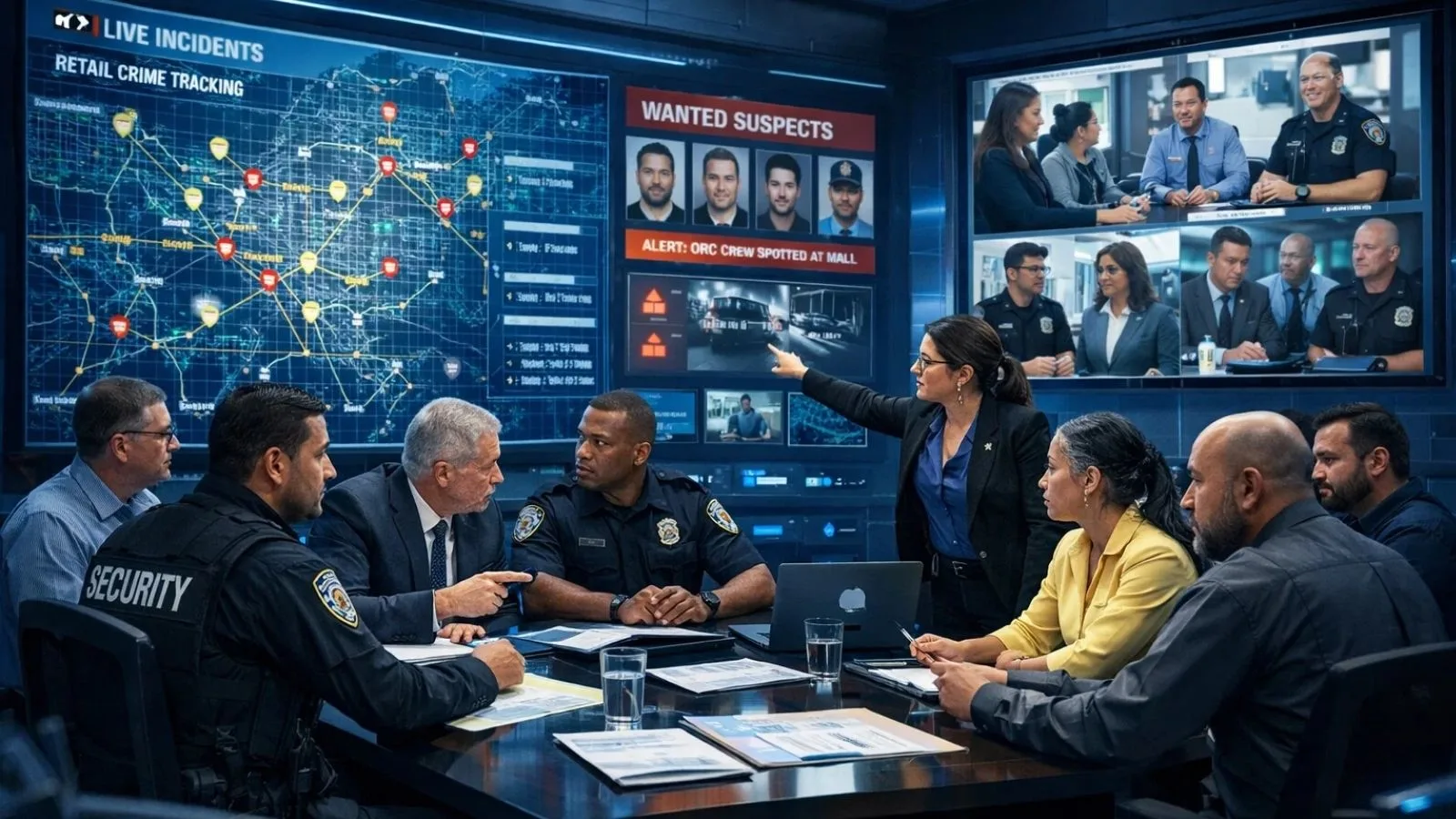
One of the most effective weapons against organized retail crime is collaboration. Retailers who once viewed each other solely as competitors now recognize that they share common enemies. Industry-wide data sharing platforms allow stores to report incidents, share images of known offenders, and alert each other about active criminal operations in real-time.
Law enforcement partnerships have also strengthened. Progressive police departments now have dedicated units that specialize in orc investigation, working directly with retail loss prevention teams.
These partnerships enable faster response times, better evidence collection, and more successful prosecutions. Regional task forces bring together retailers, law enforcement, and prosecutors to coordinate responses across jurisdictions, disrupting criminal networks more effectively than isolated efforts.
Operational Tactics That Work:
1. Employee Training and Awareness:
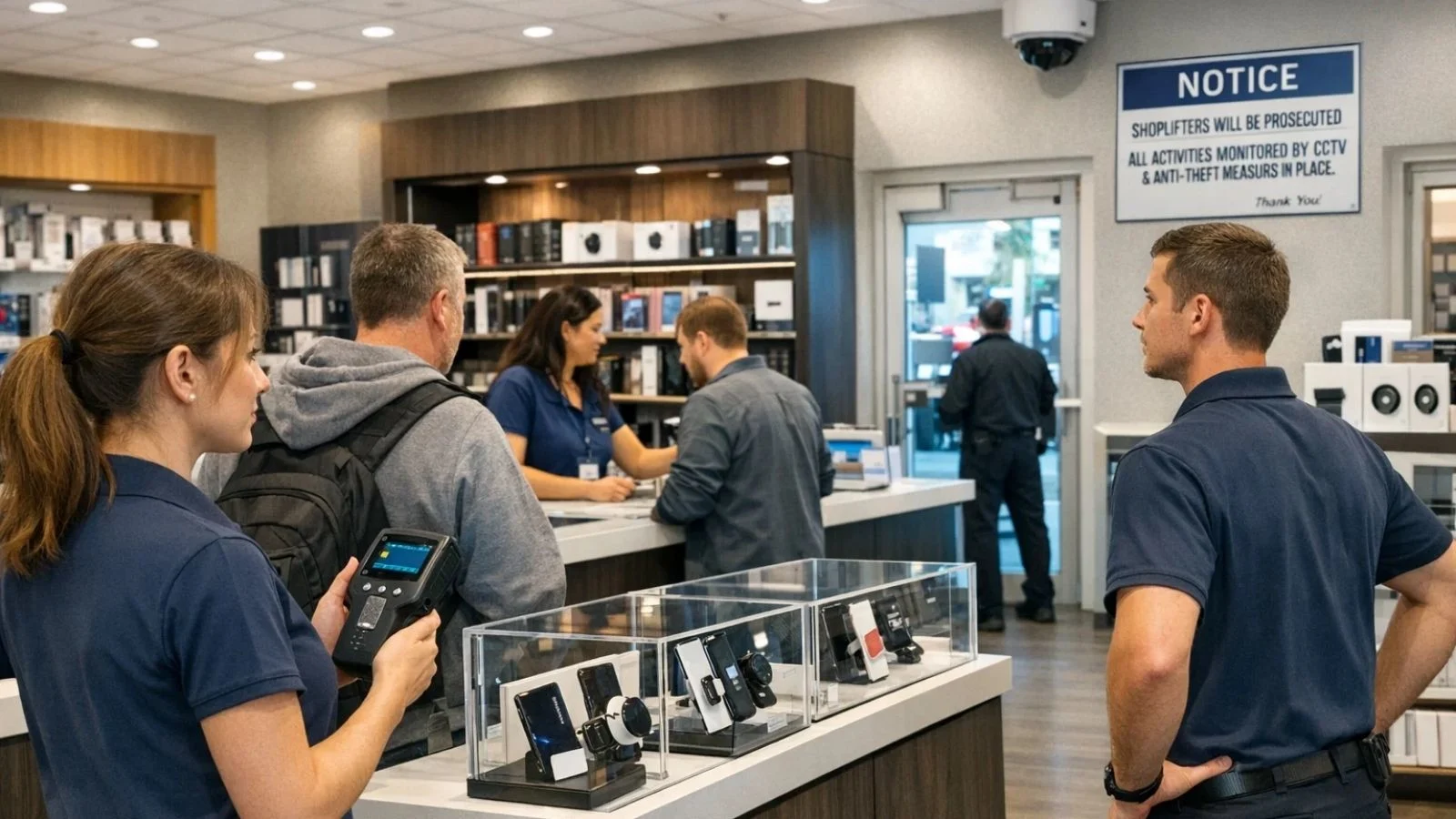
Your frontline employees are your first line of defense. Comprehensive training programs teach staff how to recognize the warning signs of organized theft operations. This includes understanding how boosters behave differently from typical shoplifters, identifying distraction tactics, and knowing how to report suspicious activity safely.
Training shouldn’t be a one-time event. Regular refresher courses keep security awareness top-of-mind, and sharing recent incidents helps employees understand the real-world impact. When staff members feel empowered and educated, they become active participants in loss prevention.
2. Strategic Product Placement and Store Design:
Physical deterrents still matter. Strategic store layouts that eliminate blind spots, improve sightlines for staff, and thoughtful product placement all contribute to reducing theft opportunities. High-value items should be positioned where they’re easily monitored, and exit routes should be designed to minimize quick escape opportunities.
Some retailers have adopted creative approaches like displaying security-tagged samples while keeping actual inventory in secure areas. Others use locking cases for frequently targeted items, balancing security with customer experience.
3. RFID and Smart Tagging:
Radio-frequency identification technology has matured into a powerful tool against organized retail crime. Modern RFID tags are smaller, cheaper, and more difficult to defeat than ever before.
They allow retailers to track inventory in real-time, immediately identifying when products leave the store without being properly deactivated. When integrated with point-of-sale systems and video analytics, RFID creates a comprehensive picture of product movement.
Also Read:
How To Enhance Business Security With Smart Surveillance?
How Is Ai Used In Surveillance? 7 Ways It’s Transforming Security
How VideoraIQ Strengthens Your Defense:

When it comes to implementing a comprehensive security solution, VideoRaIQ stands out as a powerful ally in the fight against retail crime. This advanced platform combines artificial intelligence with intuitive video management to provide retailers with actionable intelligence exactly when they need it.
VideoRaIQ’s strength lies in its ability to transform raw surveillance footage into meaningful insights. The platform uses sophisticated algorithms to detect unusual patterns, track individuals across multiple locations, and alert security teams to potential threats in real-time.
Unlike traditional systems that simply record events, VideoRaIQ actively analyzes behavior and context to distinguish between normal shopping activity and coordinated theft operations. The platform integrates seamlessly with existing security infrastructure, meaning retailers don’t need to completely overhaul their current systems.
It works with various camera types and can scale from single-location stores to enterprise-level retail chains. The cloud-based architecture ensures that security teams can monitor multiple locations from anywhere, responding to incidents instantly.
What makes VideoRaIQ particularly valuable for combating organized retail crime is its ability to identify repeat offenders and track patterns across time. This capability is invaluable for the orc in business environments where criminal organizations send different boosters on successive raids.
The reporting features also streamline the process of working with law enforcement, quickly compiling evidence packages with relevant footage, timestamps, and contextual information that’s crucial for successful prosecutions.
Emerging Technologies and Best Practices:
Looking beyond 2026, several promising technologies are emerging. Predictive analytics powered by big data can forecast theft patterns with increasing accuracy. Biometric systems are becoming more sophisticated and privacy-conscious, offering ways to identify known offenders without creating concerns about customer privacy.
While technology offers powerful tools, retailers must navigate legal considerations carefully. Privacy laws vary by jurisdiction, and the use of facial recognition, data sharing, and surveillance must comply with local regulations.
Documentation is critical; every security measure, incident, and response should be properly recorded for pattern identification and legal evidence. Retailers should also consider the customer experience carefully.
Excessive security measures can create an unwelcoming environment that drives away legitimate shoppers. The goal is to create sophisticated systems that operate mostly in the background, protecting merchandise without making honest customers feel suspicious or inconvenienced.
Conclusion:
Organized retail crime represents one of the most significant challenges facing retailers in 2026, but it’s not insurmountable. By combining advanced technology like AI-powered analytics and comprehensive surveillance systems with smart operational tactics and collaborative approaches, retailers can significantly reduce their losses and create safer environments for both staff and customers.
The key is recognizing that this requires a layered approach addressing vulnerabilities from multiple angles, technological, operational, and collaborative. As criminal tactics evolve, so must our defenses. Retailers who invest in modern security solutions and stay informed about emerging threats will be best positioned to protect their businesses.
FAQ’s:
Q1: How is organized retail crime different from regular shoplifting?
Ans: Organized retail crime involves coordinated groups working together to steal merchandise for resale, often using sophisticated tactics and targeting high-value items systematically. Regular shoplifting is typically opportunistic and involves individuals acting alone.
Q2: What products are most commonly targeted?
Ans: High-value, easily resold items like electronics, designer clothing, cosmetics, infant formula, razor blades, and over-the-counter medications are frequently targeted because they’re easy to transport and have reliable resale markets.
Q3: Can small retailers afford advanced security technology?
Ans: Many modern security solutions offer scalable pricing models designed for businesses of all sizes. Cloud-based systems often require minimal upfront investment, and the cost of prevention is typically far less than the cost of ongoing losses.