
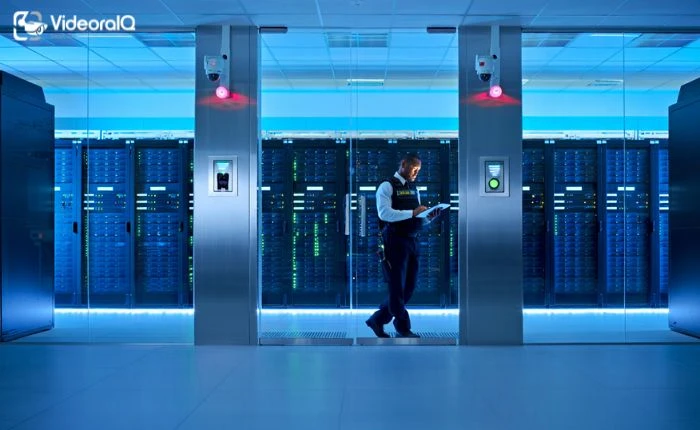
Day by day, security risks are evolving. Just keeping an eye on everything might seem the solution to this, but it’s not easy to keep up. Businesses and organisations need to stay ahead by identifying vulnerabilities and planning effective measures. In such a case, risk assessment plays a key role in modern security systems, allowing teams to anticipate potential incidents and take proactive steps before problems arise.
The modern security solution extends beyond just installing cameras or alarm systems. Thanks to AI technology, the system itself has gained the ability to understand risks, evaluate threats, and respond efficiently. With tools like video surveillance and AI-driven analytics, security teams can monitor assets in real time, make informed decisions, and maintain safer environments.
By integrating traditional security methods with advanced technology, risk assessment transforms security from reactive to proactive. It ensures better protection for personnel, assets, and operations while enabling smarter, data-driven decision-making.
You can listen to this Blog here.
What Is Risk Assessment in Security?
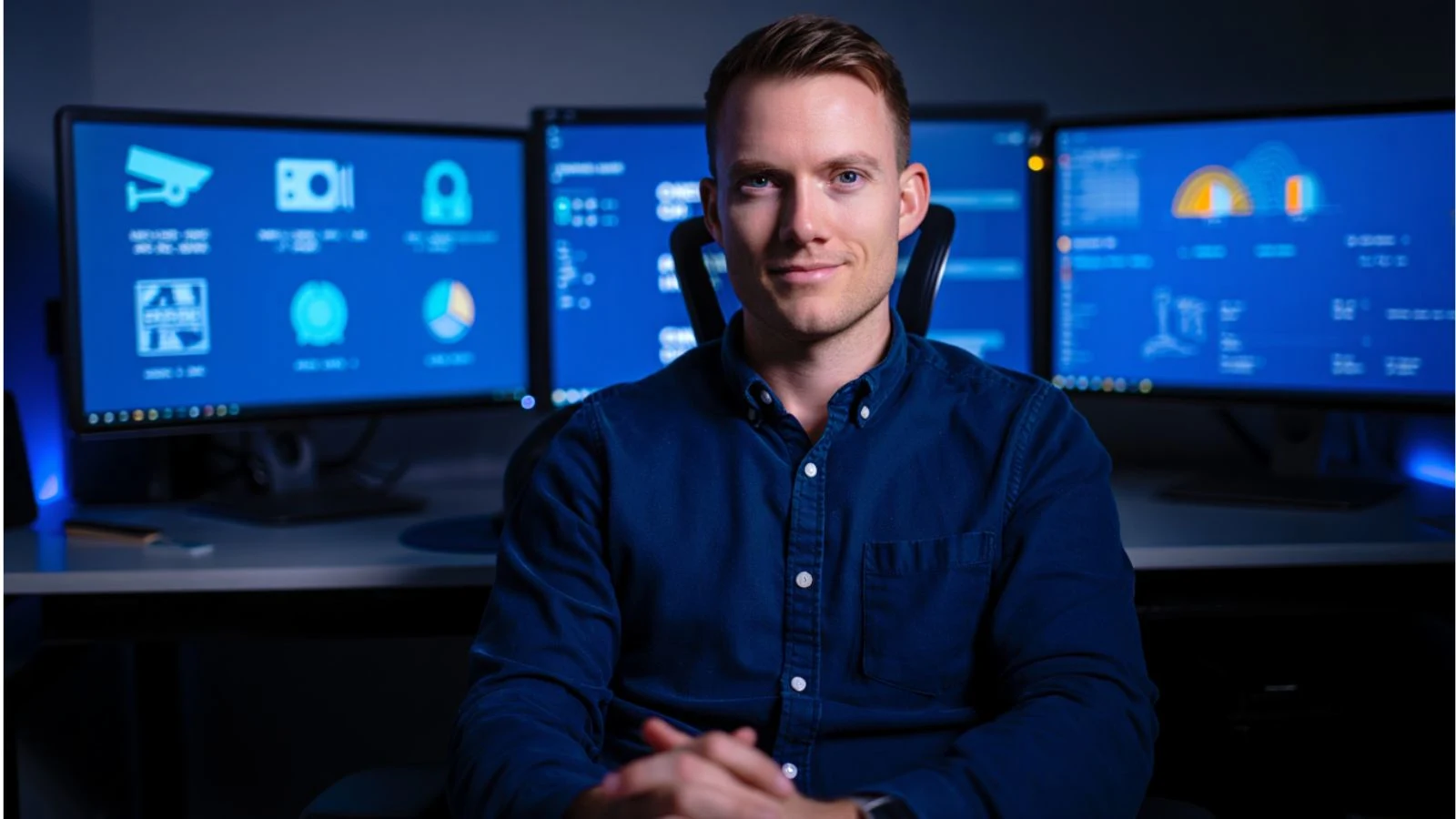
Risk assessment in security is the systematic process of identifying, evaluating, and mitigating potential threats to an organization’s assets, people, and operations. It allows security teams to understand vulnerabilities, prioritize risks, and implement measures to minimize harm.
Risks can be physical, such as theft, vandalism, or unauthorized access, or digital, like cyberattacks and data breaches. Operational risks, including human error or equipment failure, are also considered. By analyzing these factors, organizations can make informed decisions about security protocols and resource allocation.
A well-executed security risk assessment ensures that preventive measures are targeted and effective. It transforms security planning from a reactive approach into a proactive strategy, enabling organizations to anticipate potential problems before they occur and respond efficiently.
Why Risk Assessment Is Critical for Modern Security Systems
Implementing a structured risk assessment is essential for modern security systems because it allows organizations to identify vulnerabilities, anticipate potential threats, and respond proactively. Without proper assessment, security measures may be reactive, costly, or insufficient.
Key reasons why risk assessment is critical include:
- Proactive Threat Identification: Understanding potential risks before they materialize helps prevent incidents rather than simply reacting to them.
- Minimizing Losses: By identifying weaknesses in advance, organizations can implement measures that protect assets, reduce damage, and limit financial or operational impact.
- Regulatory Compliance: Many industries require documented security assessments to meet safety, data protection, or legal standards. Conducting regular risk assessments ensures compliance and reduces liability.
- Efficient Resource Allocation: Risk assessment enables security teams to prioritize high-risk areas, ensuring that budgets, personnel, and technology are used effectively.
By integrating risk assessment into security planning, organizations can create safer environments, optimize resources, and build confidence in their protective measures.
Role of Video Surveillance in Risk Assessment
Video surveillance plays a pivotal role in conducting an effective risk assessment. CCTV systems provide real-time monitoring and recorded evidence, helping security teams identify potential threats, suspicious behavior, and vulnerabilities across facilities.
By integrating CCTV into risk assessment protocols, organizations can:
- Detect vulnerabilities: Cameras highlight blind spots, entry points, and areas prone to theft or unauthorized access.
- Monitor in real time: Security personnel can respond immediately to incidents, reducing response time and potential losses.
- Analyze patterns: Reviewing recorded footage helps identify recurring risks and areas needing additional security measures.
CCTV risk assessment is particularly effective when paired with AI-driven analytics. These systems can detect anomalies, flag unusual activity, and provide actionable insights, allowing teams to make informed, data-driven decisions.
Video surveillance is not just about observation—it becomes a proactive tool in identifying, analyzing, and mitigating security risks, making risk assessment more precise and actionable.
Steps in Conducting an Effective Risk Assessment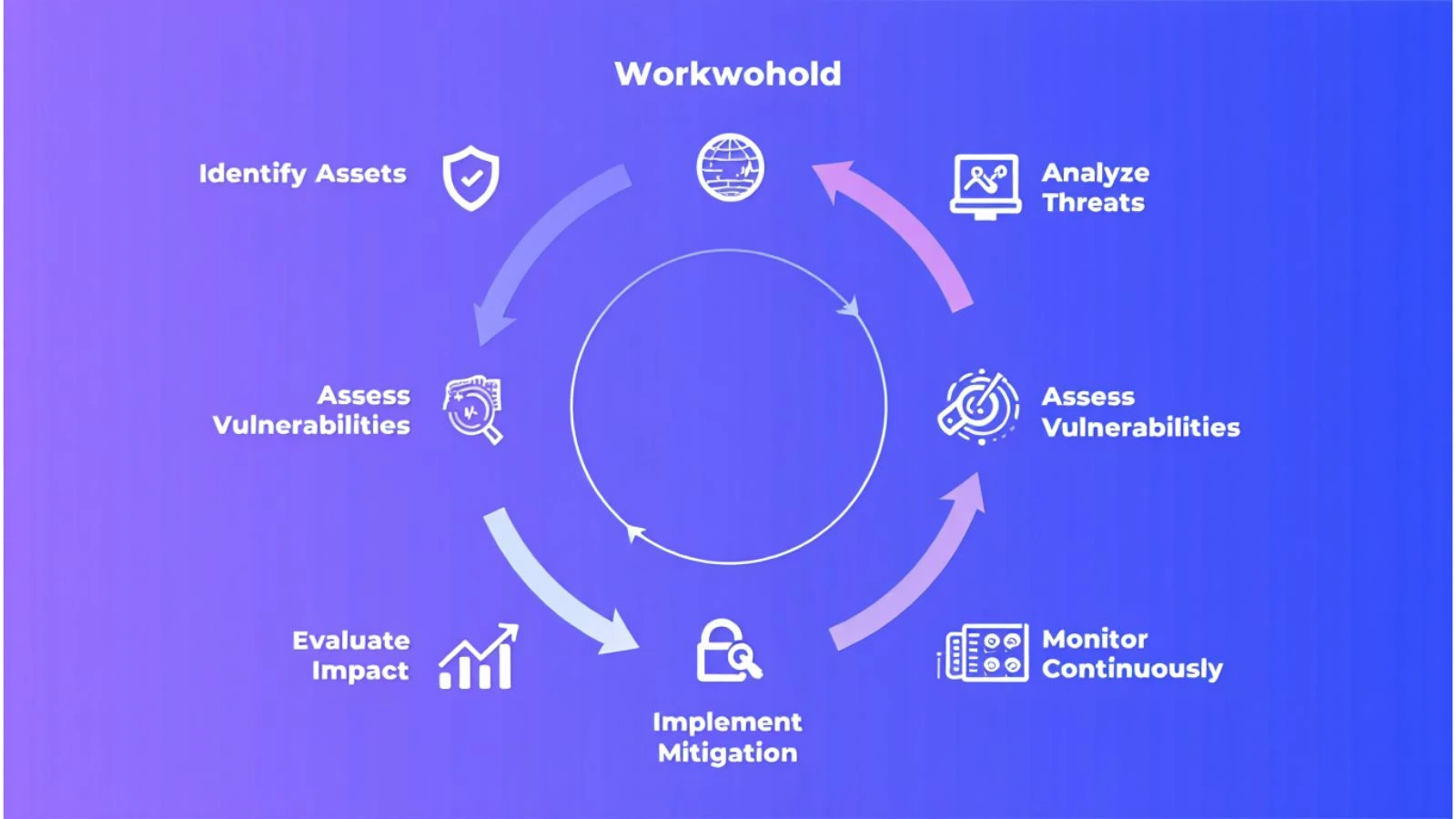
A structured risk assessment ensures that security systems are proactive and efficient. The process typically involves several key steps:
- Identifying Assets and Threats
- List all critical assets, including personnel, equipment, data, and facilities.
- Identify potential threats, such as theft, vandalism, cyberattacks, natural disasters, or human error.
- Evaluating Vulnerabilities
- Analyze weaknesses in physical security, access control, and monitoring systems.
- Determine where security gaps exist and which areas are most at risk.
- Assessing Potential Impact
- Estimate the consequences of each risk, considering financial, operational, and reputational factors.
- Prioritize risks based on likelihood and potential impact.
- Implementing Mitigation Strategies
- Apply preventive measures like CCTV video coverage, access control, alarm systems, and staff training.
- Consider using AI-driven analytics to detect threats in real time and improve decision-making.
- Monitoring and Reviewing
- Continuously monitor security systems and review assessment results.
- Update protocols based on new threats, technological advancements, or operational changes.
Following these steps ensures a comprehensive security risk assessment, allowing organizations to minimize vulnerabilities and respond effectively to emerging threats.
Real-Time Security Risk Assessment
In modern security systems, static risk evaluations are no longer enough. Real-time security risk assessment enables organizations to monitor threats continuously and respond immediately, significantly reducing potential damage.
Key benefits of real-time assessment include:
- Instant Alerts: Security teams receive immediate notifications about suspicious activity, unauthorized access, or system breaches.
- Data-Driven Decisions: Continuous monitoring provides actionable insights, allowing teams to prioritize responses and deploy resources efficiently.
- Integration with AI and Analytics: Advanced systems analyze patterns, detect anomalies, and even predict potential threats before they escalate.
- Enhanced Operational Awareness: Combining real-time data from CCTV, access control, and sensors helps maintain a complete security overview.
By implementing real-time risk assessment, organizations move from reactive security to a proactive, intelligence-driven approach. It ensures that incidents are detected early, risks are mitigated quickly, and security operations are optimized.
VideoraIQ.com: Enhancing Risk Assessment Capabilities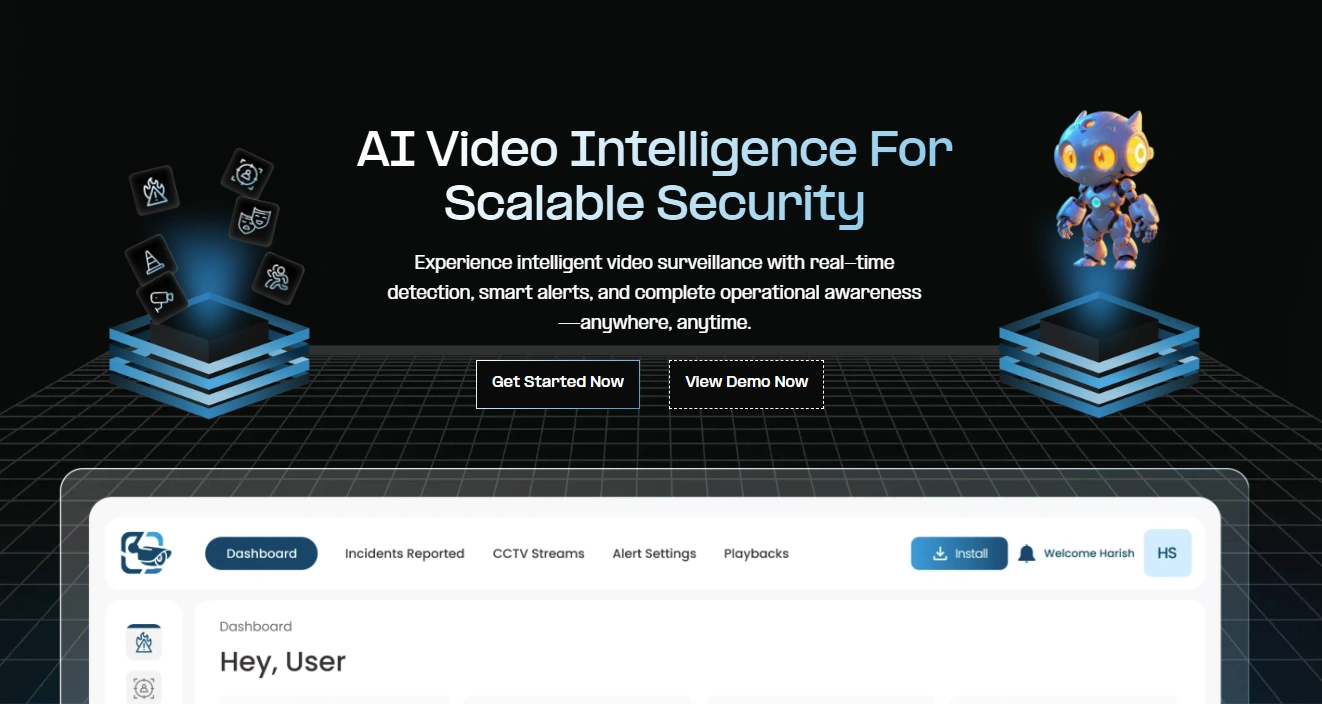
Modern security systems are most effective when powered by intelligent technology, and VideoraIQ.com provides a comprehensive solution for advanced risk assessment. By integrating CCTV, AI analytics, and real-time monitoring, VideoraIQ enhances the way organizations identify and manage security risks.
Key features include:
- AI-Driven Analytics: Automatically detects unusual behavior, suspicious movement, and potential threats across monitored areas.
- Real-Time Alerts: Provides instant notifications to security teams, enabling immediate response to incidents.
- Centralized Dashboard: Offers a unified view of all cameras and risk data, making monitoring and decision-making seamless.
- Customizable Reporting: Generates detailed risk assessment reports to track vulnerabilities, review past incidents, and plan security upgrades.
- Integration with Existing Systems: Easily connects with existing CCTV setups, access control, and other security infrastructure.
By using VideoraIQ.com, organizations can conduct faster, more accurate security risk assessments while improving operational efficiency. It transforms traditional monitoring into a proactive security strategy, ensuring smarter protection for people, property, and assets.
Best Practices for Modern Risk Assessment
To maximize the effectiveness of risk assessment in modern security systems, organizations should follow key best practices that combine technology, process, and personnel:
- Regular Reviews and Updates
- Security risks evolve over time. Conduct periodic assessments to ensure protocols remain effective against new threats.
- Staff Training and Awareness
- Employees should be trained to recognize risks, respond to alerts, and follow security procedures. Well-informed personnel are a critical line of defense.
- Leverage Technology Effectively
- Use AI-powered tools like VideoraIQ.com to enhance monitoring, automate alerts, and provide detailed insights for decision-making.
- Combine Traditional and Advanced Measures
- Physical barriers, CCTV, and access controls should complement digital monitoring, analytics, and real-time risk assessment.
- Prioritize High-Risk Areas
- Focus resources on the most vulnerable assets and critical operations, ensuring optimal protection and efficient resource use.
- Document and Report Findings
- Maintain detailed reports of risk assessments, incidents, and mitigation measures to track improvements and meet compliance requirements.
Implementing these best practices ensures that risk assessment is not just a one-time exercise but an ongoing, proactive approach to security management.
Also read,
CCTV Video Surveillance Vs. Smart Security Cameras: Which Is Right For You?
How AI Video Surveillance Is Transforming Modern Security Systems
Conclusion
Risk assessment is the backbone of modern security systems, transforming them from reactive measures into proactive strategies. By identifying vulnerabilities, evaluating potential threats, and implementing effective mitigation, organizations can protect assets, personnel, and operations more efficiently.
The integration of video surveillance, real-time monitoring, and AI analytics further enhances the accuracy and responsiveness of security systems. Tools like VideoraIQ.com provide intelligent insights, instant alerts, and centralized dashboards, making risk assessment faster, smarter, and more actionable.
By following structured processes and best practices, organizations can ensure their security measures stay ahead of evolving threats. Combining technology, trained personnel, and proactive strategies creates a safer, more resilient environment, giving businesses confidence in their modern security systems.
FAQs
- How often should organizations perform a security risk assessment?
Organizations should conduct a formal risk assessment at least annually, or more frequently if there are major changes in operations, infrastructure, or security threats. - Can AI replace human oversight in risk assessment?
AI enhances detection, analysis, and alerting, but human expertise is still essential for interpreting data, making strategic decisions, and handling complex incidents. - What industries benefit most from real-time security risk assessment?
Sectors like banking, healthcare, manufacturing, logistics, and critical infrastructure gain the most, as they require continuous monitoring to protect assets, data, and personnel.