

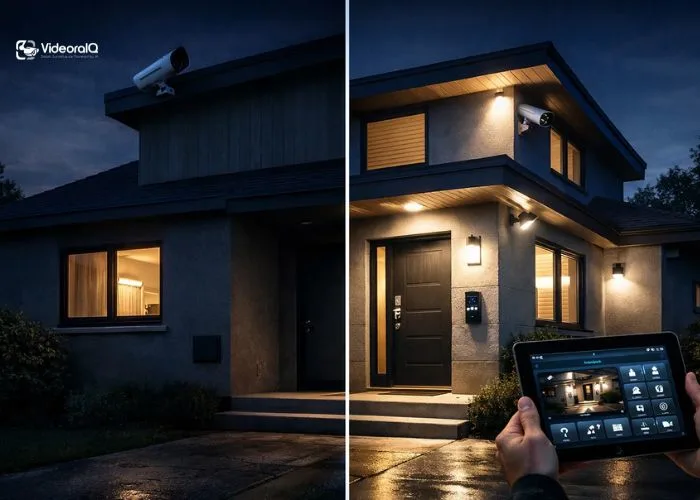
Installing a home security system should give you peace of mind, but many homeowners unknowingly make critical mistakes that leave their properties vulnerable. With Security Camera Solutions for Modern Homes and Offices becoming more advanced and accessible, choosing the right setup and using it correctly is more important than ever. Whether you’re installing your first system or upgrading an existing one, understanding common pitfalls can mean the difference between genuine protection and a false sense of security. In this comprehensive guide, we’ll walk through the ten most frequent errors people make with their home security system and provide practical solutions to help you maximize your investment and truly protect what matters most.
Listen To The Podcast Now!
1. Choosing Price Over Quality:
One of the biggest mistakes homeowners make is selecting a home security system based solely on the lowest price tag. While budget considerations are important, cheap systems often come with limited features, poor customer support, and unreliable equipment that fails when you need it most.
How to Avoid It:
Research different brands thoroughly, read customer reviews, and compare warranties. Look for systems that offer professional monitoring, mobile alerts, and quality components. Remember that a slightly higher upfront investment often saves money in the long run through better performance and fewer false alarms.
2. Inadequate Camera Coverage:
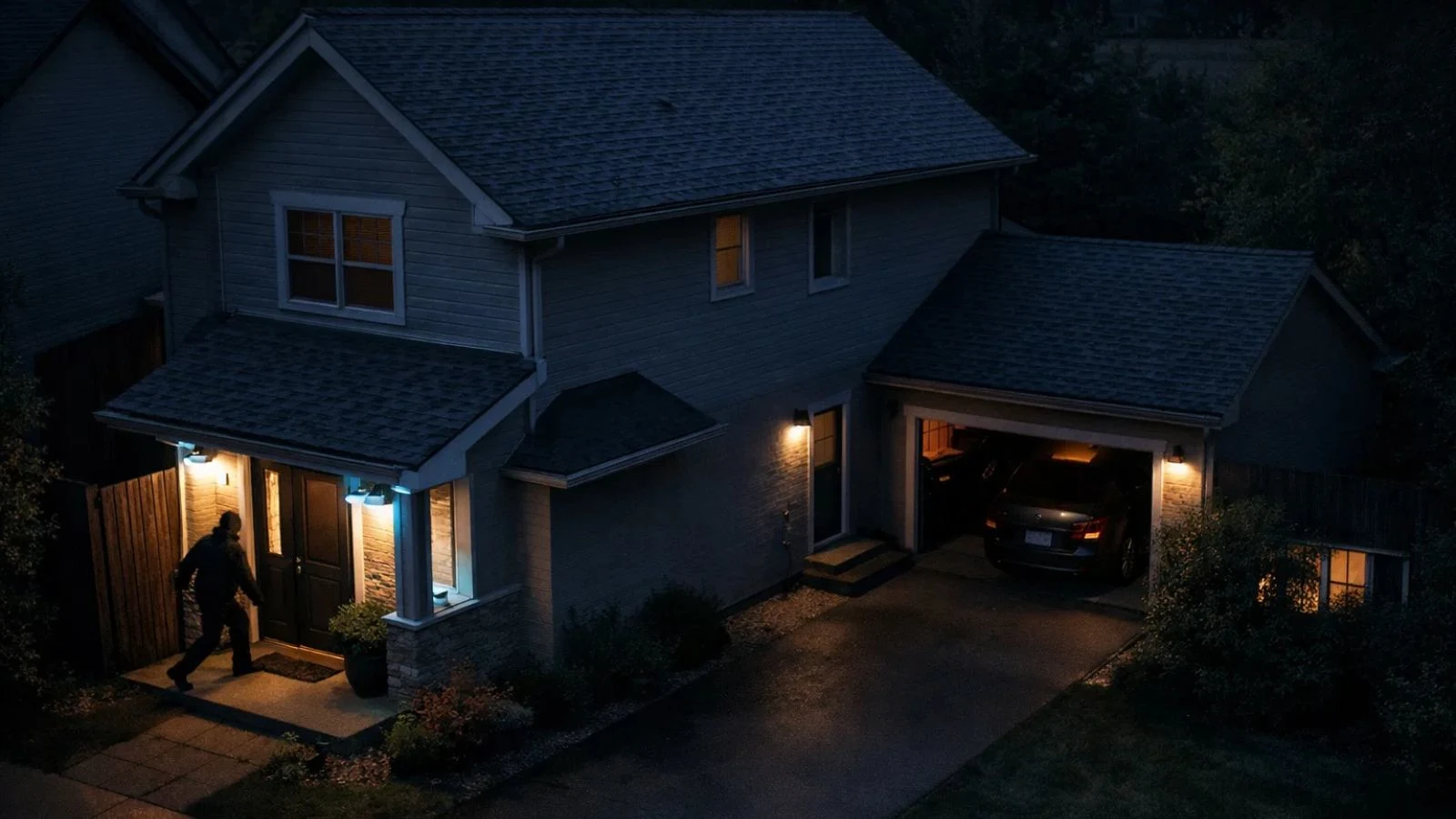
Many people install cameras only at obvious entry points like the front door, leaving blind spots around their property. Burglars often exploit these unmonitored areas, making your home security system less effective than it should be.
How to Avoid It:
Conduct a thorough property assessment. Install surveillance cameras for business principles apply at home too, cover all entry points, including back doors, garage entrances, and ground-floor windows. Don’t forget less obvious areas like side gates and basement access points.
3. Poor Camera Placement:
Even with adequate coverage, improper camera positioning renders your security surveillance efforts useless. Cameras placed too high miss facial details, while those positioned too low are easily tampered with or obstructed.
How to Avoid It:
Mount cameras at 8-10 feet height for optimal facial recognition while staying out of easy reach. Angle them slightly downward and ensure they’re protected from weather elements. Test camera views before permanently installing them, and make sure there’s adequate lighting, or invest in cameras with night-vision capabilities.
4. Ignoring Smart Integration Features:
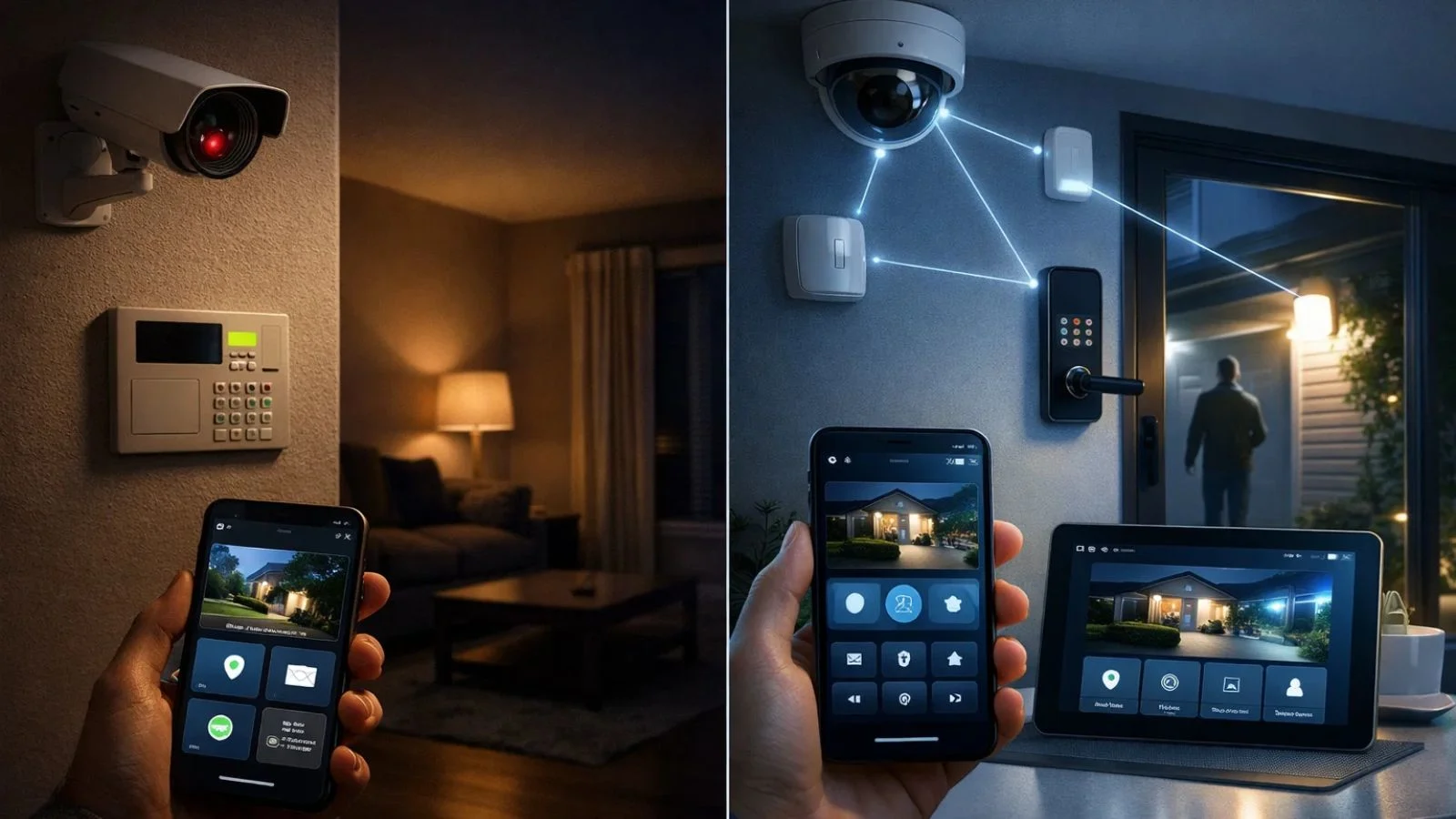
Modern home security systems offer smart home integration, but many homeowners stick with basic setups and miss out on enhanced functionality. Without integration, you’re managing multiple apps and missing opportunities for automation that could strengthen your security.
How to Avoid It:
Choose a home security system that integrates with your existing smart home ecosystem. Look for compatibility with voice assistants, smart locks, and lighting systems. Automated responses like lights turning on when motion is detected can deter intruders before they even attempt entry.
5. Neglecting Regular System Maintenance:
Installing a home security system isn’t a “set it and forget it” solution. Cameras get dirty, sensors fail, batteries die, and software becomes outdated, all of which compromise your security without you realizing it.
How to Avoid It:
Create a monthly maintenance schedule. Clean camera lenses, test all sensors and alarms, replace batteries in wireless components, and keep firmware updated. Many modern systems send maintenance alerts, but don’t rely solely on these; proactive checking ensures everything works when emergencies arise.
6. Using Weak Passwords and Default Settings:
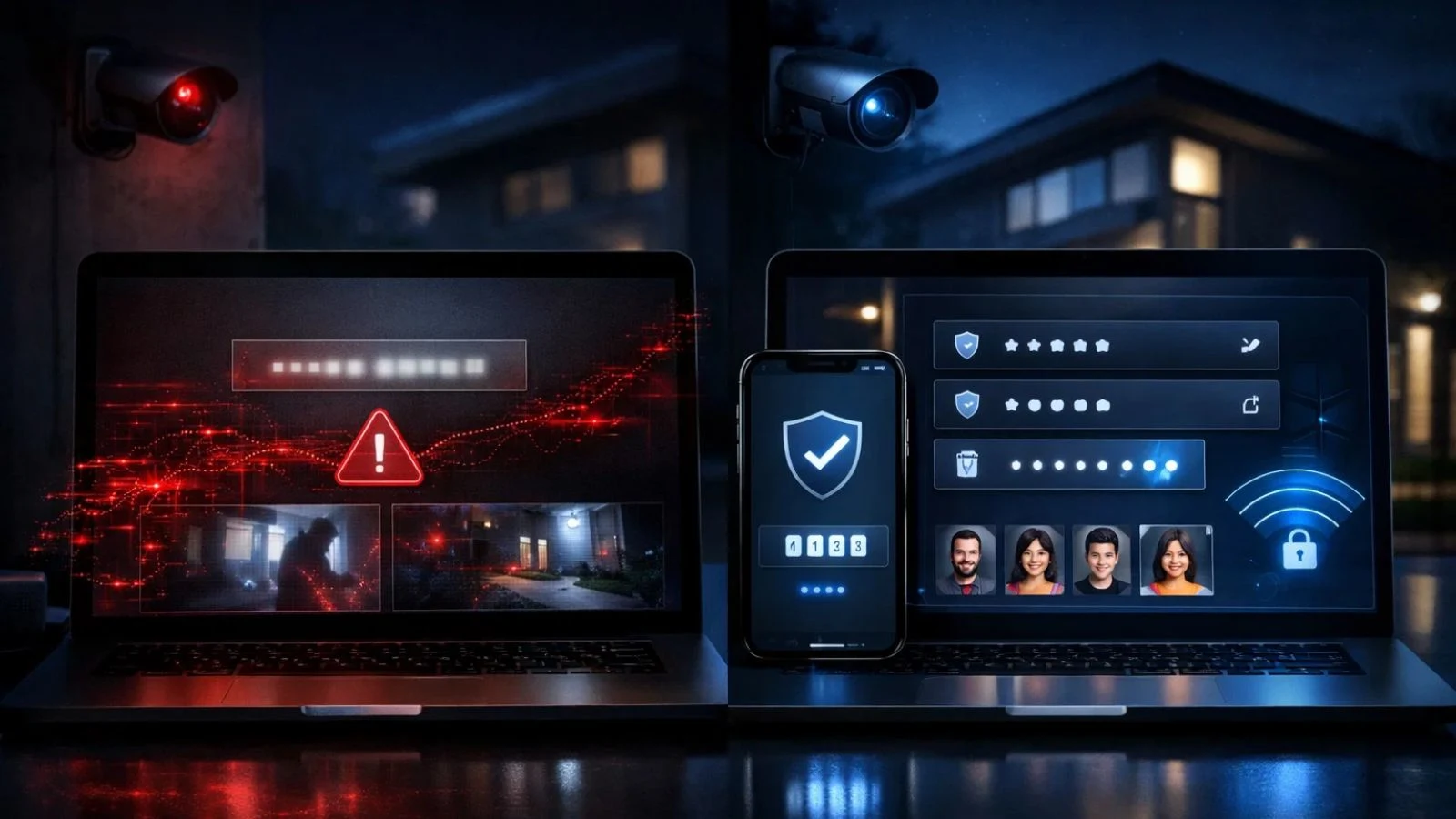
Cybersecurity is often overlooked in physical security discussions, yet many home security systems connect to the internet, making them potential targets for hackers. Using default passwords or weak credentials gives criminals easy access to disable your surveillance security system remotely.
How to Avoid It:
Immediately change all default passwords to strong, unique combinations. Enable two-factor authentication wherever available. Regularly update passwords and ensure your home Wi-Fi network is secure with WPA3 encryption. Never share login credentials, and create separate user accounts for family members with appropriate access levels.
7. Failing to Secure the Perimeter First:
Many homeowners focus exclusively on indoor monitoring and alarm systems while neglecting outdoor security measures. By the time your home security system detects an intruder inside, they’ve already breached your property.
How to Avoid It:
Implement layered security starting with your property perimeter. Install motion-activated lighting, use thorny bushes under windows, ensure fences are in good repair, and consider outdoor cameras with advanced analytics. The goal is to deter and detect threats before they reach your home’s interior.
8. Not Testing the System Regularly:
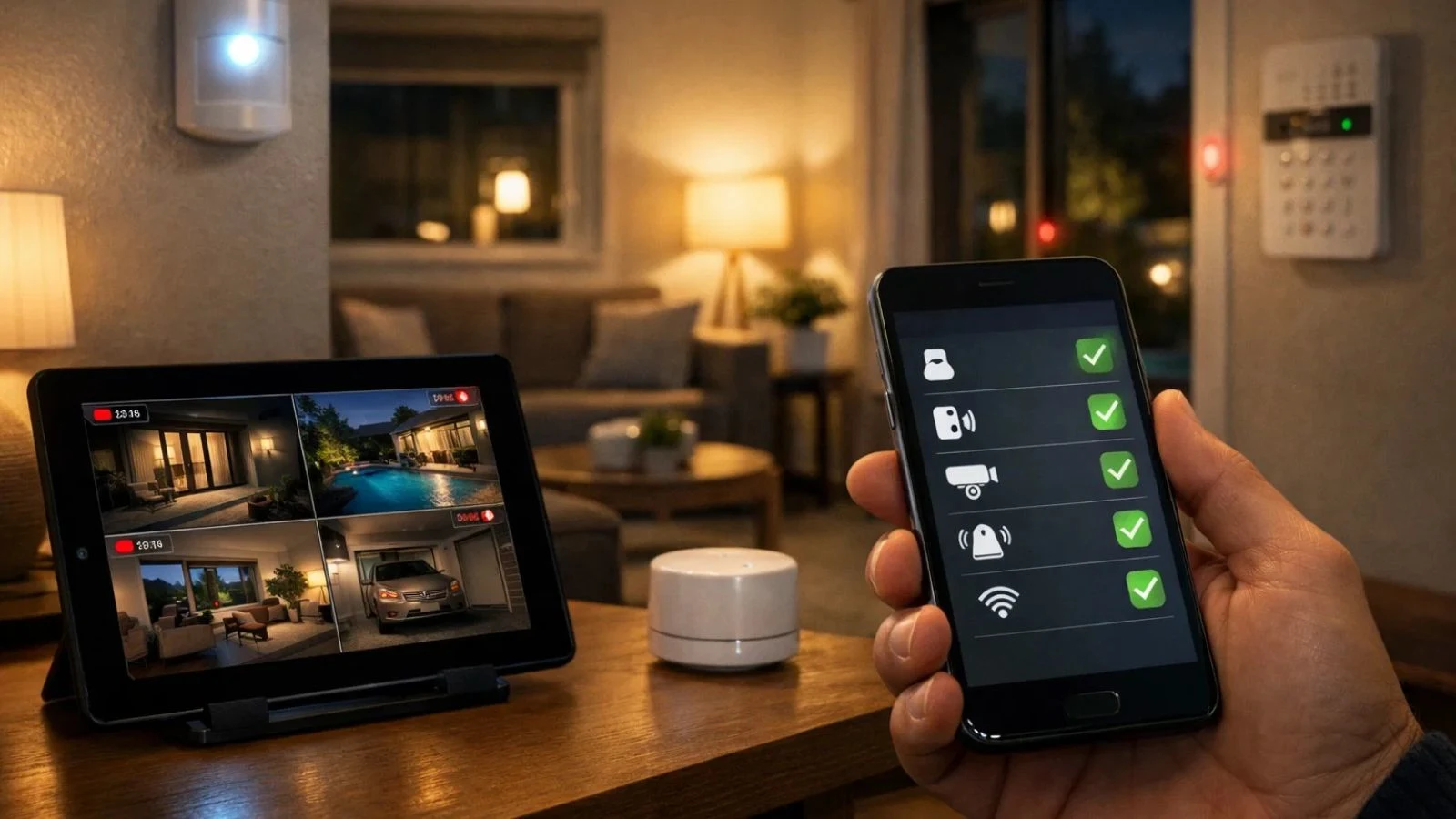
Assuming your home security system works without regular testing is a dangerous mistake. Components fail, connections drop, and without testing, you won’t discover problems until it’s too late.
How to Avoid It:
Schedule monthly system tests covering all components. Trigger motion sensors, test door and window contacts, verify camera recordings are saving properly, and confirm monitoring center communication works. Document your tests and address any issues immediately rather than postponing repairs.
9. Overlooking Professional Monitoring Benefits:
Some homeowners opt for self-monitored home security systems to save on monthly fees, but this approach has significant limitations. If you’re away, asleep, or your phone dies, critical alerts go unnoticed, and police aren’t dispatched automatically.
How to Avoid It:
Consider professional monitoring services that provide 24/7 surveillance and immediate emergency response. While there’s a monthly cost, the rapid response time and peace of mind often justify the investment, especially for families with children or elderly members.
10. Improper Signage and Disclosure:
This mistake works both ways. Some homeowners advertise their security system too obviously with yard signs and stickers, telling burglars exactly what to disable. Others don’t display any warnings, missing the deterrent effect entirely.
How to Avoid It:
Strike a balance with strategic signage placement. Use generic “property under surveillance” signs rather than brand-specific markers that reveal your system details. Place signs where they’re visible to potential intruders, but don’t provide a roadmap to your home security system components.
Also Read:
Indoor Security Camera Solutions for Modern Homes and Offices
How To Use AI Cameras For Smarter Security And Surveillance?
Enhance Your Security with VideoraIQ:

While avoiding these common mistakes significantly improves your home protection, leveraging advanced technology takes security to the next level. Here’s how VideoraIQ can enhance your home security:
1. AI-Powered Threat Detection: VideoraIQ uses artificial intelligence to analyze video feeds in real time, distinguishing between normal activity and genuine threats. The system learns your property’s typical patterns and immediately alerts you to anomalies, whether it’s an unfamiliar person lingering near your entrance or unusual activity during off-hours.
2. Centralized Multi-Camera Management: Monitor your entire property from a single interface. No need to juggle between different apps or screens, everything is accessible in one place.
3. Intelligent False Alarm Reduction: The intelligent analytics filter out harmless triggers like pets or passing cars, ensuring you only receive alerts that matter. Fewer unnecessary notifications mean more focus on genuine security concerns.
4. Cloud-Based Access and Storage: Review footage and receive notifications anywhere, anytime. Whether you’re at work, on vacation, or running errands, your home security is always at your fingertips.
5. Professional-Grade Security Made Accessible: VideoraIQ bridges the gap between basic home security systems and professional-grade surveillance. The intuitive design means you don’t need technical expertise to benefit from enterprise-level security features.
6. Real-Time Anomaly Detection: The system continuously monitors and learns normal patterns, instantly flagging anything unusual before it becomes a threat.
Conclusion:
Protecting your home requires more than just installing equipment; it demands thoughtful planning, regular maintenance, and avoiding these ten common mistakes. A well-designed home security system should provide comprehensive coverage, integrate seamlessly with your lifestyle, and offer reliable performance when you need it most.
By choosing quality components, maintaining your system properly, and leveraging advanced solutions like AI-powered monitoring, you create multiple layers of protection that genuinely deter crime and safeguard your family.
FAQ’s:
Q1: How many cameras does a typical home security system need?
Ans: Most homes need 4-6 cameras covering main entrances, garage, backyard, and driveways. Larger properties may require additional coverage.
Q2: Should I choose wireless or wired home security systems?
Ans: Wireless systems offer easier installation and flexibility, while wired systems provide reliable connections without battery changes. Choose based on your home layout and budget.
Q3: How often should I test my home security system?
Test your system monthly by triggering all sensors, checking camera feeds, and verifying alarm notifications work properly.
Q4: Do I really need professional monitoring?
Ans: Professional monitoring provides 24/7 surveillance and automatic emergency response, which is valuable when you’re away or unable to respond to alerts yourself.
Q5: What’s the biggest mistake people make with security cameras?
Ans: Poor placement is the most common error. Cameras should be mounted 8-10 feet high, angled downward, and positioned to cover all entry points without blind spots.