

Listen To The Podcast Now!
Mistake #1: Poor Camera Placement and Coverage Gaps:
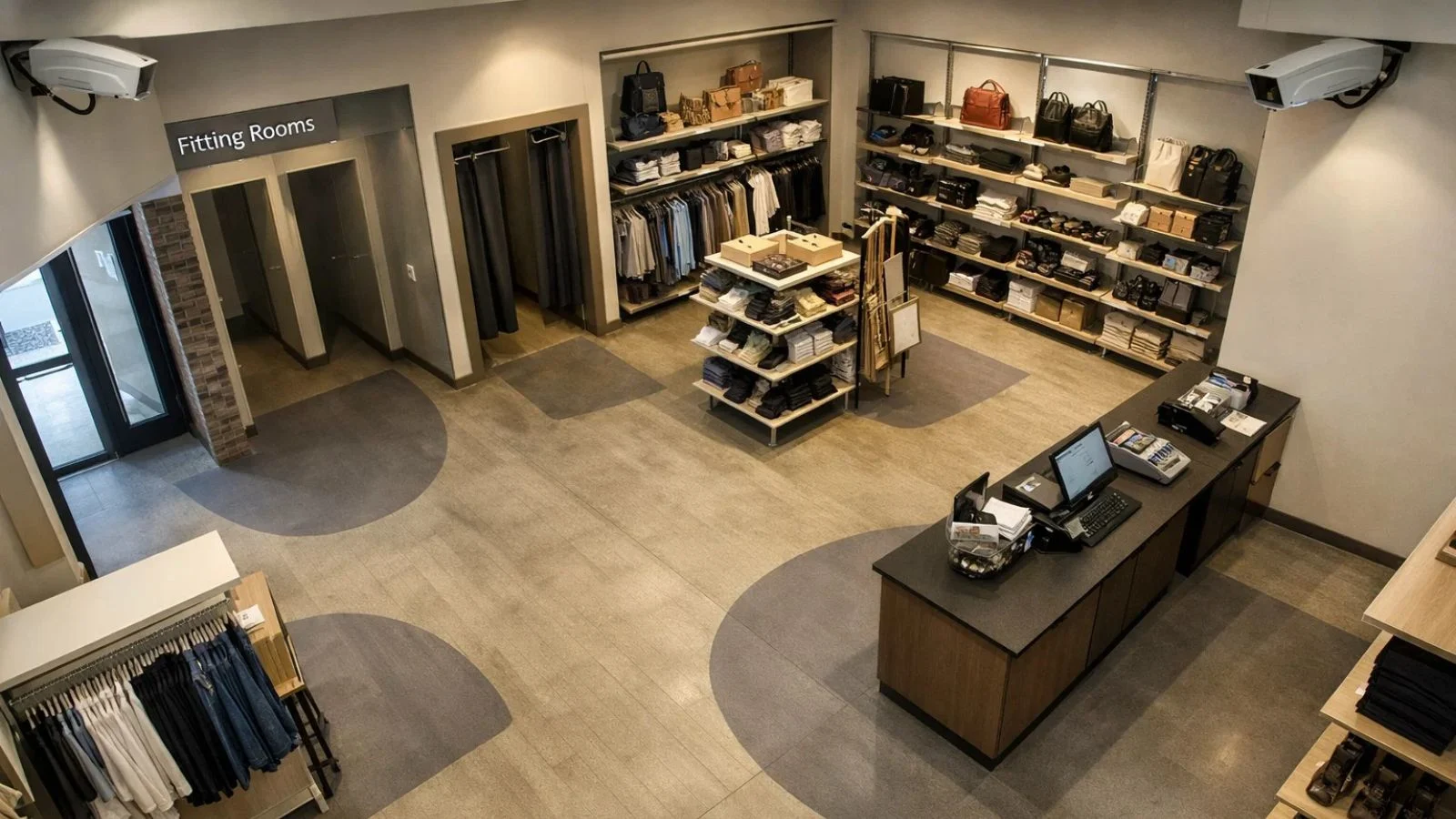
One of the most significant errors retailers make with retail CCTV security systems is inadequate camera positioning. Strategic placement is crucial for comprehensive coverage and eliminating blind spots that shoplifters exploit. Common overlooked areas include corners, fitting rooms, stockrooms, and merchandise displays. When planning your retail CCTV security systems, map out your entire store layout and identify high-risk zones.
Entry and exit points should have multiple camera angles to capture faces clearly, while point-of-sale areas require focused coverage to document transactions and prevent employee theft. Camera height and angle matter tremendously. Position cameras at 8-10 feet for optimal facial recognition while maintaining a wide field of view. Don’t forget outdoor areas like parking lots and loading docks, which are equally important for comprehensive retail store video surveillance. Ensure your retail CCTV security systems cover areas where expensive or frequently stolen items are displayed.
Mistake #2: Choosing the Wrong Camera Type and Resolution:
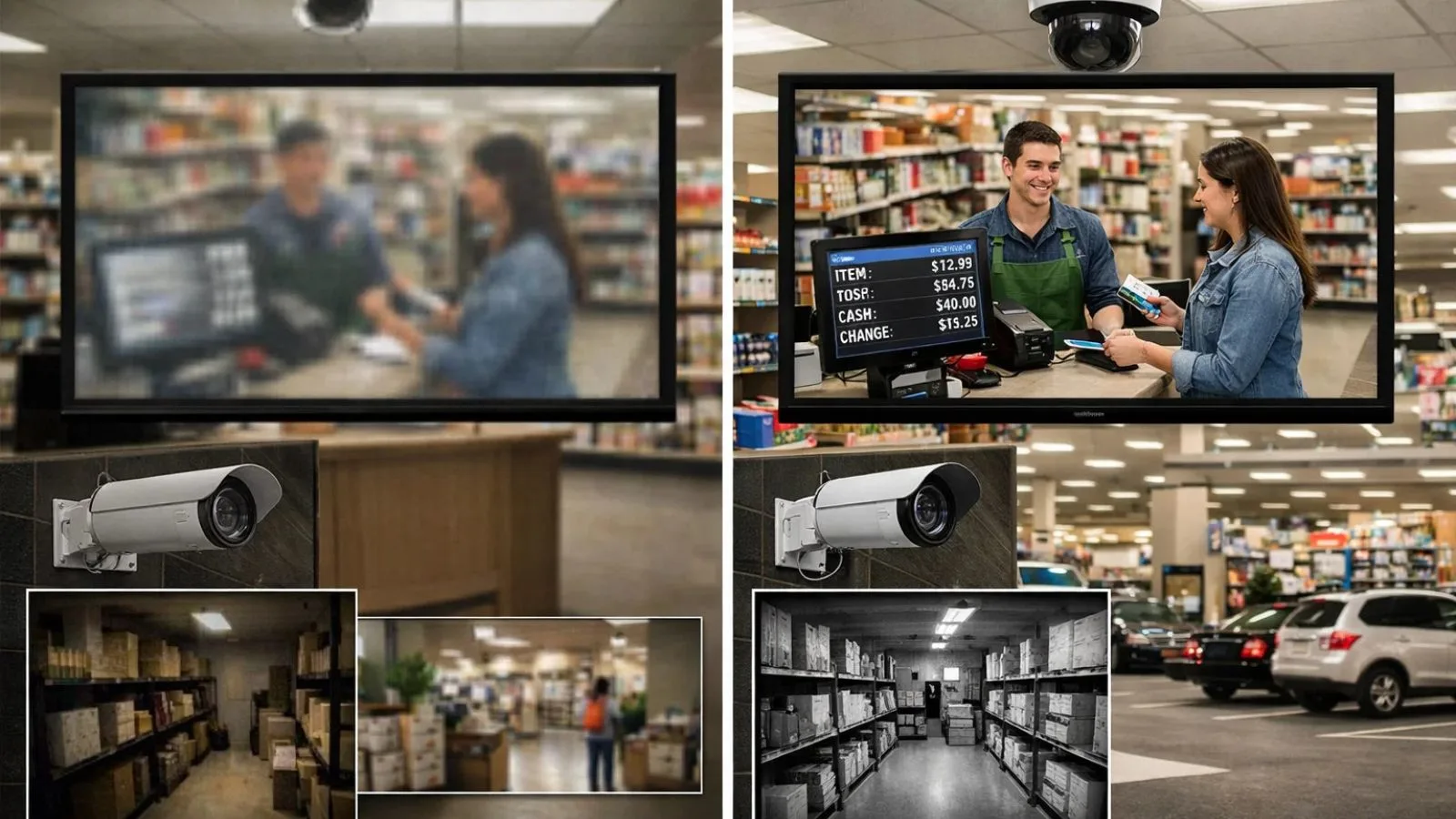
Not all security cameras are created equal, and selecting inappropriate equipment is a costly mistake. Resolution matters significantly when identifying faces, reading license plates, or reviewing transaction details. Modern retail CCTV security systems require high-definition capabilities; choose cameras with at least 1080p resolution, though 4K is becoming standard for critical areas. Different areas require different camera types. Dome cameras work excellently for indoor monitoring in aisles and checkout areas. Bullet cameras are ideal for outdoor use and parking areas.
PTZ cameras provide flexibility for large spaces, allowing security personnel to track suspicious activity in real-time. Lighting conditions should influence your camera selection. Install cameras with infrared technology or low-light sensors to maintain clear footage 24/7, particularly important for evening operations or monitoring stockrooms. While wireless security camera systems for business offer installation flexibility, they can experience connectivity issues and bandwidth limitations. Wired systems provide more reliable performance for mission-critical retail CCTV security systems.
Mistake #3: Inadequate Storage and Recording Configuration:
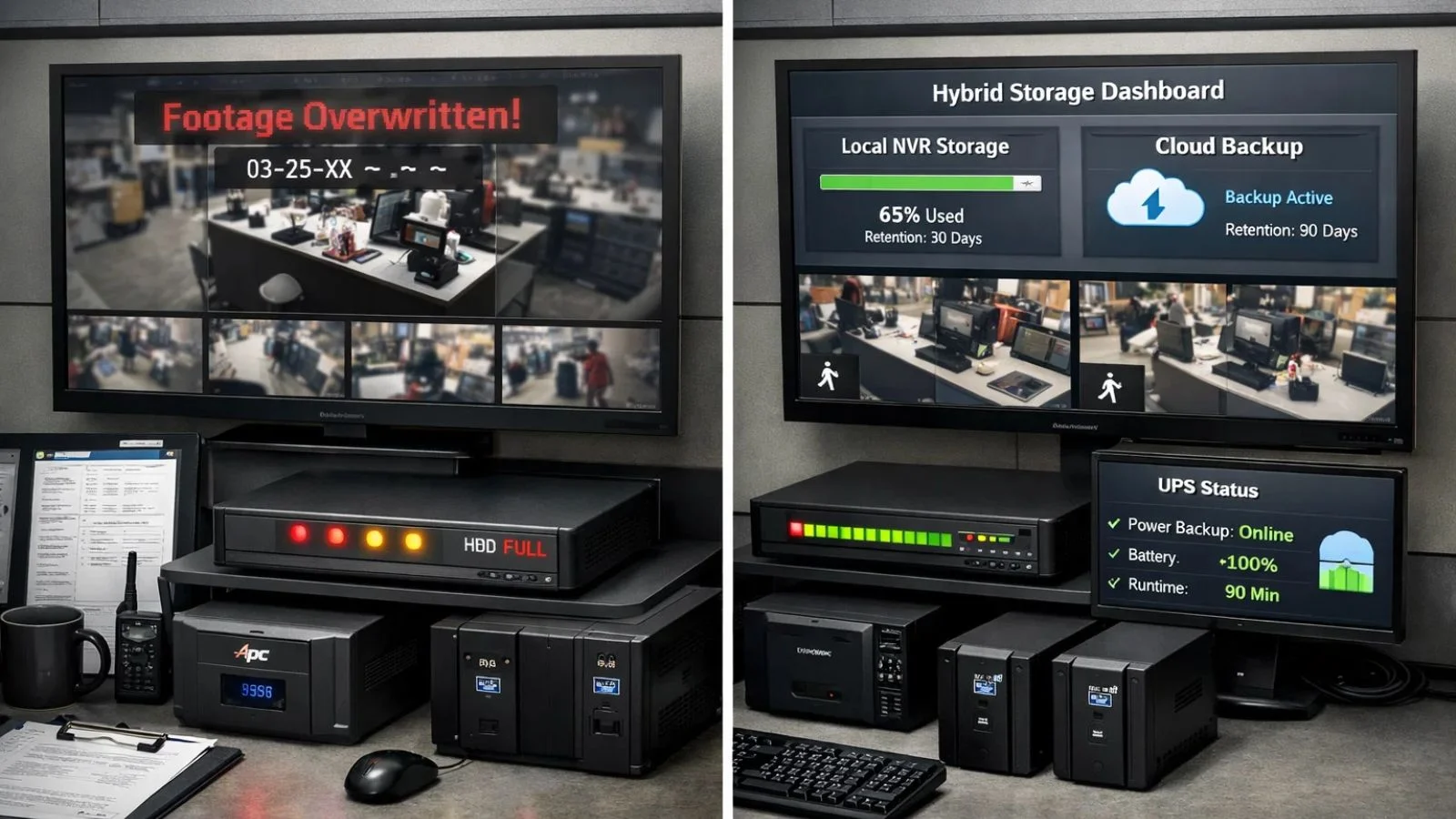
A surveillance system is only effective if it can store and retrieve footage when needed. Many retailers underestimate storage requirements, leading to overwritten footage during critical moments. Recording quality directly impacts storage needs. Smart retail CCTV security systems use motion-activated recording or lower resolution for less critical areas to optimize storage. Most retailers should maintain footage for at least 30 days, with high-risk areas like cash registers requiring 60-90 days of retention.
Cloud storage solutions are popular for shopping center security surveillance, offering remote access and disaster recovery. However, uploading requires substantial bandwidth. Hybrid systems combining local and cloud storage often provide the best balance for retail CCTV security systems. Backup systems are frequently overlooked until disaster strikes. Implementing redundant storage, uninterruptible power supplies, and regular backup verification ensures your retail CCTV security systems remain operational.
Mistake #4: Neglecting Network Security and System Integration:
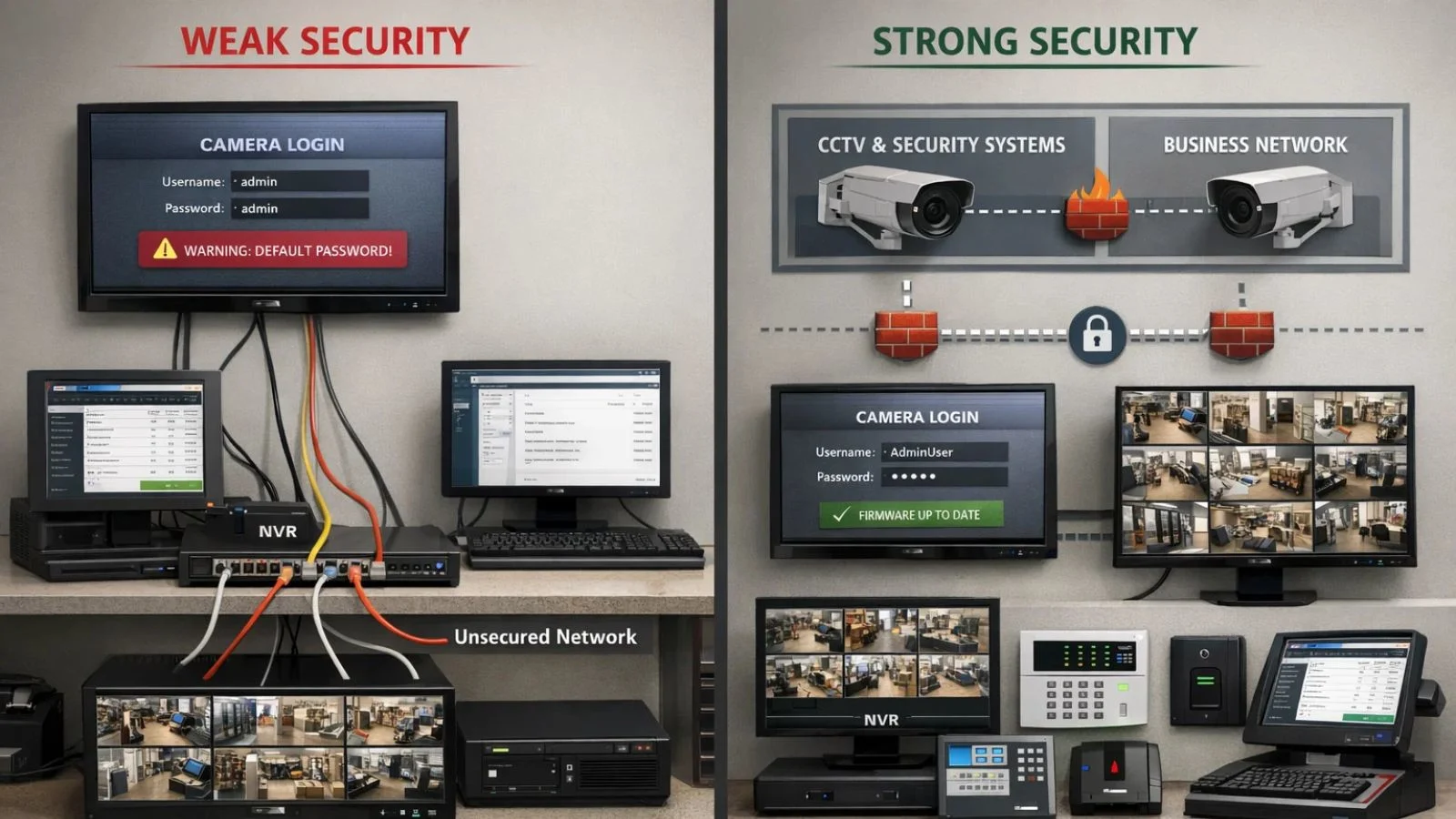
As retail CCTV security systems become increasingly digital, cybersecurity becomes paramount. Unfortunately, many retailers focus solely on physical security while ignoring digital vulnerabilities. Default passwords are common security weaknesses. Change factory-set credentials immediately and implement strong, unique passwords for every device. Network segmentation is crucial; your surveillance network should be isolated from other business networks to prevent unauthorized access.
Regular firmware updates patch vulnerabilities and improve performance. Establish a schedule for applying updates to all cameras and recorders in your retail CCTV security systems. Integration with other security systems enhances effectiveness. Your retail CCTV security systems should work seamlessly with alarm systems, access control, and point-of-sale data for comprehensive incident investigation and automated responses to suspicious activities.
Mistake #5: Skipping Professional Installation and Ongoing Maintenance:
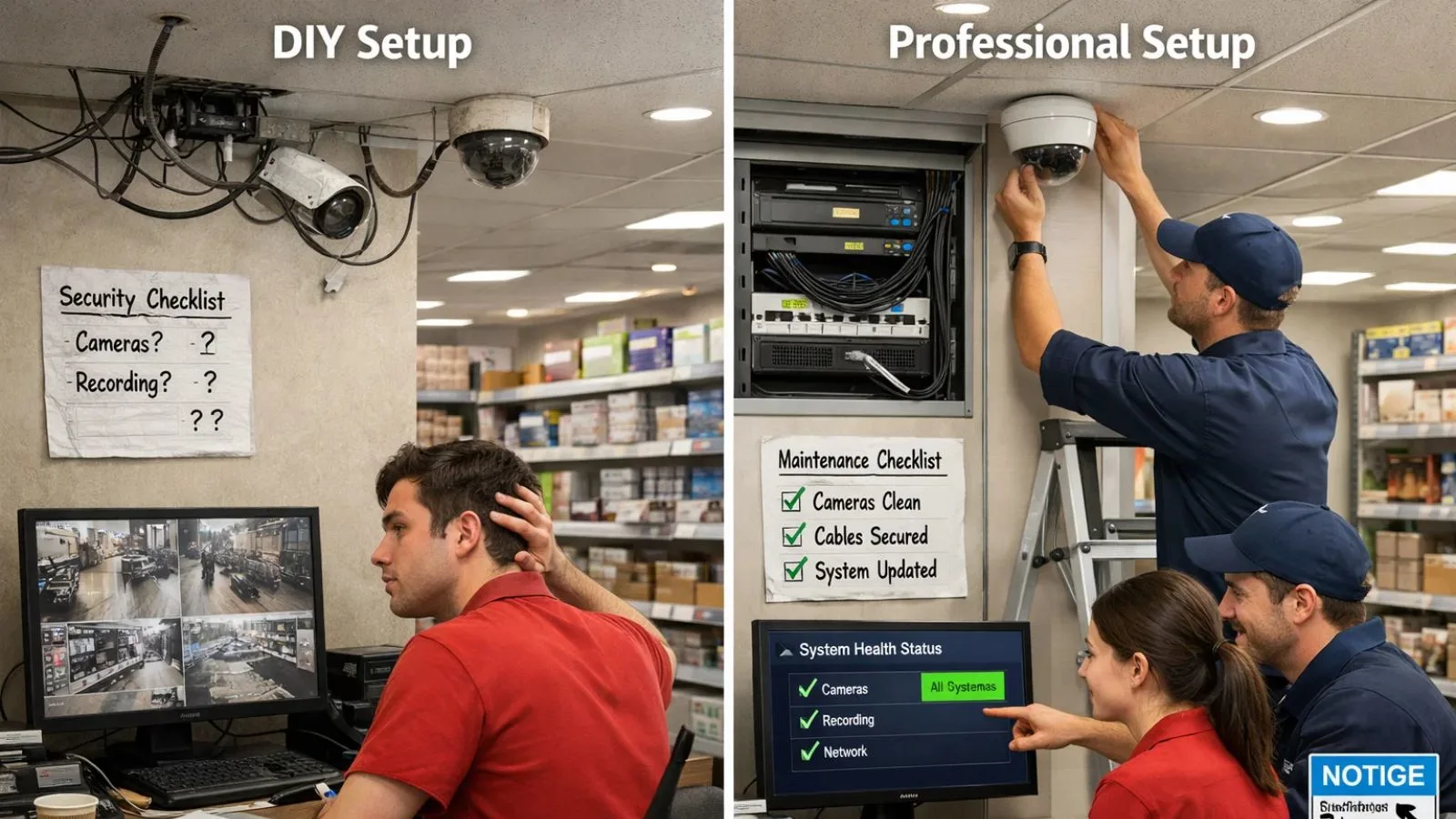
The biggest mistake is treating retail CCTV security systems as a “set it and forget it” investment. DIY installation might seem cost-effective, but it often leads to improper configuration and compliance issues. Professional installers bring expertise in camera placement, network configuration, and legal compliance. They understand surveillance regulations, privacy laws, and signage requirements. Experienced technicians ensure your retail CCTV security systems meet all technical and legal standards. Proper cable management affects system reliability and longevity.
Professional installation ensures cables are properly routed, secured, and protected, reducing maintenance issues. Regular maintenance keeps systems functioning optimally. Cameras need cleaning, connections require inspection, and storage devices need health checks. System testing should happen regularly, review footage quality, check recording functionality, and verify remote access. Training staff on system operation is equally important. Employees should know how to access footage, respond to alerts, and identify system malfunctions to maximize their investment in retail CCTV security systems.
Also Read:
Retail Store Security Cameras: What You Need To Know Before Buying
Enhance Your Retail Security with VideoraIQ:
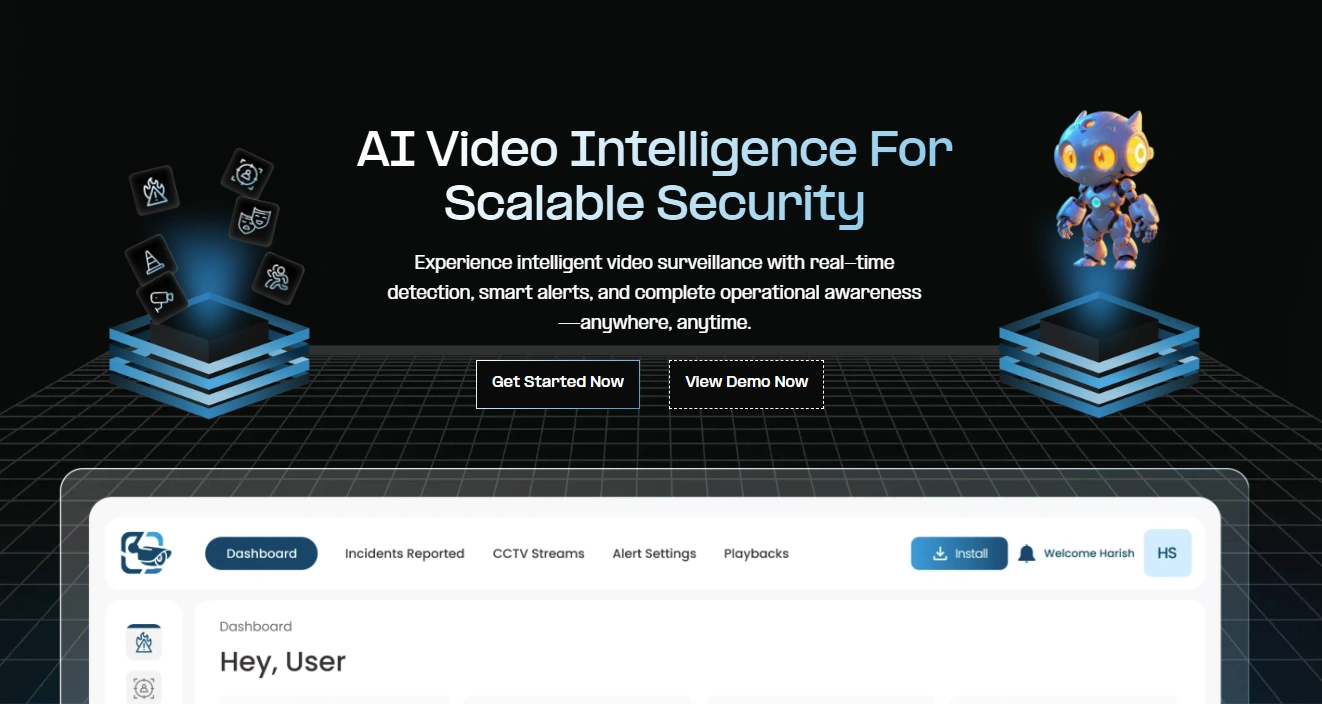
When it comes to upgrading traditional retail CCTV security systems into intelligent, proactive security solutions, VideoraIQ stands out as a game-changer. This AI-powered, cloud-based surveillance platform transforms standard security cameras into smart detection systems that think, analyze, and alert in real-time. VideoraIQ utilizes advanced artificial intelligence to detect suspicious activities, unauthorized access, fires, and other security threats before they escalate.
The platform features facial recognition for enhanced access control and security audits, making it ideal for retail environments handling sensitive areas or valuable merchandise. Unlike conventional systems that only record footage for later review, VideoraIQ provides instant automated alerts, enabling your team to respond immediately to potential threats. The cloud-based infrastructure ensures your security data remains accessible from anywhere while maintaining end-to-end encryption and compliance with global security standards, including GDPR.
For retailers managing multiple locations, VideoraIQ offers centralized monitoring and management, eliminating the complexity of juggling separate systems for each store. This intelligent approach to retail security doesn’t just protect your assets; it provides actionable insights that can improve operations and customer service across your retail business.
Conclusion:
Avoiding these five critical mistakes when installing retail CCTV security systems can mean the difference between a robust security infrastructure and a false sense of protection. Strategic camera placement, appropriate equipment selection, adequate storage planning, strong cybersecurity measures, and professional installation with ongoing maintenance form the foundation of effective retail surveillance. Remember that retail CCTV security systems are evolving rapidly with AI capabilities and cloud-based management. Investing in modern solutions and working with experienced professionals ensures your security infrastructure grows with your business while adapting to new threats. Take the time to plan thoroughly, consult experts, and maintain your systems diligently for maximum protection and return on investment.
FAQ’s:
Q1: How many cameras do I need for my retail store?
Ans: Plan for one camera per 1,000-1,500 square feet, plus additional cameras for entrances, exits, cash registers, and high-value product areas.
Q2: Can I integrate existing cameras with a new system?
Ans: Most modern systems support integration through compatible NVRs, though older analog cameras may require encoders or upgrades.
Q3: What’s the difference between cloud and local storage?
Ans: Local storage offers faster access but is vulnerable to damage. Cloud storage provides remote access and backups, but requires strong bandwidth. Hybrid approaches often work best.
Q4: How long should footage be retained?
Ans: Minimum 30 days for general areas, 60-90 days for point-of-sale. Check your insurance requirements and local regulations.