

An LPR camera has become an essential tool for businesses, property managers, and security professionals looking to automate vehicle identification and enhance security measures. Whether you’re managing a parking facility, securing a gated community, or monitoring traffic flow, understanding what makes a quality LPR camera can save you time, money, and headaches in the long run.
This comprehensive buying guide walks you through everything you need to know about selecting, purchasing, and installing the right system for your specific needs. The market for lpr camera technology has evolved significantly over the past few years, with options ranging from basic standalone units to sophisticated networked systems with artificial intelligence capabilities.
Making an informed decision requires understanding the core features, realistic cost expectations, and installation best practices that separate effective deployments from disappointing investments.
Listen To The Podcast Now!
What Is LPR Camera Technology?
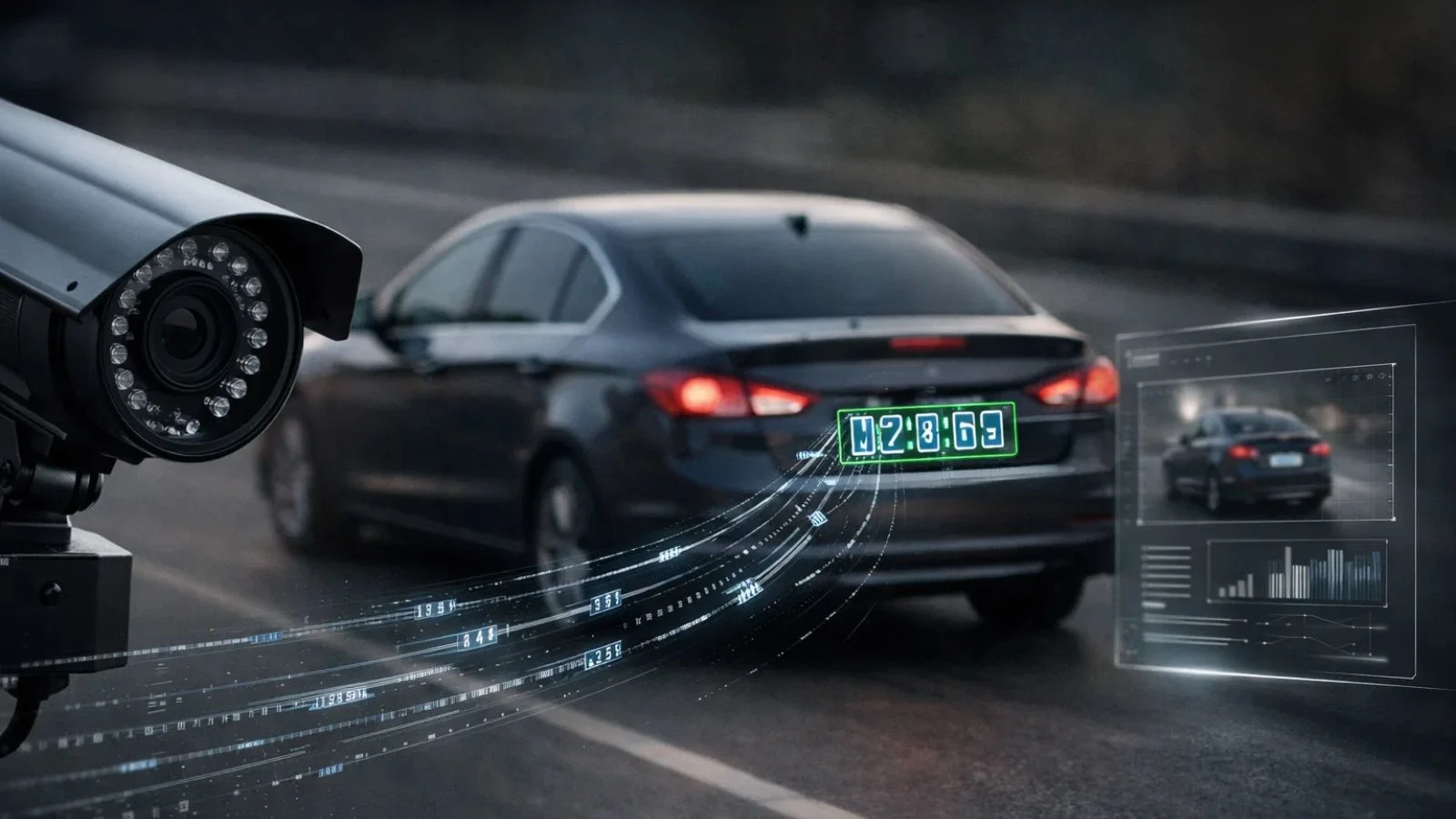
Before diving into specific features and costs, it’s helpful to understand how license plate readers work. At their core, these specialized cameras capture high-resolution images of vehicle license plates as they pass through the camera’s field of view. Advanced optical character recognition (OCR) software then processes these images to extract the alphanumeric characters from the plate.
A License Plate Recognition camera differs from standard security cameras in several key ways. First, they’re optimized to capture fast-moving vehicles under various lighting conditions and at various speeds.
Second, they include specialized firmware and processing capabilities designed specifically for plate recognition rather than general surveillance. Third, most modern systems can capture plates both day and night, even on vehicles traveling at highway speeds.
The LPR camera system typically consists of three main components: the camera hardware itself, processing software (which may be onboard or cloud-based), and a database or interface for storing and managing captured plate data. Some systems operate as standalone units, while others integrate with existing security infrastructure or access control systems.
Essential Features to Look For:
When evaluating any LPR camera, several critical features directly impact performance and suitability for your application.
1. Image Resolution and Quality:
Resolution is paramount for accurate plate capture. Look for cameras offering at least 2MP resolution, though 5MP or higher is increasingly becoming the standard for professional applications. Higher resolution doesn’t just mean clearer images; it allows the camera to capture plates from greater distances and at wider angles while maintaining the detail needed for reliable character recognition.
2. Capture Rate and Processing Speed:
The best LPR cameras can process multiple vehicles simultaneously without missing plates or creating bottlenecks. Processing speed becomes especially important in high-traffic scenarios like parking garage entrances or toll plazas. Quality systems should handle capture rates of 60+ frames per second and process recognition in under one second.
3. Day and Night Performance:
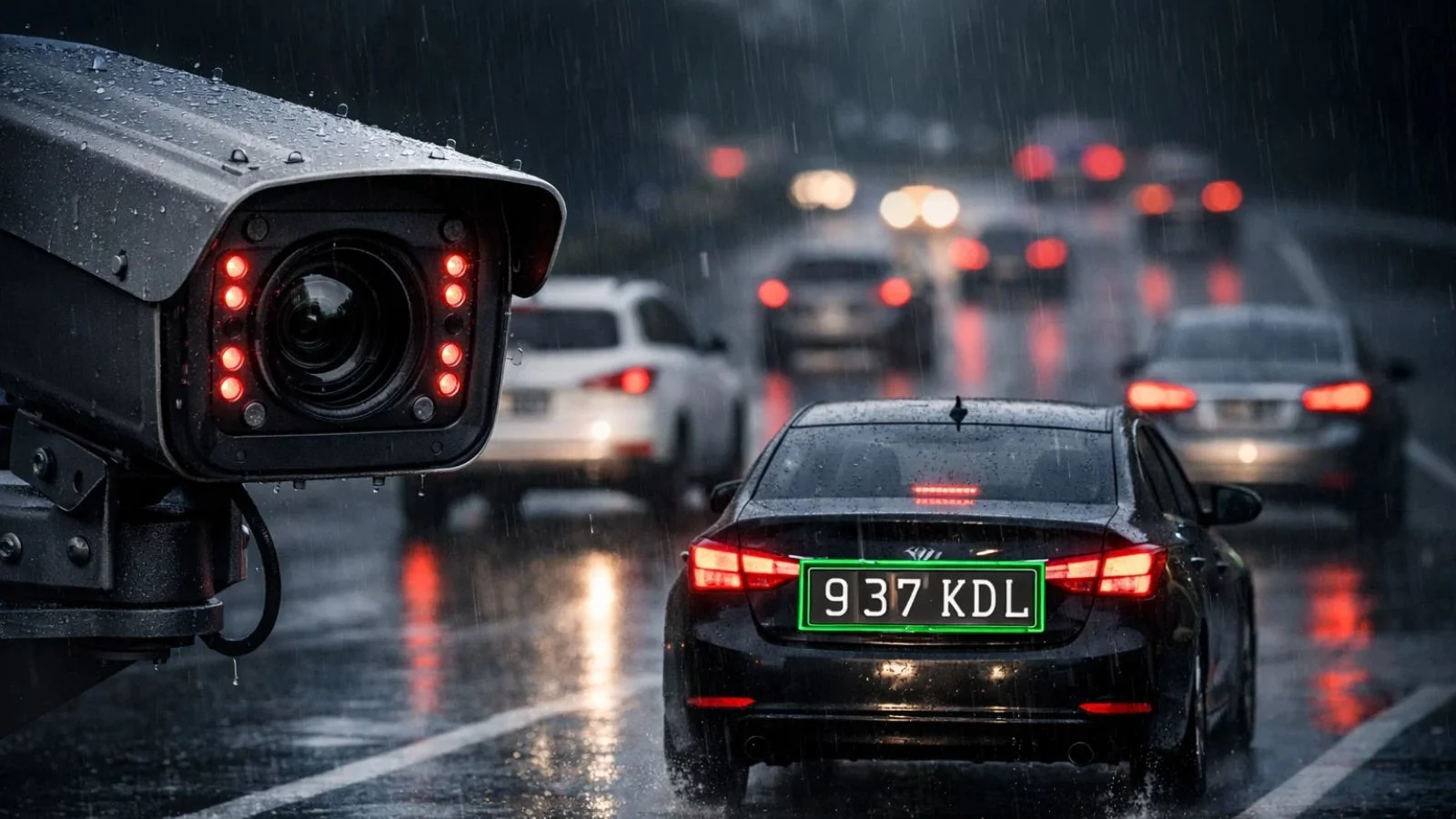
A license plate scanner must perform equally well in bright sunlight and complete darkness. Look for cameras with powerful infrared illuminators specifically designed for plate reflection without creating glare or washout. Some advanced models include adaptive lighting that automatically adjusts to ambient conditions.
4. Weather Resistance and Durability:
Outdoor installations require robust weather protection. Check for IP66 or IP67 ratings at minimum, which indicate the camera can withstand dust, rain, and extreme temperatures. Consider your local climate; cameras deployed in desert heat need different specifications than those in freezing northern regions.
5. Integration Capabilities:
Modern license plate reader cameras should integrate seamlessly with your existing systems. Look for support for standard protocols like ONVIF, HTTP APIs, and webhook notifications. Cloud connectivity allows remote monitoring and centralized management across multiple locations. Consider whether you need integration with access control systems, parking management software, or law enforcement databases.
6. Recognition Accuracy:
Recognition rates vary significantly between systems. Premium license plate reader camera models achieve 95-99% accuracy under ideal conditions, but real-world accuracy depends on factors like vehicle speed, plate condition, and environmental factors. Request accuracy statistics based on conditions similar to your deployment scenario.
Cost Breakdown: What to Expect?
Understanding the complete cost picture helps avoid budget surprises and enables accurate ROI calculations.
1. Hardware Costs:
Entry-level lpr camera units suitable for small businesses or residential applications start around $1,500-3,000 per camera. These typically offer basic functionality with limited integration options and may require on-premise processing hardware.
Mid-range professional systems cost $3,000-8,000 per camera and include advanced features like superior low-light performance, higher accuracy rates, and better integration capabilities. These represent the sweet spot for most commercial applications.
Enterprise-grade systems can exceed $10,000-15,000 per camera, offering the highest accuracy, fastest processing, multiple lane monitoring from a single unit, and extensive customization options. These make sense for critical infrastructure, large facilities, or deployments requiring maximum reliability.
2. Software and Licensing:
Many modern LPR camera system solutions operate on subscription models. Cloud-based processing and storage typically cost $50-200 per camera monthly, depending on features and data retention requirements. On-premise software licenses range from $500 to $5,000 per camera as a one-time fee, plus annual maintenance costs of 15-20% of the license price.
3. Installation and Setup:
Professional installation costs vary based on complexity but typically run $500-2,000 per camera. This includes mounting, cabling, network configuration, and initial calibration. More complex installations involving multiple cameras, extensive cabling runs, or integration with existing systems can cost significantly more.
4. Ongoing Maintenance:
Budget for periodic maintenance, including cleaning, realignment, and firmware updates. Annual maintenance contracts typically cost 10-15% of the initial hardware investment. Cloud-based systems include most maintenance in subscription fees, while on-premise systems may require dedicated IT resources.
Installation Tips for Optimal Performance:
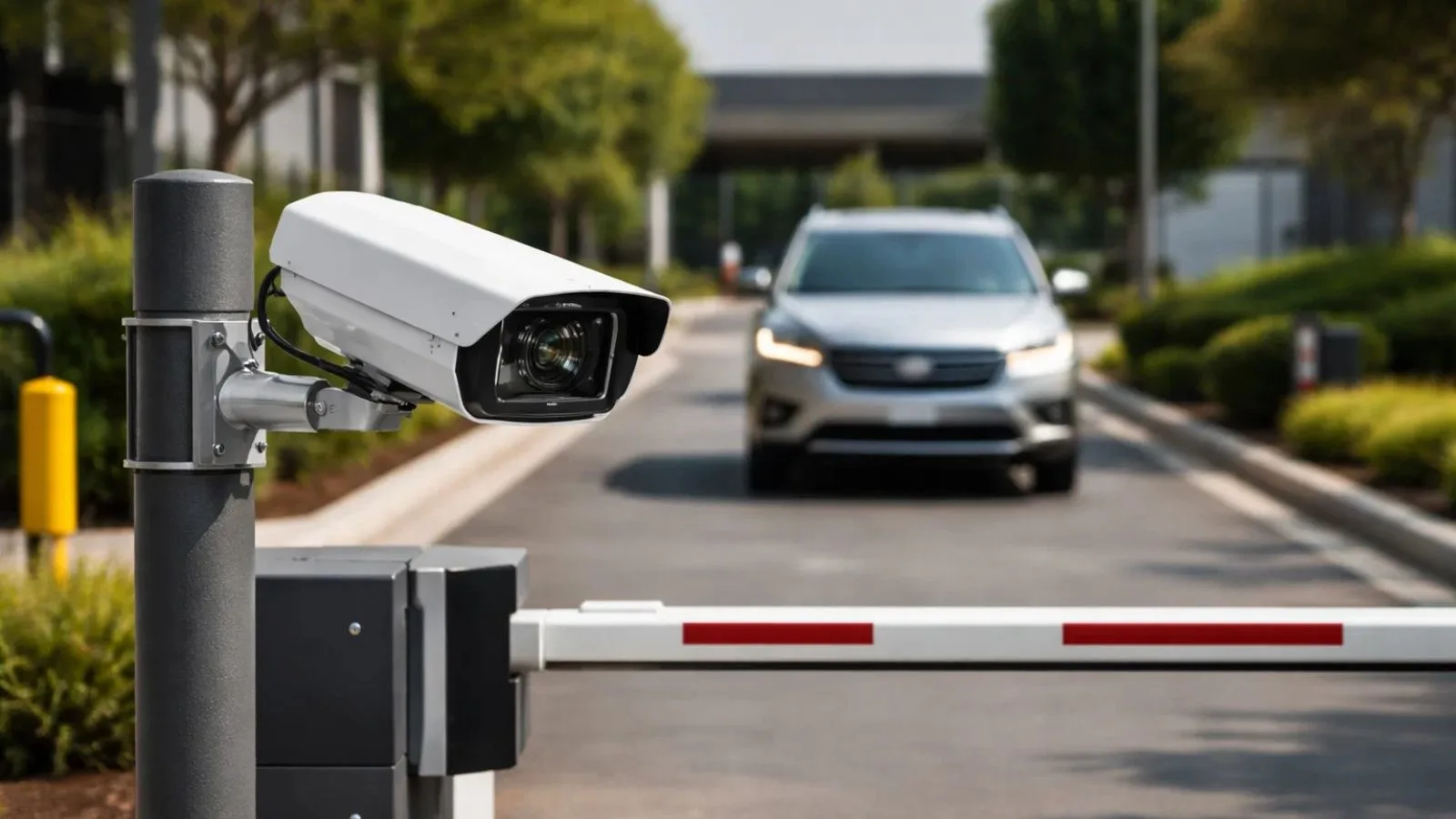
Even the best LPR camera won’t perform well if improperly installed. Following proven installation best practices maximizes accuracy and system longevity.
1. Camera Placement and Positioning:
Mount your license plate recognition camera perpendicular to traffic flow when possible, positioned to capture plates at a 30-45 degree angle for optimal OCR performance. The ideal mounting height is 3-6 feet above the license plate level, though this varies based on vehicle types in your environment.
For parking applications, position cameras where vehicles naturally slow down, such as entry gates, speed bumps, or turns. This improves capture rates compared to areas where vehicles maintain higher speeds.
2. Lane Width Considerations:
A single lpr camera typically covers one traffic lane effectively. Attempting to monitor multiple lanes with a single camera reduces accuracy and may miss vehicles entirely. For multi-lane scenarios, deploy dedicated cameras per lane or invest in specialized wide-angle models designed for multi-lane coverage.
3. Lighting Optimization:
While modern LPR cameras include powerful IR illuminators, supplemental lighting often improves performance. Position lighting to minimize glare and shadows on plates. Avoid backlighting situations where vehicles approach with bright light sources behind them, as this can create exposure challenges.
4. Network Infrastructure:
Ensure adequate network bandwidth for data transmission, especially for high-resolution systems or multi-camera deployments. Most systems require 4-8 Mbps per camera for full-resolution streaming. Use quality network switches and cabling. PoE+ switches simplify installation by delivering both data and power over a single cable.
5. Testing and Calibration:
Never consider installation complete without thorough testing across different scenarios. Test various vehicle types, speeds, lighting conditions, and plate styles common in your region. Fine-tune camera angles, exposure settings, and recognition parameters based on real-world results rather than theoretical specifications.
Also Read:
Enhance Your LPR System with VideoraIQ:
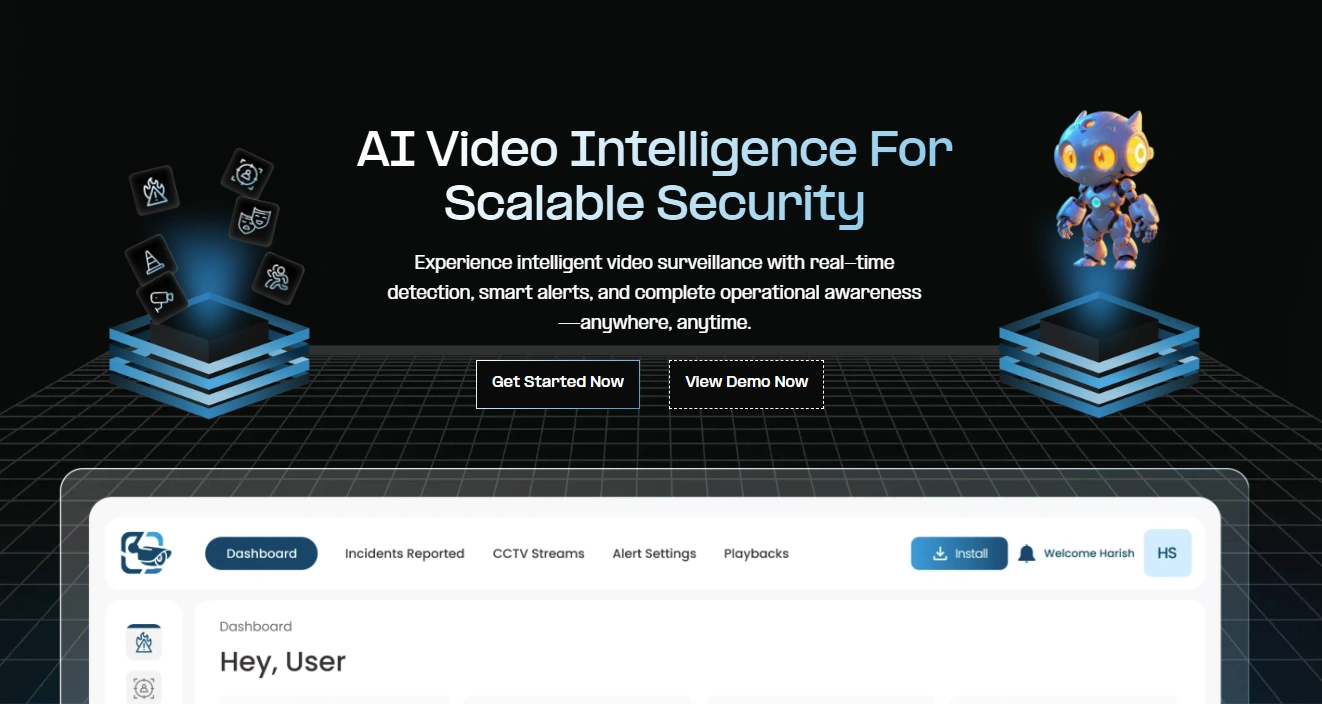
For businesses looking to get more from their LPR investment, VideoraIQ’s AI-powered video analytics platform adds powerful intelligence beyond basic plate capture. It integrates seamlessly with your existing camera infrastructure and delivers:
- Vehicle Make, Model & Color Recognition: Identifies vehicle details in real time for richer security data.
- Loitering Alerts: Flags vehicles lingering in restricted areas and triggers instant notifications.
- Suspicious Behavior Detection: Detects unusual patterns like repeated entries or abnormal access hours.
- Centralized Multi-Location Dashboard: Monitors all sites from a single, unified interface.
- Cloud-Based & Scalable: No additional hardware required, with flexible subscription plans that grow with your business.
VideoraIQ turns your LPR system into a comprehensive security intelligence solution.
Conclusion:
Selecting the right LPR camera requires balancing technical specifications, budget constraints, and deployment requirements. Prioritize cameras offering high resolution, reliable day/night performance, and integration capabilities that match your existing infrastructure.
Remember that total cost extends beyond the initial hardware purchase to include software, installation, and ongoing maintenance. Proper installation following manufacturer guidelines and industry best practices dramatically impacts system performance and longevity. By carefully evaluating your specific needs and following the guidance in this buying guide, you’ll be well-positioned to make an informed investment that delivers reliable license plate recognition for years to come.
FAQ’s:
Q1: What is the average lifespan of an LPR camera?
Ans: Quality systems typically last 5-7 years with proper maintenance. Technological advances may drive earlier upgrades for enhanced features rather than hardware failure.
Q2: Can LPR cameras read damaged or obscured plates?
Ans: Modern systems handle minor dirt and wear, but severely damaged, intentionally obscured, or non-standard plates significantly reduce accuracy. Advanced AI-enabled models show improved performance with challenging plates.
Q3: Do I need internet connectivity for LPR cameras?
Ans: Basic functionality works offline, but cloud processing, remote access, centralized management, and integration with external databases require internet connectivity. Hybrid systems offer edge processing with optional cloud features.
Q4: Are LPR cameras legal for private use?
Ans: Generally yes for private property, but regulations vary by jurisdiction. Consult local privacy laws regarding data retention, sharing, and notification requirements before deployment.