

Security has evolved far beyond installing cameras and storing footage. Businesses today face complex operational risks, growing compliance requirements, and higher customer safety expectations. Cameras alone cannot handle these demands. Organizations need structured monitoring, intelligent alerts, and centralized control. That is where a video management system becomes essential.
A well-designed video management system does more than record events. It connects cameras, organizes data, analyzes activity, and helps teams respond in real time. Whether you operate a retail chain, manage industrial facilities, or supervise multiple office locations, the right solution strengthens both security and operational visibility.
In this guide, we explore how modern surveillance works, why businesses rely on intelligent systems, and how advanced AI platforms like VideoraIQ elevate performance even further.
In a hurry? Listen to the blog instead!
What Is A Video Management System?
It is a software that connects security cameras into a unified platform. It allows users to monitor live feeds, store recorded footage, configure alerts, and manage access permissions from a centralized dashboard.
Instead of switching between isolated devices, security teams gain a single interface that simplifies oversight. A professional video management system supports:
- Live monitoring
- Event-based recording
- Smart search and playback
- Remote access
- Multi-user management
- Integration with analytics tools
Modern businesses treat their video management system as the backbone of surveillance infrastructure.
Why Businesses Need More Than Cameras?
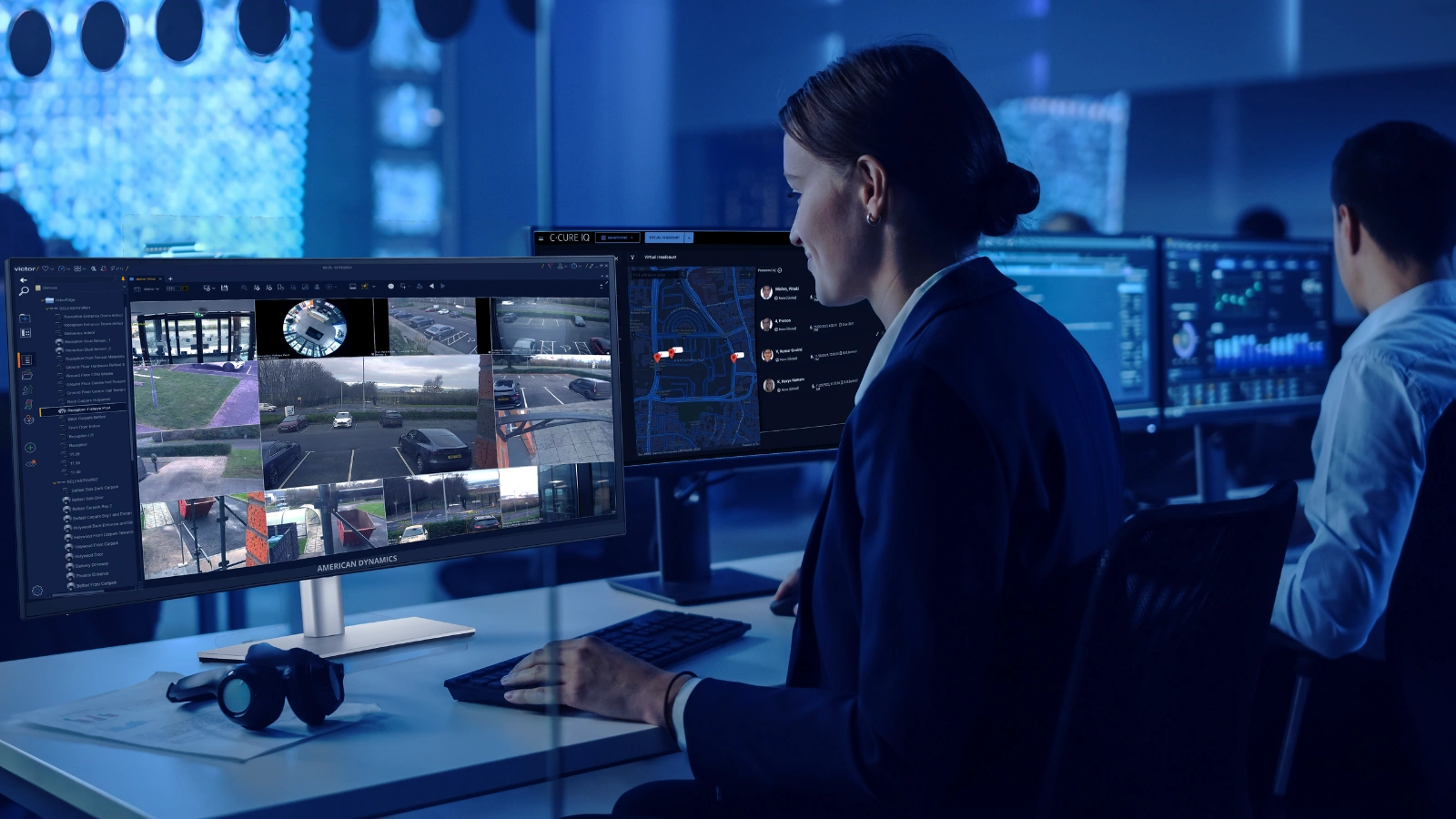
Many organizations install cameras but fail to implement structured management. This often results in missed incidents, delayed responses, and poorly organized footage that becomes difficult to retrieve during critical moments.
A robust video management system eliminates these inefficiencies by:
Centralizing all camera feeds:
Brings live and recorded footage from multiple locations into a single dashboard, allowing security teams to monitor everything without switching between systems.
Automating alerts:
Sends real-time notifications when unusual activity, motion, or rule violations occur, enabling immediate action instead of manual detection.
Reducing manual monitoring:
Uses intelligent analytics to highlight suspicious events so teams focus only on relevant footage rather than watching screens continuously.
Organizing video storage:
Categorizes recordings by date, time, and event type, making retrieval fast and efficient during audits or investigations.
Accelerating investigation processes:
Allows quick search, playback, and evidence export, helping management respond confidently to incidents or compliance requirements.
Cameras capture activity, but structured management ensures teams interpret events accurately and respond without delay.
Also Read:
Video Management Software: Features, Pricing & Guide
What Are The Core Features Of A Modern Video Management System?
Technology has transformed surveillance into a smart, proactive ecosystem. Today’s video management system platforms offer advanced capabilities that help businesses manage security efficiently, streamline operations, and scale as they grow.
Centralized Monitoring:
Provides a single dashboard to oversee multiple cameras and locations simultaneously, making it easier for security teams to track activity and respond to incidents quickly.
Cloud and Hybrid Deployment:
Allows remote access to live feeds and recordings from anywhere, reducing dependency on physical servers and enabling faster scalability for multi-location operations.
Smart Event Search:
Lets users quickly find footage by motion, time, or specific triggers, saving hours of manual review and accelerating investigations.
Scalability:
Supports adding new cameras, locations, or users without disrupting existing operations, ensuring the system grows with the business.
Role-Based Access:
Enables administrators to define viewing and control permissions based on roles, protecting sensitive areas while giving staff access to only what they need.
How Does Cloud Deployment Support Multi-Location Surveillance?
Businesses operating across branches require centralized visibility. Cloud-based deployment simplifies this challenge.
Instead of installing servers at every site, organizations can rely on the best cloud vms for multi-location surveillance to manage distributed operations efficiently.
A cloud-powered video management system enables:
- Real-time access from headquarters
- Centralized compliance reporting
- Reduced hardware maintenance
- Faster deployment at new locations
This flexibility supports expansion without operational complexity.
How Can Existing CCTV Infrastructure Be Integrated with Modern Systems?
Upgrading surveillance doesn’t always mean replacing existing hardware. Many businesses already have IP-based cameras and simply need smarter management and analytics.
Modern vms software for cctv integrates seamlessly with current infrastructure, allowing organizations to:
- Enhance Performance Without Replacing Hardware: Improve monitoring capabilities, alerts, and analytics while retaining existing cameras.
- Save Costs on Upgrades: Avoid large-scale hardware replacements, reducing capital expenditure and downtime.
- Modernize Surveillance Capabilities: Add features like remote access, AI-driven analytics, and centralized management to legacy systems.
This approach allows businesses to strengthen security efficiently while protecting previous investments.
Also Read:
How Cloud-Based Video Surveillance Unlocks Smarter Security?
How Can AI and Analytics Transform Modern Surveillance?
Artificial intelligence has redefined how organizations approach monitoring. Rather than relying solely on passive recording, businesses now seek proactive detection that identifies threats and operational issues in real time.
An intelligent system integrates AI-based analytics to enhance situational awareness and improve decision-making.
Key AI capabilities include:
Motion Detection:
Automatically identifies movement in predefined zones, reducing the need for constant human monitoring and highlighting potential security events immediately.
Facial Recognition:
Accurately detects and identifies individuals, enabling access control, employee verification, and preventing unauthorized entry.
Object Tracking:
Monitors objects as they move through camera coverage areas, helping detect suspicious behavior, abandoned items, or inventory misplacement.
Behavioral Analysis:
Uses patterns and activity trends to detect unusual behavior, such as loitering, crowd formation, or deviations from normal workflows, allowing timely intervention.
Modern solutions like VideoraIQ take these capabilities even further by combining AI-driven monitoring with intelligent alerts and real-time analytics.
By analyzing live video streams continuously, it allows businesses to detect unusual activity instantly, reduce manual oversight, and improve response times. Its scalable architecture ensures that organizations of any size can enhance security and operational efficiency without overhauling existing infrastructure.
Why Does VideoraIQ Strengthens Your Video Management Strategy?
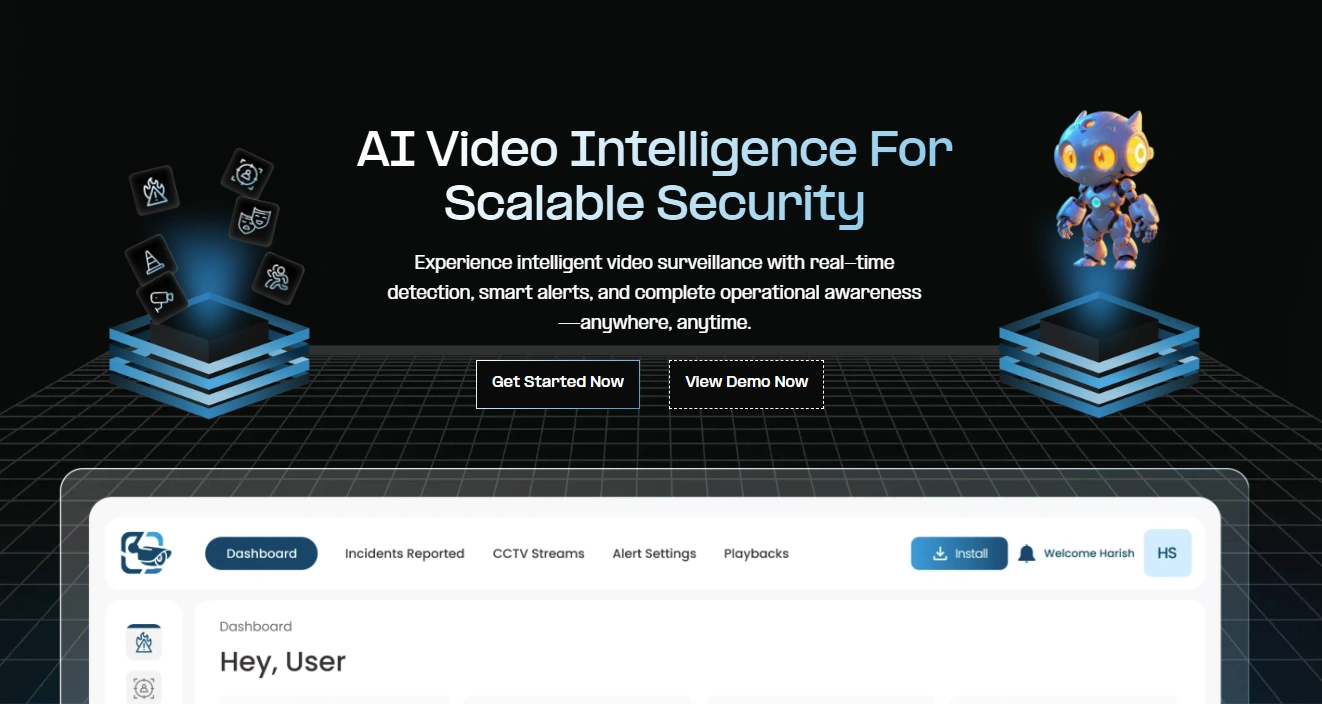
Choosing the right surveillance platform requires intelligence, scalability, and automation. VideoraIQ enhances the capabilities of your existing video management system by adding advanced analytics, real-time alerts, and actionable insights.
Advanced Face Recognition:
VideoraIQ enables accurate identity verification. Businesses monitor authorized personnel and prevent unauthorized entry with precision.
Intrusion and Line Cross Detection:
The platform detects movement across predefined boundaries. Warehouses and factories strengthen perimeter security instantly.
Object and Unattended Baggage Detection:
VideoraIQ identifies suspicious objects or unattended items, improving safety compliance in commercial and public environments.
Fire and Smoke Detection:
Early detection protects assets and lives. VideoraIQ identifies smoke patterns and fire indicators before escalation.
Unauthorized Access Alerts:
Instant alerts notify teams about restricted area violations. This reduces internal risks and enhances compliance monitoring.
Cashier Absence Detection:
Retail operations benefit from automated monitoring of checkout counters. Management improves service efficiency and minimizes revenue leakage.
Number Plate Detection:
Parking areas and logistics hubs automate vehicle tracking through intelligent number plate recognition.
When integrated with a centralized video management system, VideoraIQ transforms surveillance into strategic intelligence.
Operational Benefits Beyond Security
Modern businesses use surveillance data to improve performance metrics. A structured video management system supports:
- Workflow monitoring
- Footfall analysis
- Queue management
- Delivery tracking
- Safety compliance verification
When AI tools like VideoraIQ integrate into the ecosystem, organizations move from surveillance to operational optimization.
Companies offering professional video monitoring services also rely on advanced platforms to manage client networks effectively and deliver reliable oversight.
How Can Businesses Ensure Data Security And Compliance?
Security footage often contains sensitive information, and protecting it from breaches or unauthorized access is critical for modern organizations.
A secure vms cctv infrastructure helps by providing:
- Encrypted Storage: Safeguards recorded footage from unauthorized access or cyber threats.
- Multi-Factor Authentication: Ensures that only authorized personnel can log in and access the system.
- Audit Trails: Maintains detailed records of system activity, helping with accountability and compliance reporting.
- Controlled User Permissions: Allows administrators to assign role-based access, limiting sensitive data exposure.
By implementing these measures, businesses can protect both physical and digital assets while meeting regulatory and compliance standards efficiently.
How To Choose The Right Video Management System?
Selecting the right platform requires careful evaluation.
Assess Business Scale:
Small offices require basic functionality. Enterprises need advanced integration and scalability.
Prioritize Flexibility:
A strong video management system adapts to expansion and technological upgrades.
Verify Integration:
Ensure compatibility with existing cameras and analytics platforms.
Evaluate User Experience:
A clear dashboard improves decision-making speed.
Consider AI Enhancement:
Integrating solutions like VideoraIQ ensures your video management system stays future-ready.
Final Thoughts
Surveillance today demands intelligence, speed, and scalability. Cameras alone cannot deliver these advantages. A centralized video management system provides structured oversight, secure storage, and real-time accessibility.
When enhanced with AI-driven platforms like VideoraIQ, surveillance transforms into an intelligent operational tool. Businesses strengthen security, improve efficiency, and gain valuable insights.
As risks grow and compliance expectations rise, investing in a scalable and AI-enabled video management system ensures long-term protection and sustainable growth.
FAQs
1. Can I integrate older cameras with modern surveillance software?
Yes, many systems support legacy devices. Integration allows businesses to upgrade monitoring capabilities without replacing all existing cameras.
2. How does cloud storage improve security operations?
Cloud storage ensures that footage is accessible remotely, protected against local hardware failures, and easily scalable as your business grows.
3. Are AI-powered alerts accurate in crowded environments?
Modern AI analytics are designed to reduce false alarms by differentiating between normal activity and actual threats, even in high-traffic areas.