

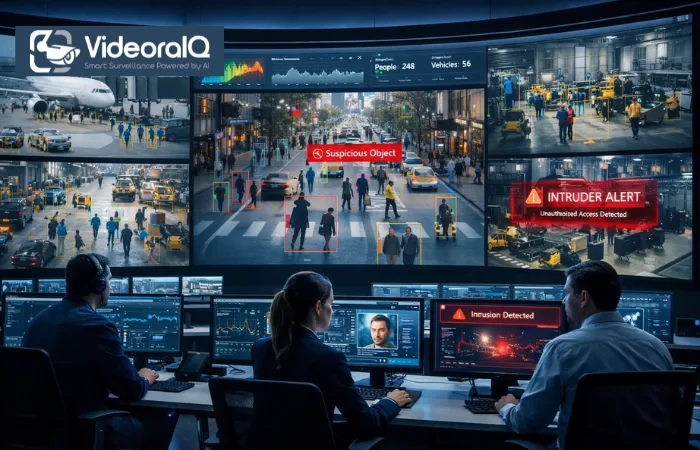
Walk through a busy airport, a distribution warehouse, or a large manufacturing plant, and you will notice the same thing: cameras everywhere. Today, many organizations are turning to video analytics solutions to make better use of these systems. Instead of only recording footage, cameras can now help teams monitor activity and identify important events in real time.
For years, surveillance cameras have been used to review incidents after something goes wrong. This approach leaves a gap because teams often discover problems only after they occur.
Video analytics help bridge this gap by turning passive cameras into active monitoring systems. Instead of simply storing footage, these platforms use artificial intelligence and computer vision to analyze live video streams, recognize patterns, detect unusual activity, and alert teams when something requires immediate attention.
This blog explores how video analytics systems work, the key capabilities modern platforms provide, and what organizations should consider when choosing the right solution for their environment.
Listen To the Podcast
What Are Video Analytics Solutions?
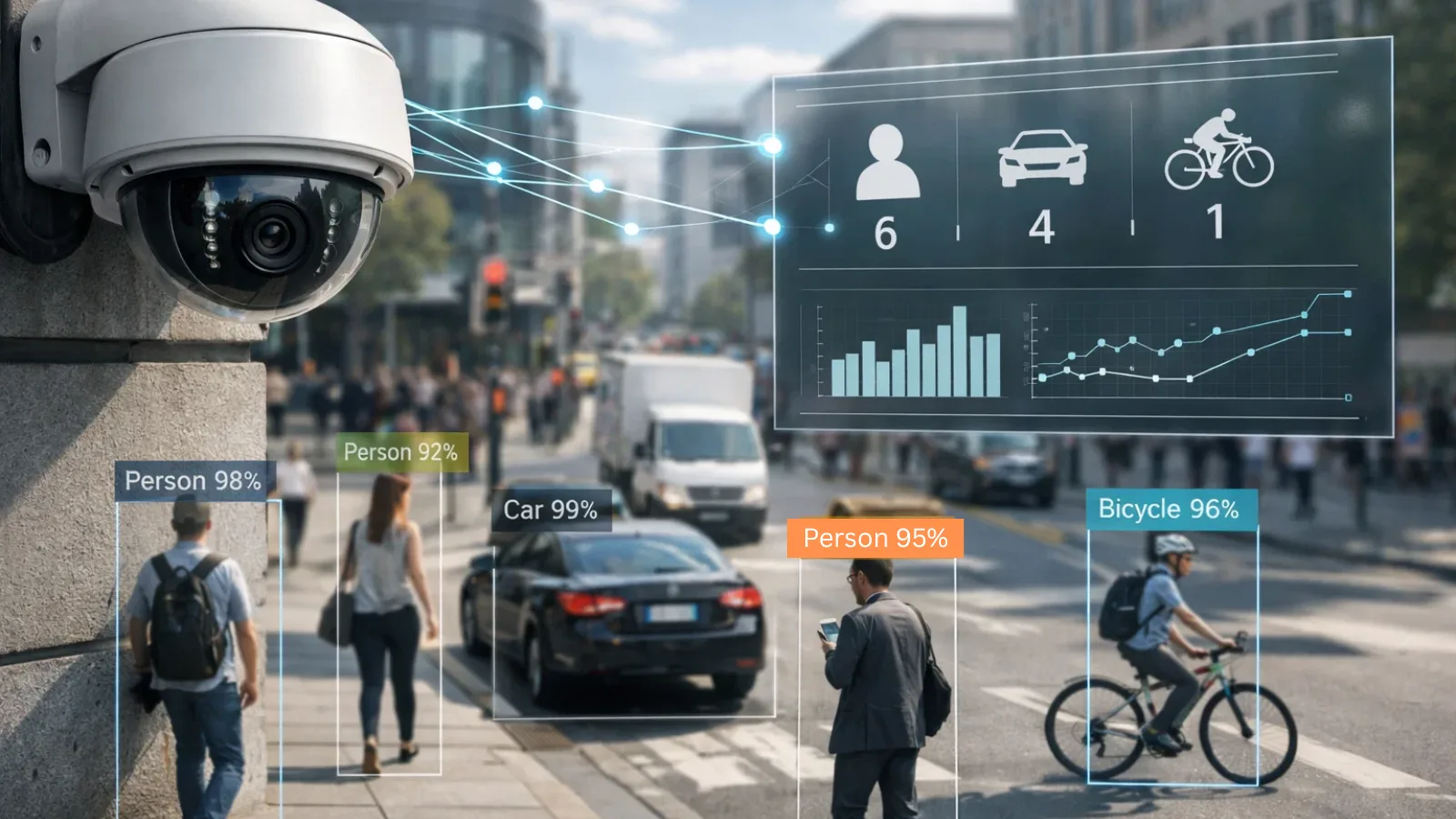
Video analytics convert raw video footage into usable information.
Traditional surveillance systems capture and store video for later review. Security staff often monitor multiple screens at once, trying to spot unusual activity as it happens. In facilities with hundreds of cameras, that approach quickly becomes overwhelming.
Video analytics adds an automated intelligence layer to that process.
Artificial intelligence analyzes each frame of video in real time. The system recognizes objects, tracks movement, and looks for patterns that indicate potential issues. When something unusual occurs, such as an unauthorized entry, an unattended object, or a safety violation, the system generates an alert.
The difference is significant. Cameras no longer act only as recording devices. Instead, they become part of an active monitoring system.
Many organizations now rely on intelligent video analytics solutions to strengthen security operations, manage facilities more efficiently, and gain real-time visibility into complex environments.
Why Video Analytics Matters Today
Several trends have accelerated the adoption of video analytics solutions.
Camera deployments have grown rapidly. Large organizations may operate hundreds or even thousands of cameras across multiple locations.
Monitoring that volume of footage manually is simply unrealistic.
Even the most attentive security team cannot watch dozens of screens at once without missing important details. Fatigue and limited staffing create unavoidable blind spots.
Video analytics help solve this problem by continuously analyzing video streams and highlighting only the events that require attention.
Another factor is the growing value of operational data. Video feeds contain insights about how people move through spaces, how equipment is used, and how workflows unfold. With computer vision video analytics solutions, that information can be extracted automatically.
As a result, video analytics are no longer limited to security applications. Many organizations now treat them as part of a broader operational intelligence strategy.
How Video Analytics Solutions Work
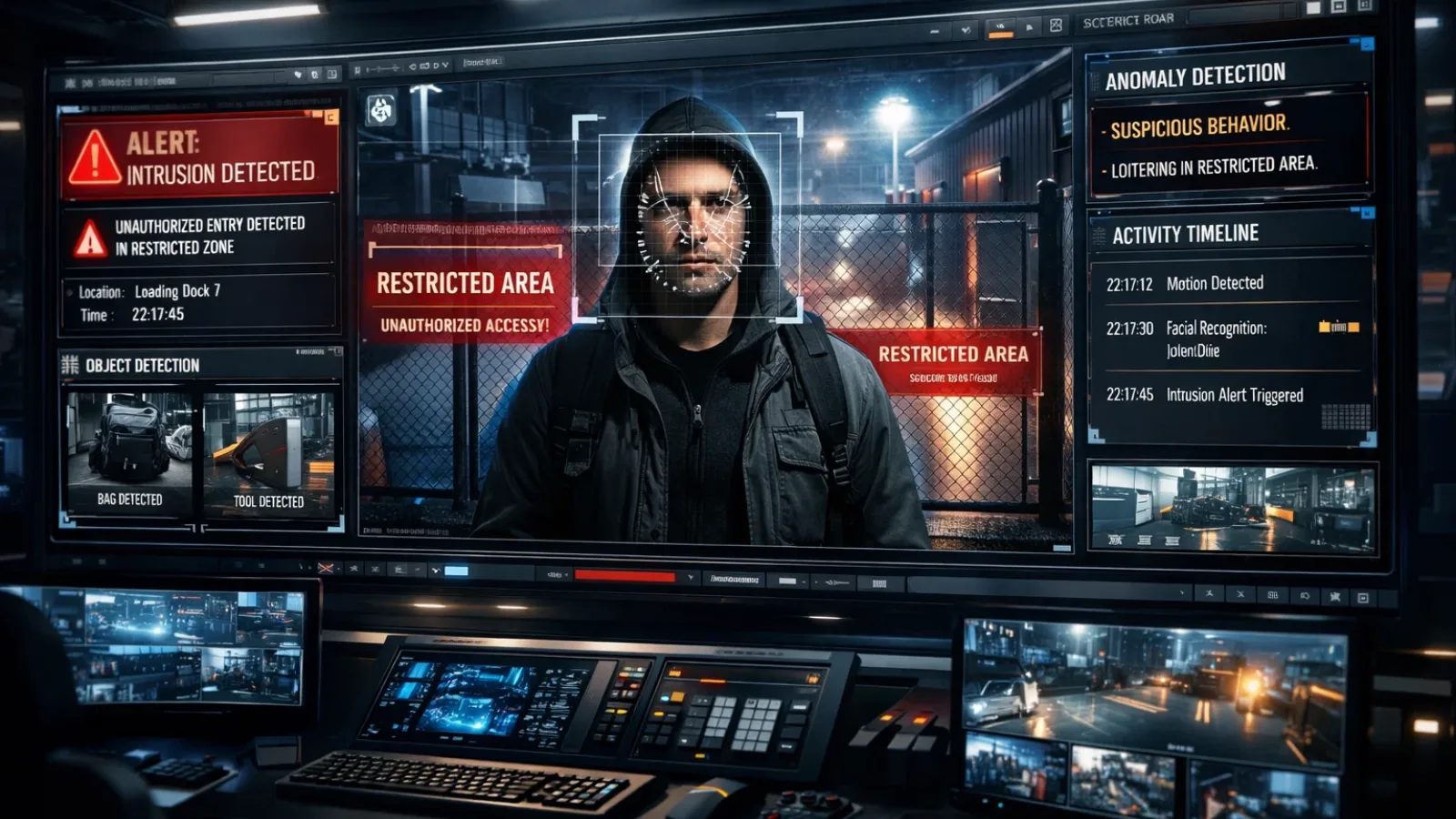
Behind every deployment, video analytics solutions rely on several technologies working together to interpret visual data. While platforms vary in complexity, the underlying process generally follows a similar sequence.
Understanding this workflow can help organizations evaluate which video analytics best fit their infrastructure.
Step 1: Video Capture
Everything starts with cameras.
Most video analytics integrate with existing surveillance equipment such as IP cameras, CCTV systems, or PTZ cameras. Some environments also incorporate mobile cameras or drone footage.
These devices continuously capture video streams and send the data to an analytics platform for processing.
In many cases, organizations can implement video analytics without replacing their existing camera infrastructure. The analytics layer simply connects to current systems.
Step 2: AI Video Processing
Once the video feed reaches the analytics engine, artificial intelligence begins examining the footage.
Modern solutions rely on a combination of computer vision, deep learning models, and object detection algorithms. These technologies allow the system to identify elements within a scene: people, vehicles, equipment, or other objects.
Each frame of video is analyzed in real time. The system then tracks how objects move and interact within the environment.
This is where computer vision video analytics solutions deliver their biggest advantage. Rather than simply storing visual data, they interpret it.
Step 3: Event Detection and Pattern Recognition
After identifying objects, video analytics analyzes behavior and patterns.
The system looks for predefined conditions or anomalies. For example, it may detect someone entering a restricted area, an individual lingering near sensitive equipment, or a sudden buildup of people in a crowded space.
Some platforms also include facial recognition video analytics, allowing the system to compare detected faces against authorized personnel lists or security watchlists.
Through pattern recognition, video analytics dramatically reduce the need for constant human monitoring.
Step 4: Alerts and Actionable Insights
Once an event is detected, the system delivers the information to operators.
Video analytics generate alerts through monitoring dashboards, mobile devices, or integrated security platforms. Instead of reviewing hours of footage, security teams are notified immediately when something important occurs.
Over time, these systems also produce analytical insights. Organizations can examine trends, measure activity levels, and evaluate operational performance across facilities.
At that point, the camera network becomes more than a surveillance system; it becomes a source of business intelligence.
Also Read
Key Features Of Modern Video Analytics Solutions
While capabilities vary between vendors, most modern video analytics include several core features that support both security monitoring and operational insights.
Understanding these capabilities helps organizations evaluate different platforms more effectively.
Object Detection and Tracking
One of the most fundamental functions of video analytics is object detection.
The system identifies people, vehicles, equipment, and other objects within a video scene. Once detected, these objects can be tracked as they move across multiple frames.
Tracking movement allows video analytics to detect behavioral patterns and highlight unusual activity.
Facial Recognition
In certain environments, such as secure facilities or transportation hubs, identity verification plays an important role.
Facial recognition video analytics compare detected faces against stored databases. The system can confirm authorized access or flag unknown individuals entering restricted areas.
This capability is commonly used in airports, government facilities, and high-security corporate campuses.
License Plate Recognition
Vehicle monitoring is another valuable feature.
License plate recognition allows video analytics to automatically read and log vehicle numbers as they enter or exit a facility. Parking areas, logistics centres, and industrial sites frequently use this capability to manage access and track vehicle activity.
Behavior and Anomaly Detection
Advanced solutions go beyond simple object detection. They analyze behavior.
The system can identify actions such as loitering, unauthorized zone entry, or unusual movement patterns. In crowded environments, it may also detect rapid increases in crowd density.
These insights allow security teams to intervene before incidents escalate.
Real-Time Alerts and Notifications
Timing is critical during security incidents.
Modern analytics generate alerts the moment predefined conditions are triggered. Notifications may appear on monitoring dashboards or be sent directly to security personnel through mobile devices.
This targeted approach allows operators to focus on meaningful events rather than constantly scanning camera feeds.
Integration with Security Systems
Most organizations operate multiple security technologies simultaneously.
For this reason, modern video analytics integrate with video management systems, access control platforms, and alarm monitoring systems. Integration ensures that analytics insights flow into the broader security ecosystem.
Real-World Use Cases for Video Analytics Solutions
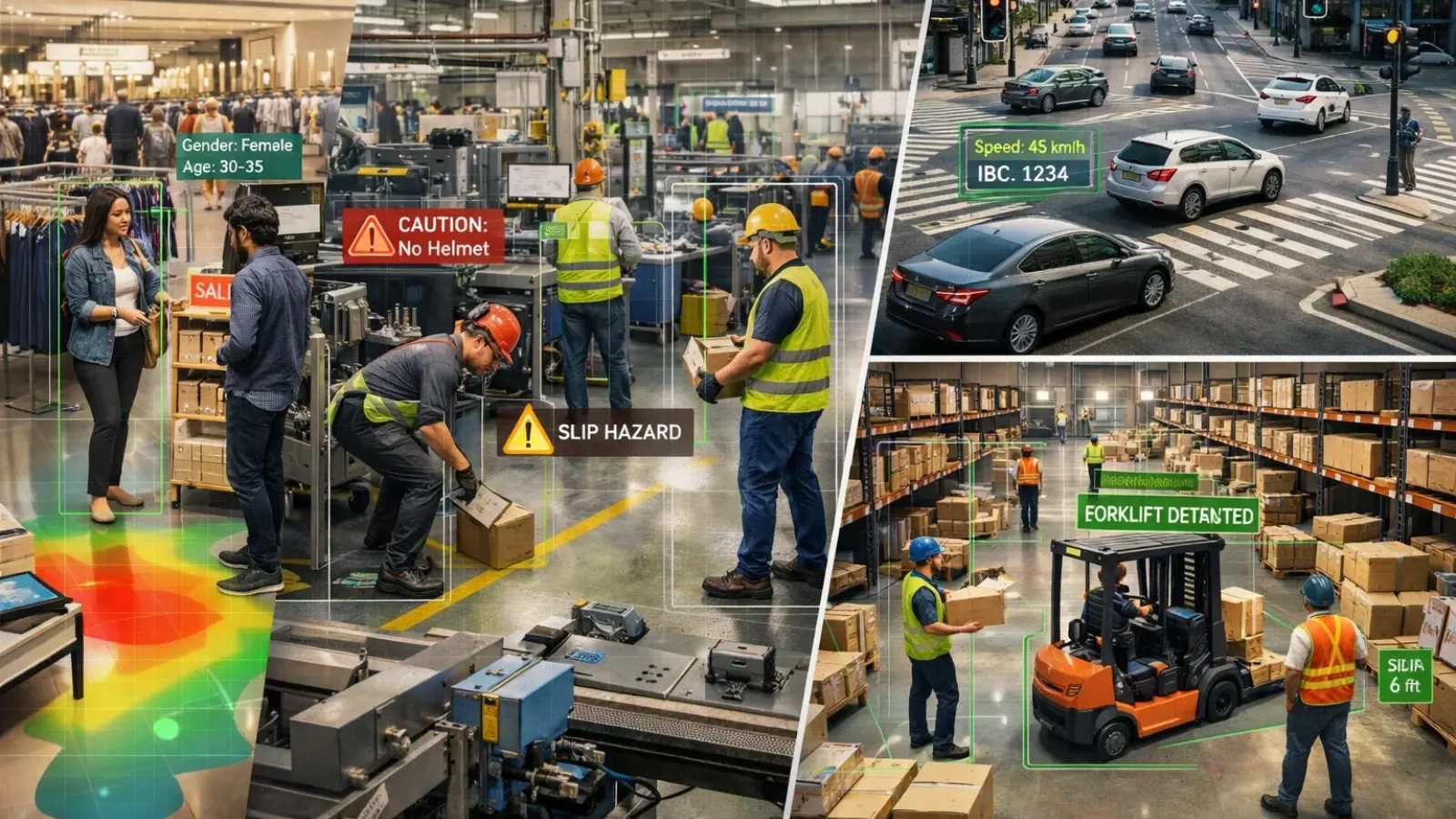
Organizations deploy video analytics across a wide range of operational scenarios. The specific application often determines which features are most valuable.
Security and Surveillance
Security monitoring remains one of the most common uses for a video analytics solution.
AI systems automatically detect intrusions, unauthorized access attempts, and suspicious behavior. Instead of manually reviewing hours of footage, security teams receive alerts when relevant events occur.
Large facilities with extensive camera networks benefit particularly from this approach.
Retail Operations
Retail environments generate significant behavioral data.
With retail video analytics solutions, store operators can analyze customer movement patterns, detect shoplifting behavior, and monitor checkout queues. These insights help improve store layouts and reduce operational friction.
Quick Service Restaurants
Restaurants face a constant challenge: balancing speed and service quality.
Many chains now use QSR video analytics solution to monitor drive-through lanes, measure queue times, and track order processing speeds. Managers can quickly identify service bottlenecks and adjust staffing during peak hours.
Manufacturing and Industrial Facilities
Safety is a top priority in the industrial sector.
Facilities implementing video analytics solutions for steel plant operations use AI to monitor safety compliance. Systems can detect missing protective equipment, unauthorized access to hazardous zones, or unsafe machine interactions.
These capabilities help prevent accidents and strengthen workplace safety.
Smart Cities and Urban Infrastructure
Cities are increasingly adopting video analytics to manage urban infrastructure.
Traffic monitoring, crowd management, and public safety surveillance all benefit from automated video analysis. By analyzing activity patterns across public spaces, city planners gain valuable insights into how urban environments function.
Logistics and Transportation
Logistics centers operate around the clock, often managing high volumes of vehicles and shipments.
Video analytics help monitor loading docks, track vehicle movement, and identify operational delays. Over time, these insights can improve throughput and reduce inefficiencies across supply chains.
How to Find the Right Video Analytics Solution
Choosing among different video analytics involves more than reviewing feature lists. Organizations should evaluate how well each platform aligns with their operational priorities and technical environment.
Step 1: Identify Key Use Cases
Start by defining the problem you want to solve.
Is the goal to strengthen security monitoring? Improve operational visibility? Enhance safety compliance?
Clear use cases make it easier to evaluate which video analytics solution will deliver the most value.
Step 2: Evaluate AI Capabilities
Not all analytics platforms offer the same level of sophistication.
Some video analytics solutions provide advanced behavioral detection and facial recognition capabilities. Others focus primarily on object detection.
Testing detection accuracy and false alarm rates is essential before committing to a deployment.
Step 3: Check Infrastructure Compatibility
Compatibility with existing hardware can significantly affect deployment costs.
Organizations should confirm that video analytics solutions integrate smoothly with current cameras, networks, and video management systems.
Step 4: Decide on the Deployment Model
Deployment architecture influences performance and scalability.
Some video analytics solutions process video directly at the edge, near the camera. Others rely on centralized cloud infrastructure. Hybrid approaches combine both methods.
Each option offers different advantages depending on network capacity and operational requirements.
Step 5: Plan for Scalability
Many deployments begin with a pilot program.
The most effective video analytics solution allows organizations to expand gradually from a handful of cameras to hundreds or even thousands without major infrastructure changes.
How Videora IQ Enhances Existing Surveillance Systems
Modern surveillance systems generate huge amounts of video every day, but much of that footage often goes unexamined. Platforms like Videora IQ help organizations turn camera footage into practical insights by using AI to monitor activity and detect events in real time. Because it is a software platform, organizations typically do not need to purchase special cameras. It can work with many existing IP cameras and CCTV setups, making it easier to add intelligent monitoring without replacing current infrastructure.
Some of the key capabilities include:
- Face Recognition—Identify and track individuals to support access control and security audits.
- Intrusion Detection—Detect unauthorized movement in restricted zones and send real-time alerts.
- Object Detection—Identify suspicious or unattended objects in live video feeds.
- Unauthorized Access Alerts—Notify teams immediately when someone attempts to enter restricted areas.
- Line-Cross Detection – Monitor virtual boundaries and trigger alerts when someone crosses defined perimeters.
- Fire and Smoke Detection—Identify early signs of fire or smoke to support faster emergency response.
- Cashier Absence Detection—Monitor retail counters to ensure staff presence and maintain service levels.
- Unattended Baggage Detection—Detects abandoned items in public or high-traffic areas.
- Number Plate Recognition—Automatically capture and log vehicle license plates for access monitoring.
Together, these capabilities help organizations strengthen security, respond faster to incidents, and gain better visibility into daily activity across their facilities.
Common Mistakes When Implementing Video Analytics
Organizations exploring video analytics solutions sometimes run into challenges during implementation. Many of these issues come from incomplete planning.
Treating Analytics as Only a Security Tool
Some teams view video analytics strictly as surveillance technology.
In reality, these systems can support operations, safety management, and business intelligence across multiple departments. Limiting the scope often reduces potential value.
Ignoring Infrastructure Requirements
Video analytics requires reliable network capacity and adequate storage resources.
Deploying it without assessing infrastructure readiness can lead to performance issues.
Overlooking Privacy Regulations
Certain capabilities, especially facial recognition video analytics solutions, may fall under data privacy regulations depending on location.
Organizations should ensure deployments comply with local data protection policies.
Choosing Platforms That Cannot Scale
Pilot deployments sometimes succeed but struggle when expanded to larger camera networks.
Scalability should always be a key factor when selecting video analytics solutions.
The Future of Video Analytics Solutions
The capabilities of video analytics solutions continue to evolve rapidly.
Edge AI Processing
More analytics processing is moving closer to the camera.
Edge-based video analytics solutions reduce latency and limit bandwidth usage, making real-time monitoring more efficient.
Integration with Smart Infrastructure
Video systems are increasingly integrated with IoT sensors, building automation systems, and transportation networks.
This connectivity allows video analytics solutions to contribute directly to operational decision-making.
Predictive Analytics
Future video analytics solutions will not only detect events, but they will also anticipate them.
By analyzing historical activity patterns, AI systems may identify risks before incidents occur.
From Surveillance to Intelligence
Perhaps the biggest shift is conceptual.
Organizations are beginning to view video analytics solutions not simply as security tools but as intelligence platforms that reveal how physical environments operate.
Conclusion
Cameras are now a standard part of modern infrastructure, yet many organizations still struggle to make full use of the footage they collect.
Video analytics solutions help close that gap.
By applying artificial intelligence to video streams, these systems transform surveillance networks into intelligent platforms capable of detecting incidents, identifying patterns, and revealing operational insights.
For security teams, operations managers, and technology leaders, video analytics solutions provide more than improved monitoring. They offer a way to turn visual data into meaningful intelligence that supports better decisions.
When deployed thoughtfully and supported by platforms such as Videora IQ, video analytics solutions can unlock the true value hidden inside modern camera networks.
FAQ
What is the difference between video analytics and traditional surveillance?
Traditional surveillance systems primarily record footage for later review. Video analytics solutions analyze video automatically using artificial intelligence, detecting events and generating alerts in real time. This reduces the need for constant human monitoring.
How accurate are AI video analytics systems?
Accuracy depends on factors such as camera quality, environmental conditions, and the training of the AI models. Well-designed video analytics solutions can achieve high detection accuracy when deployed in properly configured environments.
Can video analytics work with existing CCTV cameras?
Yes. Many video analytics solutions integrate with existing IP cameras and video management platforms. This allows organizations to enhance their surveillance capabilities without replacing their entire camera infrastructure.
Which industries benefit most from video analytics?
Industries such as retail, manufacturing, logistics, transportation, and smart city infrastructure frequently use video analytics solutions. These systems help improve security monitoring, operational efficiency, and safety compliance.
Are video analytics systems cloud-based or on-premise?
Both options exist. Some video analytics solutions run on edge devices or local servers, while others process video in cloud environments. Hybrid deployments combine both approaches for flexibility and scalability.