


The rapid advancement of real-time video surveillance technology, including AI Security Cameras, has fundamentally transformed how organizations protect their assets, employees, and customers. From bustling retail centers to sensitive corporate environments, the ability to monitor and respond to security threats as they unfold has become indispensable.
However, this powerful capability brings with it significant responsibilities regarding privacy rights, data protection, and ethical implementation. As surveillance systems grow more sophisticated, finding the equilibrium between robust security measures and individual privacy has emerged as one of the most critical challenges facing businesses and institutions today.
Listen To The Podcast Now!
Understanding Real-Time Video Surveillance:
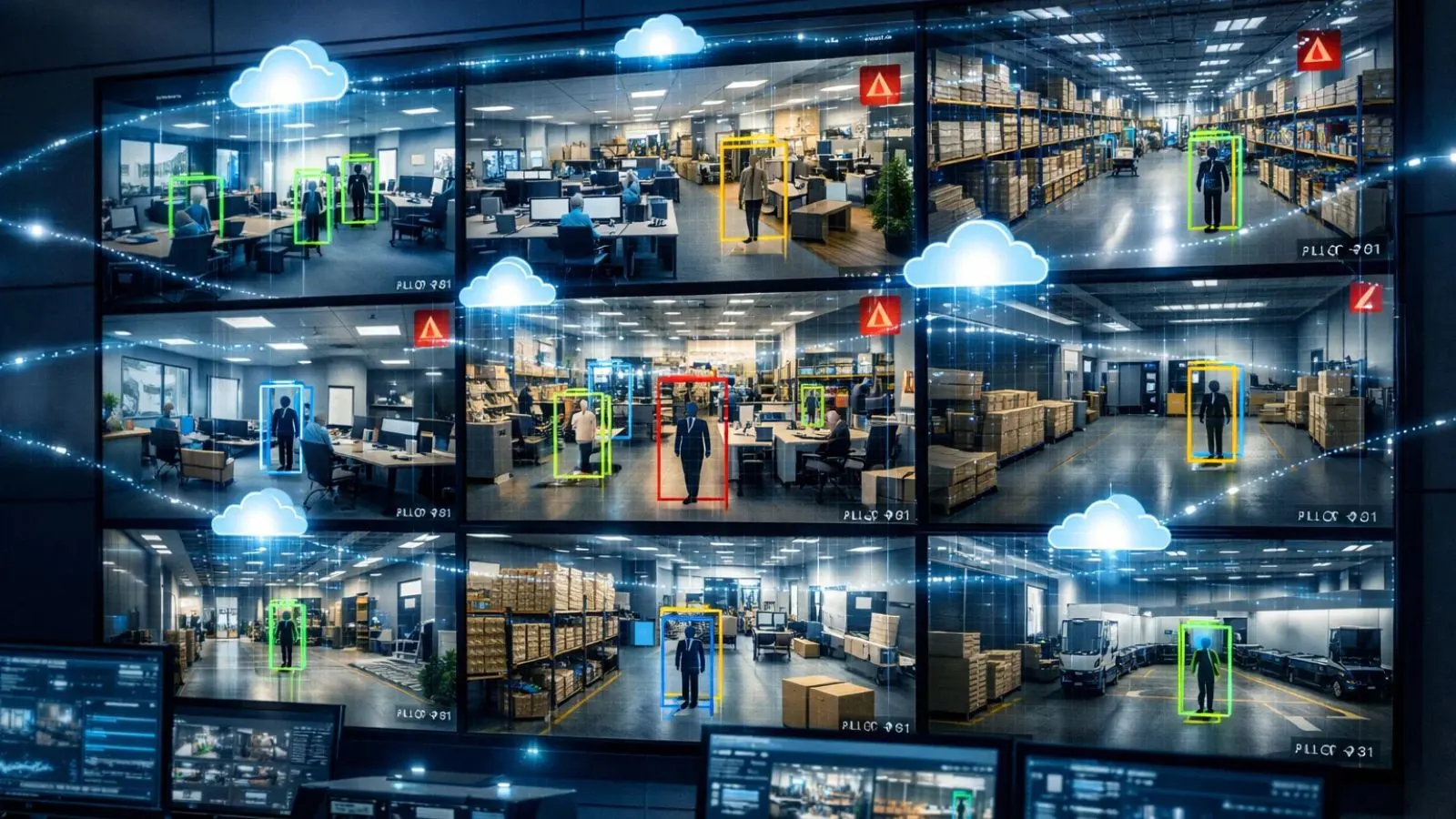
What is real time video surveillance?
At its core, it’s a security system that captures, processes, and transmits video footage instantaneously, allowing security personnel to view events as they happen rather than reviewing recorded footage after an incident occurs.
Unlike traditional CCTV systems that simply record for later review, real time video surveillance incorporates advanced technologies like artificial intelligence, motion detection, and automated alerts to enable immediate response to potential threats.
Modern systems leverage cloud computing, high-definition cameras, and sophisticated analytics to provide unprecedented visibility across multiple locations simultaneously. This technological evolution has made real-time video surveillance accessible not just to large corporations but to small and medium-sized businesses as well.
Applications Across Different Sectors:

1. Office Building Real-Time Video Surveillance:
In corporate environments, office building real-time video surveillance serves multiple purposes beyond traditional security. These systems monitor entry and exit points, track visitor movements, protect intellectual property, and ensure employee safety during emergencies.
Modern office surveillance integrates with access control systems, creating comprehensive security ecosystems that can identify unauthorized access attempts, monitor parking facilities, and even assist with space utilization analysis.
The implementation in office settings requires careful consideration of employee privacy expectations. Cameras should focus on common areas, entry points, and sensitive zones rather than personal workspaces, striking a balance between security needs and workplace privacy.
2. Industrial Real-Time Video Surveillance:
Manufacturing facilities and industrial complexes face unique security challenges that make industrial real-time video surveillance particularly valuable. These environments require monitoring of hazardous areas, tracking of valuable equipment and materials, and ensuring compliance with safety protocols.
Surveillance systems in industrial settings often incorporate thermal imaging for monitoring temperature-sensitive processes, analytics for detecting safety violations like missing personal protective equipment, and integration with emergency response systems.
The harsh conditions of industrial environments demand ruggedized cameras capable of operating in extreme temperatures, dusty conditions, and areas with vibration or chemical exposure. The real-time aspect becomes crucial for preventing accidents and responding quickly to equipment failures or safety hazards.
Key Benefits of Real-Time Monitoring:

The advantages of implementing real-time video surveillance extend far beyond simple recording capabilities:
- Immediate Threat Response: Security teams can identify and address potential threats within seconds rather than discovering issues hours or days later during footage review. This immediacy can prevent theft, vandalism, or safety incidents before they escalate.
- Proactive Security Management: Advanced analytics enable systems to detect unusual patterns or behaviors, triggering alerts before incidents occur. Whether it’s someone loitering in a restricted area or a vehicle parked suspiciously, real-time systems provide early warnings.
- Remote Monitoring Capabilities: Modern real-time video surveillance systems allow authorized personnel to monitor multiple locations from anywhere with internet connectivity. This flexibility reduces the need for on-site security staff while maintaining comprehensive coverage.
- Evidence Collection: When incidents do occur, real-time systems capture high-quality footage that can be invaluable for investigations, insurance claims, and legal proceedings.
- Operational Insights: Beyond security, surveillance data provides valuable insights into customer behavior, operational efficiency, and space utilization that can inform business decisions.
Privacy Considerations and Compliance:
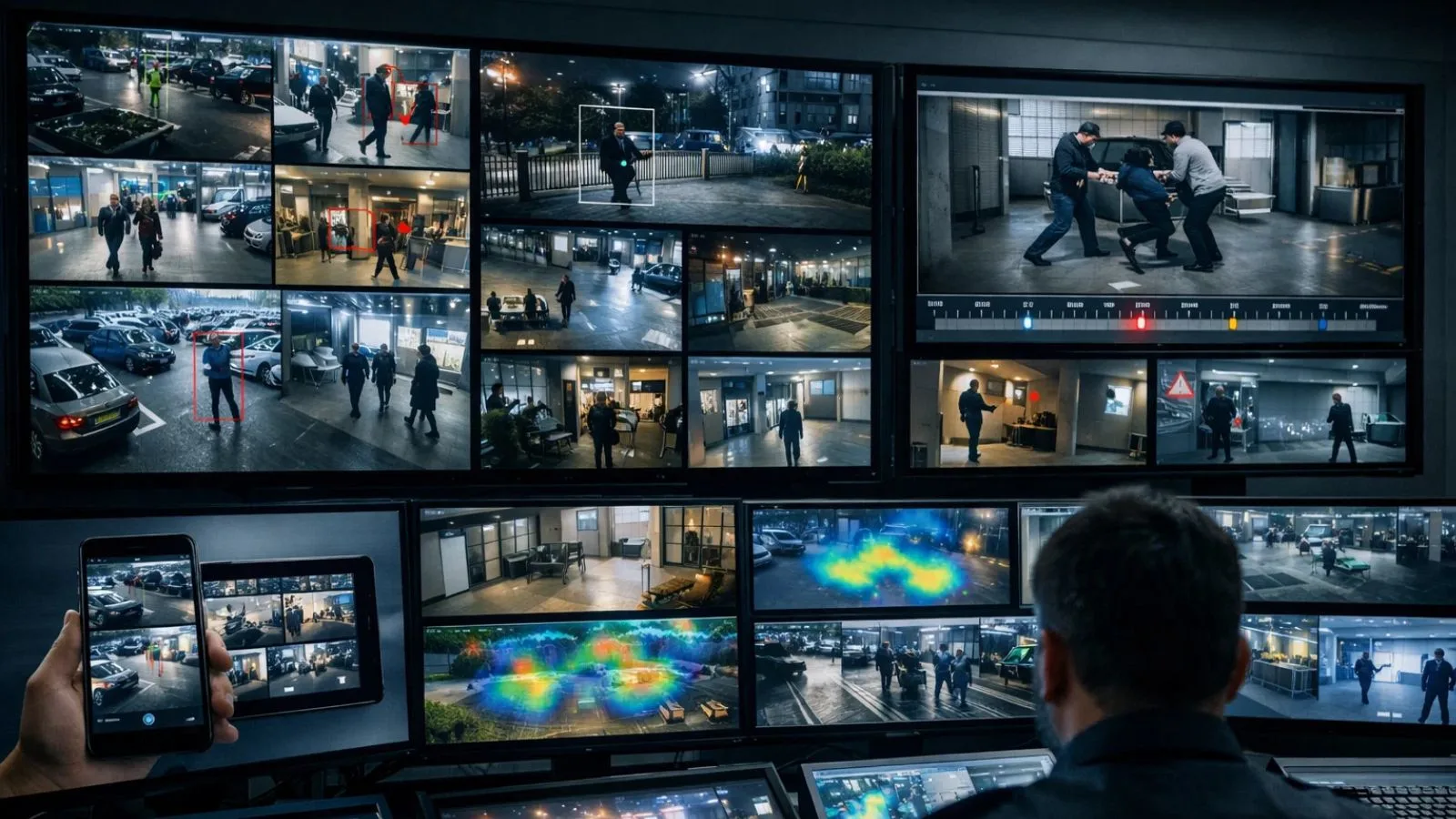
The power of real-time video surveillance comes with significant privacy implications that organizations must address thoughtfully. Privacy concerns have intensified as facial recognition, behavioral analytics, and other advanced capabilities become standard features.
Legal Framework and Regulations:
Organizations implementing video surveillance in real time must navigate a complex landscape of privacy laws and regulations. In the United States, laws vary by state, with some requiring explicit consent for recording in certain areas. The European Union’s GDPR imposes strict requirements on how personal data, including video footage, can be collected, processed, and stored. California’s CCPA and similar state laws add additional layers of compliance requirements.
Key legal considerations include:
- Notice and Disclosure: Clearly informing individuals that surveillance is in operation through visible signage and privacy policies.
- Purpose Limitation: Ensuring surveillance serves legitimate security purposes rather than excessive monitoring of personal activities.
- Data Retention: Establishing appropriate timeframes for storing footage and secure deletion procedures.
- Access Controls: Limiting who can view live feeds and recorded footage to authorized personnel only.
Best Practices for Privacy-Conscious Implementation:
Organizations can implement real-time video surveillance while respecting privacy through several strategies:
Design surveillance zones thoughtfully, avoiding areas where individuals have reasonable privacy expectations, such as restrooms, changing rooms, or private offices. Focus coverage on public areas, entry points, and locations with valuable assets.
Implement privacy masking technology that automatically blurs sensitive areas or individuals within the camera’s field of view. This technology allows monitoring of public spaces while protecting individual privacy.
Establish clear policies governing system use, including who can access footage, under what circumstances live monitoring occurs, and how long recordings are retained. Make these policies transparent and accessible to employees and visitors.
Conduct regular privacy impact assessments to identify and address potential privacy risks as technology and regulations evolve. Provide training to security personnel on privacy requirements, appropriate system use, and the importance of handling footage responsibly.
Also Read:
How VideoraIQ Enhances Your Surveillance Strategy:
When implementing real-time video surveillance, choosing the right technology partner is crucial. VideoraIQ offers an intelligent video analytics platform designed to maximize security effectiveness while addressing privacy concerns. Their solution provides:
- AI-powered threat detection that identifies genuine security concerns while minimizing false alarms
- Cloud-based architecture enabling secure remote access and eliminating expensive on-premise infrastructure
- Advanced analytics for comprehensive insights beyond basic motion detection
- Scalable deployment suitable for single locations or multi-site enterprises
- Privacy-first design incorporating features like automatic redaction and granular access controls
- Seamless integration with existing camera systems, protecting your technology investments
VideoraIQ’s platform transforms raw video feeds into actionable intelligence, helping security teams focus on real threats rather than sifting through hours of routine footage. Their commitment to balancing security capabilities with privacy protection makes them an ideal partner for organizations navigating today’s complex surveillance landscape.
Emerging Technologies and Future Trends:
The future of real-time video surveillance will be shaped by several technological advancements that promise to enhance both security effectiveness and privacy protection. Artificial intelligence and machine learning will continue advancing, enabling more sophisticated behavioral analysis while reducing false positives.
These systems will better understand context, distinguishing between genuine threats and benign activities. Edge computing will process more data directly on cameras, reducing bandwidth requirements and enhancing privacy by minimizing data transmission. This architecture allows sensitive analysis to occur locally rather than sending all footage to central servers.
Privacy-enhancing technologies like homomorphic encryption will enable analytics on encrypted video data, allowing security benefits without exposing actual imagery to human review unless necessary.
Integration with other smart building systems will create holistic security ecosystems where surveillance data coordinates with access control, environmental sensors, and emergency systems for comprehensive protection.
Conclusion:
Real-time video surveillance represents a powerful tool for protecting people, property, and assets in an increasingly complex threat environment. However, this power must be exercised responsibly, with careful attention to privacy rights and ethical implementation. Organizations that succeed will be those that view privacy not as an obstacle but as a fundamental design principle, creating surveillance programs that enhance security while respecting individual dignity. By following best practices, staying current with regulations, and leveraging privacy-conscious technologies, businesses can achieve the optimal balance between security and privacy.
FAQ’s:
Q1: How long should real-time surveillance footage be retained?
Ans: Retention periods vary by industry and jurisdiction but typically range from 30-90 days for general purposes. High-traffic locations may retain footage for shorter periods, while incident-related recordings should be preserved longer for investigations and legal proceedings.
Q2: Can employees refuse to be monitored by workplace surveillance?
Ans: This depends on jurisdiction and circumstances. Generally, employers can monitor common areas and business-critical zones, but employees may have privacy rights in certain spaces like restrooms or break rooms. Always consult local employment laws and communicate surveillance policies clearly.
Q3: What’s the difference between real-time and recorded surveillance?
Ans: Real-time surveillance allows immediate viewing and response as events unfold, enabling proactive threat prevention. Recorded systems only capture footage for later review. Modern systems typically offer both capabilities, combining live monitoring with archived footage storage.
Q4: Is audio recording legal in surveillance systems?
Ans: Audio recording laws are often stricter than video surveillance regulations. Many jurisdictions require two-party consent for audio recording, meaning all parties must be aware and agree.