

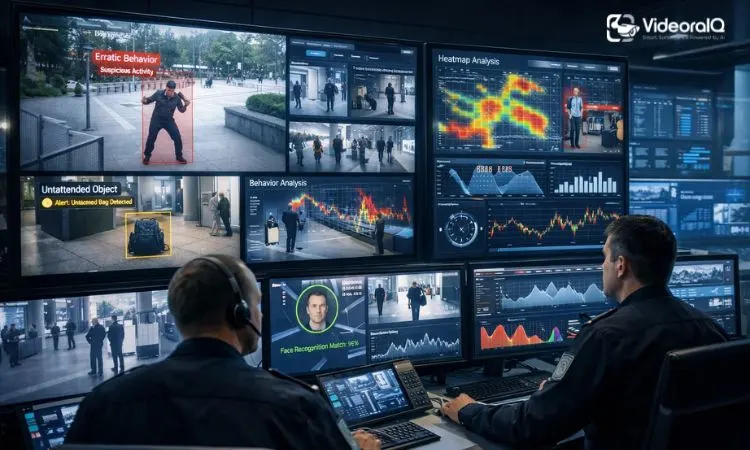
Security is no longer just about cameras recording footage; it’s about intelligent insights. Security video analytics transforms traditional surveillance by using artificial intelligence and advanced algorithms to detect unusual activity, analyze patterns, and alert security teams in real time.
With increasing concerns about theft, workplace safety, and public security, organizations are adopting video analytics for security to do more than watch; they want systems that understand what they see. From recognizing suspicious behavior to tracking objects across multiple cameras, these analytics turn raw video into actionable intelligence.
Platforms like VideoraIQ enhance this process by integrating AI-driven insights directly into security workflows. This enables teams to respond faster, make informed decisions, and create safer environments without relying solely on human monitoring.
This blog will cover what security video analytics is, its benefits, real-world use cases, and emerging trends. By the end, you’ll understand why modern security solutions aim to do more than record they aim to make every pixel count.
Listen to the podcast.
What Is Security Video Analytics?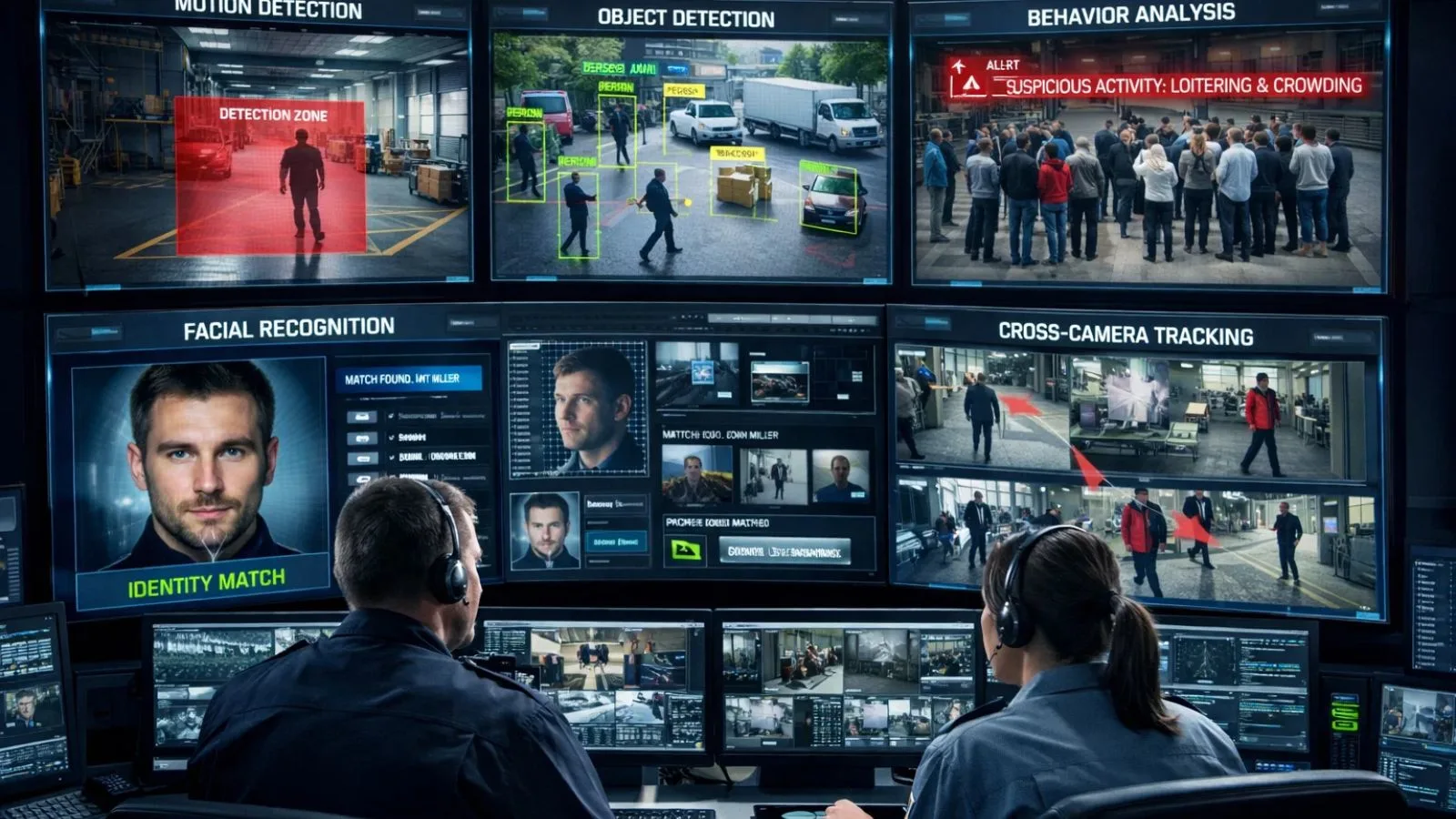
Security video analytics refers to the use of software and artificial intelligence to automatically analyze video footage captured by security cameras. Unlike traditional CCTV systems, which only record video for later review, video analytics can detect events, recognize patterns, and provide actionable insights in real time.
Key technologies behind security video analytics include:
- Motion Detection: Identifies movement in predefined zones and triggers alerts.
- Object Recognition: Detects and classifies objects such as people, vehicles, or packages.
- Facial Recognition: Matches faces against databases for access control or identification.
- Behavior Analysis: Flags unusual or suspicious activities, such as loitering, crowd formation, or trespassing.
- Cross-Camera Tracking: Follows an individual or object across multiple cameras for better situational awareness.
By leveraging these capabilities, organizations can monitor environments proactively rather than reactively. For example, a security camera video analytics system in a retail store can immediately alert staff to shoplifting attempts or unusual behavior, enabling faster intervention.
Benefits of Security Video Analytics
Implementing security video analytics brings significant advantages over traditional surveillance systems. By turning raw video footage into actionable insights, organizations can improve safety, efficiency, and decision-making.
1. Enhanced Threat Detection
AI-powered video analytics can identify suspicious behavior or unusual activity in real time. Whether it’s detecting intruders after hours or spotting loitering in restricted areas, the system allows security teams to respond proactively rather than reacting after an incident occurs.
2. Improved Operational Efficiency
Manual monitoring of multiple security cameras is time-consuming and prone to errors. With video analytics for security, alerts are automated, reducing the need for constant human oversight and freeing staff to focus on critical tasks.
3. Data-Driven Insights
Security analytics provides detailed reports on activity patterns, peak traffic times, or repeated security incidents. This data helps organizations optimize staffing, improve layout planning, and make strategic safety decisions.
4. Reduced False Alarms
Modern video analytics can differentiate between irrelevant motion (like shadows or animals) and actual threats, cutting down on false alarms that waste time and resources.
5. Proactive Risk Management
By predicting potential security issues through behavior analysis and pattern recognition, organizations can prevent incidents before they happen. This proactive approach enhances safety for employees, customers, and property.
Overall, security video analytics transforms surveillance from a passive recording tool into an active, intelligent system that protects people and assets more effectively.
Use Cases in Real-World Security
Security video analytics is increasingly being applied across various industries to enhance safety, efficiency, and decision-making. Here are some practical examples:
1. Retail
Stores use video analytics to detect shoplifting, monitor crowd behavior, and analyze customer traffic patterns. By flagging suspicious activity in real time, security teams can prevent theft while also optimizing store layouts and staffing.
2. Public Spaces
Airports, train stations, and city centers deploy video analytics to monitor crowds, identify unattended objects, and detect unusual movement patterns. This helps authorities respond quickly to potential threats and manage public safety more effectively.
3. Corporate Offices
Large office complexes use analytics to monitor entry points, enforce access control, and detect unauthorized personnel. The system can also provide insights into space utilization, helping organizations manage facilities more efficiently.
4. Critical Infrastructure
Power plants, warehouses, and data centers rely on video analytics to secure sensitive areas. Automated alerts for unauthorized access, perimeter breaches, or abnormal behavior help protect high-value assets and prevent costly incidents.
5. Healthcare Facilities
Hospitals and clinics use security analytics to monitor patient areas, detect unusual activity, and enhance emergency response. Analytics can also help manage patient flow and ensure compliance with safety protocols.
Across these scenarios, video analytics for security not only enhances safety but also supports operational efficiency by providing actionable insights from every camera feed.
AI Video Analytics Software: How It Works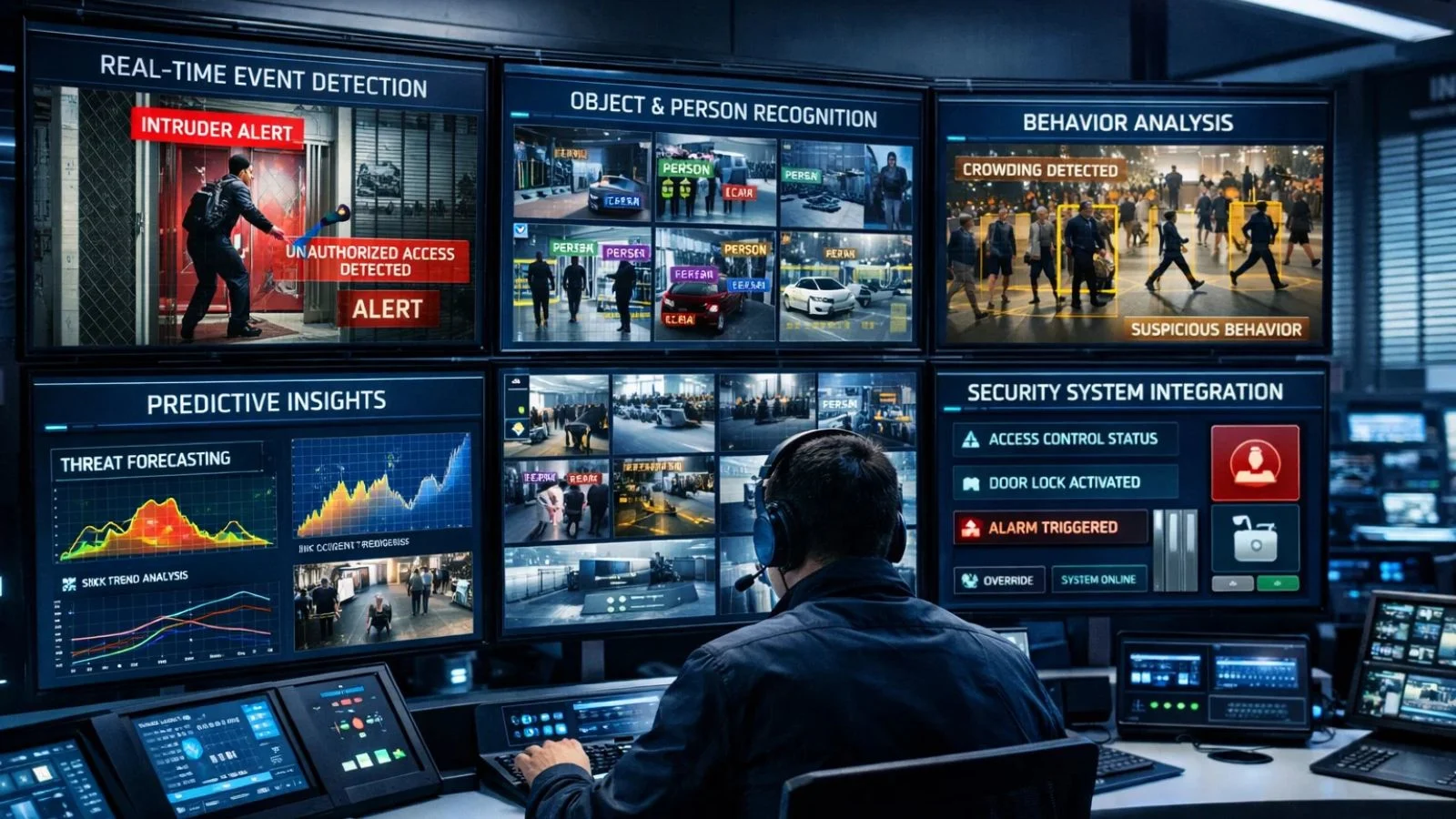
Modern AI video analytics software uses a combination of artificial intelligence, machine learning, and computer vision to turn raw video footage into actionable insights. Unlike traditional CCTV systems that only record, AI analytics can detect, classify, and interpret events automatically.
Key Functions of AI Video Analytics Software:
- Real-Time Event Detection – The software monitors camera feeds continuously and alerts security teams to abnormal activities, such as intruders, loitering, or unauthorized access.
- Object and People Recognition – Advanced algorithms can identify objects, vehicles, or individuals and track their movement across multiple camera feeds.
- Behavior Analysis – AI can flag unusual patterns, like crowding, sudden movements, or restricted area entry, which may indicate security threats.
- Predictive Insights – By analyzing historical footage and activity trends, the software can help anticipate potential security issues and optimize staffing or resource allocation.
- Integration with Security Systems – AI video analytics software often connects with access control, alarm systems, and notification platforms, enabling a unified security ecosystem.
By combining these capabilities, organizations can shift from reactive monitoring to proactive security management. Security camera video analytics becomes a tool for prevention, efficiency, and smarter decision-making rather than just surveillance.
VideoraIQ: A Smart Solution for Security Video Analytics
When it comes to implementing advanced security video analytics, tools like VideoraIQ make it easier for organizations to turn surveillance footage into actionable insights.
Key Features of VideoraIQ:
- AI-Powered Detection: Identifies unusual activity, intrusions, or suspicious behavior in real time.
- Object and Facial Recognition: Tracks people, vehicles, and objects across multiple camera feeds for better situational awareness.
- Behavioral Analytics: Flags patterns like loitering, crowd formation, or restricted area entry.
- Custom Alerts & Notifications: Sends instant alerts to security personnel, ensuring fast response times.
- Comprehensive Reporting: Generates insights on traffic patterns, peak activity, and recurring incidents to help optimize security strategies.
Benefits of Using VideoraIQ:
- Proactive Security: Reduces response times by alerting teams to potential threats immediately.
- Operational Efficiency: Automates monitoring tasks, freeing security staff for critical duties.
- Data-Driven Decisions: Detailed analytics help organizations plan better, whether it’s staffing, layout, or safety protocols.
- Scalable Solution: Works for small offices, retail spaces, or large enterprises with multiple locations.
By integrating AI with traditional surveillance, VideoraIQ allows organizations to make every pixel count, transforming camera feeds into a proactive security system rather than passive recording.
Trends and News in Video Analytics for Security
The field of video analytics for security is evolving rapidly, driven by advancements in artificial intelligence, machine learning, and cloud computing. Staying updated with these trends helps organizations implement smarter, more effective surveillance systems.
1. AI-Powered Predictive Analytics
Modern systems are moving beyond real-time monitoring. Security video analytics now includes predictive capabilities, analyzing patterns to anticipate potential incidents before they occur. This helps organizations prevent theft, vandalism, or unauthorized access proactively.
2. Cloud Integration
Cloud-based video analytics allows footage and insights to be accessed remotely. This reduces the need for on-site servers, improves scalability, and enables centralized monitoring of multiple locations.
3. Advanced Object and Facial Recognition
With better algorithms, analytics can accurately identify individuals, vehicles, or objects, even in crowded or complex environments. This improves access control, security enforcement, and incident tracking.
4. Video Analytics Security News Highlights
Recent developments show growing adoption of AI in public safety, corporate security, and retail. Organizations are increasingly investing in systems that combine cameras, analytics, and automated alerts for comprehensive protection. Innovations like smart city surveillance and automated anomaly detection are becoming mainstream.
5. Integration with IoT and Smart Devices
Video analytics is increasingly integrated with IoT devices such as sensors, alarms, and access control systems. This interconnected approach allows security teams to respond faster and manage incidents more effectively.
These trends indicate that security video analytics is moving toward more intelligent, automated, and proactive systems that do much more than record video they actively enhance safety and operational efficiency.
Challenges and Considerations
While security video analytics offers powerful benefits, implementing these systems comes with certain challenges that organizations need to consider.
1. Privacy Concerns
Video analytics, especially with facial recognition, raises privacy issues. Organizations must comply with local regulations and ensure that data collection respects individuals’ rights. Clear policies and transparency about usage are essential to maintain trust.
2. Integration with Existing Systems
Adding analytics to existing security setups can be complex. Ensuring compatibility with current cameras, alarms, access controls, and software platforms is crucial for seamless operation. Poor integration can lead to gaps in monitoring or missed alerts.
3. Accuracy and False Alerts
While AI improves detection, analytics systems may still produce false positives or misclassify events. Regular system calibration, high-quality camera feeds, and human oversight help maintain accuracy.
4. Cost and Resource Requirements
Deploying advanced AI video analytics software may require investment in high-resolution cameras, computing power, and network infrastructure. Organizations should weigh the cost against the operational benefits and potential risk reduction.
5. Training and Expertise
Security teams need training to interpret analytics reports, respond to alerts effectively, and adjust system settings as needed. Without proper training, even advanced systems may not reach their full potential.
By proactively addressing these considerations, organizations can maximize the benefits of security video analytics while mitigating risks and maintaining operational efficiency.
Future of Security Camera Video Analytics
The future of security camera video analytics is increasingly driven by artificial intelligence, machine learning, and smarter integration with other technologies. Organizations can expect surveillance to become more proactive, predictive, and intelligent.
1. Predictive and Preventive Analytics
AI will not only detect incidents in real time but also anticipate them by analyzing patterns and behaviors. For example, a system could predict unauthorized access attempts or identify high-risk areas before a security breach occurs.
2. Enhanced Automation
Future analytics systems will automate more security tasks, from generating alerts and notifying teams to controlling access points and interacting with other security devices. This will further reduce the burden on human operators while increasing response speed.
3. Edge Computing
Processing video data at the camera (edge devices) rather than sending everything to a central server will reduce latency and improve efficiency. Real-time alerts and insights will become faster, even in high-traffic environments.
4. Integration with Smart Cities and IoT
Video analytics will increasingly integrate with IoT devices and city-wide surveillance systems. This interconnected approach will allow for comprehensive monitoring of public spaces, traffic management, and emergency response coordination.
5. AI-Driven Insights Beyond Security
Future systems will not only focus on safety but also provide operational insights, such as space utilization, customer behavior patterns, and workflow optimization. This expands the value of security video analytics beyond protection to operational intelligence.
The evolution of these technologies shows that security analytics will continue to move from passive monitoring to intelligent, decision-making systems that improve safety, efficiency, and situational awareness.
Also Read,
Conclusion
Security video analytics turns surveillance into an intelligent, proactive system. By leveraging AI and advanced algorithms, organizations can detect threats in real time, reduce false alarms, and gain actionable insights for safer, more efficient operations.
Platforms like VideoraIQ make it easy to implement AI-driven analytics, helping teams respond faster and make every pixel count. As technology evolves, security analytics will continue to become smarter, more automated, and integral to modern safety strategies.