

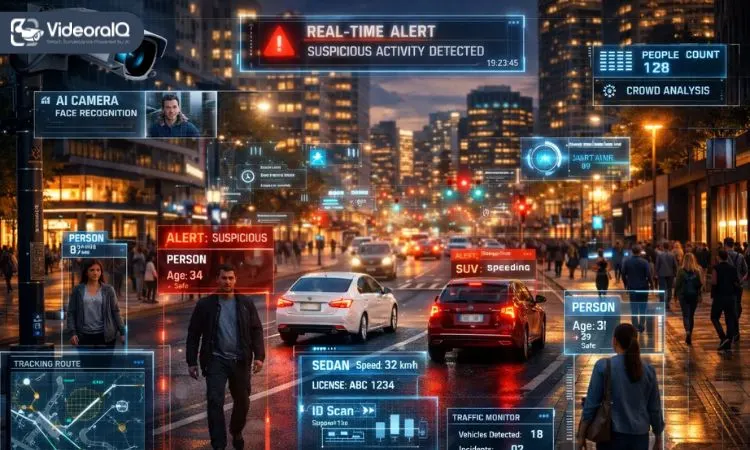
Security systems have evolved significantly over the past decade. Traditional surveillance cameras were mainly used for recording footage that could only be reviewed after an incident occurred. While this approach provided evidence, it did little to prevent problems in real time.
Today, businesses and organizations are turning to video analytics services to transform how surveillance systems operate. By combining artificial intelligence with modern camera technology, these systems can analyze video footage automatically and detect unusual activity as it happens.
Smart surveillance tools are now capable of identifying patterns, recognizing objects, and generating alerts when suspicious behavior occurs. This allows security teams to respond quickly and take preventive action instead of relying solely on manual monitoring.
From retail stores and office buildings to airports and public spaces, intelligent monitoring systems are becoming an essential part of modern security strategies. As technology continues to advance, these solutions are helping organizations improve safety, reduce risks, and manage security operations more efficiently.
Listen to this podcast here.
What Are Video Analytics Services?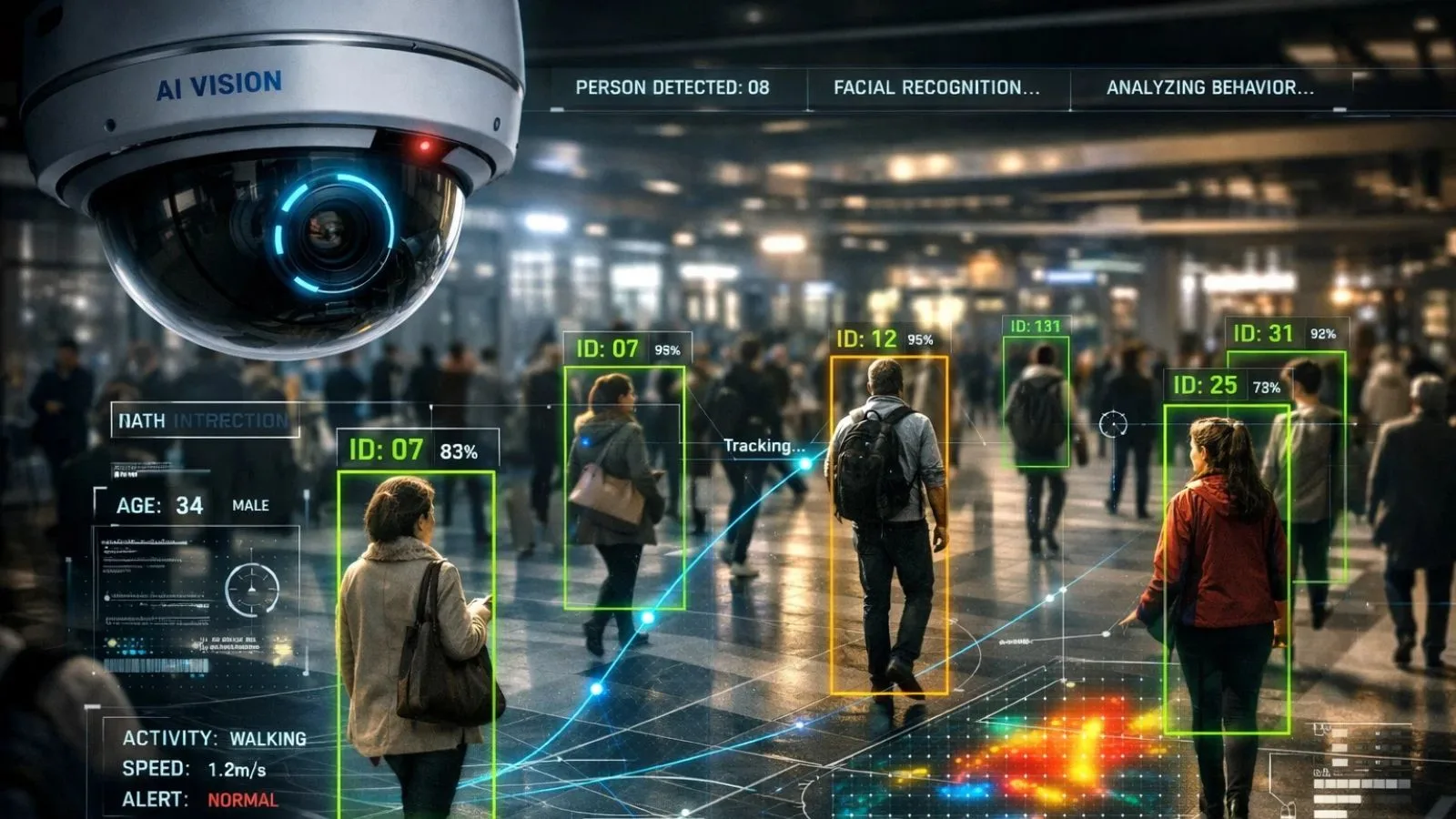
Video analytics services are technology solutions that use advanced software to automatically analyze video footage from surveillance cameras. Unlike traditional systems that simply record footage for later review, these services can detect patterns, identify objects, and generate alerts in real time.
At their core, video analytics solutions leverage artificial intelligence, machine learning, and computer vision to interpret visual data. This allows organizations to monitor activity more effectively, detect unusual behavior, and gain actionable insights from their video streams.
Common applications include identifying unauthorized access, detecting abandoned objects, tracking movement in restricted areas, and monitoring crowd behavior. These capabilities help businesses prevent incidents before they escalate, rather than reacting after the fact.
Video analytics services are not limited to security alone. They are also used in operations management, such as tracking foot traffic in retail stores or monitoring workflow in industrial environments. By turning raw video into actionable data, organizations can make better decisions and optimize processes.
With modern solutions, organizations no longer need to rely on continuous human monitoring. These tools reduce the burden on security personnel while providing more accurate and timely alerts.
Key Features of Video Analytics Security Systems
Modern video analytics security systems come with a variety of features designed to make surveillance more intelligent and effective. These tools go beyond simple recording and offer real-time insights that help organizations respond quickly to potential threats.
- Real-Time Alerts – Advanced systems can detect unusual behavior, unauthorized access, or suspicious objects and instantly notify security personnel. This allows for immediate intervention, reducing the risk of incidents escalating.
- Object and Motion Detection – AI-powered analytics can identify specific objects or track movement patterns across multiple cameras. This helps in monitoring restricted areas, identifying potential hazards, or tracking the movement of individuals.
- Facial Recognition – Some systems include facial recognition capabilities, enabling access control and identification of individuals entering or leaving premises. This feature enhances both security and operational efficiency.
- Crowd and Queue Analysis – Video analytics solutions can analyze crowd density and movement patterns, which is useful in high-traffic areas such as airports, malls, or event venues. Alerts can be generated if unusual crowd behavior is detected.
- Heatmaps and Activity Reports – Security teams can use visual analytics like heatmaps to identify frequently accessed areas or monitor operational activity. This provides actionable insights for both security and business intelligence.
- Integration with Security Systems – Video analytics can be connected with alarms, access controls, or other security infrastructure for a fully integrated monitoring solution.
These features allow organizations to transform standard surveillance cameras into smart monitoring tools, improving both security and operational awareness.
Benefits of Using Video Analytics Services
Implementing video analytics services offers numerous advantages for organizations looking to enhance security and operational efficiency. These tools provide more than just passive monitoring—they actively help prevent incidents and improve decision-making.
- Proactive Threat Detection – With AI-powered alerts and real-time analysis, security teams can identify suspicious behavior, unauthorized access, or potential hazards before they escalate. This proactive approach reduces risk and increases safety.
- Reduced Human Error – Traditional surveillance relies heavily on personnel monitoring multiple screens. Video analytics solutions automate much of this process, ensuring no critical events are missed and freeing up staff for other important tasks.
- Improved Operational Efficiency – Beyond security, video analytics helps organizations optimize workflow. Insights from movement patterns, crowd analysis, and activity tracking can guide resource allocation and improve overall efficiency.
- Cost Savings – By automating monitoring, organizations can reduce the need for large security teams while maintaining high levels of protection. This results in long-term savings without compromising safety.
- Enhanced Evidence Collection – Video analytics services can automatically tag events and store relevant clips, making it easier to retrieve evidence for investigations or compliance purposes.
- Scalable Security Solutions – These services can grow with the organization, integrating with multiple cameras and locations while providing centralized management for large-scale operations.
By leveraging these benefits, businesses can strengthen their security posture, respond faster to incidents, and gain actionable insights that support both safety and operational improvements.
How VideoraIQ Enhances Video Analytics Services
VideoraIQ is a modern solution that takes video analytics services to the next level by combining AI-powered intelligence with user-friendly features designed for efficient security management. It provides organizations with real-time insights, actionable alerts, and streamlined monitoring across multiple locations.
- Real-Time AI Alerts – VideoraIQ can automatically detect unusual behavior, motion, or unauthorized access and instantly notify security teams. This ensures rapid response to potential threats.
- Intelligent Object and Motion Tracking – The platform identifies and tracks objects, people, and vehicles across video feeds, making it easier to monitor sensitive areas or restricted zones.
- Advanced Facial Recognition – VideoraIQ supports facial recognition to improve access control and verify identities, enhancing both security and operational efficiency.
- Activity Reports and Heatmaps – The system generates detailed visual insights, including heatmaps and movement trends, which help administrators understand activity patterns and make data-driven decisions.
- Multi-Location Management – With a centralized dashboard, security teams can monitor multiple cameras across locations in real time, simplifying management for large-scale operations.
- Seamless Integration – VideoraIQ integrates smoothly with existing security systems, including alarms and access controls, providing a complete smart surveillance ecosystem.
By using VideoraIQ, organizations can leverage advanced video analytics solutions to improve security, reduce risks, and optimize operational efficiency while minimizing the reliance on constant human monitoring.
Applications of Video Analytics Services in Different Sectors
Video analytics services are not limited to traditional security applications—they are increasingly used across various industries to enhance safety, efficiency, and decision-making.
- Retail – Stores use video analytics to monitor foot traffic, analyze customer behavior, and prevent theft. Heatmaps and queue analysis help optimize store layouts and staffing.
- Transportation and Public Spaces – Airports, train stations, and stadiums implement surveillance video analytics to detect suspicious activities, manage crowd flow, and ensure passenger safety.
- Corporate Offices – Businesses use smart surveillance to monitor restricted areas, track employee movement in sensitive zones, and ensure compliance with safety protocols.
- Education – Schools and universities implement video analytics to enhance campus security, track visitor access, and monitor hallways and common areas for safety.
- Industrial Facilities – Factories and warehouses leverage video analytics security systems to detect safety hazards, track equipment usage, and monitor operational efficiency.
By turning video data into actionable insights, organizations across sectors can proactively manage security risks while also improving operational performance.
Challenges and Considerations in Implementing Video Analytics Services
While video analytics services offer significant benefits, organizations should be aware of certain challenges and considerations when implementing these solutions.
- Privacy Concerns – Monitoring staff, customers, or public areas requires careful attention to privacy regulations. Organizations must ensure that video analytics comply with local laws and maintain ethical use.
- Data Security – Video feeds contain sensitive information that needs protection. Implementing robust encryption and secure storage is essential to prevent unauthorized access or data breaches.
- System Integration – Integrating video analytics solutions with existing surveillance infrastructure, alarms, and access controls can be complex. Choosing platforms like VideoraIQ, which supports seamless integration, helps simplify this process.
- Cost and Scalability – Advanced analytics systems may require upfront investment in hardware, software, and training. Organizations should plan for scalable solutions that grow with their operational needs.
- Accuracy and False Alerts – While AI-powered analytics reduces human error, imperfect detection can sometimes generate false alerts. Continuous system calibration and AI model training are necessary to maintain high accuracy.
By addressing these considerations, organizations can implement video analytics solutions effectively, ensuring both security and operational efficiency without compromising compliance or privacy.
Future Trends in Video Analytics Services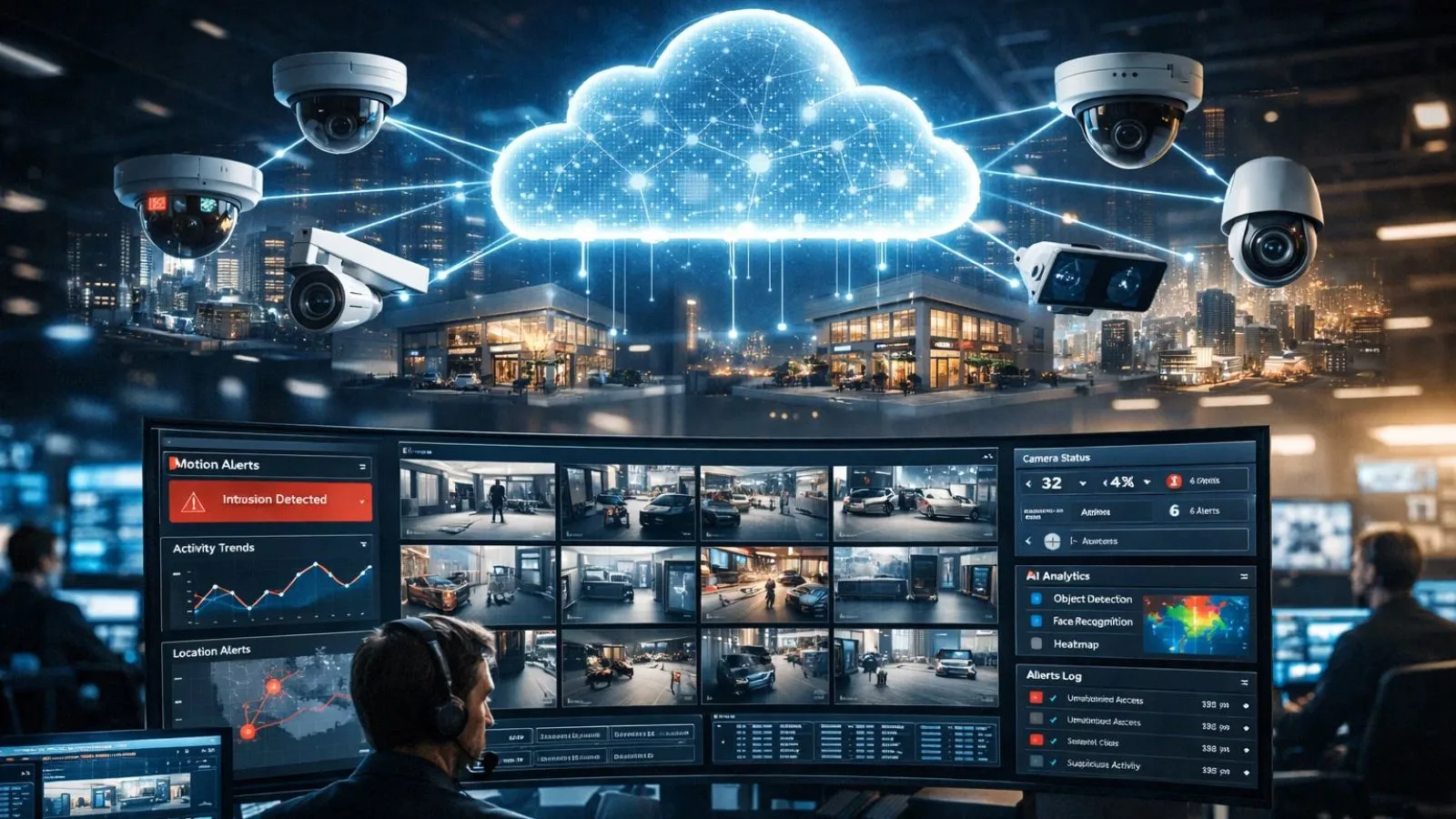
The future of video analytics services is closely tied to advancements in artificial intelligence, machine learning, and cloud computing. As technology evolves, organizations can expect more intelligent, efficient, and scalable surveillance solutions.
- AI-Powered Predictive Analytics – Beyond detecting incidents in real time, future systems will anticipate potential security risks by analyzing patterns and trends. Predictive alerts can help prevent incidents before they occur.
- Cloud-Based Video Analytics Solutions – Cloud integration allows organizations to store and process large volumes of video data efficiently. It also enables remote monitoring, multi-location management, and easy scalability.
- Enhanced Object and Behavior Recognition – Advanced AI models will provide more accurate detection of specific objects, behaviors, and anomalies, reducing false alerts and improving security response.
- Integration with IoT Devices – Video analytics will increasingly work in tandem with IoT sensors, access control systems, and other smart devices to create fully automated and intelligent security ecosystems.
- Real-Time Business Insights – Beyond security, analytics will offer operational intelligence, such as customer flow in retail or workflow monitoring in industrial settings, turning video data into actionable business insights.
Also Read,
CCTV Monitoring Vs. Traditional Security: Which Is Right For You?
Conclusion
Video analytics services are transforming the way organizations approach security and operational management. By leveraging AI-powered surveillance, businesses can detect threats in real time, monitor activity efficiently, and gain actionable insights from video data.
Modern systems like VideoraIQ take these capabilities further by offering intelligent object tracking, facial recognition, heatmaps, and multi-location management. These features allow organizations to respond quickly to potential incidents while improving operational efficiency across sectors such as retail, education, transportation, and corporate offices.
While implementing video analytics requires careful attention to privacy, data security, and integration, the benefits including proactive threat detection, reduced human error, and enhanced decision-making far outweigh the challenges.
As technology advances, video analytics solutions will become more predictive, cloud-based, and interconnected with IoT devices, enabling smarter, safer, and more efficient environments for organizations of all sizes.
By adopting these solutions, businesses can move from reactive monitoring to proactive security management, ensuring both safety and operational excellence.
FAQs
1. What are video analytics services?
Video analytics services use AI and machine learning to analyze surveillance footage, detect patterns, recognize objects, and generate alerts in real time.
2. How do video analytics solutions improve security?
They provide real-time monitoring, detect suspicious activity, reduce human error, and help security teams respond quickly to potential threats.
3. What is surveillance video analytics?
Surveillance video analytics refers to the process of analyzing live or recorded video from cameras to identify events, track movement, and enhance security.