
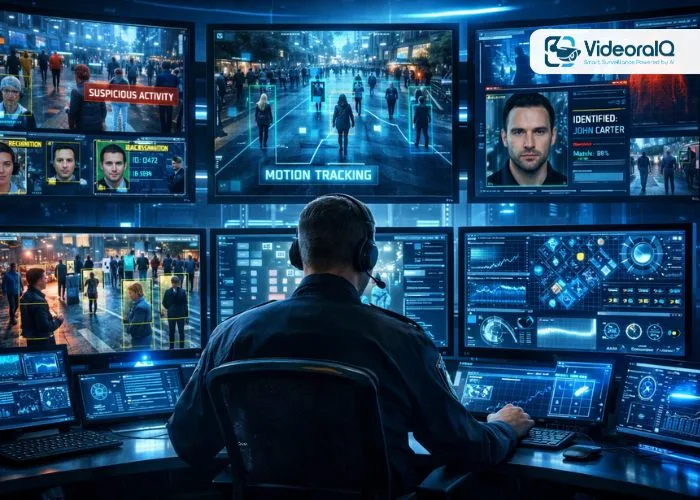
Security has come a long way from grainy CCTV footage and manual monitoring. Today, video analytics AI is changing how organizations detect threats, manage risks, and respond to incidents in real time. Whether it’s a retail store, a hospital, or a smart city, video analytics AI is becoming the backbone of modern security infrastructure.
Unlike traditional systems that simply record, Video Analytics AI actively interprets what’s happening on screen, identifying faces, detecting motion patterns, and triggering instant alerts. This shift from passive surveillance to intelligent monitoring is not just an upgrade; it’s a complete transformation. Let’s explore the 10 most powerful ways video analytics AI is reshaping the security landscape today.
Listen To The Podcast Now!
1. Real-Time Threat Detection:
One of the most critical advantages of video analytics AI is its ability to detect threats as they happen, not after the damage is done. Traditional systems rely on human operators to catch suspicious activity, which is prone to fatigue and error. With video analytics AI, every frame is analyzed continuously and automatically. The system flags unusual behavior, movement in restricted zones, or unauthorized access the moment it occurs, giving security teams a significant head start in responding.
2. Smarter Intrusion Detection:
Gone are the days of perimeter alarms triggering false alerts every time a stray animal walks by. Video analytics AI uses intelligent motion analysis to distinguish between genuine intrusion attempts and harmless movement. It monitors virtual boundaries, detects when someone crosses a defined perimeter, and sends alerts only when there’s a real cause for concern. This reduces alarm fatigue significantly and helps security teams stay focused on what actually matters.
3. Facial Recognition for Access Control:
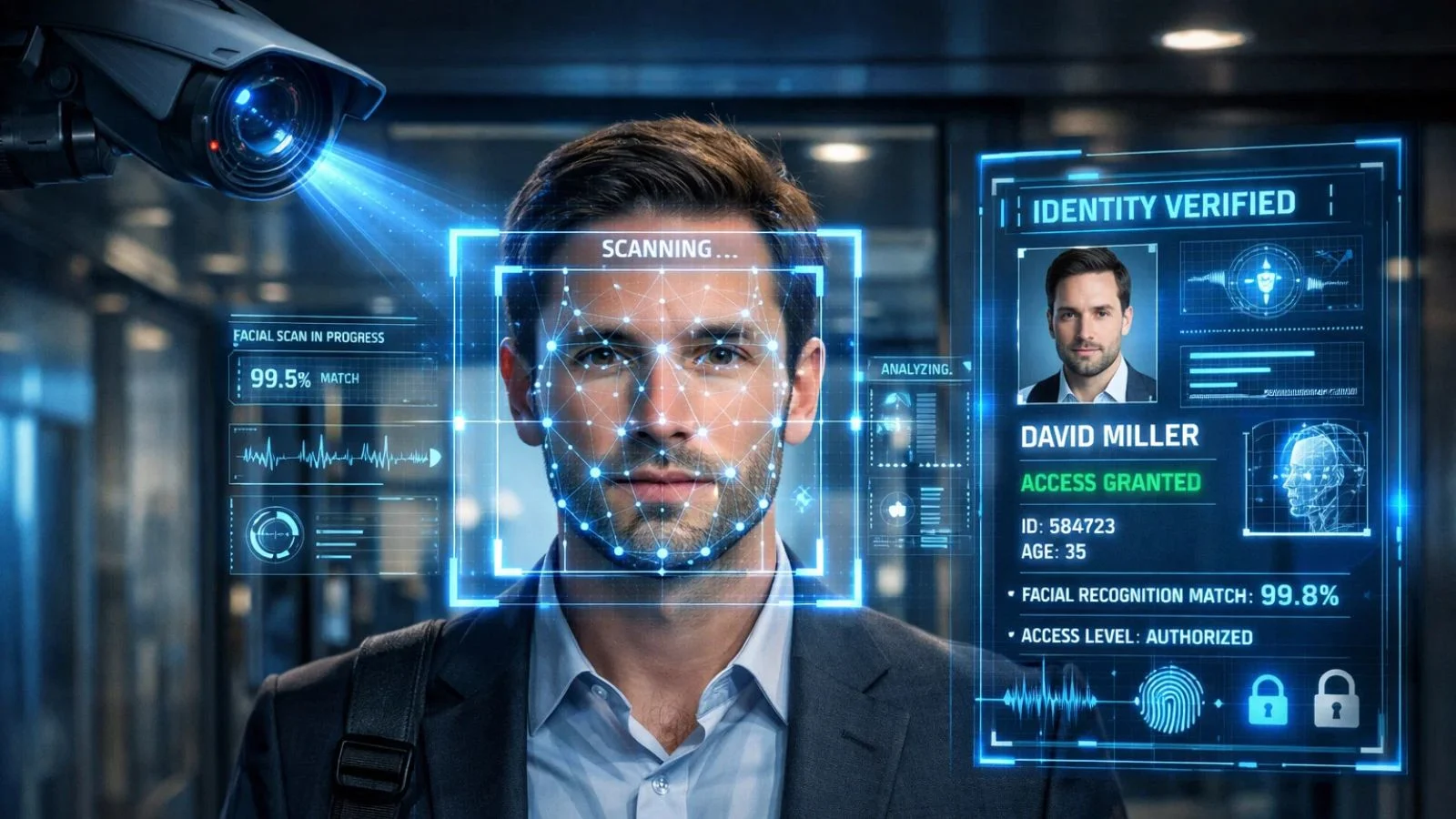
AI video analytics has made facial recognition faster, more accurate, and scalable. Organizations are now using it to manage access across multiple locations, flagging unknown individuals, verifying authorized personnel, and automatically logging entry and exit activity. This removes the need for physical keycards or PINs and adds a layer of identity-based security that is far harder to bypass. It’s especially valuable in corporate offices, healthcare facilities, and high-security government environments.
4. Fire and Smoke Detection Before Alarms Sound:
Traditional fire alarms respond to smoke reaching a sensor, which often means the fire has already spread. AI-powered video analytics takes a proactive approach by identifying the visual signs of fire and smoke through camera feeds, often before conventional detectors trigger. This early warning can make a significant difference in emergency response time, helping reduce damage, protect lives, and give safety teams the crucial seconds they need to act.
5. Unattended Baggage and Object Detection:
Public spaces like airports, transit stations, and event venues face a unique challenge: identifying abandoned objects that could pose a safety risk. Video analytics AI makes this much easier by continuously scanning footage for items left unattended beyond a set time threshold. When something suspicious is flagged, security personnel receive an instant alert with the exact camera location. This targeted approach is far more effective than relying on human eyes across dozens of live feeds.
6. Number Plate Recognition for Vehicle Management:
Managing vehicle access in parking facilities, corporate campuses, or gated communities has traditionally been a manual process. AI-based video analytics now automates this entirely through number plate recognition. Cameras capture license plates in real time, cross-reference them against an approved database, and either grant or deny access automatically. This streamlines entry management, keeps logs for audits, and helps flag unauthorized vehicles before they become a security concern.
7. Crowd Monitoring and Behavior Analysis:
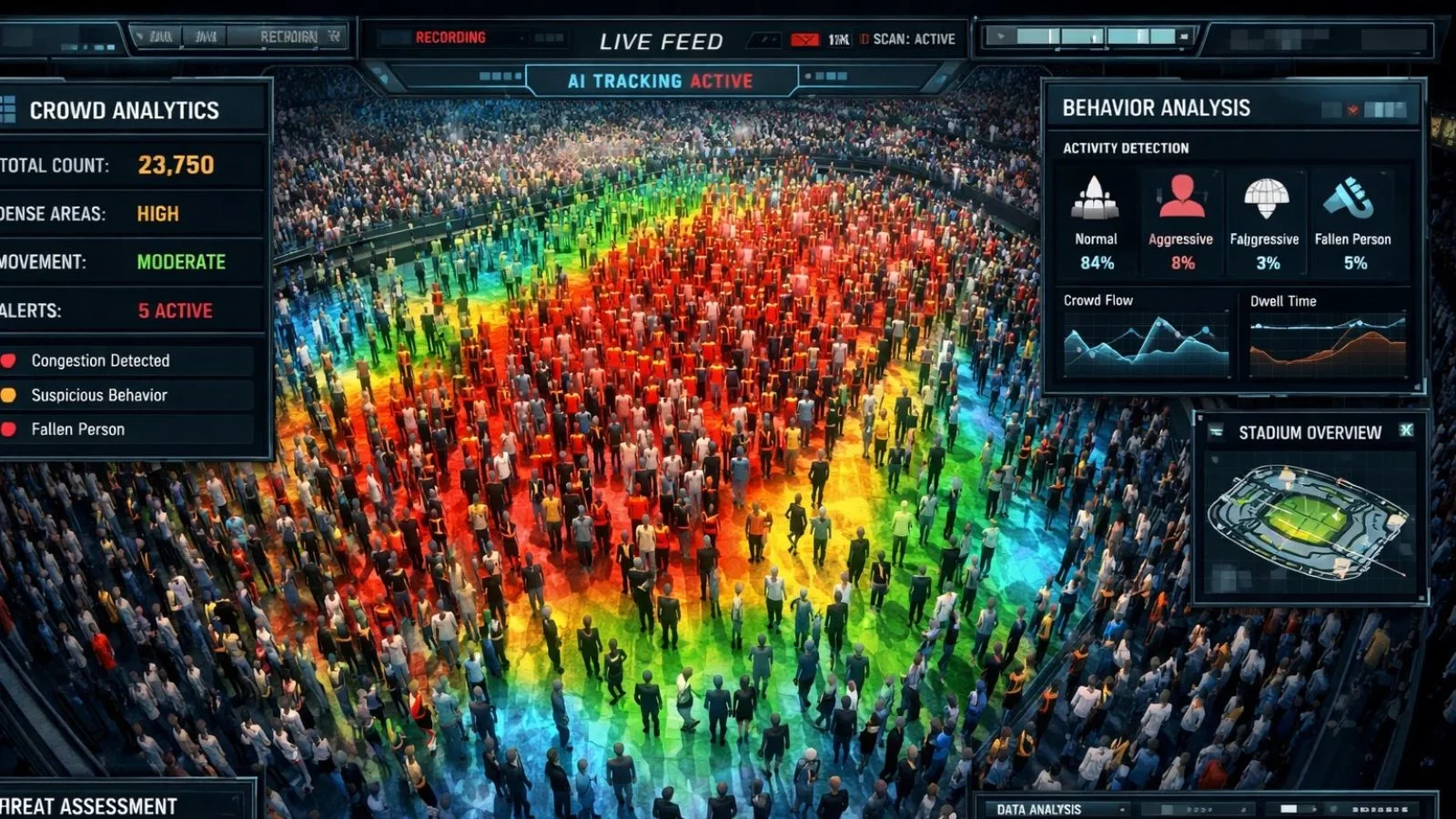
Managing large crowds at stadiums, malls, or public events is a complex security challenge. Video analytics AI can monitor crowd density, detect unusual behavior patterns, and identify signs of potential conflict or panic, all in real time. Security teams get actionable intelligence rather than having to watch dozens of feeds simultaneously. This makes crowd management more proactive, efficient, and data-driven, reducing the risk of incidents escalating before help can arrive.
8. Operational Oversight in Retail and Workplaces:
Security isn’t just about external threats. AI video analytics software is increasingly being used inside businesses to improve operational accountability. From detecting cashier absence at a retail counter to monitoring compliance with safety protocols on a factory floor, video analytics AI gives managers visibility into day-to-day operations. This helps organizations address inefficiencies, reduce losses, and ensure staff are where they need to be during working hours.
9. Remote Monitoring Across Multiple Locations:
For businesses operating across multiple sites, maintaining consistent security coverage used to require large teams and significant resources. Video analytics AI changes this by enabling centralized, cloud-based monitoring from a single dashboard. Security managers can oversee multiple locations simultaneously, receive real-time alerts from any site, and access footage instantly, no matter where they are. This dramatically reduces the cost and complexity of multi-site security management.
10. Continuous Learning and Improving Accuracy:
What sets video analytics AI apart from static systems is its ability to learn and improve over time. As the system processes more footage, it gets better at distinguishing real threats from false positives. It adapts to environmental changes, new behavioral patterns, and expanding camera networks. This continuous improvement means your security setup becomes smarter with every passing day, without requiring manual updates or retraining of staff.
Also Read:
Meet VideoraIQ Intelligent Security Built for the Real World:
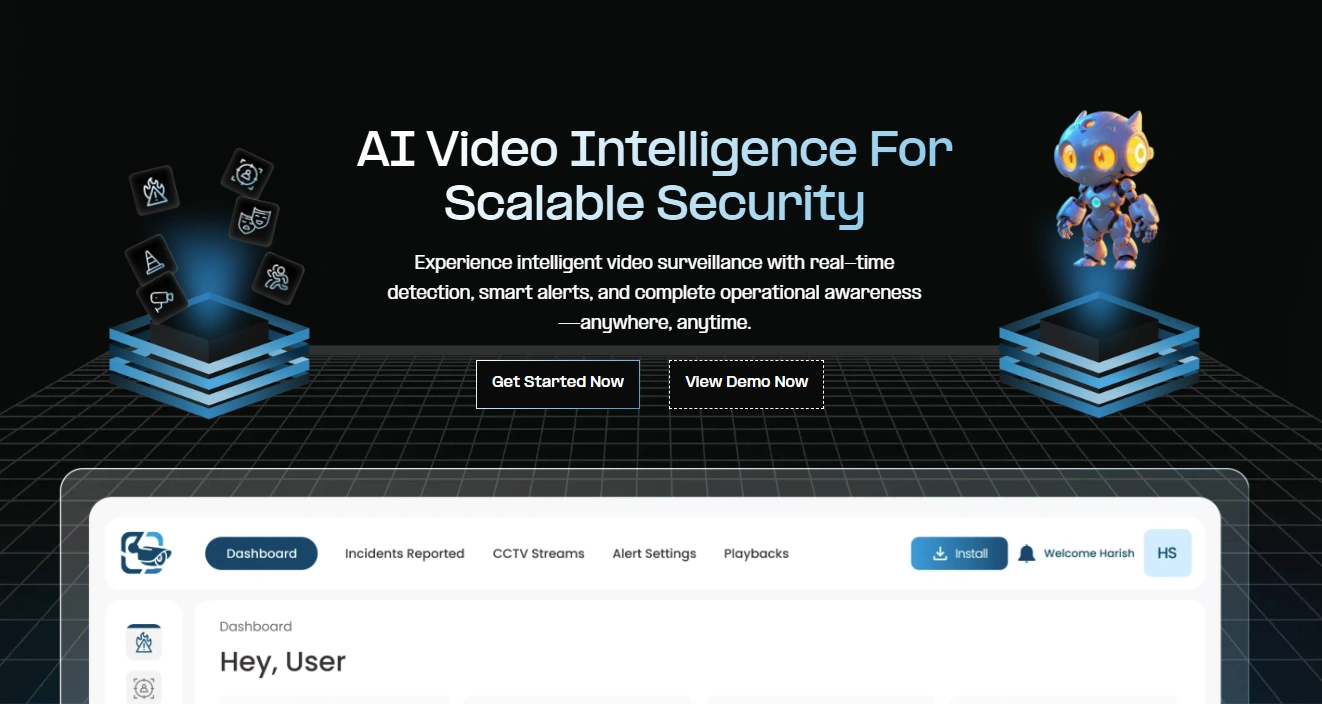
If you’re looking to bring the power of video analytics AI to your organization, VideoraIQ is built exactly for that. It is a smart, cloud-based AI video intelligence platform that turns every camera into an active security tool, not just a recording device.
Here’s what VideoraIQ brings to the table:
- Face Recognition: Identify and track individuals for smarter access control
- Intrusion Detection: Get real-time alerts when restricted zones are breached
- Fire & Smoke Detection, Spot early warning signs before alarms activate
- Unattended Baggage Detection Flag abandoned objects in public spaces instantly
- Number Plate Recognition, Automate vehicle access and tracking
- Cashier Absence Detection Monitor retail staff presence at counters
- Line-Cross Detection, Set virtual boundaries, and get notified on violations
- Unauthorized Access Alerts, Instant notifications for restricted area breaches
VideoraIQ serves industries ranging from healthcare and education to corporate offices and public safety, making enterprise-grade security accessible, scalable, and genuinely intelligent.
Conclusion:
The rise of video analytics AI is redefining what modern security looks like. From detecting intrusions in real time to monitoring crowds and automating access control, video analytics AI empowers organizations to stay ahead of threats rather than react to them. It eliminates human error, reduces response times, and delivers round-the-clock vigilance that no manual system can match. As security challenges grow more complex, investing in video analytics AI is no longer optional; it’s essential for any organization serious about protecting people, assets, and operations.
FAQ’s:
Q1. What is video analytics AI?
Ans: Video analytics AI is the use of artificial intelligence to automatically analyze live or recorded video footage, detect events, identify patterns, and trigger real-time alerts, transforming passive cameras into active security tools.
Q2. Which industries benefit most from video analytics AI?
Ans: Industries like retail, healthcare, education, manufacturing, corporate offices, and public safety all benefit significantly. Any environment that requires continuous monitoring and fast threat response is an ideal fit for video analytics AI.
Q3. Is AI-based video analytics difficult to implement?
Ans: Not at all. Cloud-based platforms like VideoraIQ are designed for easy deployment without heavy on-site hardware. Most businesses can get up and running quickly with minimal technical setup required.
Q4. How does AI video analytics software reduce false alarms?
Ans: Unlike basic motion sensors, AI video analytics software uses deep learning to differentiate between genuine threats and harmless activity, such as animals, shadows, or weather changes, sending alerts only when a real risk is detected.
Q5. Can AI-powered video analytics work across multiple locations?
Ans: Absolutely. One of its biggest strengths is centralized, cloud-based monitoring. Security teams can manage and receive alerts from multiple sites simultaneously through a single dashboard,d making it highly scalable for growing businesses.