

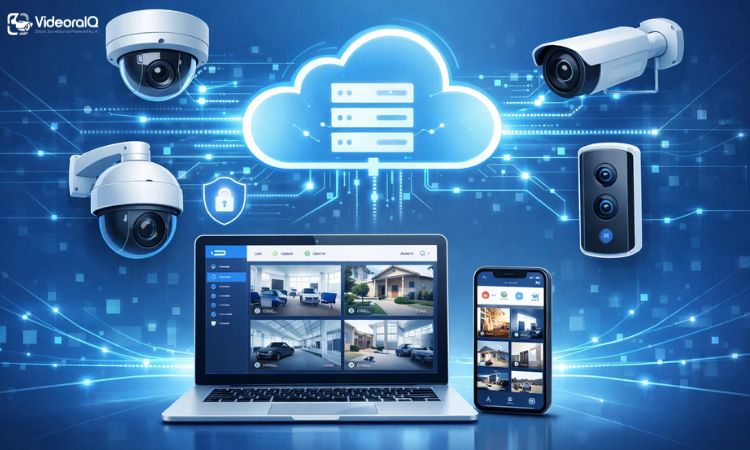
Security technology has evolved rapidly over the past decade. Traditional CCTV systems that relied on local storage and manual monitoring are gradually being replaced by smarter, more flexible solutions. One of the most significant innovations in this space is cloud video surveillance.
Instead of storing footage on physical devices like DVRs or hard drives, cloud video surveillance allows video data to be stored and accessed through secure cloud platforms. This makes monitoring easier, more scalable, and accessible from anywhere with an internet connection.
Businesses, retail stores, offices, and even residential users are now adopting cloud based video surveillance to improve security and simplify video management. With features like remote access, automatic backups, and real-time alerts, cloud-powered systems are transforming how organizations monitor their environments.
Another key advantage is storage flexibility. With video surveillance cloud storage, companies no longer need to worry about maintaining physical servers or running out of recording space.
Listen to the podcast.
What Is Cloud Video Surveillance?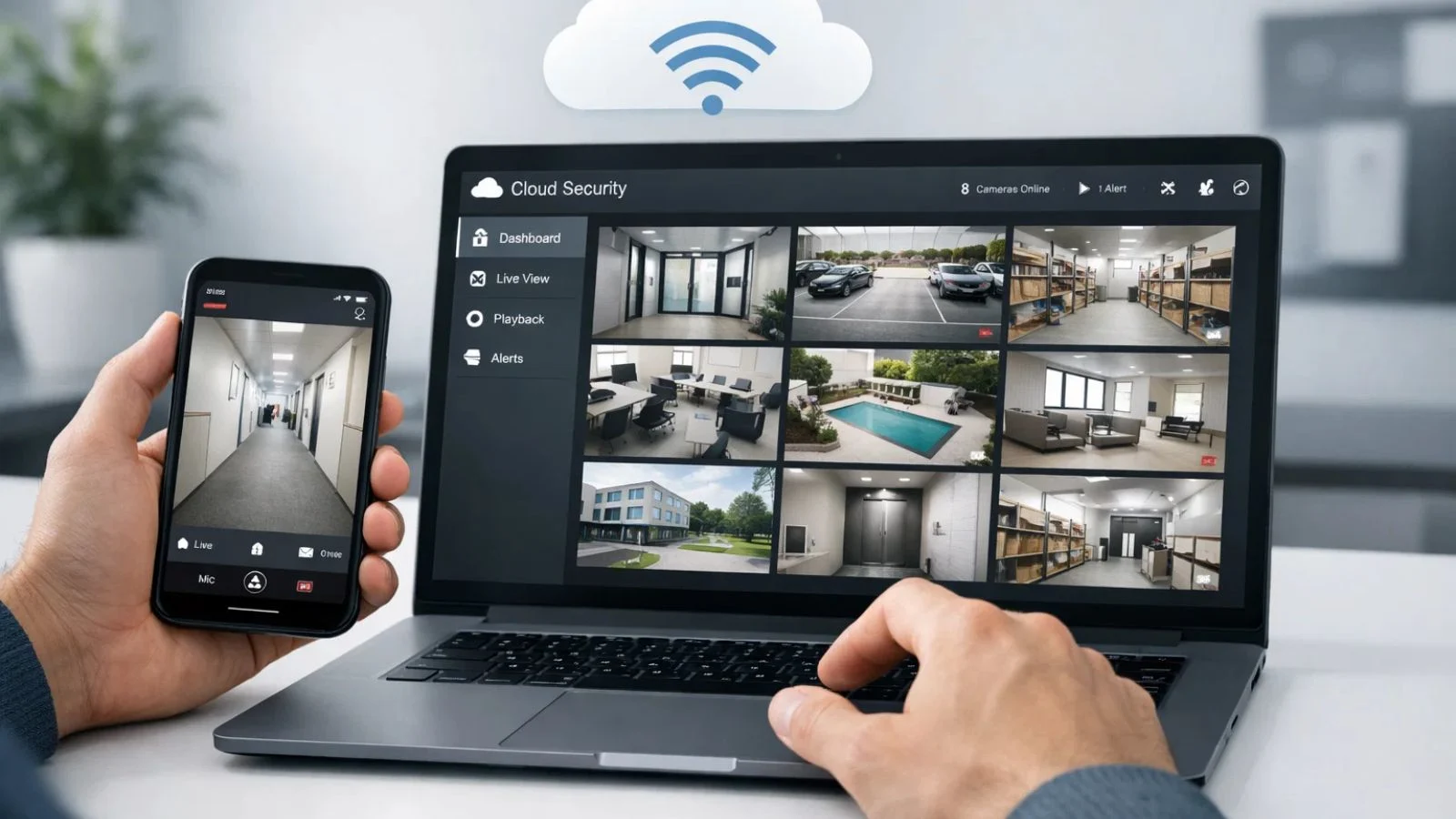
Cloud video surveillance refers to a modern security system where video footage from cameras is transmitted and stored in cloud servers instead of local recording devices. This allows users to access recordings and monitor live feeds from any device connected to the internet.
In a traditional CCTV setup, cameras usually connect to a local recorder such as a DVR or NVR. The footage is stored on-site, which can create limitations in storage capacity and accessibility. If the device is damaged or stolen, recorded footage may be lost.
With a cloud based video surveillance system, video data is securely uploaded to remote cloud servers. This means users can view recordings anytime and from anywhere using mobile apps or web dashboards.
Another advantage of video surveillance cloud storage is that it eliminates the need for complex on-site infrastructure. Businesses can scale their systems easily by adding new cameras without worrying about storage limitations.
Because of these benefits, many organizations now prefer cloud based video surveillance solutions that combine security, flexibility, and ease of management.
How Cloud Video Surveillance Works?
Understanding how cloud video surveillance works can help businesses decide whether it is the right security solution for their needs. While the technology may sound complex, the process is actually quite straightforward.
First, security cameras capture video footage just like in a traditional surveillance system. However, instead of storing the recordings on a local device, the footage is transmitted through an internet connection.
The video is then uploaded to secure cloud servers, where it is stored and organized. With video surveillance cloud storage, users can access their recordings through a dashboard, mobile application, or web portal.
A typical cloud based video surveillance system usually works through three main components:
Cameras
These cameras capture video footage and send it to the cloud. Many modern cameras also include motion detection and AI-powered analytics.
Internet Connection
A stable network connection allows video data to be transmitted to the cloud in real time.
Cloud Platform
The cloud platform stores and manages video recordings, making them accessible whenever needed.
This setup allows businesses to manage their cloud surveillance systems remotely without needing complex on-site hardware.
Key Features of Cloud Video Surveillance Systems
Modern cloud video surveillance platforms offer several advanced features that make them more efficient than traditional CCTV systems. These features help businesses improve monitoring and simplify security management.
Remote Access
One of the biggest advantages of cloud based video surveillance is remote accessibility. Users can monitor live camera feeds and recorded footage from smartphones, tablets, or computers from anywhere.
Scalable Storage
With video surveillance cloud storage, companies can easily increase their storage capacity when needed. This flexibility eliminates the need for physical storage upgrades.
Automatic Backups
Cloud platforms automatically store and back up video data. Even if cameras are damaged or stolen, the footage remains safely stored in the cloud.
Smart Alerts and Notifications
Many cloud based video surveillance solutions include intelligent alerts that notify users when unusual activity or motion is detected.
Easy System Management
A cloud based video surveillance system allows administrators to manage cameras, access permissions, and recordings from a single centralized dashboard.
These features make cloud video surveillance a powerful tool for modern security management.
Benefits of Using Cloud Video Surveillance
Many businesses are transitioning to cloud video surveillance because it offers several advantages over traditional security systems.
Improved Accessibility
One of the main benefits of cloud based video surveillance is the ability to monitor security footage from anywhere. Managers and security teams can check live feeds or recorded clips without being physically present at the location.
Reduced Hardware Costs
Traditional CCTV systems require expensive hardware such as DVRs, NVRs, and dedicated storage devices. With video surveillance cloud storage, much of this infrastructure is replaced by cloud services.
Better Data Security
Cloud platforms often include advanced encryption and security protocols. This ensures that recorded footage remains protected from unauthorized access.
Easy System Expansion
Organizations can add new cameras to their cloud surveillance setup without installing additional storage devices or complicated infrastructure.
Reliable Data Backup
Another advantage of cloud based video surveillance solutions is that footage is automatically backed up. Even in the case of hardware failure, recordings remain safe in the cloud.
These benefits make cloud video surveillance a practical and scalable solution for modern businesses.
Common Use Cases of Cloud Video Surveillance
The flexibility of cloud video surveillance makes it suitable for many industries and environments.
Retail Stores
Retail businesses use cloud based video surveillance to monitor store activity, prevent theft, and review incidents when needed.
Offices and Workspaces
Companies often deploy cloud based video surveillance solutions to ensure workplace security and monitor office premises.
Warehouses and Logistics
Warehouses rely on video surveillance cloud storage to track operations, monitor inventory areas, and improve safety.
Residential Properties
Homeowners are also adopting cloud surveillance systems for remote monitoring and enhanced home security.
Because these systems are easy to manage remotely, they are becoming a preferred choice across multiple industries.
How VideoraIQ Enhances Cloud Video Surveillance
Modern security solutions require more than just cameras. Businesses also need intelligent monitoring systems that provide insights and improve operational efficiency. This is where tools like VideoraIQ come into play. Platforms like VideoraIQ help organizations manage and analyze cloud surveillance data more effectively.
Instead of simply storing footage, such platforms provide advanced monitoring capabilities that allow users to track events, review recordings quickly, and gain valuable insights from their security data.
Key Features of VideoraIQ:
- AI-Powered Analytics: Detect unusual activity, identify objects, and receive real-time alerts for faster decision-making.
- Centralized Dashboard: Manage multiple cameras and locations from a single interface.
- Cloud Integration: Seamless access to cloud-based video storage for secure, on-demand retrieval.
- Automated Reporting: Generate insights and reports automatically to improve operational efficiency.
- Remote Monitoring: View live feeds and recordings from any device, anytime, anywhere.
- Data Security: Advanced encryption ensures that your footage remains safe and tamper-proof.
Industries Benefiting from VideoraIQ:
- Retail: Monitor stores, prevent theft, and analyze customer behavior.
- Offices & Workspaces: Ensure employee safety, track entry/exit points, and monitor premises.
- Warehouses & Logistics: Track inventory areas, operations, and shipment handling.
- Residential Properties: Enhance home security with smart monitoring and alerts.
- Educational Institutions: Monitor campuses, classrooms, and student safety effectively.
By integrating VideoraIQ with a cloud based video surveillance system, organizations gain not just storage but actionable intelligence, improving both security and operational insight across industries.
Also Read,
How Cloud-Based Video Surveillance Unlocks Smarter Security?
Real-Time Video Surveillance: Balancing Security And Privacy
Conclusion
Security systems are evolving as businesses look for smarter and more flexible solutions. Cloud video surveillance offers a modern alternative to traditional CCTV systems by allowing organizations to store and manage video footage through secure cloud platforms.
With features such as remote access, automatic backups, and scalable video surveillance cloud storage, these systems provide a convenient and reliable way to monitor security operations.
Many organizations are now adopting cloud based video surveillance solutions because they simplify system management and eliminate the need for complex hardware infrastructure.
When combined with intelligent platforms like VideoraIQ, cloud video surveillance becomes even more powerful by providing advanced monitoring and data insights.
As technology continues to advance, cloud-powered surveillance systems will likely play an increasingly important role in helping businesses maintain safety, improve monitoring, and protect their assets.