

Security threats continue to evolve across residential, commercial, and industrial environments. Property owners can no longer rely on basic locks or manual monitoring. A proactive strategy built around intruder detection ensures faster response, reduced losses, and stronger protection against unauthorized access.
Modern security solutions combine sensors, artificial intelligence, and cloud connectivity to detect suspicious activity in real time. Instead of reacting after damage occurs, these systems identify risks early and trigger immediate alerts.
This guide explains how modern security systems work, why they are essential, and how advanced platforms like VideoraIQ elevate overall protection standards.
Hit ‘Play’ Button & Tune Into The Blog!
Why Proactive Intruder Detection Outperforms Reactive Security?
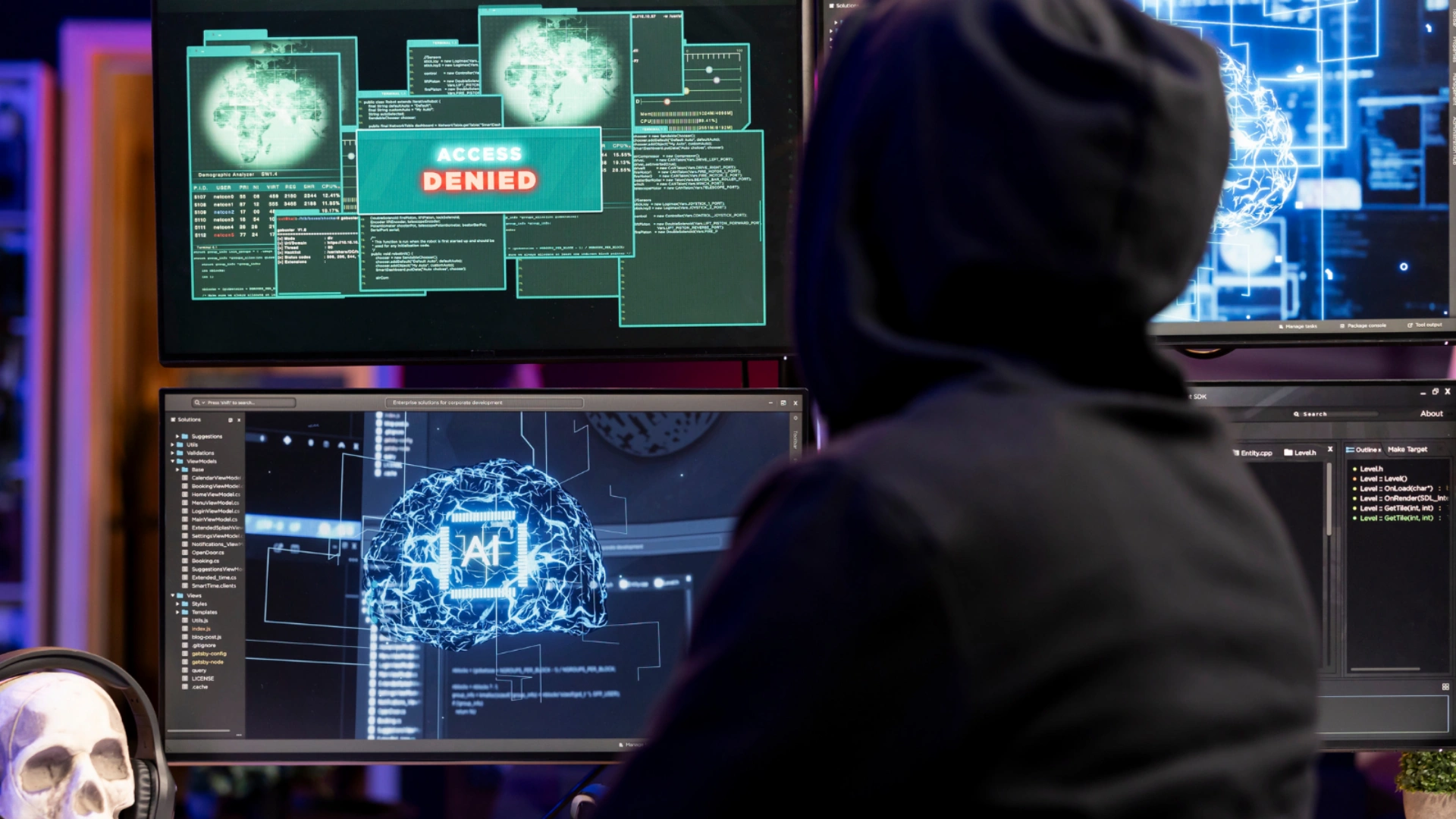
Security incidents impact more than property. They disrupt operations, damage reputation, and create safety concerns. A reliable intruder detection strategy allows property owners to identify threats before they escalate.
Without effective security monitoring, businesses face financial loss, operational downtime, and legal complications. Homeowners risk burglary, vandalism, and personal safety concerns. Preventive systems significantly reduce these risks.
Technology now enables automated security systems that operate around the clock. They analyze patterns, detect irregular movement, and send alerts instantly. This proactive model reduces reliance on manual observation.
How Modern Intruder Detection Works?
An effective security system uses interconnected devices to monitor entry points, restricted areas, and sensitive zones. Sensors track movement, environmental changes, and access attempts.
Control panels process signals and activate alarms when suspicious activity occurs. Many modern security systems integrate intelligent analytics to reduce false alerts and improve response speed.
Cloud connectivity allows users to monitor activity remotely. Mobile alerts ensure that security teams respond immediately to potential breaches.
Also Read:
What Are The Best Benefits Of Intrusion Detection Systems?
What Are The Core Components Of An Effective Intruder Detection Setup?
Every strong intrusion detection framework relies on carefully selected components that work together seamlessly.
Motion Sensors:
Motion sensors form the foundation of modern security systems. Passive infrared sensors detect body heat, while microwave sensors track movement across designated areas. Proper placement ensures full coverage and eliminates blind spots.
Door and Window Contacts:
Entry sensors strengthen perimeter security. These devices trigger alerts whenever doors or windows are opened unexpectedly.
Alarm Systems:
Audible alarms enhance overall security effectiveness. Loud sirens deter intruders and notify occupants immediately.
Control Panels and Connectivity:
Central control panels manage all signals within a security network. Cloud-enabled platforms allow remote arming, disarming, and monitoring from smartphones or desktops.
How Does Integration With Smart Infrastructure Strengthen Security?

Security becomes stronger when technologies work together. A smart surveillance system enhances monitoring by combining sensors, cameras, and real-time analytics.
Advanced AI platforms now transform traditional CCTV surveillance into intelligent protection layers. For example, VideoraIQ upgrades standard camera infrastructure into a cloud-powered video intelligence solution that actively supports intruder detection instead of simply recording footage.
Rather than passively storing video data, VideoraIQ analyzes live streams, detects suspicious movement, and triggers alerts instantly. This intelligent automation reduces human error and strengthens overall response time.
When security systems integrate with AI-driven video analytics, property owners gain enhanced visibility, faster response, and greater accuracy in one unified platform.
How VideoraIQ Elevates Intruder Detection?
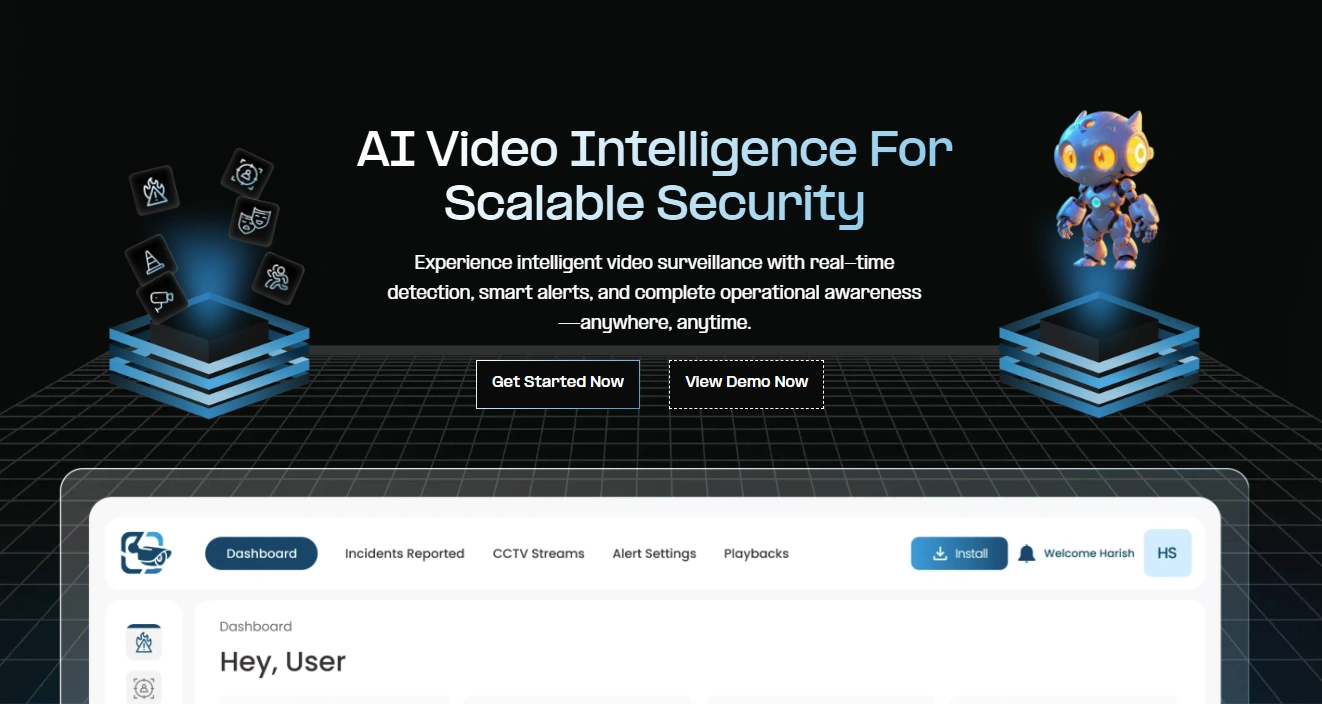
Traditional surveillance often depends on human observation, which increases the risk of delayed responses. VideoraIQ transforms this model by turning conventional cameras into intelligent security tools.
VideoraIQ operates as a cloud-based AI video intelligence platform designed to make security monitoring smarter, faster, and more reliable. It does not just observe environments—it actively detects, analyzes, and responds.
Face Recognition:
VideoraIQ uses advanced face recognition to identify authorized personnel and unknown visitors. This feature strengthens access control and enhances overall security in sensitive areas.
Intrusion Detection:
The platform includes built-in intrusion detection capabilities that monitor restricted zones and instantly generate alerts when unauthorized movement occurs.
Object Detection:
AI-powered object detection identifies suspicious items or unusual activity patterns. This enhances the accuracy of security monitoring across warehouses, offices, and retail environments.
Unauthorized Access Alerts:
VideoraIQ sends real-time notifications when someone enters a restricted space without approval. Immediate alerts improve reaction time and prevent escalation.
Fire and Smoke Detection:
Security extends beyond break-ins. VideoraIQ detects fire and smoke hazards in real time, protecting both infrastructure and occupants.
Line Cross Detection:
Virtual boundary monitoring allows administrators to define digital lines. When someone crosses a restricted boundary, the system triggers alerts instantly.
Unattended Baggage Monitoring:
The platform identifies unattended objects in high-risk zones. This feature strengthens situational awareness in public and commercial spaces.
Cashier Absence Detection:
Retail businesses benefit from intelligent monitoring that detects unattended billing counters, improving operational efficiency and internal accountability.
By combining these features, VideoraIQ strengthens overall intruder detection performance while reducing dependency on manual supervision.
How Is Intruder Detection Used Across Residential, Commercial, And Industrial Spaces?
Security needs vary by environment, but the goal remains the same: prevent unauthorized access and protect people, assets, and operations. Modern security systems adapt to different property types by offering scalable, intelligent monitoring solutions.
Residential Protection:
Homeowners use intruder detection to safeguard families, valuables, and private spaces. These systems focus on perimeter security and interior monitoring to ensure complete coverage.
Key residential applications include:
- Perimeter Sensors: Protect doors, windows, and entry gates from forced access.
- Interior Motion Monitoring: Detect unexpected movement inside living areas.
- Smart Lighting Integration: Automatically activate lights when motion occurs to deter potential intruders.
- Remote Access Control: Allow homeowners to monitor activity and receive alerts from anywhere.
- Mobile Notifications: Provide real-time updates during travel or extended absence.
This layered approach enhances safety while offering convenience and peace of mind.
Commercial and Industrial Security:
Businesses rely on security systems to protect inventory, confidential data, and employees. Larger facilities require centralized platforms that support multi-location monitoring and advanced threat detection.
Common commercial and industrial uses include:
- Inventory Area Monitoring: Secure retail stockrooms and warehouse storage zones.
- Data Protection: Monitor office spaces containing sensitive documents and servers.
- Restricted Zone Alerts: Detect unauthorized movement in hazardous or high-security areas.
- Centralized Dashboards: Manage multiple sites from one control interface.
- Access Control Integration: Combine credential-based entry systems with motion detection for stronger protection.
By adapting to the scale and complexity of each environment, modern security systems provide consistent and reliable protection across homes, offices, warehouses, and industrial facilities.
Also Read:
How To Use Advanced Tailgating Detection For Secure Access Control?
How Can Intruder Detection Systems Reduce False Alarms?
False alerts waste time and reduce system credibility. Advanced intruder detection platforms use AI algorithms to differentiate between genuine threats and normal activity.
Pet-friendly sensors, customizable sensitivity settings, and smart analytics help maintain accuracy without compromising safety.
How Can Regular Maintenance Optimize Intruder Detection Performance?
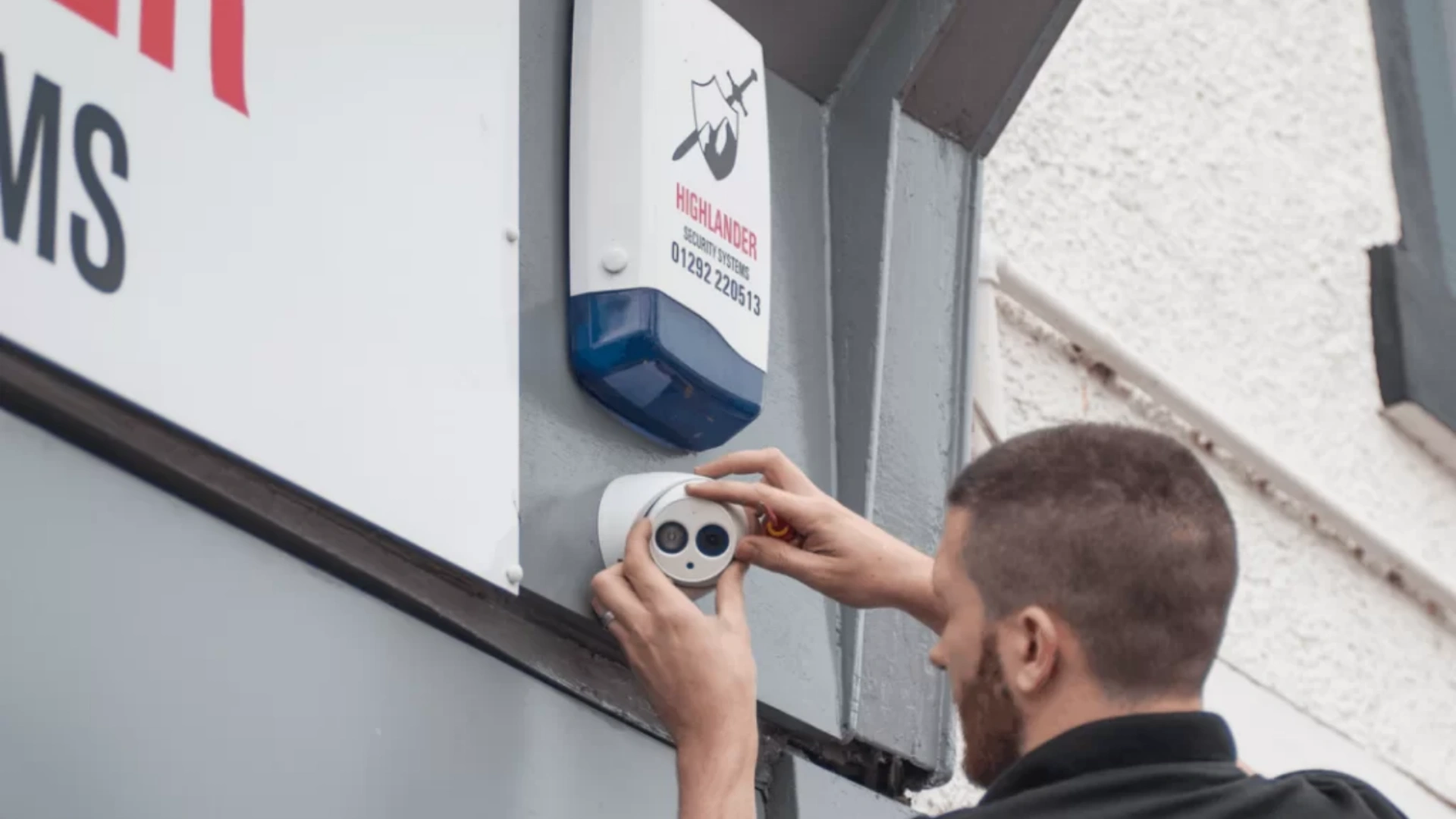
Consistent maintenance ensures that security systems operate efficiently and respond accurately to potential threats. Routine checks prevent technical failures and extend system lifespan.
- Test Sensors Regularly: Confirm accurate motion and entry detection.
- Inspect Device Placement: Ensure no new obstructions create blind spots.
- Verify Connectivity: Check network stability for real-time alerts.
- Update Firmware Promptly: Install updates to enhance security and performance.
- Examine Backup Power Systems: Ensure batteries function during outages.
- Review Alert Settings: Adjust sensitivity to match environmental changes.
- Schedule Professional Inspections: Identify hidden issues before they escalate.
Preventive maintenance minimizes downtime, strengthens reliability, and keeps protection consistent year-round.
Is Intruder Detection Worth The Investment In The Long Run?
Investing in a reliable security system requires upfront planning, but the long-term financial and operational benefits often outweigh the initial costs. A well-designed setup helps prevent theft, reduce property damage, and minimize costly business interruptions.
Direct and indirect returns include:
- Reduced Theft and Losses: Early alerts prevent inventory shrinkage and asset damage.
- Lower Insurance Premiums: Many insurers offer discounts for verified security installations.
- Decreased Downtime: Faster incident response limits operational disruption.
- Scalable Subscription Models: Choose between self-monitoring or professional monitoring services based on budget and risk level.
- Protection Against Legal Risks: Security documentation and recorded alerts support investigations and compliance.
- Enhanced Brand Reputation: Customers and employees feel safer in secure environments.
Over time, intruder detection delivers measurable value by protecting revenue, strengthening trust, and ensuring business continuity.
Future Trends In Intruder Detection Technology
Artificial intelligence continues to redefine intruder detection capabilities. Predictive analytics identify unusual patterns before incidents occur.
Cloud computing enables scalable infrastructure. Mobile applications increase user accessibility. Integration with biometric authentication and behavioral analysis further enhances system accuracy.
As threats become more sophisticated, intelligent automation ensures security remains proactive rather than reactive.
Final Thoughts
Security requires constant adaptation. A well-designed intruder detection strategy protects assets, reduces risk, and strengthens operational resilience.
By integrating intelligent analytics, cloud connectivity, and advanced platforms like VideoraIQ, property owners transform traditional monitoring into proactive protection.
Whether securing a home, office, or industrial facility, investing in modern security systems creates a safer environment and provides long-term peace of mind.
FAQs
What industries benefit the most from security monitoring?
Industries such as banking, healthcare, retail, logistics, manufacturing, and education benefit significantly from modern security systems. Facilities that store sensitive data, high-value inventory, or confidential information require advanced monitoring to prevent unauthorized access and internal threats.
Can these systems work without internet connectivity?
Yes, many security systems function locally without internet access. However, cloud-enabled platforms provide better flexibility through remote monitoring, real-time mobile alerts, and data backup. Offline systems may lack instant notifications but still trigger local alarms.
How does security monitoring differ from access control systems?
Access control systems regulate who can enter specific areas using credentials like cards or biometrics. Security monitoring focuses on identifying unauthorized movement or suspicious activity, especially when someone bypasses access restrictions. Both systems complement each other for complete protection.
Are modern security systems suitable for small businesses?
Yes. Small businesses often face higher risk due to limited on-site security staff. Modern solutions offer scalable options that fit smaller budgets while providing professional-grade protection and monitoring capabilities.