

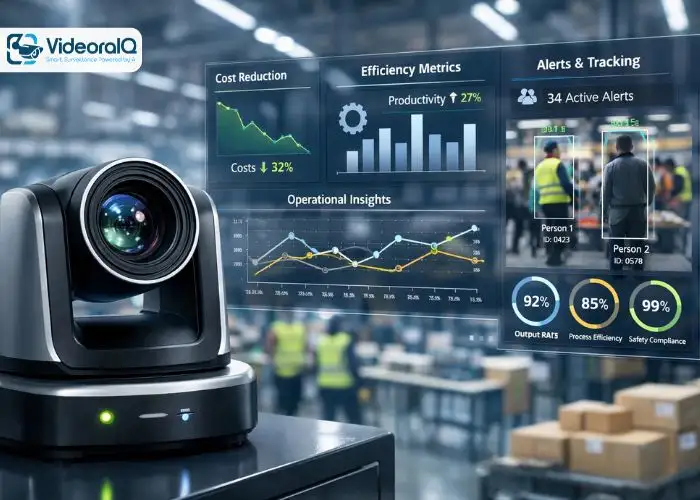
Businesses are under constant pressure to do more with less. Security budgets are tight, operational demands keep growing, and the margin for error keeps shrinking. A video analytics camera sits right at the intersection of all three challenges. It is not just a camera; it is an intelligent system that watches, learns, and acts. From a busy retail floor to a sprawling manufacturing plant, a video analytics camera gives decision-makers the kind of real-time visibility that was simply not possible a few years ago. The result? Fewer incidents, lower costs, and a much leaner way of running operations. Here are 10 powerful ways this technology is making a real difference on the ground.
Listen To The Podcast Now!
1. Cutting Down Security Staffing Costs:
Running a full security team across shifts is expensive and not always effective. A video analytics camera handles continuous monitoring without breaks, blind spots, or distractions. It flags threats the moment they appear, so your team responds only when something actually demands their attention.
Businesses have been able to reduce guard headcount significantly after deploying AI-powered cameras, redirecting those resources toward more critical functions. For organizations managing large premises, this alone delivers a noticeable reduction in monthly payroll and overtime costs without any drop in security coverage. In fact, coverage often improves because the system never loses focus.
2. Preventing Theft and Inventory Losses:
Theft does not always look obvious, and that is exactly what makes it so costly. A video analytics camera picks up on subtle behavioral cues: someone lingering too long near a shelf, repeated visits to the same aisle, unusual movement near a storage area. These patterns get flagged immediately, giving staff the chance to intervene before any loss occurs.
In retail environments, where shrinkage quietly eats into margins every single day, this kind of proactive detection makes a real financial difference. Over months of consistent use, the savings from prevented losses add up in a way that is hard to argue with.
3. Minimizing False Alarms and Wasted Responses:
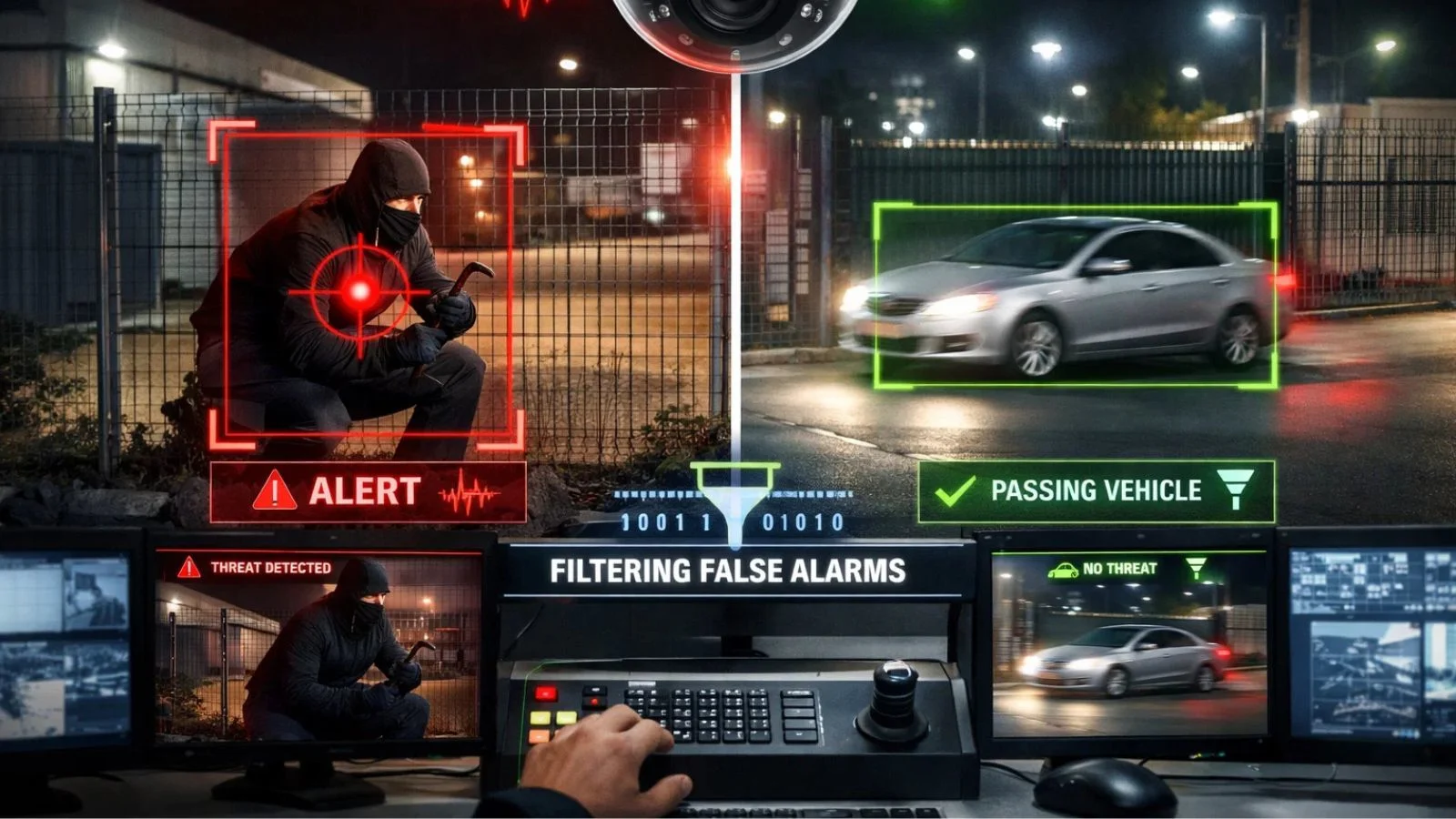
False alarms drain resources faster than most businesses realize. Every unnecessary response pulls people away from their actual duties and, over time, creates a culture where alerts get ignored, which is dangerous. Security Camera video analytics addresses this directly.
A video analytics camera is trained to tell the difference between a real threat and something harmless, like a passing vehicle or a change in lighting. Genuine alerts go through. Noise gets filtered out. Security teams stop wasting hours chasing non-events and start spending their energy on situations that actually need attention. The operational savings here are far more significant than most people expect.
4. Automating Access Control Without the Manpower:
Stationing staff at every entrance and exit is costly and inefficient. A video analytics camera with face recognition and license plate detection handles access control automatically. Authorized individuals are identified and cleared in seconds. Anyone who does not belong gets flagged instantly, with an alert sent to the relevant team.
There is no manual check-in process, no paperwork, and no room for human error at the gate. For large facilities with multiple entry points, hospitals, corporate campuses, and industrial plants, this kind of automated access management removes a significant layer of operational complexity while keeping security tighter than before.
5. Monitoring Multiple Sites From One Place:
Managing security across several locations has always been a logistical headache. Separate teams, inconsistent standards, and delays in communication make it harder to stay in control. A video analytics camera connected to a cloud-based platform brings everything under one roof.
Security managers get a single view across all sites, with real-time alerts coming in from any location the moment something happens. There is no need to physically visit sites for routine oversight or to deploy large teams at every branch. Everything is visible, manageable, and actionable from a central point, which is a major cost and efficiency advantage for multi-location businesses.
6. Keeping Operations Running the Way They Should:
A video analytics camera does not just monitor for threats; it keeps an eye on how smoothly things are running day to day. In retail, it checks that cashiers are at their counters during busy hours. In manufacturing, it verifies that workers are following safety procedures on the floor.
In logistics, it tracks movement patterns and identifies bottlenecks in real time. Managers get accurate, continuous data without having to walk the floor themselves. Over time, these operational insights lead to better decisions, fewer disruptions, and a measurably more efficient way of running the business with no additional staffing required.
7. Catching Fire and Smoke Before It Becomes a Crisis:
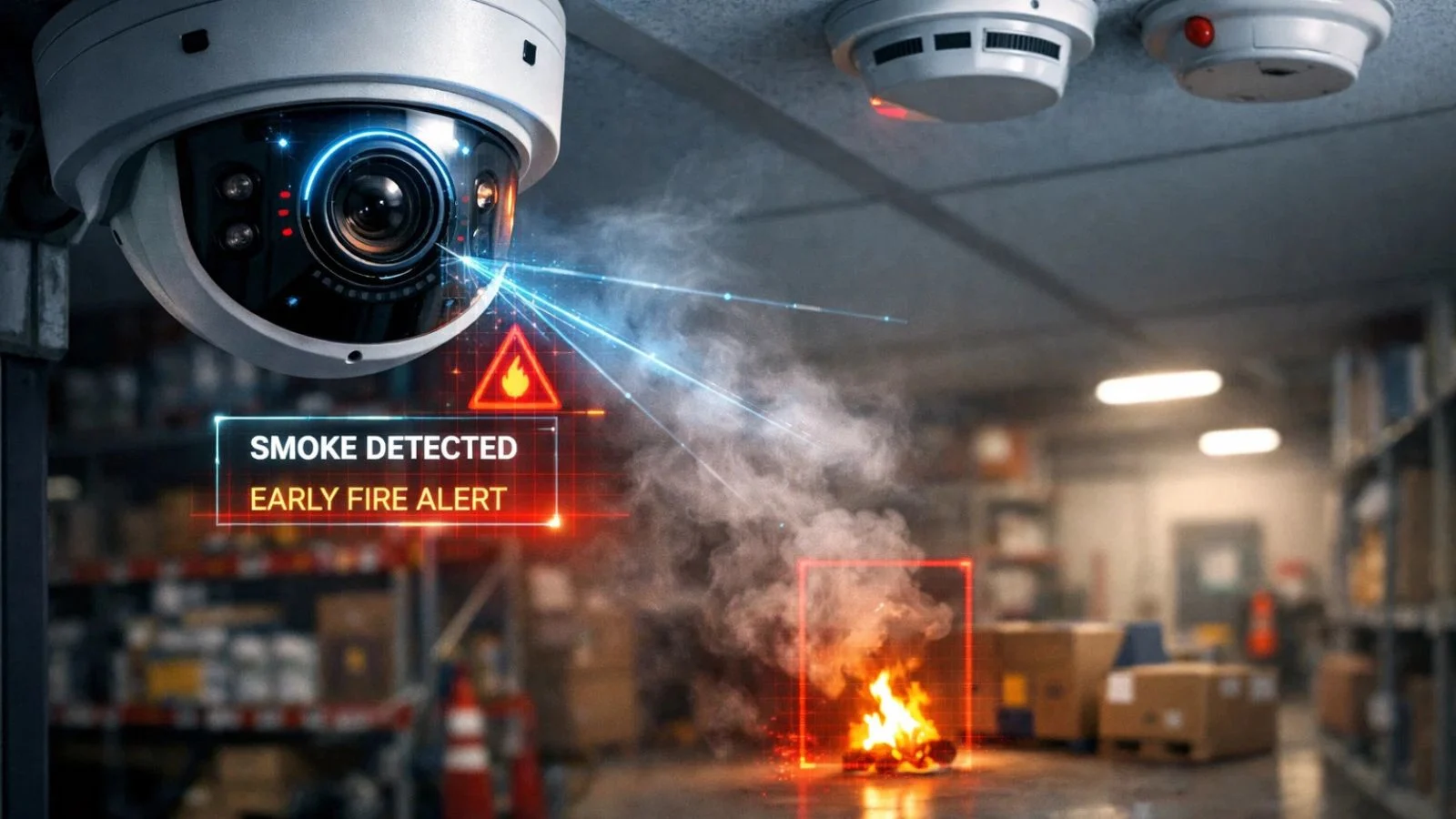
A fire that goes undetected for even a few minutes can cause irreversible damage. Standard smoke detectors respond to what they sense in the air, but a video analytics surveillance camera responds to what it sees on screen. It picks up the first visual signs of smoke or flame before levels rise high enough to trigger traditional alarms.
That difference in response time can mean the gap between a contained incident and a full-scale disaster. For warehouses, factories, and hospitals, where the stakes are especially high, this early warning capability is not just a cost-saving feature. It is a business-critical one.
8. Managing Crowds and Queues Without Extra Staff:
Long queues and overcrowded spaces create problems that go beyond customer frustration. They affect staff workload, safety, and ultimately, revenue. A video analytics camera monitors foot traffic patterns continuously, detecting when a zone is getting congested and alerting managers to take action, open an extra counter, redirect people, or bring in additional support.
All of this happens in real time, based on actual data rather than guesswork. Businesses no longer need to rely on floor managers making judgment calls by sight. The system handles the analysis; the team handles the response. It is a far more efficient way to manage high-traffic environments.
9. Identifying Unattended Objects in Busy Spaces:
In airports, malls, railway stations, and event venues, an unattended bag can bring operations to a halt. Manual patrolling across large spaces is neither practical nor reliable. A video analytics camera trained on object detection identifies abandoned items automatically and triggers an alert within seconds of detection.
Security can respond immediately, without waiting for someone to notice the object on a live feed. This dramatically cuts response times and reduces the operational disruption that comes with delayed identification. For venues that host large crowds regularly, this capability pays for itself quickly in efficiency, safety, and liability reduction.
10. Turning Footage Into Business Intelligence:
A video analytics camera does not just protect a business; it informs it. Every hour of footage generates data: which areas see the most activity, when incidents are most likely to occur, and where operational slowdowns happen repeatedly. Over time, this data paints a clear picture that helps leadership make smarter decisions, including staffing adjustments, layout changes, revised safety protocols, and stronger insurance cases.
Smart camera video analytics transforms what was once a passive recording system into an active source of competitive intelligence. Businesses that use this data well do not just improve security; they build leaner, sharper operations that compound savings over the long run.
Also Read:
How VideoraIQ Puts All of This Into Practice?
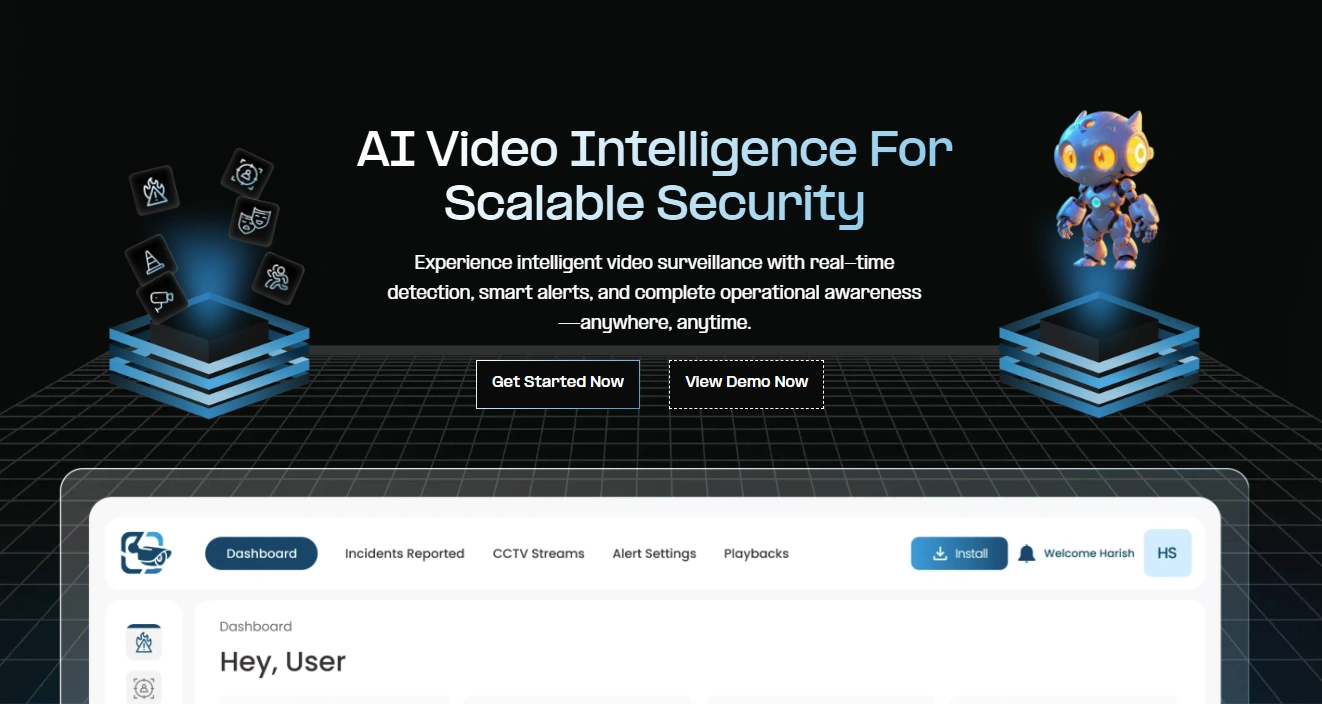
If you are looking for a platform that actually delivers on the promise of intelligent surveillance, VideoraIQ is worth a close look. It is a cloud-based AI video intelligence solution built to turn any existing camera setup into a fully capable video analytics camera network, with no full hardware overhaul needed.
What VideoraIQ brings to the table:
1. Face Recognition: Accurate identification for access control and security audits
2. Intrusion Detection: Instant AI alerts for unauthorized entry into restricted zones
3. Fire & Smoke Detection: Early visual detection for faster emergency response
4. Unattended Baggage Detection: Automated identification of abandoned objects in busy areas
5. Number Plate Recognition: Seamless vehicle access tracking and logging
6. Cashier Absence Detection: Ensures retail counters stay staffed during operational hours
7. Line-Cross & Unauthorized Access Alerts: Real-time boundary and perimeter monitoring
VideoraIQ is designed to adapt seamlessly across a wide range of industries, including corporate offices, retail stores, healthcare facilities, manufacturing units, educational campuses, and public safety environments. Its flexible AI-powered capabilities make it easy to enhance security, monitor operations, and gain valuable insights in any setting.
Conclusion:
Security and efficiency are not opposing goals; the right technology makes them work together. A video analytics camera gives businesses the visibility, speed, and intelligence needed to stay ahead of threats while keeping operational costs in check. The 10 benefits covered above are not theoretical; they are being realized by organizations across industries every day. For any business serious about getting more value from its security infrastructure, intelligent video analytics is not a future consideration. It is a decision that starts paying off from day one.
FAQ’s:
Q1. What is a video analytics camera?
Ans: It is an AI-powered surveillance device that analyzes live footage in real time to detect threats, monitor behavior, and generate automated alerts, going far beyond simple video recording.
Q2. How does video analytics help reduce costs?
Ans: By automating threat detection, access control, and behavior monitoring, businesses reduce staffing needs, prevent losses, and avoid costly incidents, directly improving their bottom line.
Q3. Can video analytics cameras work with existing infrastructure?
Ans: Yes. Platforms like VideoraIQ are designed to integrate with existing camera setups, making the transition seamless and cost-effective.