

Every organization that welcomes clients, vendors, interview candidates, or contractors needs a reliable way to track who enters and exits its premises. A visitor management system provides that structure by replacing informal sign-in methods with a secure, organized, and technology-driven process.
Without a defined system, visitor tracking becomes inconsistent and exposes the workplace to unnecessary risks. Digital check-ins, real-time records, and automated notifications create clarity at the front desk while strengthening overall security.
This guide explains how a visitor management system works, why businesses depend on it, and how it improves both operational efficiency and workplace safety.
In a hurry? Listen to the blog instead!
What Is A Visitor Management System?
A visitor management system is a digital platform that tracks, records, and manages visitors entering and exiting a facility. It verifies identities, captures visitor data, issues badges, and notifies hosts instantly.
Traditional sign-in sheets only record names. A modern visitor management system goes further by:
- Capturing visitor photographs
- Scanning government IDs
- Recording timestamps
- Collecting digital signatures
- Storing encrypted data in the cloud
This structured approach ensures better security and accountability.
Why Do Businesses Need A Modern Visitor Management Approach?
Security threats continue to evolve. Regulatory requirements grow stricter. Visitors expect a smooth and professional experience. Effective video management has also become essential for monitoring visitor activity and strengthening on-site security.
A visitor management system allows organizations to:
- Prevent unauthorized access
- Maintain accurate visitor logs
- Strengthen emergency preparedness
- Reduce administrative workload
- Support smarter video management and surveillance monitoring
- Deliver a seamless check-in experience
Manual processes create security gaps. Digital automation closes those gaps while improving operational control.
Key Features Of An Advanced Visitor Management System
A robust visitor management system delivers much more than basic sign-ins. It creates a structured, secure, and efficient entry process for every visitor. When implemented as a complete visitor management solution, it combines automation, security controls, and reporting tools to ensure seamless facility operations.
1. Digital Check-In and Pre-Registration:
Visitors can complete pre-registration before arrival and receive a QR code for faster entry. This reduces reception congestion and creates a smooth, professional first impression.
2. Real-Time Host Notifications:
The system instantly notifies employees when their guests check in. This eliminates waiting time and ensures hosts can receive visitors promptly.
3. ID Verification and Photo Capture:
The platform scans identification documents and captures visitor photos during check-in. This process strengthens security by preventing anonymous or unauthorized access.
4. Badge Printing:
The system prints customized visitor badges with names, photos, and access details. Clear identification helps staff quickly recognize approved guests inside the facility.
5. Secure Cloud Storage:
Encrypted cloud storage protects sensitive visitor data from unauthorized access. It also ensures easy retrieval of records for compliance and reporting purposes.
6. Emergency Evacuation Reports:
Security teams can access real-time visitor lists during emergencies. This improves accountability and supports faster, more organized evacuation procedures.
Also Read:
How Video Management Systems Improve CCTV Security and Monitoring?
What Makes A Video Management System Truly Powerful?
How A Visitor Management System Improves Security?
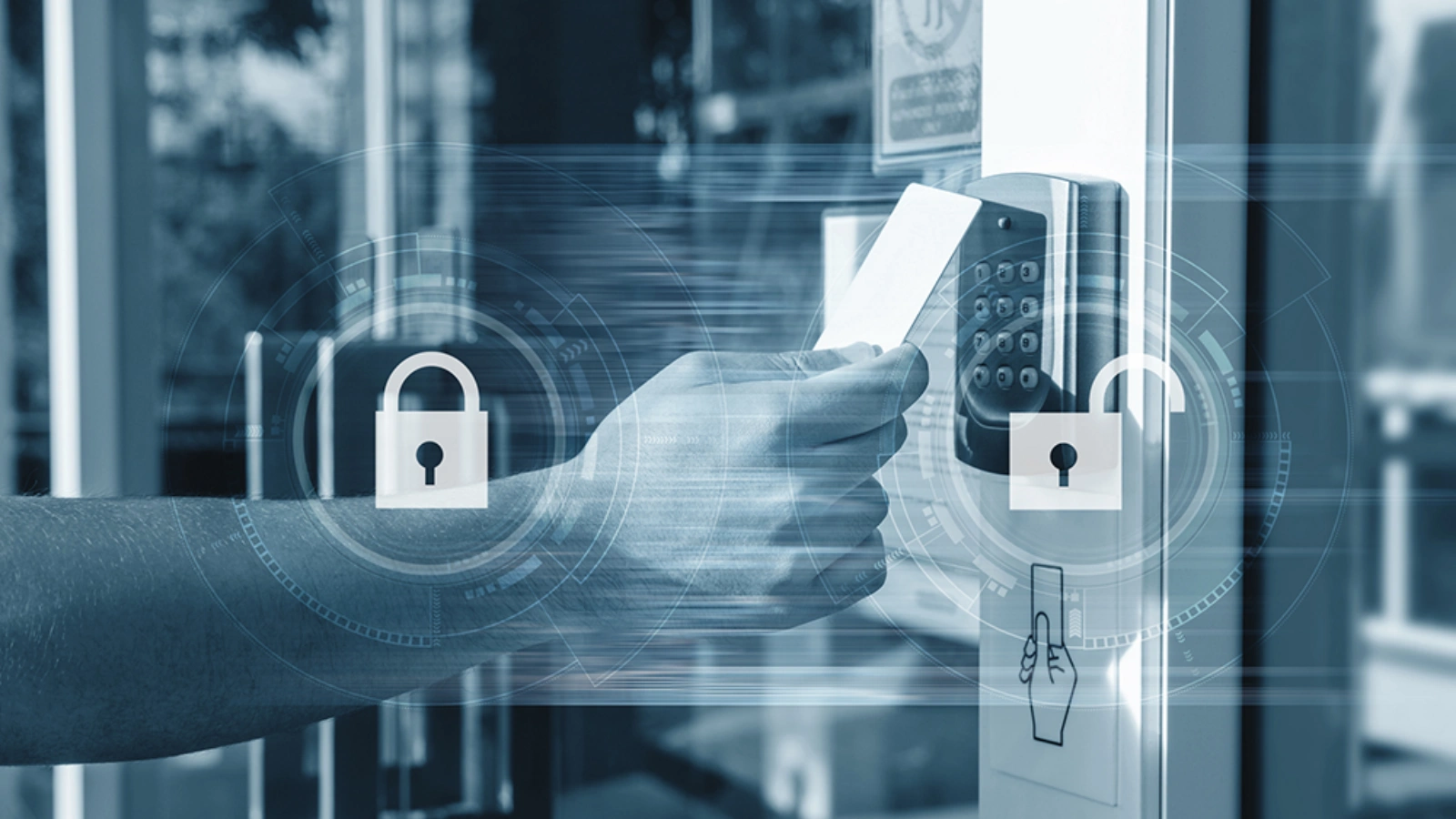
Security remains the core purpose of this technology. It creates digital audit trails, verifies identities, and ensures that every visitor receives proper authorization before entering the premises.
Organizations gain deeper visibility into:
Who enters the building:
The system records verified visitor details, including name, contact information, photograph, and identification proof, ensuring no anonymous access.
Why they visit:
It captures the purpose of the visit, whether for meetings, interviews, deliveries, or maintenance, so security teams understand the intent behind each entry.
Which employee they meet:
The platform logs the host’s name and department, creating clear accountability and preventing unapproved interactions.
How long they stay:
Time-stamped check-in and check-out records help track visit duration and flag unusually extended stays for review.
However, visitor logs alone cannot monitor every movement inside the premises. This is where intelligent surveillance platforms like VideoraIQ strengthen the security framework.
While the visitor management system controls and documents entry, VideoraIQ analyzes real-time video feeds using AI-powered features such as face recognition, intrusion detection, unauthorized access alerts, and line cross detection.
By combining structured visitor records with smart video intelligence, organizations move beyond basic tracking and create a proactive security environment that detects, alerts, and responds instantly.
How Does VideoraIQ Enhance Surveillance Intelligence?
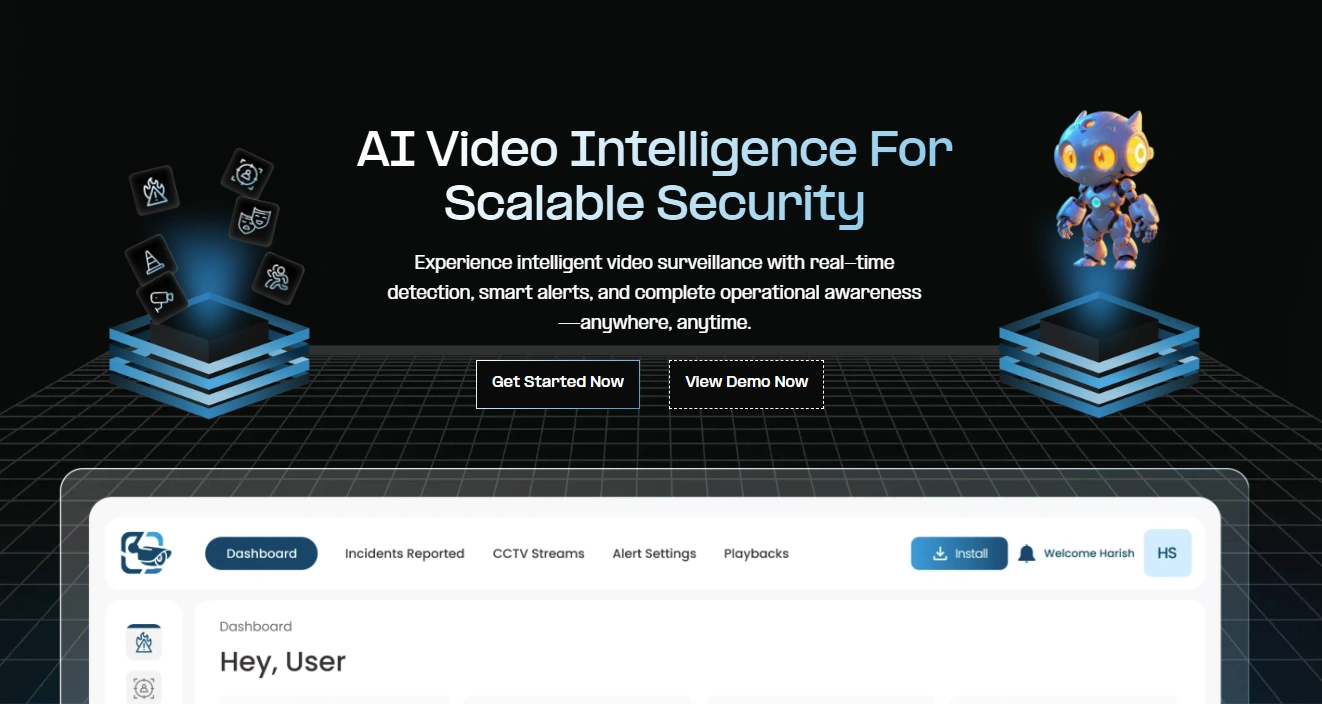
While a visitor management system verifies and records guest information at entry points, organizations need intelligent monitoring beyond reception. VideoraIQ adds this advanced layer of protection.
VideoraIQ is a cloud-based, AI-powered video intelligence platform designed to transform traditional CCTV into proactive security infrastructure. Instead of merely recording footage, it analyzes video streams in real time and detects potential threats instantly.
Human error accounts for a large percentage of security breaches. VideoraIQ reduces this risk by introducing AI-driven automation and real-time alerts.
Its advanced capabilities include:
- Face recognition
- Intrusion detection
- Object detection
- Unauthorized access alerts
- Line cross detection
- Unattended baggage detection
- Fire and smoke detection
- Cashier absence detection
- Number plate detection
When integrated with a visitor management system, VideoraIQ creates a comprehensive security ecosystem. For example:
- The visitor management system verifies a guest’s identity.
- VideoraIQ tracks whether that guest attempts to enter restricted zones.
- The system instantly alerts security teams if unauthorized access occurs.
This combination shifts security from passive observation to proactive prevention.
How Is Digital Transformation Reshaping Building Visitor Management Systems?
Organizations continue to modernize their infrastructure to improve security, automation, and operational control. These systems now integrate with smart elevators, biometric scanners, turnstiles, access control panels, and AI-powered surveillance tools to create a fully connected security environment.
After completing digital registration, the system can automatically assign floor-specific elevator access, activate turnstile entry, or grant time-bound permissions to restricted zones. If a visitor attempts to access an unauthorized area or exceeds the approved visit duration, security teams receive instant alerts for immediate action.
This level of integration reduces manual intervention, minimizes human error, and ensures that access permissions align strictly with predefined policies. As a result, organizations gain stronger control, improved efficiency, and a seamless visitor experience across the entire building infrastructure.
Role Of Visitor Tracking Software In Operational Visibility
Security teams require real-time insights into visitor movement. Visitor tracking software provides dashboards that display active guests, entry times, and visit durations.
Managers can:
- Monitor peak visitor hours
- Identify overdue check-outs
- Analyze traffic patterns
- Improve staffing allocation
These insights enhance facility management and long-term planning.
How Does Visitor Management Software Deliver Actionable Data Insights?
Visitor management software goes beyond digital check-ins by providing detailed analytics and reporting tools that support smarter decision-making. Instead of relying on assumptions, organizations can use real data to understand visitor trends, security patterns, and operational performance.
Analytics help organizations:
Forecast high-traffic periods:
Historical data reveals peak visit hours and seasonal trends, allowing teams to plan staffing, reception coverage, and security presence more effectively.
Identify frequent vendors and recurring visitors:
Reports highlight repeat visitors, contractors, and suppliers, helping businesses manage long-term access permissions and improve coordination.
Measure average visit duration:
Time-based insights help detect unusually long stays and evaluate meeting efficiency or facility usage patterns.
Optimize resource allocation:
Visitor flow analysis enables better allocation of reception desks, security personnel, and facility resources to reduce bottlenecks.
By using data-driven insights, organizations strengthen security oversight while improving operational efficiency and strategic planning.
Which Industries Benefit The Most From Structured Visitor Control?
Several sectors rely heavily on structured visitor control.
Corporate Offices:
Corporate environments welcome clients, vendors, and consultants daily. A visitor management system ensures smooth operations and secure documentation.
Healthcare Facilities:
Hospitals manage sensitive environments. Digital check-ins reduce unauthorized access.
Educational Institutions:
Schools prioritize student safety. Structured entry control strengthens campus protection.
Manufacturing Plants:
Industrial facilities require strict visitor screening for safety compliance.
Government Buildings:
Government offices demand thorough identity verification and documentation.
How Can Businesses Measure The Success And Performance Of Their Visitor Strategy?
Organizations must evaluate whether their visitor processes truly improve security and efficiency. Measuring performance through clear metrics helps identify strengths and areas for improvement.
Businesses can assess success using indicators such as:
- Reduced check-in time:
Faster registration and automated approvals decrease waiting periods at reception, creating a smoother and more professional entry experience. - Improved visitor satisfaction:
Feedback surveys and reduced complaints indicate that guests appreciate streamlined processes and clear communication. - Enhanced compliance audit results:
Accurate digital records, secure data storage, and organized reporting make regulatory audits more efficient and less stressful. - Lower security incidents:
Fewer unauthorized access attempts and faster response times reflect stronger control and monitoring capabilities.
Consistent, technology-driven monitoring allows organizations to refine workflows, strengthen security policies, and continuously improve operational performance.
The Future Of Visitor Security
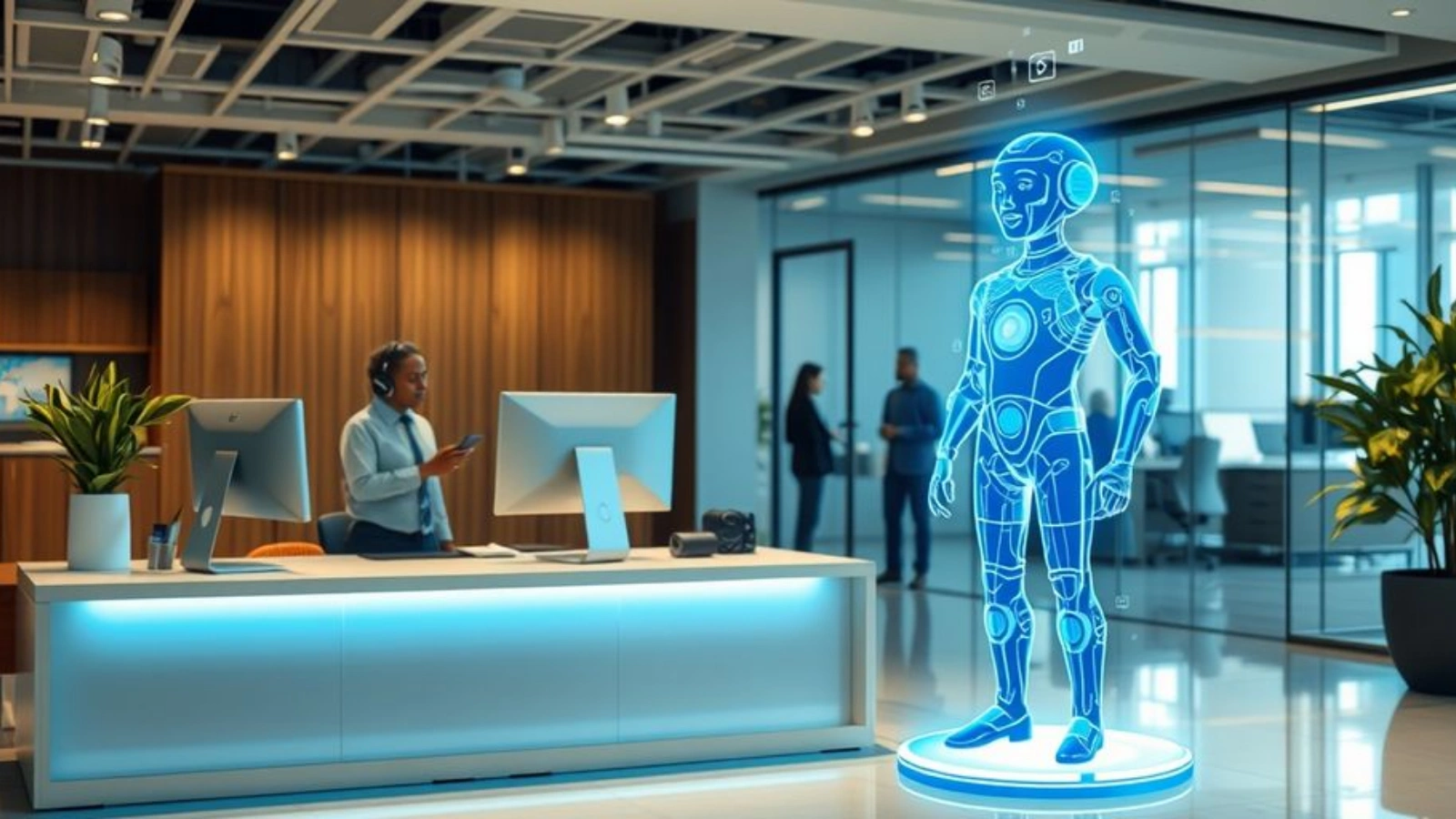
Emerging technologies continue to redefine how organizations manage safety and access. One major advancement includes stronger integration between visitor management system access control and intelligent security infrastructure. Instead of handling entry and monitoring separately, modern systems now operate as a unified security ecosystem.
Emerging trends include:
- Touchless QR-based check-ins
- Biometric verification
- AI-powered threat detection
- Smart building integrations
As threats evolve, organizations must adopt proactive strategies.
A modern digital visitor platform, enhanced by intelligent video analytics tools like VideoraIQ, equips businesses to build secure, efficient, and future-ready operations.
Final Thoughts
Security, efficiency, and professionalism define modern organizations. Manual visitor logs no longer meet today’s standards.
A well-implemented visitor management system transforms how companies handle guests. It enhances safety, streamlines processes, and builds trust.
Businesses that invest in structured visitor management today position themselves for safer operations, stronger compliance, and long-term growth.
FAQs
How long does it take to implement a visitor management system?
Implementation time depends on the size of the organization and integration requirements. Small offices can deploy within a few days, while large enterprises with multiple access points and system integrations may require a few weeks for full setup and testing.
Can visitor data be customized based on company policies?
Yes, most modern platforms allow businesses to customize data collection fields. Companies can add NDA agreements, health declarations, compliance forms, or industry-specific documentation during the check-in process.
Is cloud-based visitor data secure?
Reputable platforms use encrypted cloud storage, multi-factor authentication, and role-based access control to ensure data security. Regular backups and audit trails also help protect sensitive information.
Can the system handle high visitor volumes during events?
Yes, scalable platforms support bulk pre-registration, QR-based fast check-ins, and multiple kiosk setups. This ensures smooth entry even during conferences, product launches, or corporate events.