

Your home doesn’t need a guard standing at the gate 24/7, but it does need eyes that never blink.
That’s exactly what modern home surveillance cameras are built for. From tracking unexpected movement to letting you check your home while you’re stuck in traffic, these systems have quietly become one of the most important parts of home safety today.
But here’s the tricky part, walk into the market (or scroll online), and you’ll see hundreds of options claiming to be the best home surveillance cameras. Some are cheap, some are overloaded with features, and some look good but fail when you actually need them.
So how do you actually choose the right one for your house?
Let’s break it down in a simple, no-nonsense way.
In a hurry? Listen to the blog instead!
Why Home Surveillance Cameras Are No Longer Optional
A few years ago, cameras were “extra security.” Today, they’re more like a basic necessity.
Modern surveillance cameras for home do more than just record footage. They:
- Alert you when someone enters your property
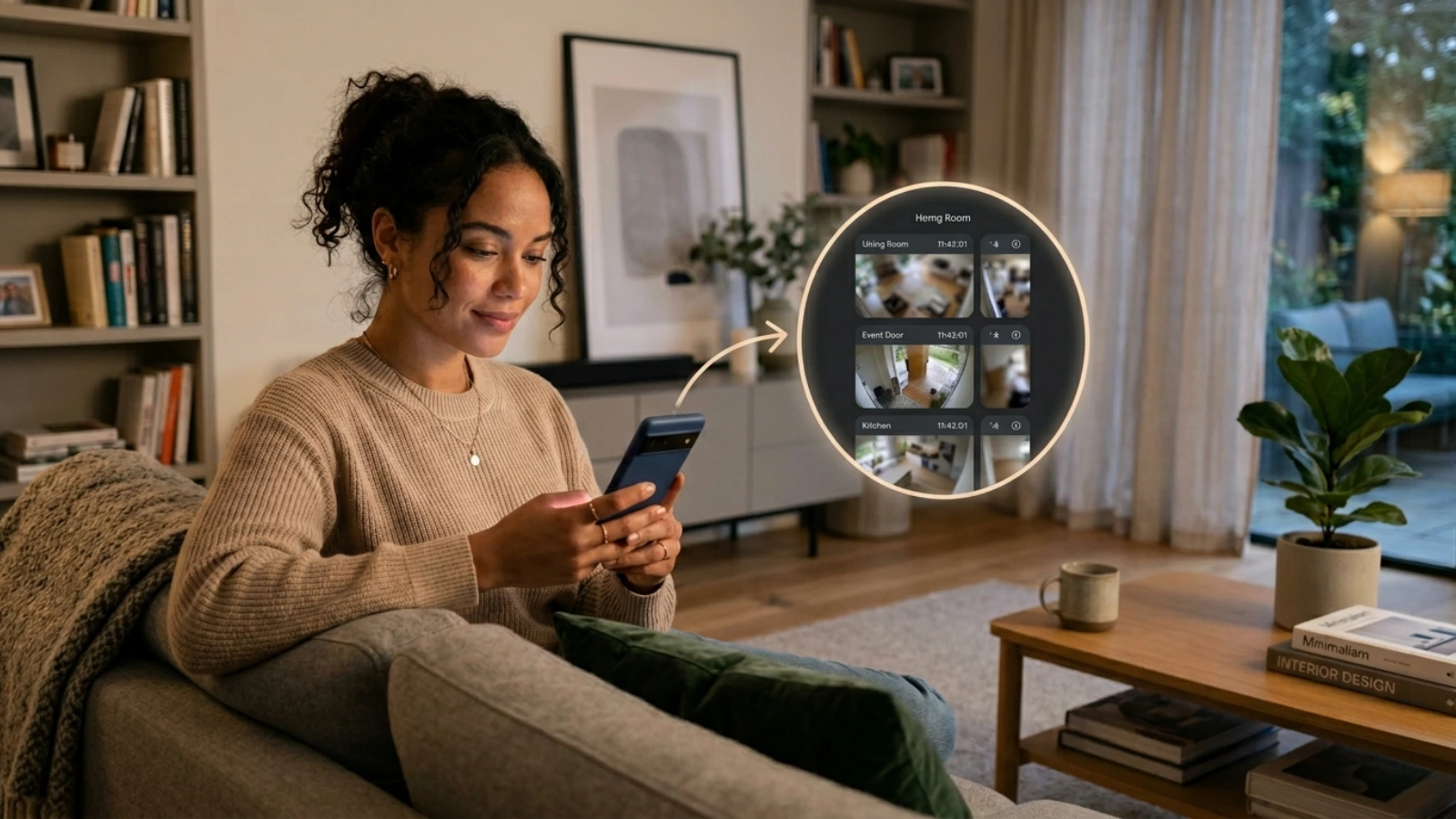
- Let you check live video from your phone
- Capture evidence if something goes wrong
- Help you keep an eye on kids, pets, or deliveries
Think of them as a quiet observer that never sleeps, never blinks, and never takes a break.
And the best part? You don’t need to be a tech expert anymore to install or use them.
Step 1: First Decide What Are You Actually Protecting?
Before comparing specs and brands, pause for a second and ask:
What exactly do I want to secure?
- Main entrance?
- Backyard?
- Parking area?
- Entire house?
This matters because the good home surveillance cameras for a small apartment will be very different from what you’d install in a villa with open space.
If you try to cover everything with one camera, you’ll end up with blind spots. If you install too many, you’ll overcomplicate things.
Balance is key.
Step 2: Video Quality Is Not Just a Number
Let’s be honest, grainy footage is useless.
If you can’t clearly see a face or number plate, the camera is just “recording noise.”
That’s why HD or Full HD resolution is the starting point. Most best home surveillance cameras now offer at least 1080p clarity, and many go higher.
But resolution alone isn’t enough. You also need:
- Clear focus in motion
- Balanced brightness (not overexposed daytime shots)
- Stable frame rate for smooth video
Because in real situations, things don’t stay still for you to admire pixels.
Step 3: Night Vision Is Where Cameras Prove Themselves
Most real incidents don’t happen in bright daylight.
They happen at night.
So when choosing home surveillance cameras, night vision isn’t optional, it’s critical.
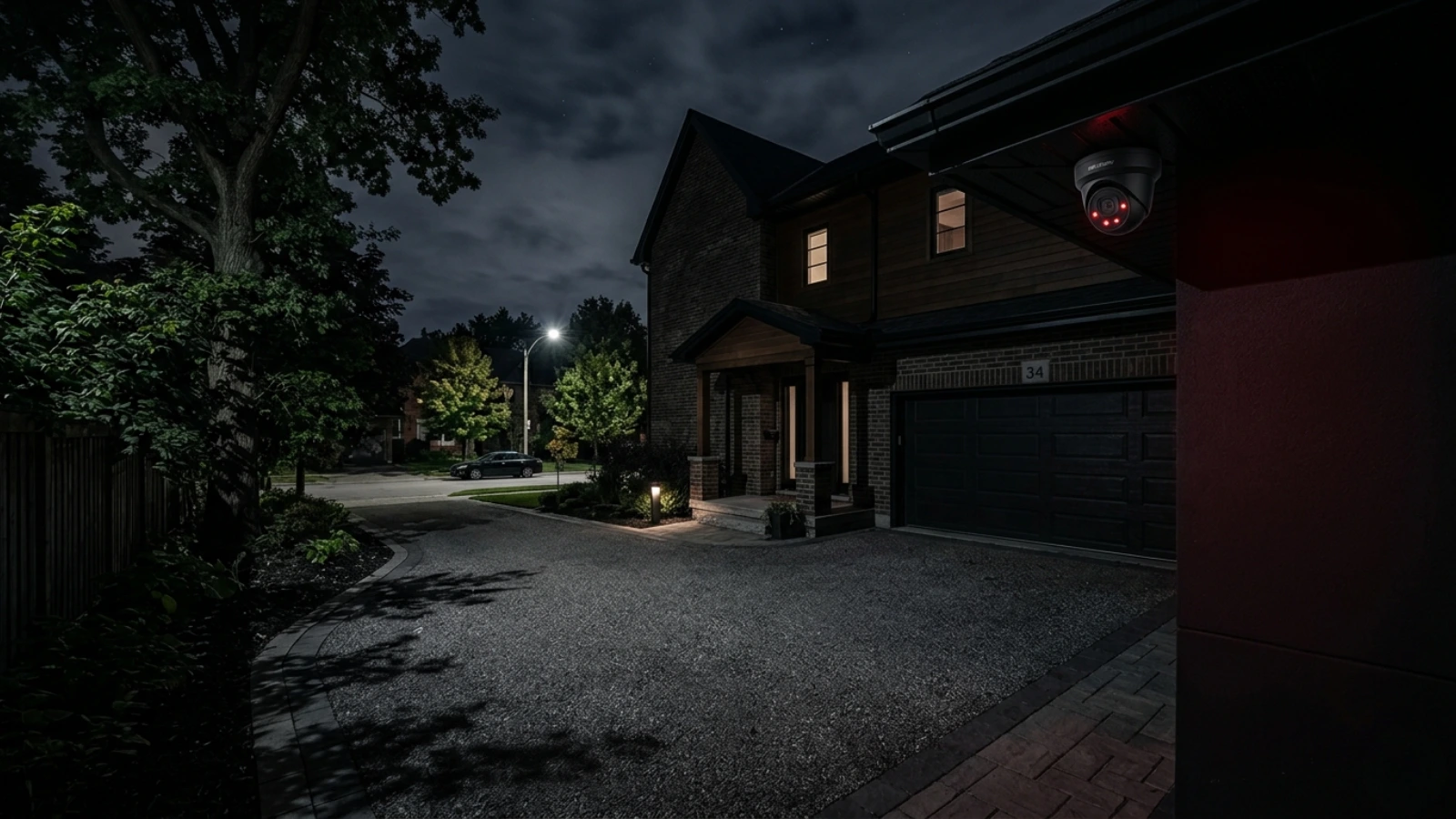
Good systems use infrared or advanced low-light technology so you can still see:
- People moving near gates
- Activity in parking areas
- Unexpected movement in the backyard
Some advanced cameras even offer color night vision, which makes footage more usable instead of just black-and-white silhouettes.
If a camera struggles at night, it fails its core job.
Step 4: Installation Should Not Feel Like Engineering Work
A lot of people avoid security systems because they imagine drilling walls, running wires, and calling technicians.
That used to be true.
Not anymore.
Modern surveillance cameras for home are mostly wireless and app-connected. You can install many of them in minutes without professional help.
When checking installation, look for:
- Wireless or WiFi connectivity
- Simple mounting system
- Mobile app setup
- Plug-and-play configuration
If it takes more than an hour to set up a basic camera, something is wrong with the design—not you.
Step 5: Mobile Access Changes Everything
Here’s where home security becomes “smart.”
A proper system lets you check your house like you’re flipping through Instagram stories, except it’s your own property.
With app-connected cameras, you can:
- Watch live footage anytime
- Get instant motion alerts
- Replay recordings
- Control camera angle (in some models)
This is what separates good home surveillance cameras from basic recording devices.
Because real security isn’t about recording, it’s about awareness in real time.
And now, even that is evolving.
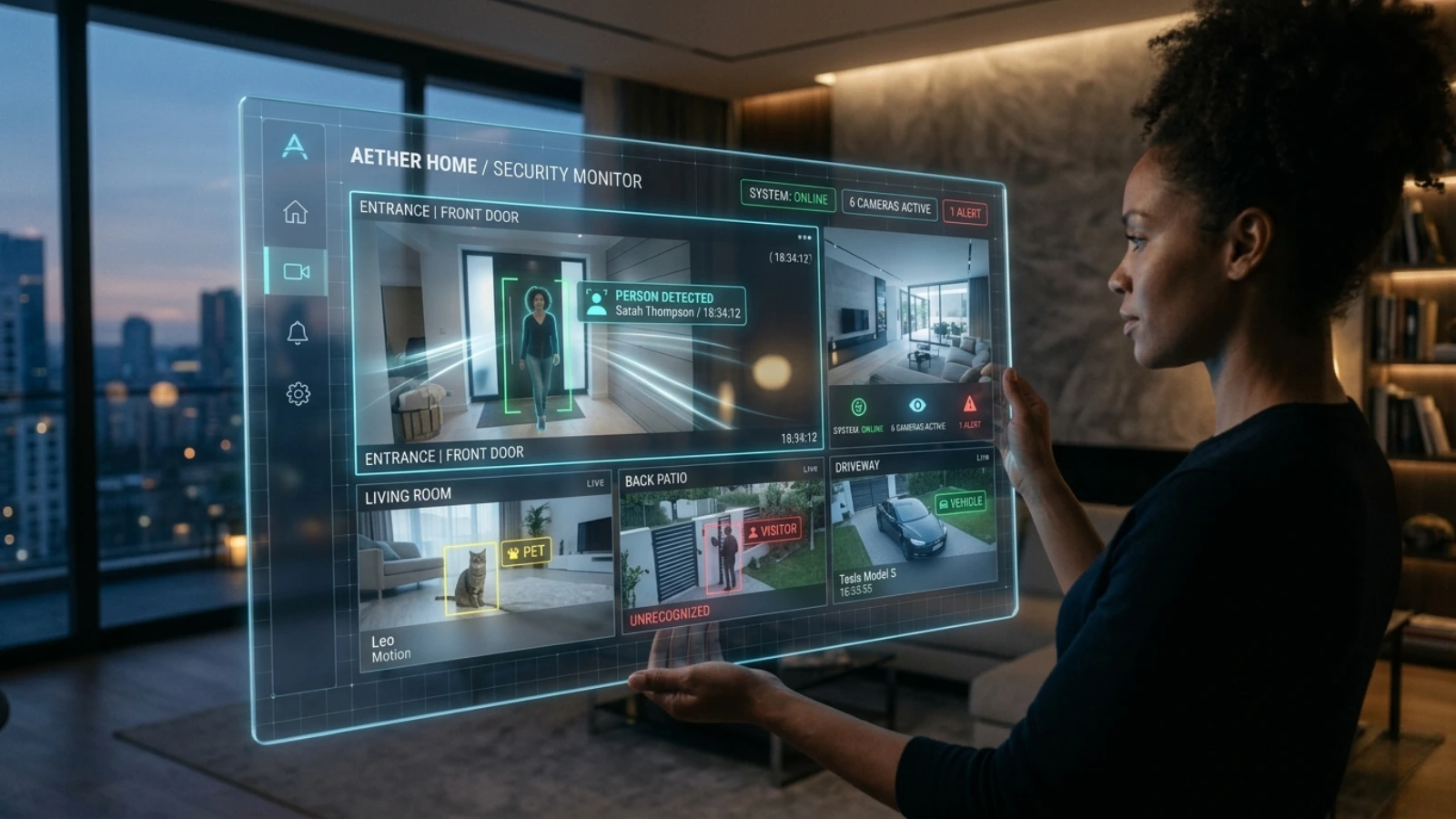
Today, home surveillance cameras are starting to move beyond just showing you what’s happening. With AI-powered intelligence, they can highlight what actually matters, filtering out noise, detecting unusual activity, and sending smarter alerts instead of constant notifications.
Solutions like VideoraIQ are part of this shift, turning regular camera setups into systems that don’t just watch, but actually assist you in staying aware.
VideoraIQ: Turning Your Home Surveillance Cameras Into Smart Security Systems

Installing cameras is one thing. Understanding what they’re seeing, that’s where real security begins.
VideoraIQ adds an intelligent layer to your existing home surveillance cameras, helping you move from constant monitoring to meaningful awareness. Instead of checking footage again and again, it highlights what actually needs your attention, in real time.
What VideoraIQ Brings to Your Home Security
- Real-Time Threat Detection
Instantly identifies unusual activity so you don’t find out too late - Smart Alerts (Not Noise)
Get notified only when something actually matters, no constant false alarms - Face Recognition
Identify familiar vs unknown faces for better control and awareness - Intrusion & Boundary Detection
Alerts you the moment someone enters restricted or sensitive areas - Fire & Smoke Detection
Early warnings that can make all the difference in emergencies - Object & Activity Monitoring
Detect unattended items or suspicious movement automatically - 24/7 Intelligent Monitoring
Always active, always alert, without human fatigue or missed moments
Your cameras already see everything. VideoraIQ helps you understand what’s important.
Upgrade your home surveillance cameras from passive recording to active protection.
👉 Explore VideoraIQ and see how smarter surveillance changes everything.
Step 6: Field of View – The Silent Game Changer
A camera that sees only a narrow area is like looking through a keyhole.
That’s why field of view matters more than most people realize.
A wider angle means:
- Fewer blind spots
- Less need for multiple cameras
- Better overall coverage
For example, one wide-angle camera at the entrance can often do the job of two average ones.
When choosing home surveillance cameras, always think coverage first, not just clarity.
Step 7: Audio Features Make Cameras Interactive
Modern security isn’t silent anymore.
Two-way audio lets you actually talk through your camera.
That means you can:
- Speak to delivery agents
- Warn unwanted visitors
- Talk to family members at home
- Check in on pets
This simple feature turns a camera into a communication tool.
And once you use it, you’ll wonder how you managed without it.
Step 8: Storage – Don’t Ignore Where Your Footage Goes
A camera is only useful if it can store what it records.
Most home surveillance cameras offer two options:
- Cloud storage (remote backup)
- Local storage (SD card or device memory)
Cloud storage is safer if the device is damaged or stolen. Local storage is cheaper and independent of internet issues.
The smartest setups often combine both.
Because security footage is something you don’t want to lose.
Step 9: Weather and Durability Matter More Than You Think
If you’re installing outdoor cameras, this is non-negotiable.
India’s weather isn’t gentle; heat, rain, dust, everything hits hard.
That’s why outdoor surveillance cameras for home should be:
- Weather-resistant
- Dustproof
- Heat-tolerant
- Strongly mounted
A weak camera outdoors won’t last a season.
Step 10: How to Install Surveillance Cameras at Home (Simple Version)
If you’re wondering how to install surveillance cameras at home, here’s the real-world flow:
- Choose key areas (entrance, backyard, parking)
- Mount the camera at a high angle
- Connect it to power (or battery)
- Link it to your WiFi
- Set up the mobile app
- Test live view and alerts
That’s it.
No complicated setup. No heavy wiring (in most modern systems). Just placement + connectivity + testing.
What Actually Makes a Camera “Best”?
People often ask for the best home surveillance cameras, but there’s no universal answer.
The “best” depends on:
- Your home layout
- Your budget
- Indoor vs outdoor needs
- Required features (night vision, motion alerts, etc.)
But the best systems usually share one thing in common, they disappear into your routine.
You stop thinking about them, because they simply work in the background.
Read More:
Are You Missing Out On The Best Security Camera Software?
Top 10 Home Security System Mistakes (And How To Avoid Them)
Final Thought: Security That Feels Invisible But Always Present
The idea behind modern home security isn’t complexity, it’s simplicity.
You shouldn’t feel like you’re managing a system. You should feel like your house is quietly looking after itself.
Good home surveillance cameras don’t demand attention. They just stay alert so you don’t have to.
And that’s the real upgrade, from reacting to situations… to being aware before they become situations.
FAQs: Home Surveillance Cameras
1. Which are the best home surveillance cameras for everyday use?
The best home surveillance cameras are the ones that match your needs, not just the highest price tag. For most homes, cameras with HD video, night vision, mobile access, and motion alerts offer a reliable and practical setup.
2. Are wireless surveillance cameras for home better than wired ones?
For most homeowners, wireless surveillance cameras for home are the better option. They’re easier to install, flexible to place, and don’t require complicated wiring, making them ideal for modern homes.
3. How many home surveillance cameras do I actually need?
It depends on your space. A small apartment may need 1–2 cameras, while larger homes might require 4–6 to cover entrances, parking areas, and open spaces. The goal is to avoid blind spots, not over-install cameras.
4. How to install surveillance cameras at home without professional help?
Most modern cameras are designed for simple DIY installation. Mount the camera, connect it to power, link it to WiFi, and set up the mobile app. With the right placement, the entire setup can be done in minutes.
5. Can home surveillance cameras detect real threats or just motion?
Basic cameras detect motion, which can lead to unnecessary alerts. However, newer systems are becoming smarter by identifying unusual activity instead of just movement. This is where solutions like VideoraIQ add value, helping filter out noise and alert you only when something actually matters.