

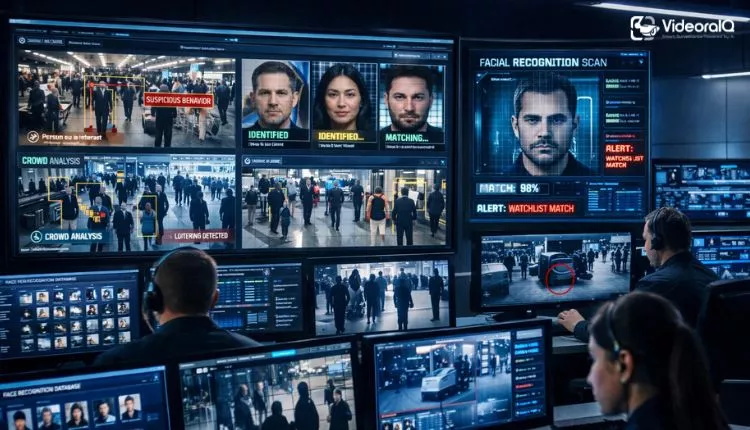
Security systems have come a long way from traditional CCTV cameras that simply recorded footage for later review. Today, businesses and organizations need smarter, faster, and more proactive solutions to handle security challenges. This is where video analytics and facial recognition are making a major impact.
Instead of just capturing video, modern systems analyze it in real time, detecting patterns, identifying individuals, and flagging unusual activities. With the help of real-time video monitoring, security teams can respond instantly rather than reacting after an incident has already occurred.
The integration of artificial intelligence into surveillance has transformed how security operates. From retail stores and offices to airports and public spaces, video analytics surveillance systems are now capable of improving safety, reducing risks, and enhancing operational efficiency.
Listen To The Podcast
What Is Video Analytics and Facial Recognition?
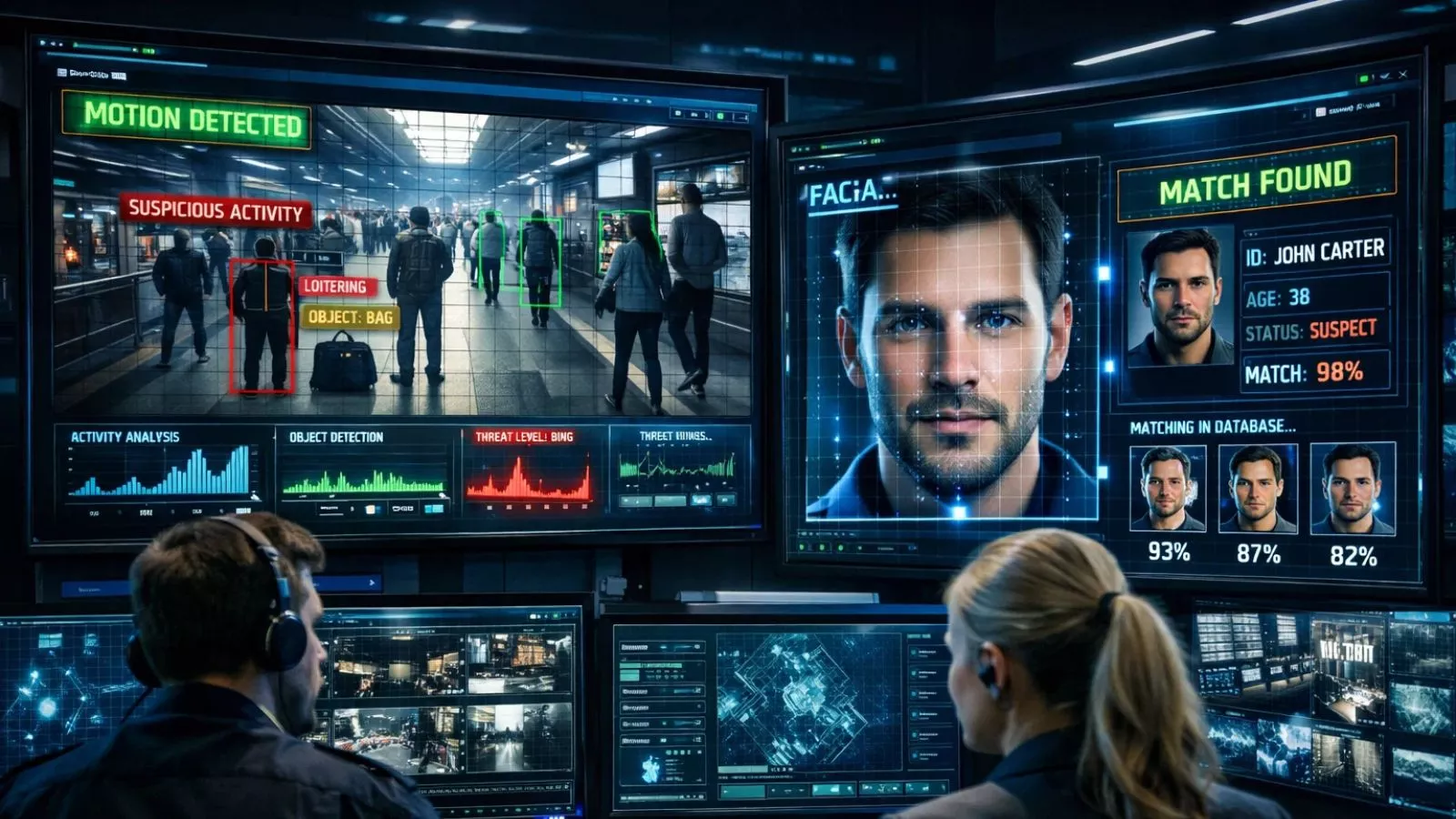
To understand the technology, it’s important to first define what video analytics and facial recognition actually mean.
Video analytics refers to the use of artificial intelligence and machine learning to process video footage and extract meaningful insights. Instead of relying on human monitoring, a video analytics platform automatically detect events such as motion, object presence, crowd density, or suspicious behavior.
Facial recognition, on the other hand, is a more advanced feature within video analytics. It focuses on identifying or verifying individuals by analyzing facial features captured in video feeds. The system compares these features against stored data to recognize specific people or detect unknown individuals.
Together, video analytics and facial recognition create a powerful combination. They not only monitor environments but also interpret what is happening in real time. This is especially useful in high-security areas where quick identification and response are critical.
With the addition of real-time video monitoring, these systems can instantly alert security teams when a known threat is detected or when unusual activity occurs, making them far more effective than traditional surveillance methods.
How Does Video Analytics and Facial Recognition Work?
Understanding how video analytics and facial recognition work helps businesses see why these systems are so powerful in modern security.
The process begins with video capture. Cameras installed across a location continuously record footage, which is then processed by AI-powered software. Unlike traditional systems, this isn’t just stored it’s analyzed instantly using video analytics surveillance technology.
Next comes data processing. The system breaks down video into frames and identifies objects, movements, and patterns. For example, it can detect a person entering a restricted area or recognize unusual behavior. This is where real-time video monitoring plays a key role, enabling immediate analysis without delays.
Facial recognition works by mapping unique facial features such as the distance between eyes, nose shape, and jawline. These features are converted into a digital signature, often called a faceprint. The system then compares this data with a database to identify or verify individuals.
Once a match (or anomaly) is detected, the system triggers alerts. These alerts can notify security teams instantly, allowing quick action. This makes video analytics and facial recognition highly effective for preventing incidents rather than just recording them.
Also Read
10 Key Features to Look for in a Video Analytics Platform
Key Features of Video Analytics and Facial Recognition Systems
Modern video analytics and facial recognition systems come with a range of advanced features that go far beyond basic surveillance.
One of the most important features is real-time detection. With real-time video monitoring, the system can instantly identify suspicious activities, unauthorized access, or unusual patterns. This allows security teams to respond immediately instead of reviewing footage later.
Another key feature is facial identification and verification. The system can recognize known individuals, flag unauthorized persons, or even track movement across different camera feeds. This is especially useful in offices, airports, and high-security zones.
Behavior analysis is also a major advantage. Using video analytics surveillance, the system can detect activities such as loitering, crowd formation, or sudden movements that may indicate a potential threat. This adds an extra layer of intelligence to security operations.
Additionally, automated alerts and reporting make these systems highly efficient. Instead of constant manual monitoring, the software sends notifications and generates reports based on detected events. This reduces workload while improving accuracy.
By combining these features, video analytics and facial recognition systems provide smarter, faster, and more reliable security surveillance solutions.
Benefits of Video Analytics and Facial Recognition in Security
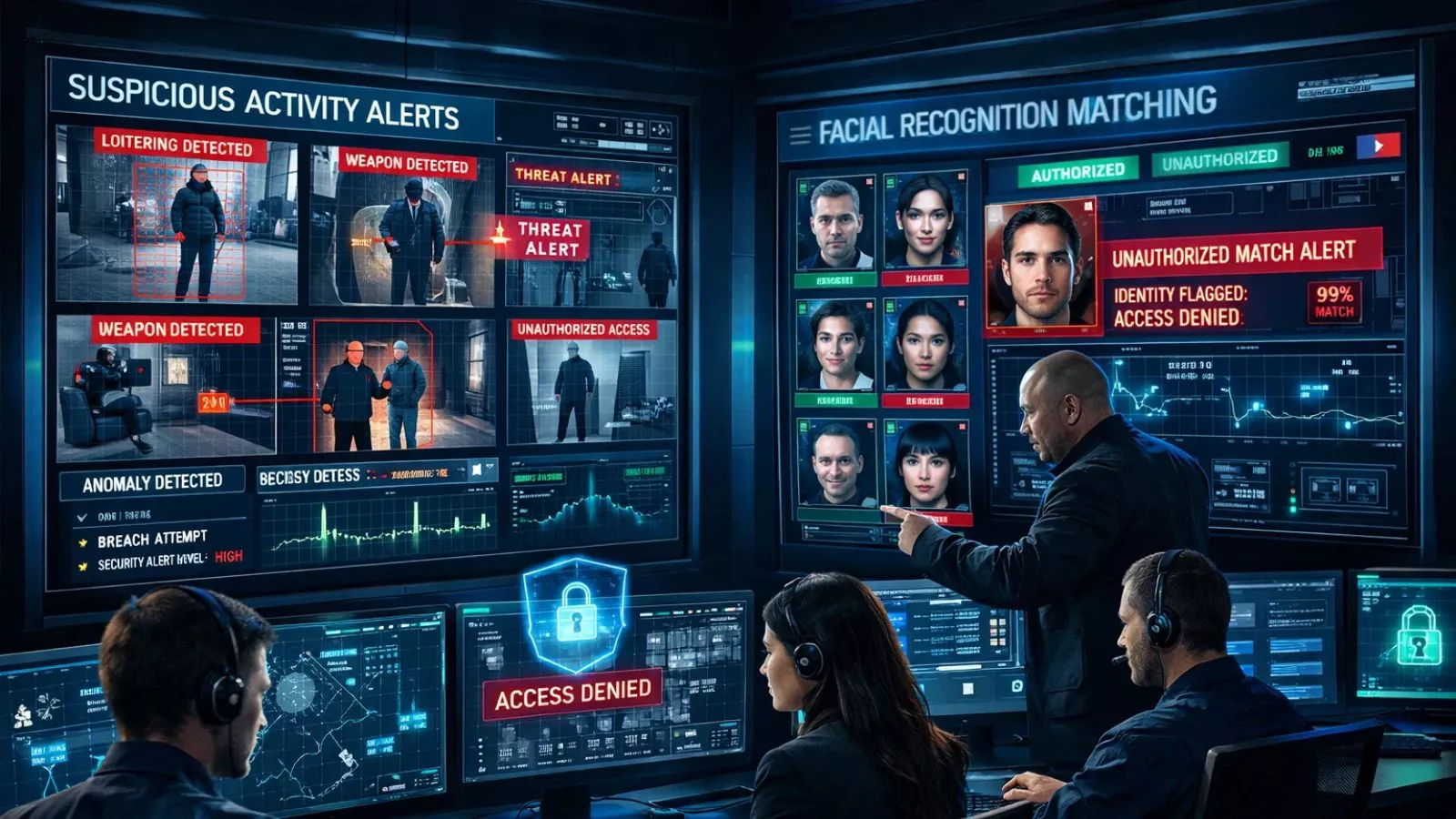 The adoption of video analytics and facial recognition has significantly improved how organizations approach security. These technologies not only enhance monitoring but also bring efficiency, accuracy, and proactive threat management.
One of the biggest benefits is faster response time. With real-time video monitoring, security teams receive instant alerts when suspicious activity is detected. This allows them to act immediately instead of reviewing footage after an incident has already occurred.
Accuracy is another major advantage. Unlike manual monitoring, video analytics surveillance reduces human error by continuously analyzing footage with AI. It can detect patterns and anomalies that might be missed by human operators, making security more reliable.
Cost efficiency also plays a key role. Businesses can reduce the need for large security teams since the system automates monitoring and reporting. Over time, this leads to significant savings while maintaining high levels of security.
Additionally, these systems improve access control. Facial recognition ensures that only authorized individuals can enter restricted areas, adding an extra layer of protection to existing security surveillance solutions.
Overall, video analytics and facial recognition help organizations shift from reactive to proactive security, preventing issues before they escalate.
Use Cases Across Different Industries
The versatility of video analytics and facial recognition makes it valuable across a wide range of industries. Each sector benefits from enhanced visibility, improved safety, and smarter operations.
In retail, businesses use real-time video monitoring to track customer behavior, prevent theft, and optimize store layouts. It helps identify suspicious activities while also providing insights into customer movement and preferences.
In corporate offices, these systems strengthen access control and employee monitoring. Video analytics surveillance can track entry and exit points, ensuring only authorized personnel access sensitive areas.
Airports and transportation hubs rely heavily on facial recognition for identity verification and crowd management. It speeds up processes while maintaining strict security standards.
Healthcare facilities also benefit by monitoring restricted zones, ensuring patient safety, and managing staff movement efficiently. This improves both security and operational workflow.
Even in public spaces like malls or smart cities, video analytics and facial recognition are used to monitor large crowds, detect unusual behavior, and maintain overall safety.
These diverse applications highlight how essential these technologies have become in modern security surveillance solutions.
Enhancing Security with VideoraIQ
 Modern businesses need more than just surveillance—they need intelligent systems that can analyze, detect, and respond in real time. VideoraIQ is designed to deliver exactly that, combining advanced video analytics and facial recognition with smart automation to improve security outcomes. It simplifies monitoring while providing deep insights that help organizations stay one step ahead of potential threats.
With its focus on real-time video monitoring, VideoraIQ enables teams to move from reactive security to proactive protection. Whether it’s identifying unauthorized access or tracking suspicious behavior, the platform ensures faster and more accurate responses.
Key Features of VideoraIQ:
- Real-Time Monitoring: Continuously analyzes live video feeds to detect unusual activity instantly.
- Facial Recognition Technology: Identifies and verifies individuals for better access control and tracking.
- Smart Alerts and Notifications: Sends instant alerts when potential risks or anomalies are detected.
- Behavior Analysis: Uses video analytics surveillance to recognize patterns like loitering or crowd buildup.
- Centralized Dashboard: Provides a clear overview of all activities, making monitoring simple and efficient.
Benefits of Using VideoraIQ:
- Improved Security Efficiency: Automates monitoring and reduces reliance on manual observation.
- Faster Decision-Making: Real-time insights help teams act quickly in critical situations.
- Scalable Solution: Suitable for small businesses as well as large enterprises.
- Enhanced Accuracy: AI-driven analysis minimizes errors and improves detection rates.
With tools like VideoraIQ, businesses can fully leverage video analytics and facial recognition to create smarter and more reliable security surveillance solutions.
Best Practices for Implementing Video Analytics and Facial Recognition
To get the most out of video analytics and facial recognition, businesses should follow a few best practices that ensure effective and responsible use.
First, it’s important to define clear objectives. Whether the goal is improving security, managing access, or monitoring operations, having a clear purpose helps in choosing the right setup and features.
Second, ensure proper camera placement. Even the most advanced real-time video monitoring system depends on high-quality input. Cameras should cover key areas such as entry points, restricted zones, and high-traffic locations.
Data privacy and compliance should also be a priority. Organizations must inform employees and visitors about surveillance and ensure that collected data is stored and used responsibly. This builds trust and avoids legal complications.
Regular system updates and maintenance are equally important. Keeping video analytics surveillance systems updated ensures better accuracy and performance as AI models continue to improve.
Finally, train your team to use the system effectively. Even though automation reduces manual effort, understanding how to interpret alerts and reports ensures better decision-making.
By following these practices, businesses can maximize the benefits of video analytics and facial recognition while maintaining efficiency and compliance.
Smarter Security with Intelligent Surveillance
As security challenges continue to evolve, relying on traditional surveillance methods is no longer enough. Video analytics and facial recognition have transformed how organizations monitor, analyze, and respond to potential threats. By combining AI-driven insights with real-time video monitoring, businesses can move from passive observation to proactive security management.
These systems not only improve accuracy and response time but also reduce manual effort and operational costs. From identifying individuals to detecting unusual behavior, video analytics surveillance provides a smarter and more efficient way to protect assets, people, and operations.
Solutions like VideoraIQ further enhance these capabilities by offering intelligent automation, real-time alerts, and advanced analytics in one platform. As more organizations adopt these technologies, they are becoming a core part of modern security surveillance solutions.
In the end, understanding how video analytics and facial recognition work is key to unlocking their full potential. Businesses that embrace these innovations will be better equipped to ensure safety, improve efficiency, and stay ahead in an increasingly security-conscious world.
FAQs
- What is video analytics and facial recognition?
Video analytics and facial recognition refer to AI-driven technologies that analyze video footage and identify individuals based on facial features. They help automate surveillance and provide real-time insights for better security management. - How does real-time video monitoring work?
If you’re wondering how does real-time video monitoring work?, it involves continuously capturing video through cameras and analyzing it instantly using AI algorithms. The system detects movements, behaviors, and faces, then sends alerts if any unusual activity is found. - Where are video analytics and facial recognition used?
These technologies are widely used in retail stores, corporate offices, airports, healthcare facilities, and public spaces. They play a key role in improving modern security surveillance solutions. - Is video analytics surveillance better than traditional CCTV?
Yes. Unlike traditional CCTV systems that only record footage, video analytics surveillance actively analyzes data in real time, detects threats, and provides actionable insights, making it far more effective.