

**Schedule a Free Security Assessment →
Eighty-five percent of CCTV footage is never reviewed. That single number explains why theft, trespass, and safety events still slip through large facilities. The fastest path to real risk reduction in 2026 is AI that works on your existing IP cameras, sends evidence-backed alerts in seconds, and helps you act before a loss occurs. This article explains how to evaluate intrusion and perimeter breach detection for plants and warehouses, what results to expect, and how to deploy without disrupting production.
In the first two sentences you’ll find the term you care about: intrusion and perimeter breach detection. You’ll also find a blunt answer: the “best camera” isn’t a new camera at all for most brownfield sites, it’s an AI layer that overlays onto the cameras you already own, filters noise, and notifies the right people in under five seconds.
Why Manufacturing Plants and Warehouses Are Uniquely Vulnerable to Intrusion
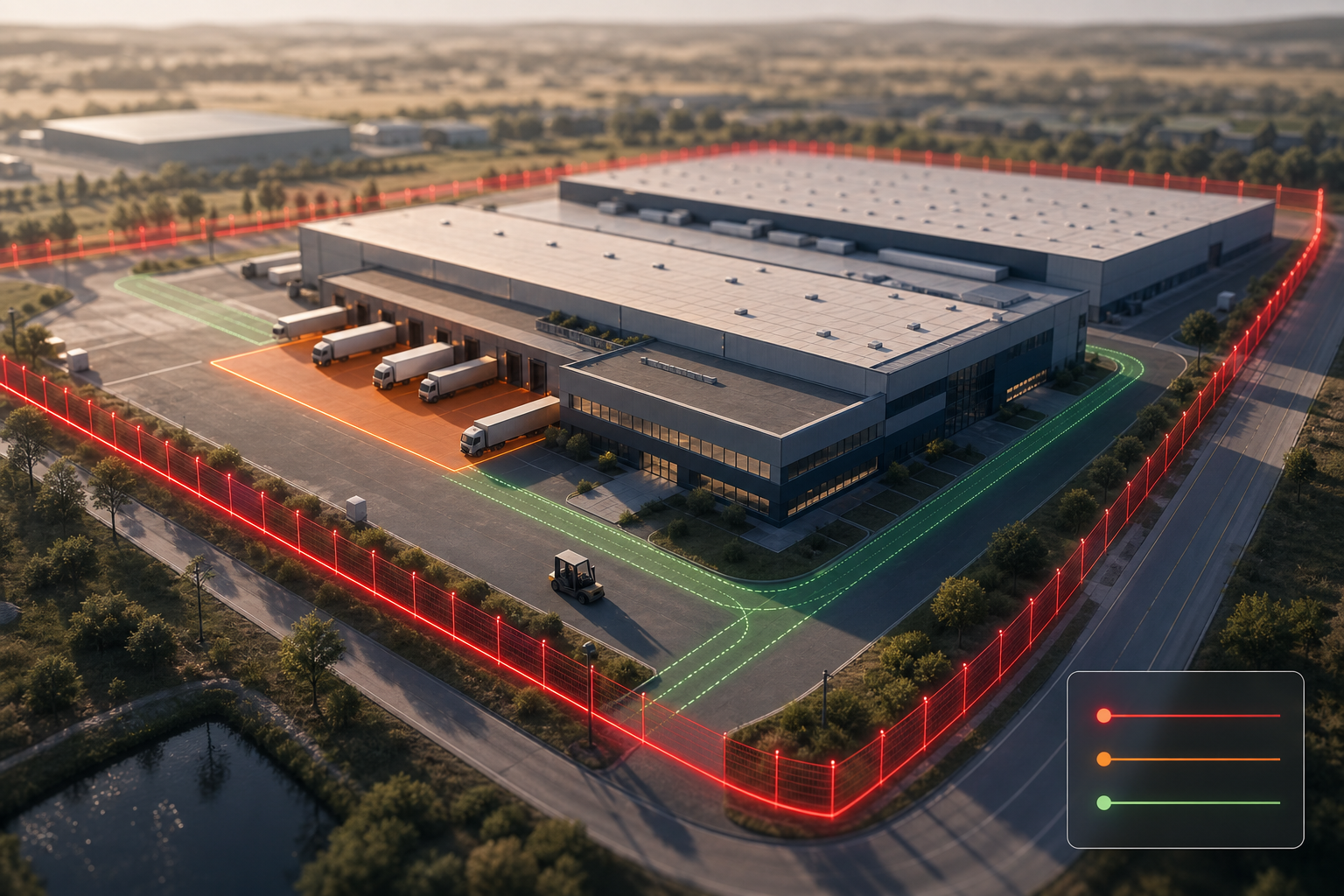
Large industrial sites face a different threat model than office floors. You manage long fence lines with multiple gates, outdoor yards with patchy lighting, and loading docks that must stay partly open for throughput. Shift changes, contractor access, and vehicle flow add churn that looks like “motion” all day and night. In this context, intrusion and perimeter breach detection must separate real threats from routine operations.
However, passive CCTV cannot do that. Recorders write to disks, and teams view clips after an incident. Industry analyses show 85% of CCTV footage is never reviewed, which means the system helps only after the loss. Guards try to fill the gap, but a two-person patrol cannot cover 50,000+ square feet, multiple buildings, and a yard at 2 AM. They also get pulled into escort or incident paperwork, which leaves gaps.
Moreover, outdoor environments produce noise. Wind moves tarps. Rain halos IR.
Wildlife crosses fence lines. Simple motion detection floods operators with alerts, so teams mute them. As a result, a person can walk across a dock, try a side door, and leave with goods while the system “works as designed.
In addition, open docks and staging areas are high-value points. Pallets of copper, pharma ingredients, or finished electronics sit within reach of trucks and footpaths. You need alerts the moment a person crosses a defined boundary, not when someone clicks “search” in the morning.
Why guards and passive video miss live threats
- Patrol routes leave gaps across long perimeters and yards.
- Motion alerts desensitize staff with noise from weather and wildlife.
- Recorded video helps investigations, not live response.
What to Look for in an Intrusion Detection Camera System for Industrial Facilities
Selecting the right approach starts with clear criteria. Your goal is to detect events as they happen, prove what happened with video, and avoid a rip-and-replace. Use these seven checks to evaluate intrusion and perimeter breach detection across vendors.
1) AI-powered perimeter zone definition
Draw virtual tripwires and polygons that map to your fence, dock edges, pedestrian doors, and restricted racks. This is not basic motion detection. You need object-specific detection that tags people and vehicles, plus line-cross logic that triggers when a subject moves into or through a zone.
2) Alert latency under five seconds
Sub-5-second alerts are table stakes. Anything slower and an intruder is inside before you act. You want alert payloads that include a live camera link, the camera name or site tag, and a timestamp. That cuts dispatch time and reduces radio chatter.
3) Works with your existing IP cameras
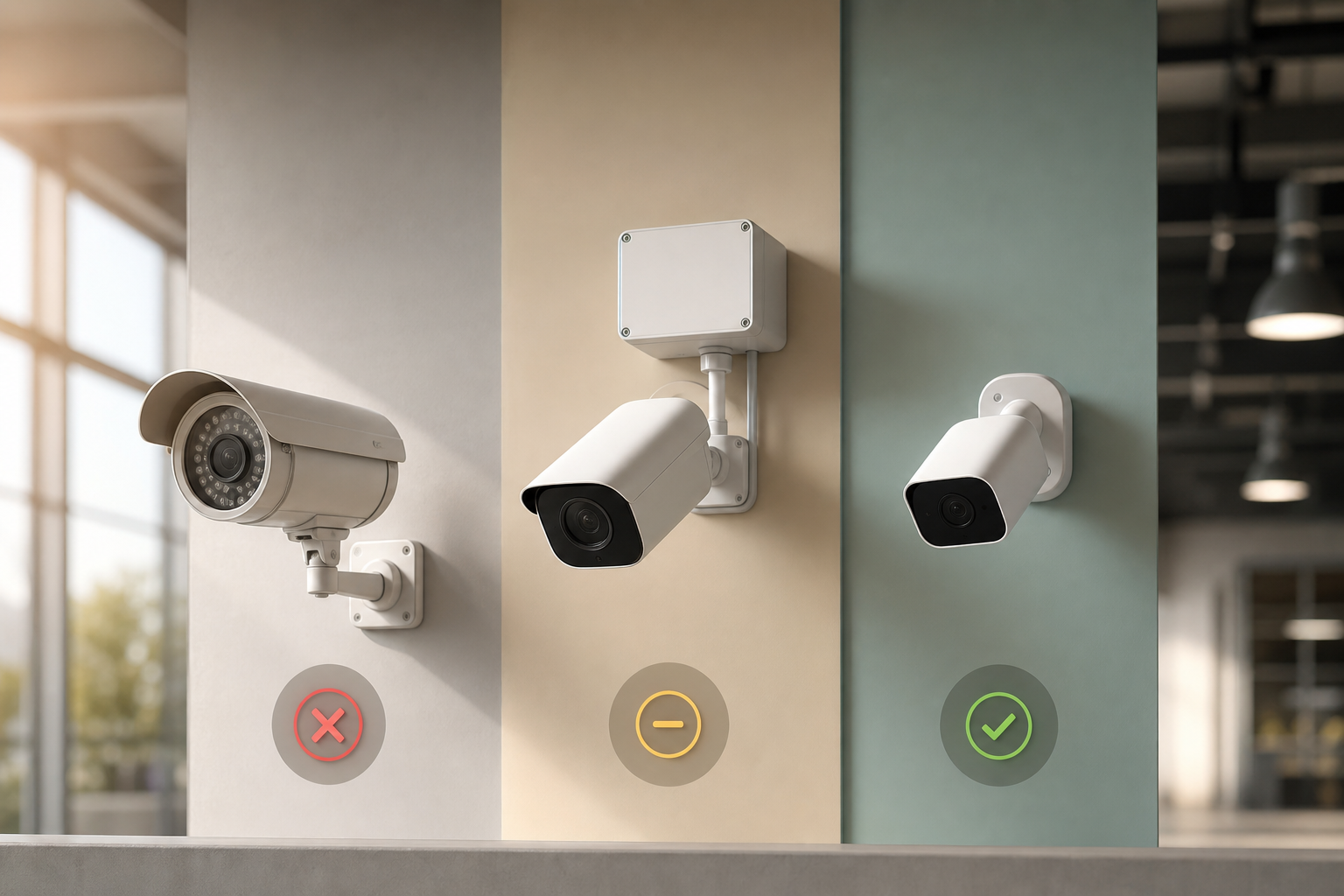
Most plants run 50–200+ IP cameras across multiple brands. Rewiring or swapping cameras means downtime and cost. Your shortlist should include systems that overlay AI on RTSP/ONVIF streams and support 200+ brands, so you keep your camera grid and avoid production risk.
4) False alarm filtering outdoors
Perimeters see vehicles, wildlife, fog, and rain. Pattern recognition must sort real intrusions from environment noise. Ask for accuracy measured in live outdoor deployments, not lab clips, and for examples from yards, docks, and unlit corners.
5) Cloud vs. on‑premise operations
Cloud analytics remove server maintenance from your lean IT team. With cloud, updates ship weekly, and you avoid patching GPU boxes. For highly regulated zones, confirm data handling, audit logs, and the option to control retention per camera.
6) Scalability across sites
As your portfolio grows, you need uniform policies across buildings or campuses. Centralized zone templates, site tags, and user roles help you roll out changes quickly. Cross-site dashboards let one small team monitor many yards.
7) Video evidence capture
Every alert should auto-attach a clip or snapshot with time and location. That makes incident reports easy and speeds insurance claims. It also supports safety reviews for near-misses at docks and gates.
- Quick vendor check: Can you draw custom zones, get alerts in under five seconds, and keep your existing IP cameras while cutting false alarms outdoors? If not, keep looking.
For more context on evaluation, see our plant-focused perspective alongside this airport and transit comparison, which breaks down AI vs. proprietary camera tradeoffs.
Also Read!
How to Choose an Intrusion Detection Security Camera System for Airports and Transit Stations
How VideoraIQ Solves Intrusion Detection for Manufacturing and Warehouse Facilities
VideoraIQ maps directly to the criteria above for plants and warehouses. First, you draw virtual fences, line-cross tripwires, and restricted polygons around real-world assets: fence lines, dock edges, chemical stores, tool cribs, and high-value staging. Zone-Based Monitoring lets you define safe forklift lanes while flagging after-hours door traffic. That pairing cuts noise during shifts and sharpens alarms overnight. This is the heart of effective intrusion and perimeter breach detection in production environments.
Second, alerts arrive in under three seconds. Each notification includes a live camera link, a location tag, and a timestamp, so your operator can verify and dispatch without hunting for feeds. In practice, that means a person who crosses a dock tripwire at 02:13:04 triggers an alert by 02:13:07, with video proof attached.
Third, VideoraIQ works with existing cameras across 200+ brands. Plants can overlay AI on 480 legacy cameras or a mixed grid of domes and bullets without hardware swaps. That preserves capex you already spent and avoids downtime during shift change or peak production. Today, 10,000+ cameras are monitored across deployments in 7+ countries.
Moreover, the platform’s nine AI engines go beyond line-cross. Intrusion detection, face recognition, number plate (ANPR), object detection, fire and smoke detection, unauthorized access, unattended baggage, cashier absence detection, and line-cross detection run in the same cloud stack. For entry points, face recognition helps separate known employees from unknown persons. At loading docks, ANPR ties plates to your allowlist and flags unregistered vehicles.
False alarms sink guard trust, so accuracy matters. VideoraIQ reports 99.4% detection accuracy. Pattern recognition is tuned for industrial noise: shifting pallets, moving machines, wind-blown tarps, fog, and rain. The result is actionable alerts, not a muted phone.
“Our fire was detected 52 seconds before our smoke alarm triggered. The VideoraIQ alert came with a live camera link — my team was already on their way before the alarm sounded. That system saved the building.” — Nilesh Kapoor, Plant Safety Supervisor, Manufacturing Facility (480 cameras)
“We went from finding out about incidents in the morning briefing to being notified in real time. VideoraIQ caught an intruder at 2AM that our overnight guard missed. That one event alone justified the entire platform cost.” — Ananya Mehta, Head of Facilities, 200-Camera Corporate Campus
Finally, the cloud-based design removes on‑prem servers from your to‑do list. Your security team gets updates without patch nights, and your IT team avoids GPU maintenance. Real-time alerts with video proof, location tags, and timestamps feed incident reports and compliance audits with less manual effort.
**Get Instant AI Alerts On Your Existing Cameras →
VideoraIQ vs. Traditional CCTV and Competing AI Surveillance Platforms
Traditional NVR/DVR stacks from standalone setups record well but do not detect live threats. You get video after an incident, which is why 85% of footage goes unwatched. Other AI platforms like bundled camera systems can work, but they often require proprietary cameras and a forklift upgrade. VideoraIQ’s value for brownfield plants is different: it layers detection onto the cameras you already run.
| Dimension | Traditional NVR/DVR (e.g., standalone recorders) | Other AI Platforms With Proprietary Cameras | VideoraIQ (Cloud AI Overlay) |
|---|---|---|---|
| Alert latency | None (post-incident review) | Varies; not always sub-5s | <3 seconds alert latency |
| Camera brand support | Works with own/limited brands | Requires their cameras | Works with existing cameras across 200+ brands |
| Deployment model | On-prem hardware | New proprietary hardware + cloud | Cloud-based with no need for on-premise servers |
| AI engines | Basic motion at best | Limited to bundle | 9 AI detection engines |
| False alarms outdoors | High (motion-based) | Mixed; depends on hardware | Low via pattern recognition; 99.4% detection accuracy |
| Scalability | Rack/bandwidth-limited | Scales with new hardware buys | Scales across sites; 10,000+ cameras monitored |
| Cost of change | Low for status quo, high for upgrades | High (rip-and-replace) | Low (integrates with existing IP-based CCTV systems without additional hardware) |
Unlike traditional recorders, VideoraIQ sends real-time alerts with video proof. Unlike proprietary bundles, it avoids capex shock and production downtime. Compared to alternatives that lock you into their cameras, it overlays AI on your current grid, which is the practical path for a 50,000–500,000 sq ft plant.
“Installation was quick, and it worked with our current CCTV—no downtime, no extra investment.” — Sana Ibrahim, Hotel Security Lead
“The system handles surveillance 24/7. No more missed alerts or relying solely on camera operators.” — Jason Rodriguez, Security Manager
For a sector view outside manufacturing, our retail perimeter breach playbook highlights similar noise-filtering gains in high-traffic yards and docks.
Compliance, Credentials, and Proven Scale in Industrial Environments
Compliance and data handling matter in pharma, food production, and defense subcontracting. VideoraIQ is GDPR compliant and HIPAA compliant. If you need to review the regulation framework, see the General Data Protection Regulation overview from europa.eu. Cloud policy controls include camera-level retention, audit logs, and role-based access, which support internal audits and customer reviews.
Scale and reliability are proven in production. VideoraIQ monitors 10,000+ cameras deployed in 7+ countries. That breadth across climates and yard conditions informs the platform’s false alarm filtering and sub-three-second alerting, which you can measure in your own pilot.
Pricing aligns to plant size. The Professional tier supports up to 200 cameras, includes all nine AI engines, and offers 30-day cloud retention. The Enterprise tier supports unlimited cameras, custom AI models, and 90-day retention for multi-facility operations. Those options fit 2026 budgets that favor opex and re-use of installed cameras.
Heatmaps & Analytics round out the operational value. You can spot hotspots for unauthorized access attempts, near-misses at docks, and routes where patrols add the most value. That data helps you adjust shift coverage and gate controls with confidence.
“Within 3 weeks VideoraIQ identified a recurring pattern of after-hours cashier zone access. We discovered internal theft we had no idea was happening. It paid for 6 months of subscription in the first incident.” — Sujata Rao, Regional Operations Manager, 14-Location Retail Chain
Also Read!
How to Choose Fire and Smoke Detection Security Cameras for Retail Stores and Chains
VideoraIQ vs Verkada for Retail Chains: Which Is Better for Fire and Smoke Detection via CCTV?
Getting Started: Deploying Intrusion Detection Across Your Facility
A clean rollout follows five steps. Because the platform is cloud-based with no need for on-premise servers, you avoid staging racks or GPU appliances. And because it works with existing cameras across 200+ brands, production downtime is not part of the plan. This approach keeps attention where you want it: zones, alerts, and response.
Step 1: Audit existing camera infrastructure
Catalog every IP camera, stream type, and location. Mark perimeter fence lines, pedestrian doors, dock edges, staging racks, yard gates, and roof access. Note gaps at corners and long fence runs.
Step 2: Define virtual zones
Use Zone-Based Monitoring to draw polygons and line-cross boundaries. Create authorized forklift lanes in green, employee-only doors in amber, and no-go areas in red. Keep zones tight to reduce noise.
Step 3: Set alert thresholds
Use Customizable Time Thresholds to tailor sensitivity. For exterior perimeters, trigger on instant line-cross. For staging areas, send a timed alert for an unattended object or a person loitering past a set duration.
Step 4: Configure notification routing
Route Real-Time Alerts & Notifications to on-site security, the facility manager, and remote teams via dashboard and email. Include camera tags that match your site map to shorten response time.
Step 5: Run a 2‑week pilot
Pick one high-risk zone, such as a back gate or a dock used overnight. Measure alert latency, false positives, and response actions. Then roll out site-wide with zone templates.
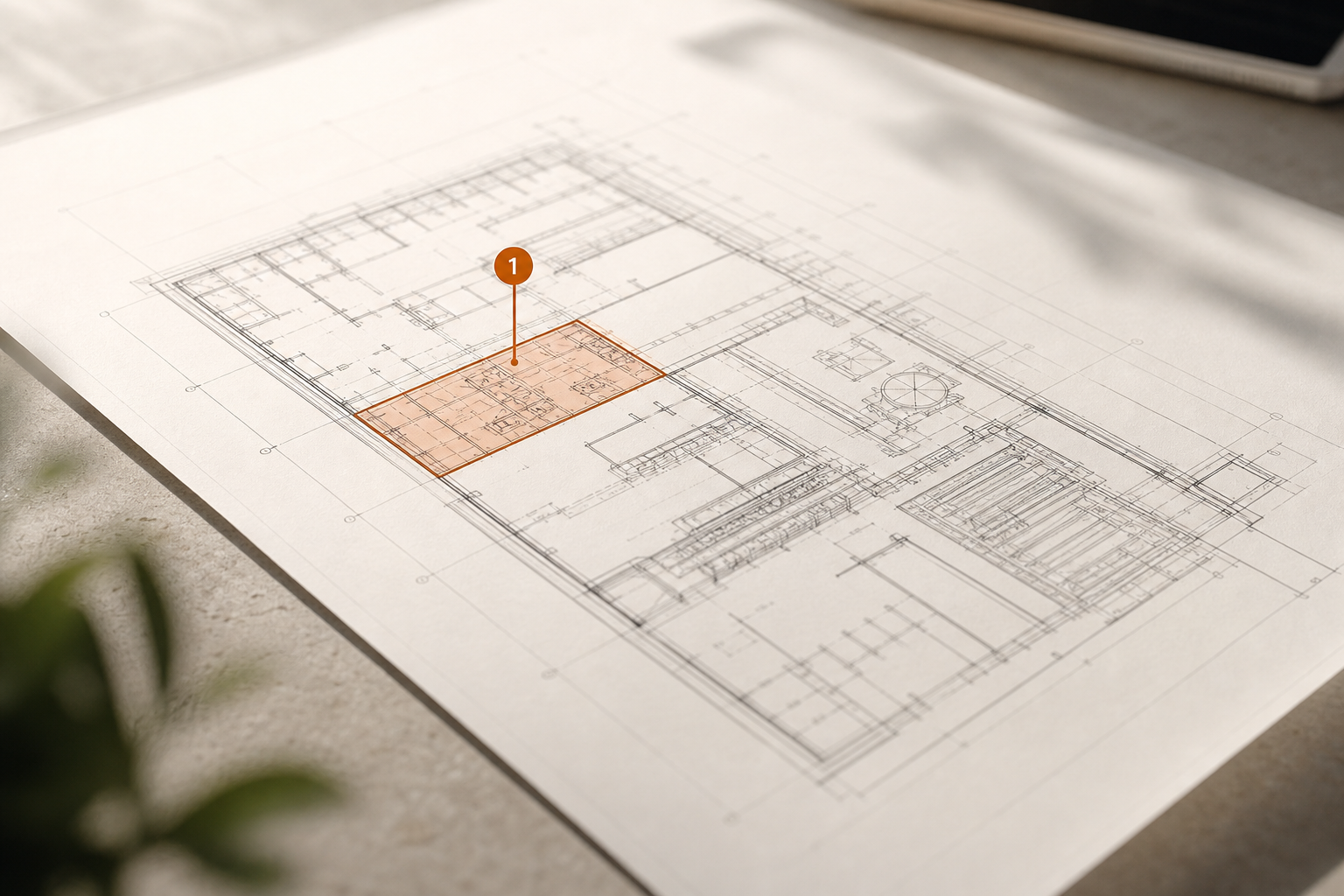 camera audit pins, 2) drawing virtual zones, 3) setting time thresholds, 4) alert routing flow, 5) pilot heatmap results)
Before you expand, document the results in your incident log. That proof helps secure budget and shows clear reduction in losses and overtime guard costs.
**Book a Free 2‑Week Pilot Plan →

Frequently Asked Questions
How much does an AI intrusion detection camera system cost for a manufacturing plant?
VideoraIQ uses tiered pricing. The Starter tier supports up to 20 cameras with real-time alerts and 7-day cloud retention, which fits a single warehouse. The Professional tier covers up to 200 cameras with all 9 AI engines and 30-day retention. The Enterprise tier supports unlimited cameras with custom AI models and 90-day retention for multi-facility operations. Because it works with existing IP cameras, you avoid the cost of new hardware and downtime tied to rip-and-replace projects.
Can intrusion detection cameras work with our existing CCTV system?
Yes. VideoraIQ integrates with existing IP-based CCTV systems across 200+ camera brands without additional hardware. That is critical for plants that cannot pause production to swap cameras. You keep your current views, cables, and mounts, and add AI from the cloud. The result is faster security gains with less risk.
How accurate is AI intrusion detection in outdoor industrial environments?
VideoraIQ reports 99.4% detection accuracy. Pattern recognition filters noise caused by moving machinery, vehicles, wildlife, and weather, the exact triggers that swamp basic motion systems. That means fewer false alarms on windy nights and more trust in each alert. You can validate results during a 2-week pilot on your highest-risk fence line.
How fast do intrusion alerts arrive?
VideoraIQ delivers alerts in under 3 seconds with video proof, a location tag, and a timestamp. For context, a person walking at normal speed moves about 4–5 feet per second, so sub‑3‑second alerts reach you before they travel 15 feet past a boundary. That time margin is the difference between a deterred attempt and a recorded loss. You can test latency on your own yard gate during a pilot.
Is AI video surveillance GDPR and HIPAA compliant for manufacturing facilities?
Yes. VideoraIQ is both GDPR compliant and HIPAA compliant. That matters for regulated plants, including pharmaceuticals, food production, and defense subcontractors. The platform also supports role-based access and retention controls by camera, which helps during audits. Your privacy team can review logs and data flows during onboarding.
What’s the difference between AI intrusion detection and standard motion detection?
Standard motion detection triggers on any movement, flags, shadows, or rain, which floods teams with noise. AI intrusion detection identifies people and vehicles, and it understands direction of travel and line-cross events. VideoraIQ’s zone-based monitoring lets you define where alerts fire and where traffic is allowed. The result is fewer false alarms and faster, focused action.
Can the system detect intrusions at night or in low-light warehouse conditions?
AI runs on what the camera sees. If your existing cameras have IR or low-light sensors, the system analyzes those images in the same way. VideoraIQ works with 200+ camera brands, including units built for dark yards and indoor aisles. In production deployments, the 99.4% accuracy holds across varied lighting, which you can verify during a pilot.
How does VideoraIQ compare to Verkada or Rhombus for warehouse security?
Those vendors offer strong bundles, but they usually require buying their cameras. That can be fine for new builds. VideoraIQ’s edge for existing plants is different: it overlays AI on the cameras you already own, across 200+ brands, with no hardware swaps, no production downtime, and a cloud model that avoids on-prem servers. For most brownfield sites in 2026, that path is faster and cheaper to adopt.
Final Takeaways
- Re-using cameras matters. Cloud AI that works with your existing IP grid, sends sub‑3‑second alerts, and filters outdoor noise is the fastest way to cut losses in 2026.
- Accuracy and evidence win trust. 99.4% detection accuracy with auto-captured clips, timestamps, and location tags speeds response and strengthens incident reports.
- Deployment should be simple. Cloud-based rollout, zone templates, and a 2‑week pilot give you measurable results without downtime or server work.
**Talk To An Engineer About Your Site →
For background on ANPR principles used at docks, see the Automatic number-plate recognition overview.