

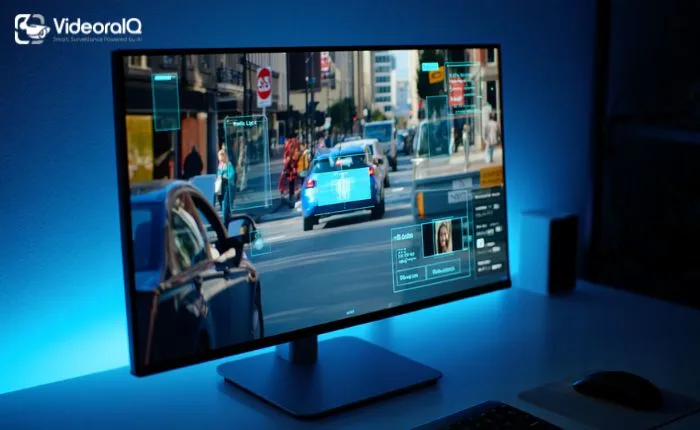
AI Vision is rapidly transforming the way we perceive and interact with technology. By enabling machines to “see” and interpret the world, AI Vision opens doors to applications that were once the realm of science fiction. From identifying objects in images to detecting hazards in real time, this technology is shaping industries like security, healthcare, and transportation.
The ability of machines to process visual data efficiently has far-reaching implications. Businesses can monitor operations with greater accuracy, safety systems can respond instantly, and innovations in everyday life are becoming smarter and more intuitive. As we explore AI Vision, it’s clear that its impact extends beyond simple image recognition—touching areas like AI fire detection and advanced safety solutions, ensuring both efficiency and protection in modern environments.
You can Listen to this blog here.
What Is AI Vision?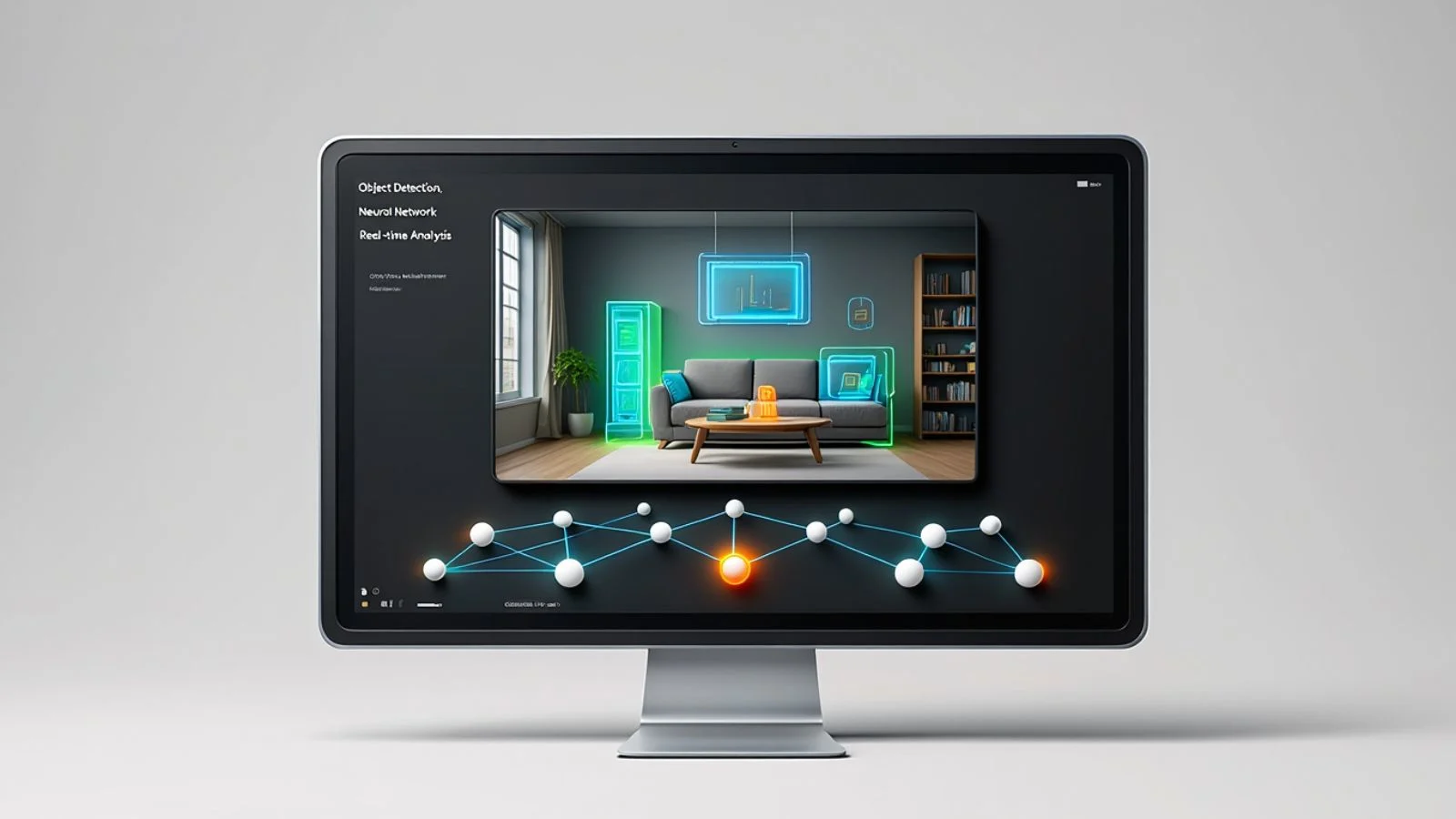
AI Vision is a branch of artificial intelligence that enables machines to process, interpret, and understand visual information from the world, much like the human eye does. Instead of merely capturing images or videos, AI Vision uses advanced algorithms to analyze patterns, recognize objects, and even predict actions based on visual input. This capability makes it an essential tool in today’s technology-driven world.
At its core, AI Vision relies on vision recognition, a process where systems are trained to identify specific objects, faces, or movements within visual data. Through machine learning and deep learning techniques, these systems improve over time, learning from new inputs to provide increasingly accurate results. From detecting anomalies in industrial equipment to recognizing everyday objects in consumer apps, AI Vision has become a cornerstone of modern automation and safety solutions.
The technology is versatile, extending from simple image classification to complex real-time analysis. Its applications are not limited to recognizing images; AI Vision also powers predictive analytics, enhanced security, and innovative solutions that enhance decision-making across various sectors.
How AI Picture Recognition Works?
AI picture recognition is a process that allows machines to identify, classify, and analyze images automatically. At the heart of this technology are neural networks, which mimic the human brain’s ability to recognize patterns. These networks are trained on large datasets of images, learning to detect shapes, colors, textures, and even subtle differences that may not be obvious to the human eye.
The process begins with image preprocessing, where the system cleans and standardizes the data for better analysis. Next, features such as edges, shapes, and patterns are extracted and fed into deep learning models. These models compare the features against trained datasets to identify objects, faces, or specific scenarios. Over time, as the system encounters more data, it continuously improves its accuracy and speed.
AI picture recognition has a wide range of applications. From smartphones that recognize faces for unlocking to e-commerce platforms identifying products automatically, the technology is everywhere. Security systems use it to detect intrusions or unusual activities, while industries rely on it for quality control and operational efficiency. The ability to process visual information quickly and accurately makes AI picture recognition a vital component of modern AI Vision systems.
Applications of AI Vision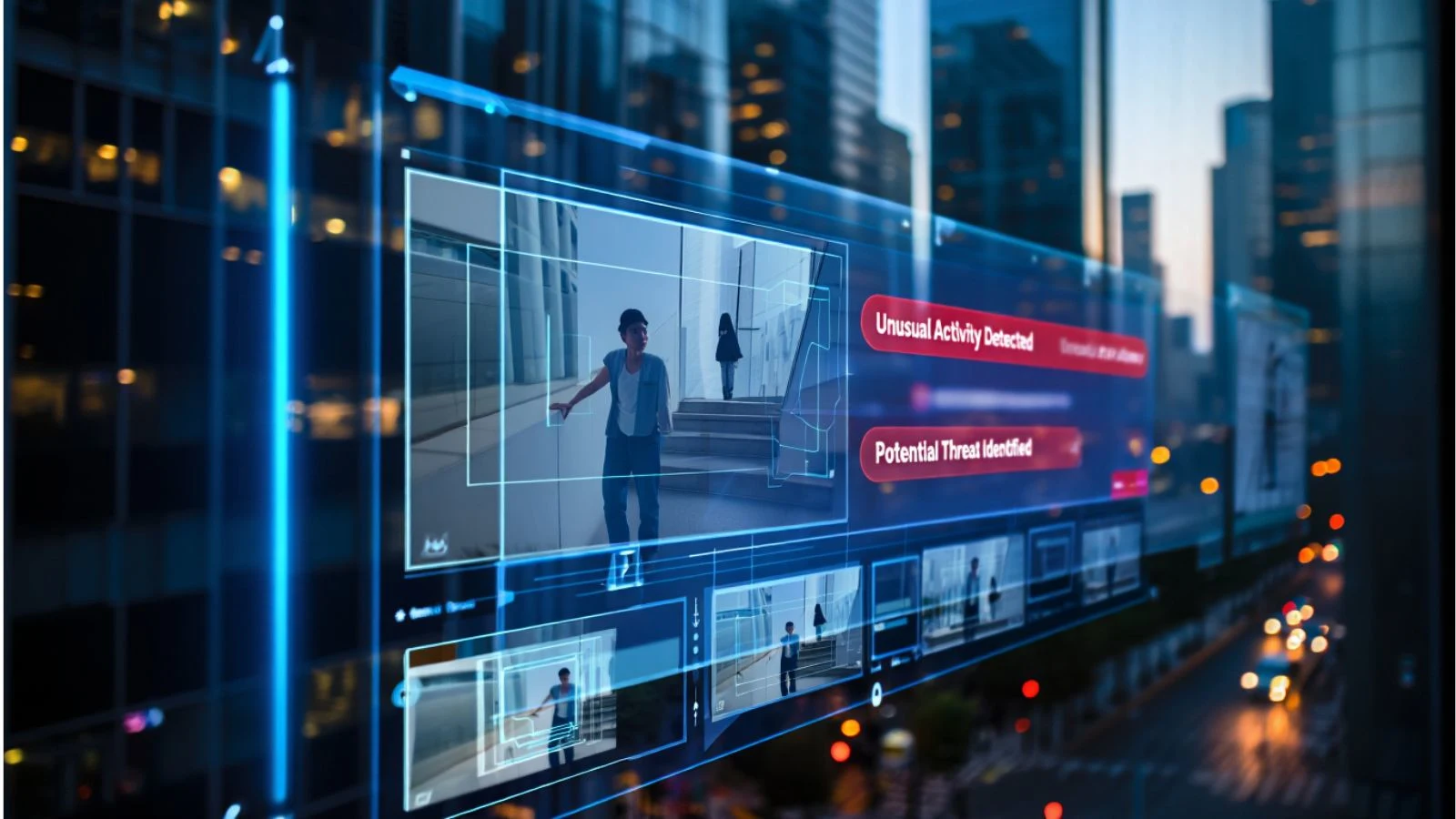
AI Vision is not just a technical concept—it is a practical tool transforming multiple industries by providing precise insights and automating visual tasks. One of the most common applications is in security and surveillance. AI-powered cameras can detect unusual activities, track movements, and even alert authorities in real time, reducing response times and enhancing safety.
In retail and inventory management, AI Vision helps businesses identify products, monitor stock levels, and analyze customer behavior. Automated checkout systems and smart shelves are powered by this technology, improving efficiency and customer experience. Similarly, autonomous vehicles rely on AI Vision for object detection, lane recognition, and obstacle avoidance, ensuring safe navigation in complex environments.
The healthcare sector also benefits significantly. AI Vision systems can analyze medical images such as X-rays, CT scans, and MRIs to detect anomalies faster and more accurately than manual observation. Early detection of diseases and improved diagnostic accuracy are among the key advantages.
Across these applications, AI Vision enables machines to process and understand visual information in ways that were previously impossible. By combining speed, accuracy, and real-time analysis, this technology continues to redefine how businesses operate and how safety, productivity, and convenience are maintained.
Also Read,
AI Fire Detection and Safety Applications
One of the most impactful applications of AI Vision is AI fire detection, which significantly improves safety in homes, industries, and forests. Traditional fire detection systems often rely on smoke or heat sensors, which may delay alerts. AI fire detection, on the other hand, uses cameras and machine learning algorithms to analyze visual cues, such as flames, smoke patterns, and unusual light behavior, enabling real-time alerts.
Industries, warehouses, and factories benefit greatly from this technology. AI fire detection systems can monitor large areas continuously, identify hazards early, and even predict potential fire outbreaks based on visual data trends. In addition, forest management authorities use AI Vision to detect fires in remote areas, helping prevent large-scale damage and loss of life.
The accuracy and speed of AI fire detection reduce human error, ensuring faster response times. By integrating AI Vision with automated alert systems, businesses and municipalities can act immediately, minimizing risks and potential damage. This combination of real-time monitoring and predictive analysis makes AI fire detection a critical tool in modern safety and disaster management strategies.
Challenges and Limitations of AI Vision
Despite its transformative potential, AI Vision comes with certain challenges and limitations. One of the main hurdles is data quality and availability. AI systems rely heavily on large, diverse datasets to learn and recognize patterns accurately. Poor-quality images or insufficient data can lead to misidentification, reducing the system’s reliability.
Privacy and ethical concerns are another major consideration. Since AI Vision often involves continuous surveillance and image analysis, there is a risk of misuse or unauthorized access to sensitive visual information. Organizations must ensure strict data protection measures and compliance with privacy regulations to maintain trust.
Environmental factors can also affect AI Vision accuracy. Lighting conditions, weather variations, and camera angles can influence the system’s ability to detect objects or hazards effectively. For instance, fog or smoke may obscure detection in critical scenarios, requiring robust algorithms to compensate.
Lastly, the cost of implementation can be a barrier, particularly for small businesses. High-end cameras, computing infrastructure, and AI software require investment. Additionally, maintaining and updating AI Vision systems necessitates technical expertise. Despite these limitations, ongoing advancements in machine learning and hardware continue to improve the accessibility, reliability, and performance of AI Vision technologies.
AI Vision Tools and Platforms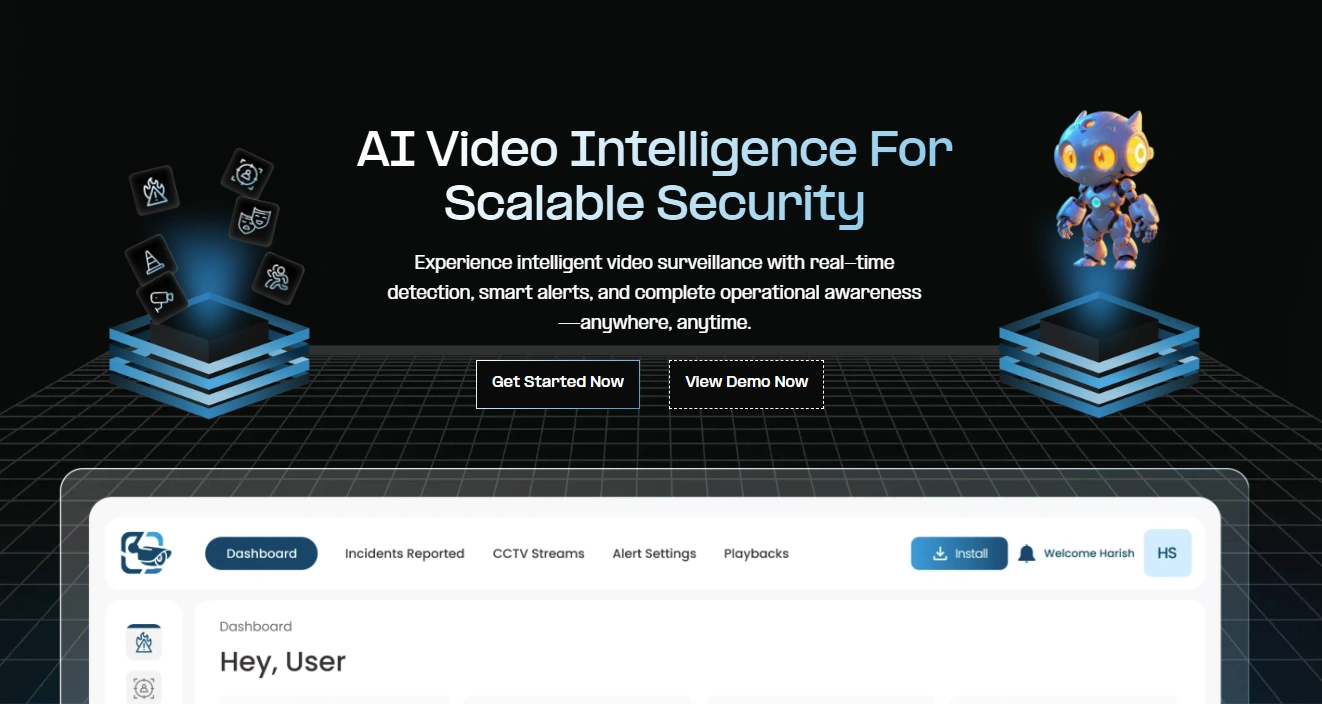
To fully leverage AI Vision, businesses need reliable tools that combine intelligence with practicality. VideoraIQ.com is a leading platform that transforms ordinary cameras into smart AI-powered detectors, enabling real-time video and image analysis for security, safety, and operational efficiency.
VideoraIQ offers a wide range of features:
- Face Recognition: Identify and track individuals for access control and audits.
- Intrusion Detection: Detect unauthorized movements or breaches in restricted areas with instant alerts.
- Object Detection: Automatically spot suspicious or unattended objects in live footage.
- Unauthorized Access Alerts: Receive real-time notifications whenever restricted zones are accessed.
- Line-Cross Detection: Monitor virtual boundaries and get alerts when someone crosses them.
- Fire and Smoke Detection: Detect flames or smoke instantly to prevent potential hazards.
With these capabilities, VideoraIQ simplifies vision recognition and AI picture recognition, allowing teams to manage large areas or datasets efficiently. Its intuitive interface ensures businesses can implement AI surveillance without deep technical expertise. From enhancing safety in industrial environments to monitoring public spaces, VideoraIQ provides scalable, accurate, and proactive AI Vision solutions for a smarter, safer world.
Future of AI Vision
The future of AI Vision is poised for remarkable growth and innovation. As machine learning algorithms become more sophisticated, AI systems will achieve higher accuracy in AI face recognition and vision recognition, even in complex or challenging environments. Real-time monitoring will become faster, enabling industries to respond instantly to critical situations, from security breaches to fire hazards.
Emerging trends include the integration of AI Vision with the Internet of Things (IoT), allowing smart cities and industrial facilities to implement predictive monitoring systems. AI-driven cameras will not only detect anomalies but also anticipate potential risks, enhancing safety and operational efficiency. Applications in autonomous vehicles, healthcare diagnostics, and environmental monitoring are expected to expand, transforming everyday life and business operations.
Moreover, AI Vision will continue to advance in accessibility and affordability, with platforms like VideoraIQ.com enabling smaller organizations to implement cutting-edge technology. Continuous improvements in computing power, data analytics, and algorithm training will drive the adoption of AI Vision across multiple sectors. The combination of innovation, scalability, and real-world application ensures that AI Vision will play an increasingly pivotal role in safety, efficiency, and intelligent decision-making in the years to come.
Conclusion
AI Vision is revolutionizing the way machines interpret the world, transforming industries through advanced image and video analysis. From AI picture recognition to AI fire detection, this technology enhances safety, efficiency, and decision-making across multiple sectors. Businesses can monitor operations in real time, reduce human error, and gain valuable insights that were previously impossible.
Despite challenges such as data quality, privacy concerns, and implementation costs, AI Vision continues to evolve rapidly. Tools like VideoraIQ.com make the technology more accessible, allowing organizations to harness its full potential with ease. As AI Vision advances, its applications will only expand, creating smarter systems, safer environments, and more efficient processes. By adopting AI Vision technologies today, industries and individuals can prepare for a future where machines not only see but also understand and respond intelligently.
FAQ’s
1. Can AI Vision systems work in low-light or nighttime conditions?
Yes, many AI Vision systems, including VideoraIQ, use infrared and low-light imaging to maintain accuracy even in dark environments.
2. How does AI Vision handle multiple objects at the same time?
Advanced AI Vision platforms can track and analyze multiple objects simultaneously, distinguishing each one and providing real-time alerts or analytics.
3. Is AI Vision suitable for small businesses or only large enterprises?
AI Vision is scalable. Platforms like VideoraIQ are designed to support both small businesses and large enterprises, making advanced monitoring accessible to all.