

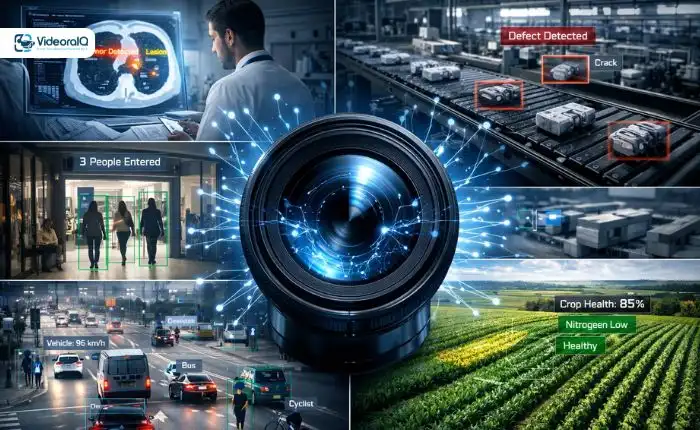
Vision AI is changing how we use cameras in ways most people never imagined a few years ago. Instead of just recording footage, cameras can now actually understand what they’re seeing. They can spot problems, count people, detect defects, and even help doctors diagnose diseases.
This isn’t science fiction anymore; it’s happening right now in hospitals, stores, factories, and farms around the world. Think about it. We’ve had cameras everywhere for decades, but they were pretty dumb devices.
Someone had to watch the footage or review it later. Now, with AI Vision, cameras have become intelligent observers that never get tired, never miss details, and can process information faster than any human could.
Listen To The Podcast Now!
1. Healthcare and Medical Diagnosis:
Doctors are using vision AI to catch diseases earlier and more accurately than ever before. When a patient gets an X-ray or MRI, the images go through AI systems that have been trained on millions of similar scans.
These systems can spot tiny abnormalities that might be early signs of cancer, heart disease, or other serious conditions. Here’s what makes this powerful: radiologists are incredibly skilled, but they’re human. They get tired after reviewing hundreds of scans.
Vision AI doesn’t have these limitations. It examines every pixel with the same attention, whether it’s the first scan of the day or the thousandth. Hospitals are also using this technology to monitor patients in intensive care.
Cameras watch for subtle changes in a patient’s condition, changes that might indicate they’re getting worse before traditional monitors would catch it. The result is faster diagnoses, earlier treatments, and better outcomes for patients.
2. Smarter Retail Experiences:
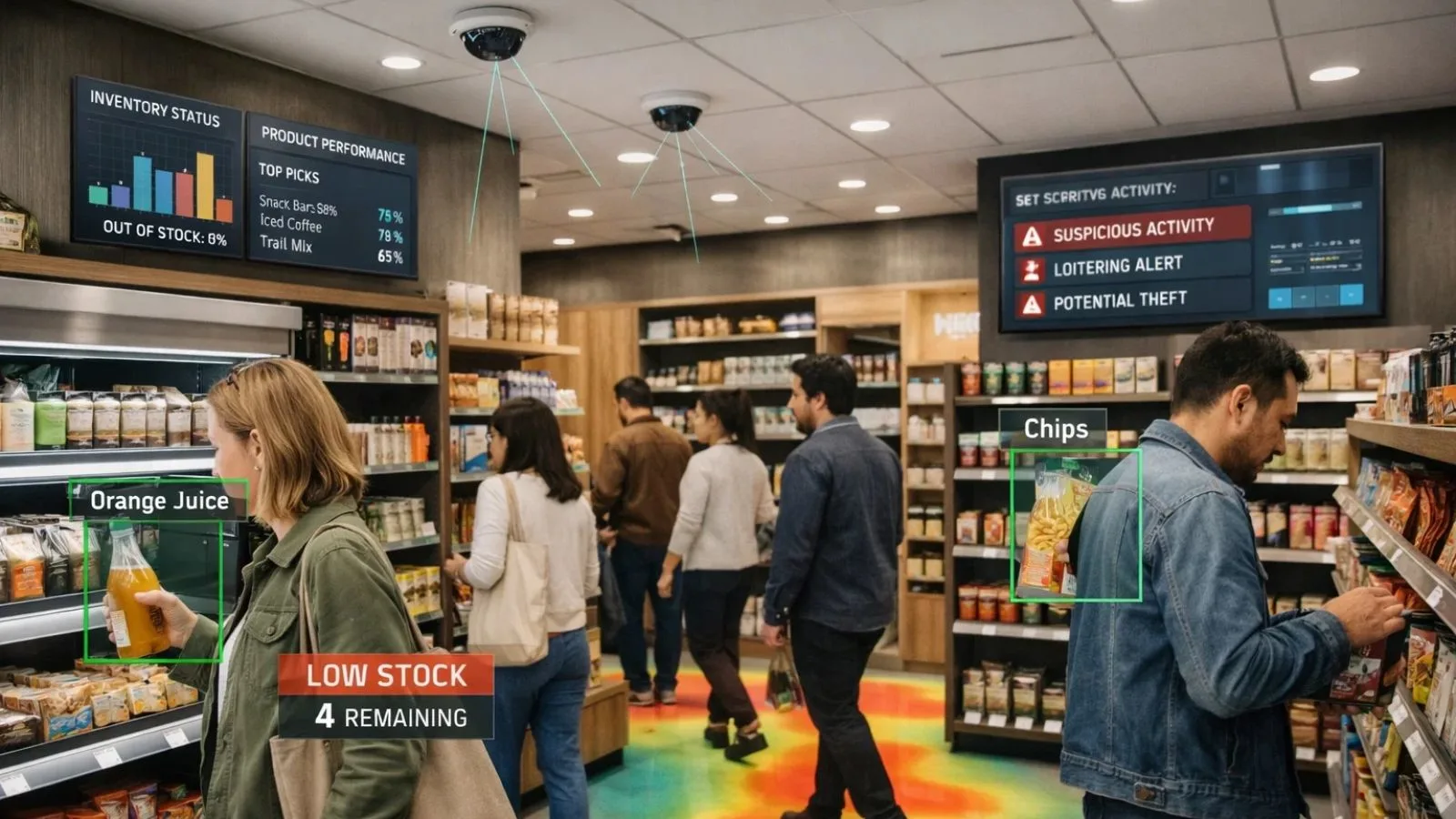
Walk into certain stores today, and you might not realize you’re being watched by some seriously smart cameras. Retailers are using vision AI to understand everything about how customers shop, and they’re using that information to make shopping better for everyone.
Amazon Go stores are the most famous example. You walk in, grab what you want, and walk out. No checkout lines. No scanning items. Vision AI tracks everything you pick up and charges your account automatically.
But you don’t need to be Amazon to benefit from this technology. Small retailers are using computer vision to understand foot traffic patterns. Where do customers spend the most time? Which displays get ignored? This information helps store owners arrange products better and create more effective displays.
Inventory management has gotten smarter, too. Cameras continuously monitor shelves, spotting when popular items are running low or when products are in the wrong place. Some systems even use facial detection with vision AI to recognize returning customers and provide personalized service.
Security is another big application. Instead of relying on security guards to watch multiple screens, vision AI monitors for suspicious behavior and only alerts staff when something actually needs attention. Shoplifting drops, and legitimate customers enjoy a better shopping experience.
3. Manufacturing Quality Control:
Factories have always needed quality control, but doing it manually was slow, expensive, and inconsistent. Human inspectors could only check a sample of products, and even then, they’d miss defects occasionally. Vision AI has changed this completely.
Modern manufacturing lines use cameras to inspect every single product at high speed. We’re talking about checking dozens or even hundreds of items per minute, looking for defects that might be smaller than a grain of sand.
A tiny scratch on a phone screen, a microscopic crack in a medicine bottle, a slight color variation in fabric: Vision AI catches these issues before products reach customers. What’s really impressive is how these systems learn. When they spot a defect, they can often trace it back to a specific part of the manufacturing process that needs adjustment.
This means factories don’t just catch bad products; they prevent them from being made in the first place. Equipment maintenance has gotten predictive, too. Cameras monitor machinery for signs of wear, unusual vibrations, or other indicators that something’s about to fail.
Maintenance teams can fix problems before they cause expensive breakdowns and production delays. The impact on business is huge: less waste, higher quality, fewer customer complaints, and lower costs.
4. Security and Public Safety:
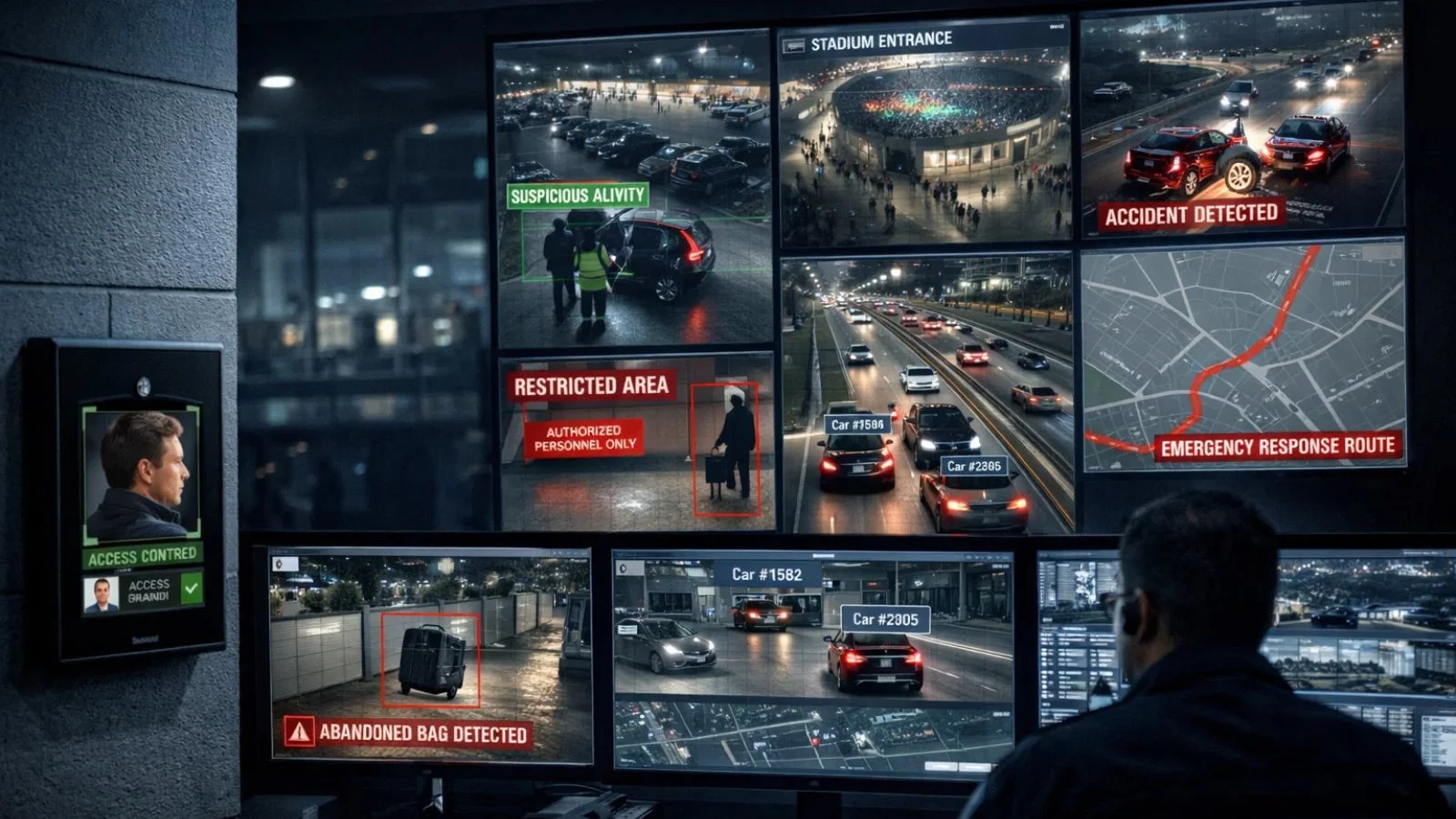
Security cameras used to be passive devices that recorded everything and hoped someone would review the footage if needed. Now, with real-time video surveillance powered by vision AI, security systems actively watch for problems and alert responders immediately.
Think about a large parking lot at night. Traditional security might have one person watching multiple camera feeds, trying not to miss anything important. That’s an impossible task. Vision AI systems can monitor every camera simultaneously, instantly detecting suspicious activity, unauthorized vehicles, or people in restricted areas.
Airports and stadiums use this technology to manage crowds and spot potential security threats. The system can identify abandoned luggage, track individuals who trigger alerts, and even detect unusual crowd movements that might indicate an emergency. All of this happens in real-time, giving security teams the information they need to respond quickly.
Access control has become seamless, too. Instead of fumbling with badges or keys, people just walk up to doors that recognize them and grant access. It’s more secure than traditional methods because faces are harder to fake or share than ID cards.
Cities are using vision AI to improve traffic flow, detect accidents, and respond to emergencies faster. When an accident happens, the system can immediately alert emergency services and even suggest the best routes for responders to take.
5. Agriculture and Precision Farming:
Farmers are getting help from vision AI in ways that would have seemed impossible just a few years ago. Drones equipped with cameras and AI software fly over fields, examining crops plant by plant, looking for signs of disease, pest damage, or nutrient deficiencies.
The traditional approach meant walking through fields and hoping to spot problems before they spread. By the time you notice something is wrong, you might have already lost a significant portion of your crop. Vision AI catches issues early, sometimes before they’re visible to the human eye, allowing farmers to treat small problem areas instead of entire fields.
Automated harvesting is getting smarter too. Robots with vision AI can identify ripe fruits and vegetables, picking only what’s ready and leaving the rest to mature. They work day and night, in any weather, maintaining consistent quality that’s hard to achieve with manual labor.
Livestock farmers use cameras to monitor animal health and behavior. Is a cow showing signs of illness? Is the herd gathering in unusual patterns? Vision AI notices these things and alerts farmers so they can investigate. Water usage is being optimized through visual monitoring as well, with systems seeing exactly which areas need irrigation and which don’t.
Also Read:
How VideoraIQ Makes Vision AI Accessible:
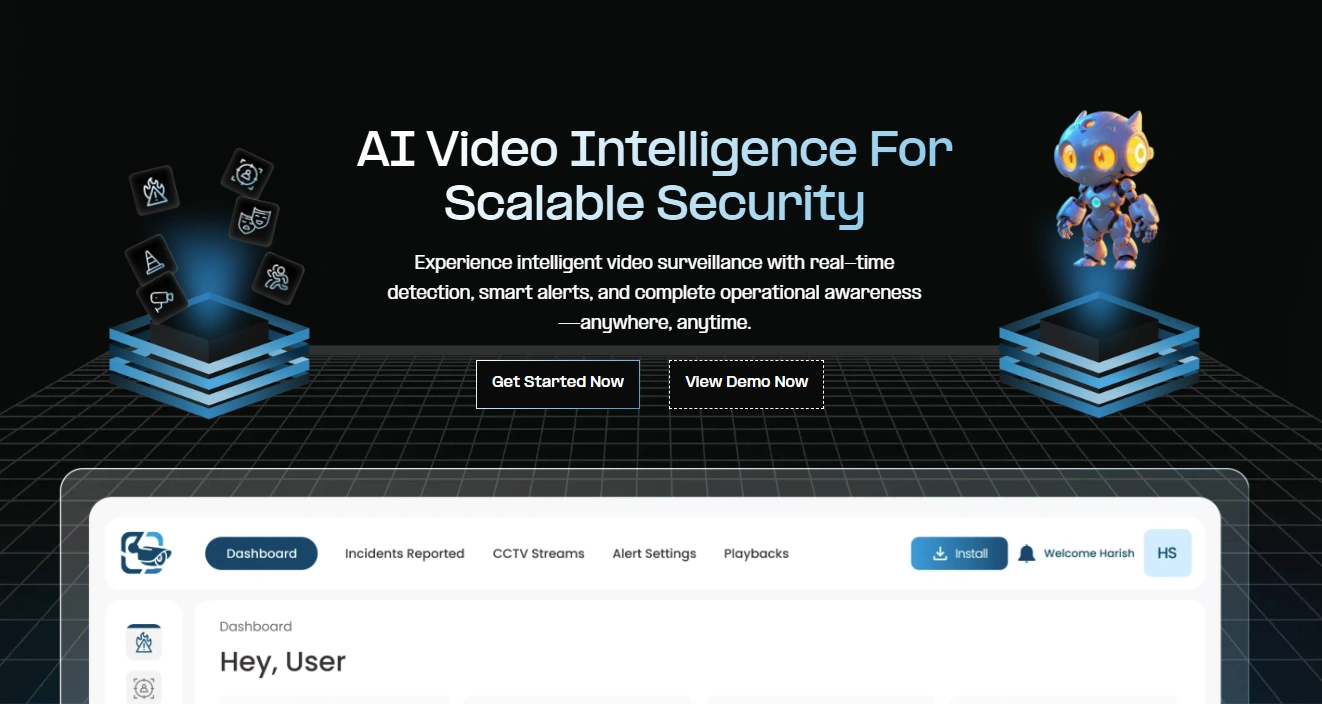
Installing CCTV cameras is a good first step, but on their own, they only record footage. They don’t interpret events or help you act in real time. Vision AI adds that missing layer of intelligence, but it’s often seen as complex and expensive to implement.
VideoraIQ removes that barrier by making Vision AI simple, practical, and accessible for everyday business use. It works with the cameras you already have, so there’s no need to replace your existing setup. Instead, it connects to your current infrastructure and upgrades it with intelligent video analytics.
The platform is designed for ease of use, not just for technical teams but for business owners and operations managers as well. You can set up alerts, monitor activity, and customize features without needing specialized expertise. At the same time, it remains powerful enough to scale as your needs grow, whether you’re managing a single location or multiple sites.
With pre-built solutions and the flexibility to adapt to different industries like retail, offices, or warehouses, VideoraIQ makes it easy to move from passive surveillance to proactive security.
Key Features of VideoraIQ:
- Face Recognition
Identify and track individuals with advanced facial recognition. Useful for access control, attendance tracking, and security audits. - Intrusion Detection
Detect unauthorized movement in restricted zones and receive real-time alerts before a situation escalates. - Object Detection
Automatically identify suspicious or unattended objects in live video feeds to enable faster response. - Unauthorized Access Alerts
Get instant notifications when someone attempts to enter restricted areas, improving response time and control. - Line-Cross Detection
Set virtual boundaries and receive alerts when those boundaries are crossed, ideal for perimeter security. - Fire and Smoke Detection
AI-powered monitoring detects early signs of fire or smoke, helping trigger immediate emergency actions. - Cashier Absence Detection
Ensure staff presence at retail counters to maintain service quality and reduce operational gaps. - Unattended Baggage Detection
Identify abandoned items in public or sensitive areas to reduce potential safety risks. - Number Plate Recognition
Automatically detect and log vehicle license plates for better access control and tracking.
Why It Matters?
With traditional CCTV, you rely on manual monitoring or post-incident reviews. Vision AI with VideoraIQ shifts that approach to real-time intelligence. It helps you detect, respond, and even prevent incidents as they happen.
The real advantage is simplicity. You get powerful AI capabilities without needing deep technical expertise. You can set alerts, monitor activity, and adapt the system to your needs with ease.
In short, if CCTV helps you see, VideoraIQ helps you understand and act.
Conclusion:
Vision AI has moved from research labs into the real world, solving actual business problems and creating value in ways that were impossible before. The five applications we’ve explored show just how versatile this technology has become, and we’re still in the early days. The businesses winning right now are the ones embracing these tools.
They’re catching defects before customers do, spotting security threats before incidents occur, and understanding their operations better than ever. This isn’t about replacing human judgment; it’s about giving people better information so they can make better decisions. Platforms like VideoraIQ are making this technology accessible to companies of all sizes, so you don’t need Silicon Valley money to get started.
FAQ’s:
Q1: What exactly is vision AI?
Ans: Vision AI is a technology that enables computers to understand images and videos like how humans do. It uses artificial intelligence trained on thousands of examples to recognize objects, detect patterns, and make decisions based on what cameras capture.
Q2: How much does it cost to implement?
Ans: Costs vary depending on what you’re trying to do and how many cameras you need. Cloud-based platforms have made vision AI much more affordable, with some solutions starting at a few hundred dollars per month.
Q3: Does vision AI work in real-time?
Ans: Yes, modern systems process video as it’s being recorded, enabling instant alerts and immediate responses. This real-time capability is essential for applications like security monitoring and quality control.