

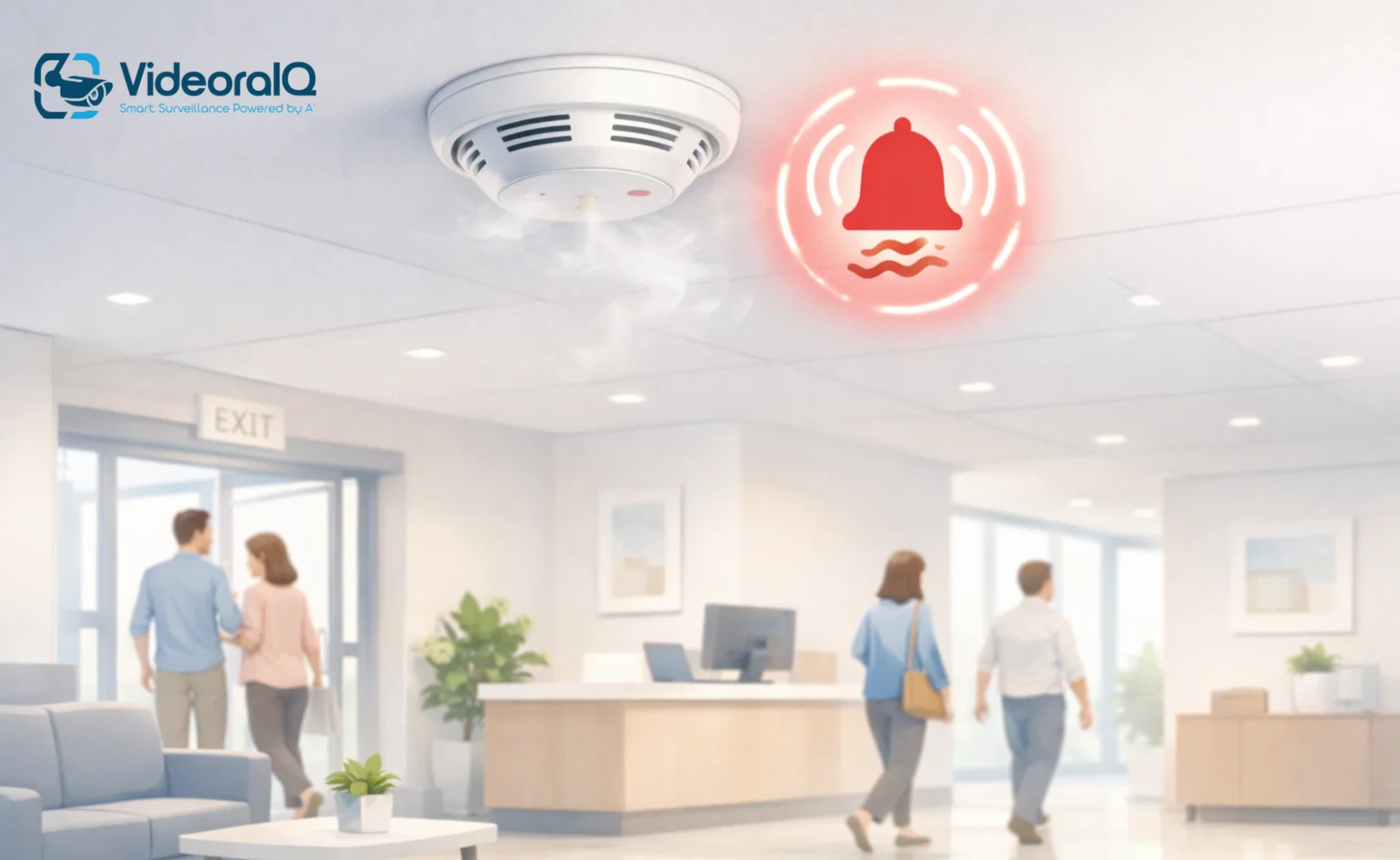
A smoke detection system is one of the most important safety measures. Its role is to detect smoke at an early stage before any issues. This early warning can make a huge difference by providing individuals with sufficient time to respond or contact emergency services. Smoke detection systems are limited to residential areas. It has become a standard requirement for offices, commercial properties, and industrial facilities.
Installing a reliable smoke detection system reduces risks, protects lives, and minimizes potential damage to properties and equipment. It also supports compliance with fire safety regulations and demonstrates a responsible approach to workplace and occupant safety. More importantly, it creates a safer and more secure environment for everyone.
In the long run, investing in a proper smoke detection system is about being prepared and protecting what is most important.
Listen to the blog
What Is A Smoke Detection System?
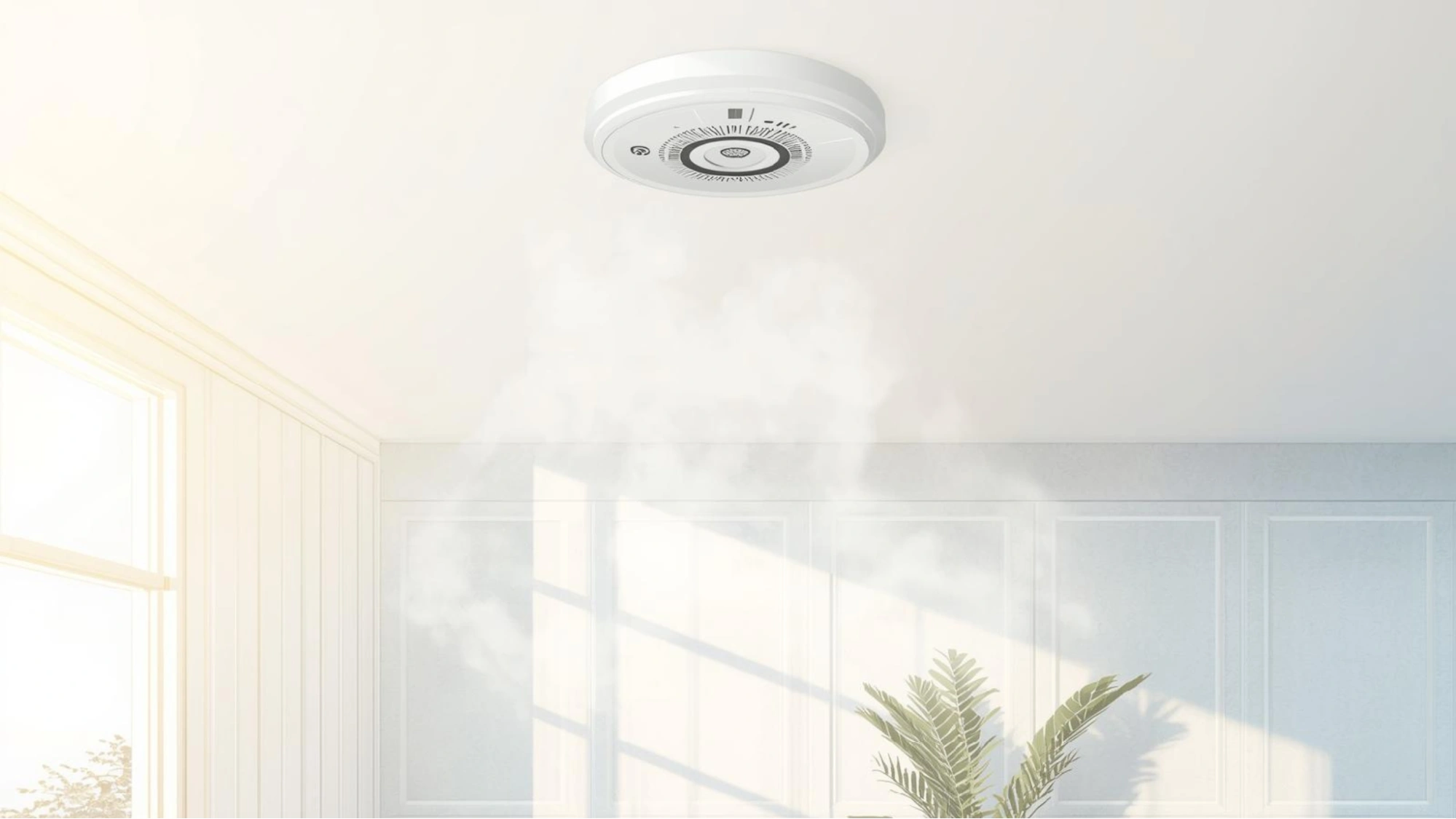
A smoke detection system is a fire safety solution that uses sensors to detect smoke particles produced by fires and triggers alarms for early warning and evacuation. Its primary purpose is to alert occupants as quickly as possible, providing them with crucial time to respond before a fire becomes life-threatening.
Most smoke detection systems rely on two common technologies:
Ionization smoke detectors respond fast, and photoelectric smoke detectors are more effective in detecting slow, smoldering fires. Many modern systems combine both technologies to provide broader protection. In homes and buildings, smoke detection systems are often integrated into larger fire and smoke detection systems, which may also include heat detectors, manual call points, alarm panels, and notification devices.
These systems can range from simple standalone alarms for small spaces to complex networked systems for large commercial or industrial areas. Some setups also incorporate heat detection or carbon monoxide sensors to improve safety.
Overall, a reliable smoke detection system is vital for life safety, providing the critical extra seconds needed to escape and respond effectively during a fire emergency.
How Do Smoke Detectors Work?
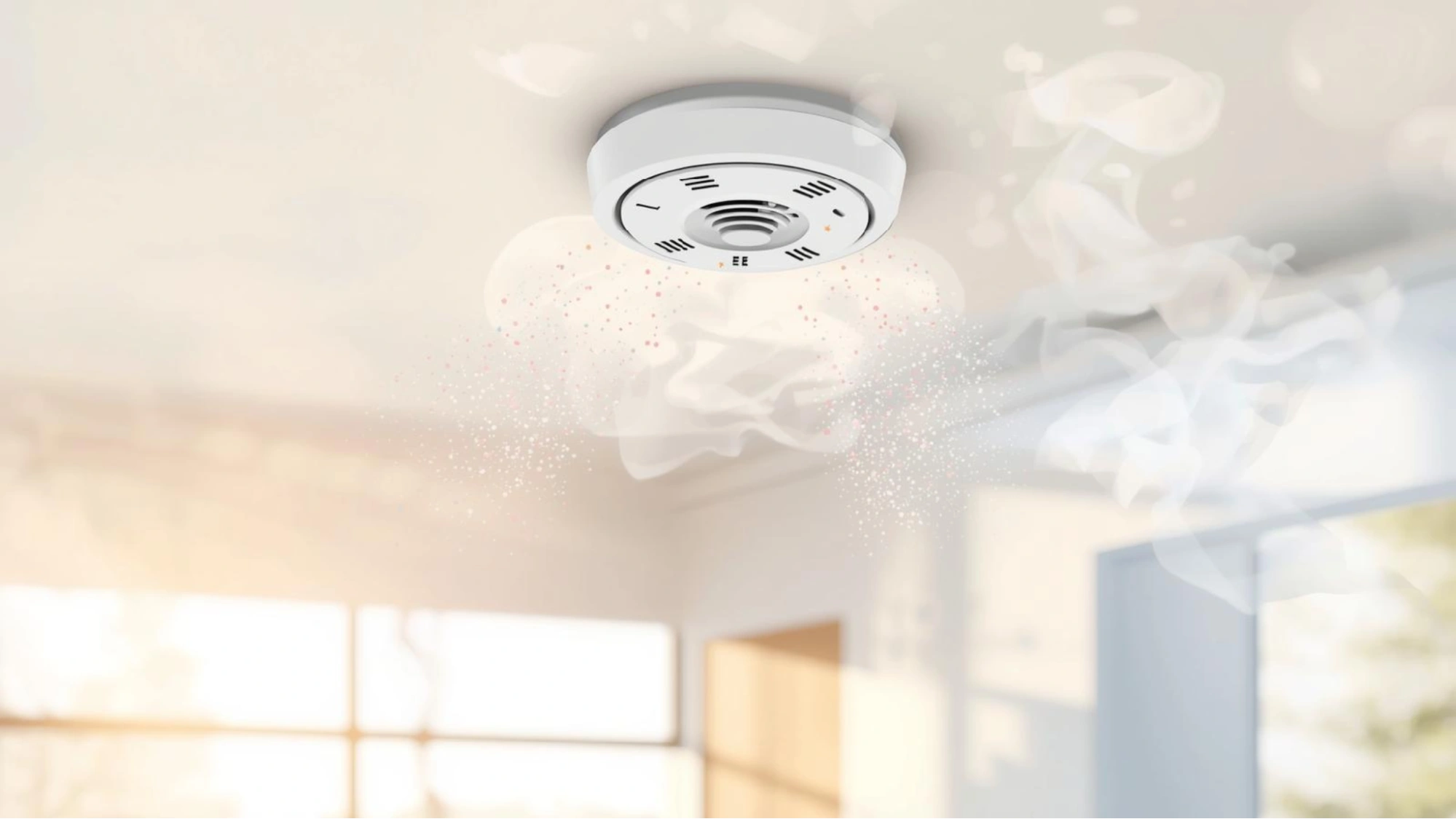
Smoke detectors continuously monitor the air for signs of smoke using built-in sensors. When smoke enters the detector, it interferes with the normal operation of the sensor, which immediately triggers an alarm. This automatic response is what makes an automatic smoke detection system so effective.
Once smoke is detected, the system automatically activates audible and visual alerts to the user. In connected or networked systems, these alerts can notify a central control panel or trigger additional safety responses, ensure evacuation, and emergency action.
Benefit #1 – Early Fire Detection
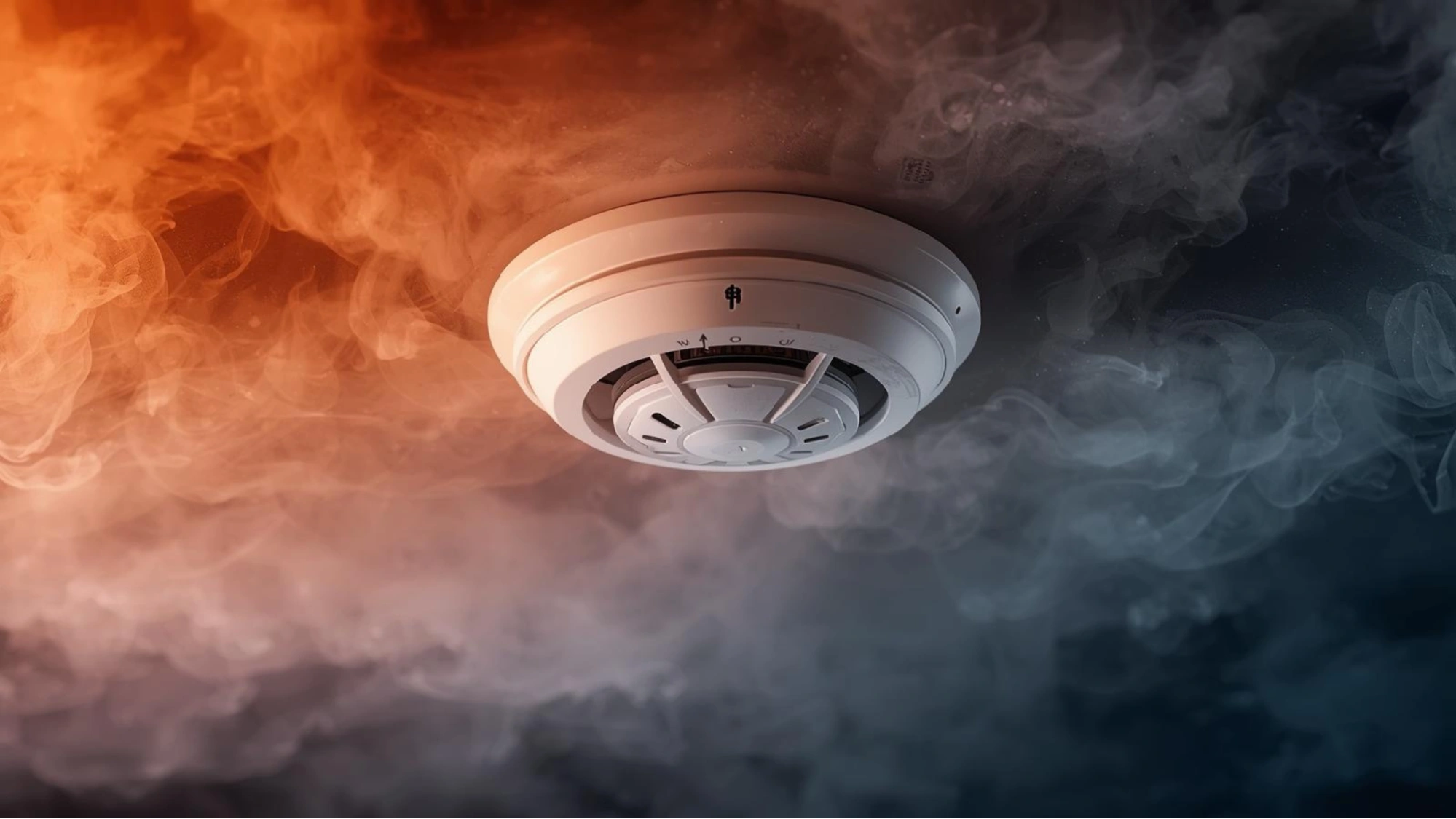
Early fire detection is one of the biggest advantages of installing a smoke detection system. When smoke is detected. People are alerted before conditions become dangerous. This early warning significantly reduces the risk of injuries and fatalities, especially in situations where visibility drops quickly due to smoke.
An automatic smoke detection system ensures alerts are triggered instantly, even if no one is present to notice the danger. Immediate alarms give occupants more time to react, follow evacuation procedures, and reach safety. In homes, this can mean waking occupants during nighttime fires. In commercial and industrial settings, it allows for more organized evacuations.
By detecting and issuing immediate alerts, smoke detection systems help prevent people from becoming trapped or exposed to toxic smoke. This quick response window is critical in emergencies and plays a direct role in saving lives, making early detection one of the most valuable benefits of smoke detection.
Benefit #2 – Emergency Response with Automatic Smoke Detection Systems
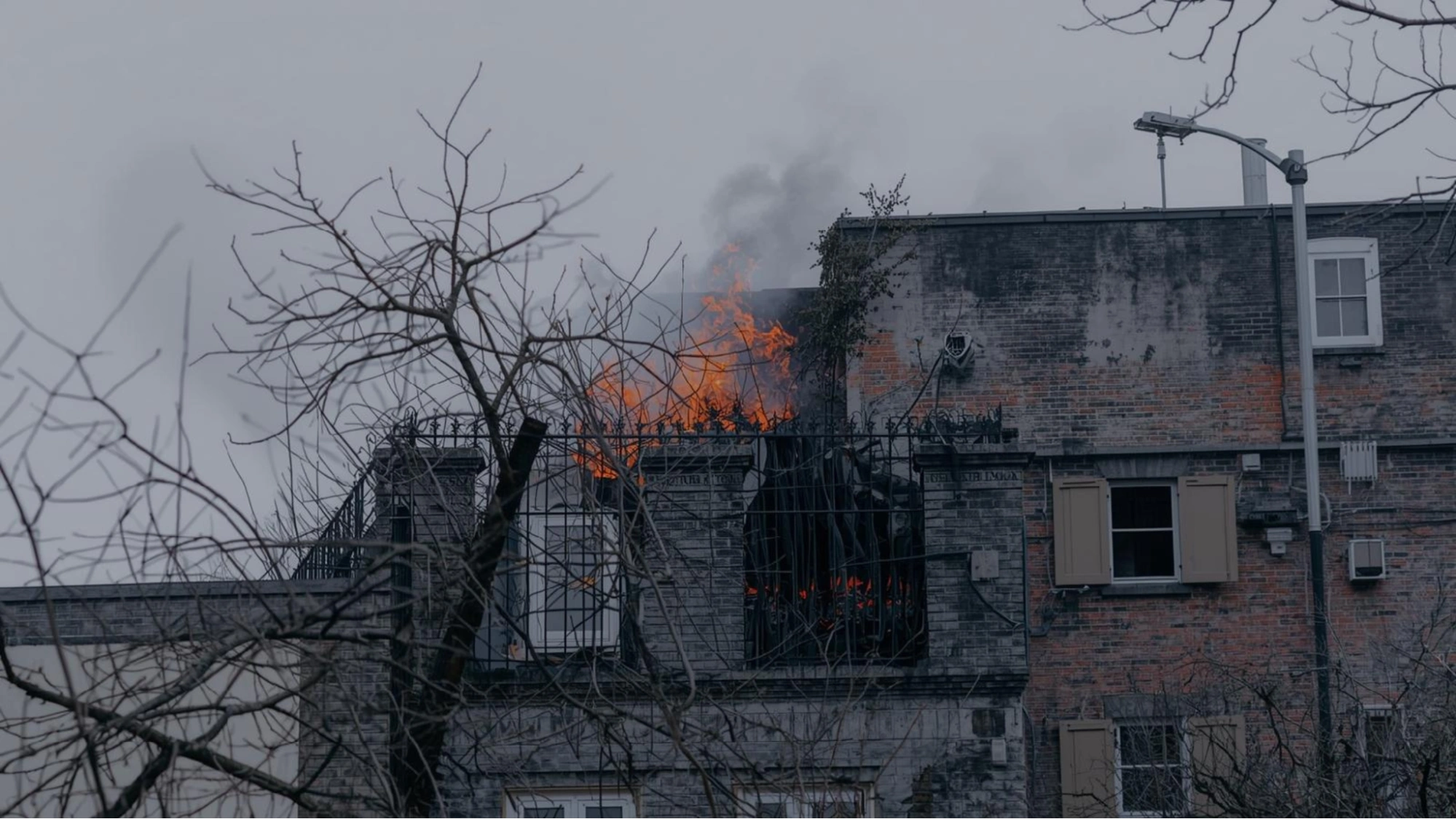
A major advantage of an automatic smoke detection system is how quickly it activates during an emergency. Because the system operates continuously and automatically, it detects smoke and triggers alerts the moment a threat is identified. This immediate response removes delays that can occur when relying on manual detection, allowing action to begin right away.
Once activated, the smoke detection system issues clear audible and visual alarms that help occupants recognize the danger instantly. In larger buildings, these alerts can be linked to a central control panel for coordination of evacuation procedures and emergency response. Quick alerts also help emergency teams respond sooner, reducing the chances of a fire spreading further.
By minimizing this response time, automatic smoke detection systems support calm and organized evacuations. This speed is during fire incidents, where even a few seconds can make a significant difference in protecting lives and limiting overall impact.
Benefit #3 – Enhanced Safety with Fire and Smoke Detection Systems
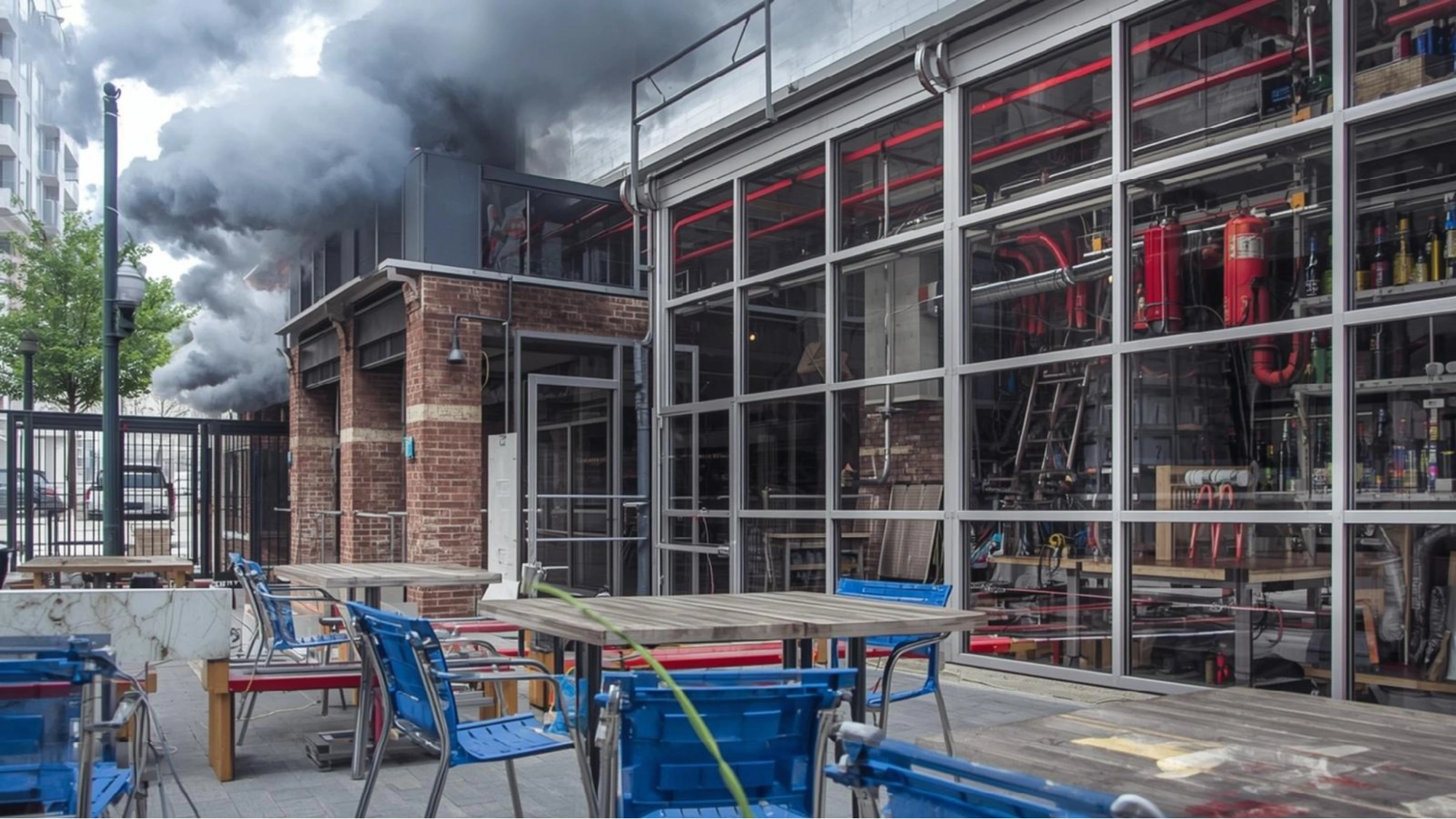
Fire and smoke detection systems provide a higher level of safety by working together as an integrated solution rather than as standalone devices. While smoke detection focuses on identifying smoke, fire detection systems may include additional elements such as heat detectors, alarm panels, and notification devices. When combined, these systems create a more reliable and comprehensive approach to fire safety.
An integrated system ensures that once smoke is detected, alerts are sent across the entire safety network. This coordination helps activate alarms throughout the building, guide occupants during evacuation, and support in emergencies. In larger or multi-level buildings, this unified response is especially important, as it reduces confusion and ensures consistent alerts in all areas.
By connecting smoke detection with broader fire safety components, fire and smoke detection systems improve overall preparedness. They help create a safer environment by ensuring that potential threats are identified and managed efficiently, reducing the risk of escalation during a fire incident.
Related Articles
Why Every Business Needs Live Video Monitoring?
How To Make Surveillance Cameras Smarter For Stronger Security?
Benefit #4 – Compliance with Fire Safety Regulations and Standards
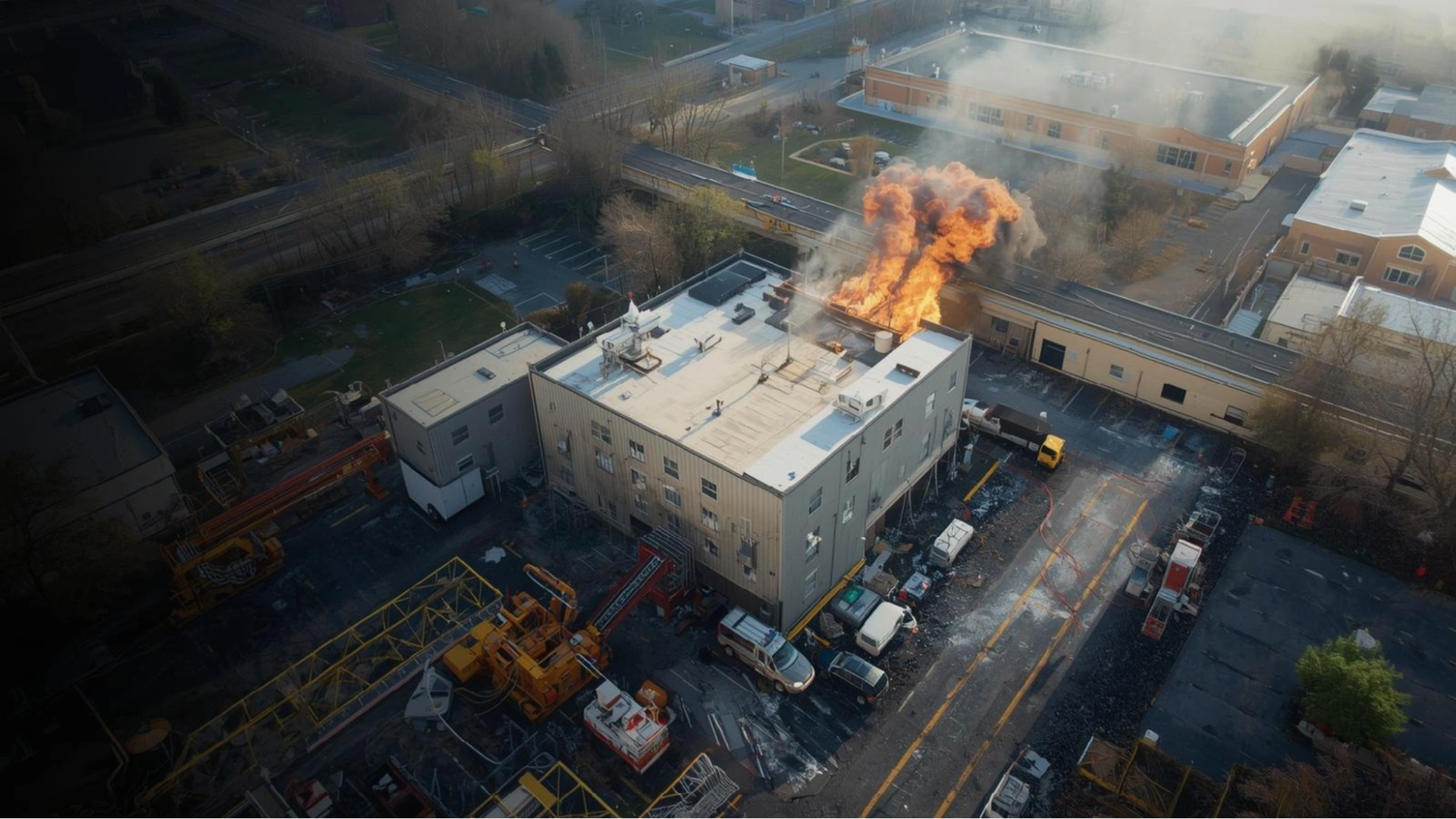
Fire safety regulations are the key responsibility of property owners and businesses, and a properly functioning smoke detection system is essential. Many local and national fire safety standards require facilities to have dedicated smoke detection in place to protect occupants and reduce fire-related risks.
Installing approved fire and smoke detection systems ensures that buildings meet these regulatory requirements. These systems follow safety codes related to detection, alerting, and system performance. For commercial and industrial properties, compliance is essential as it supports workplace safety and avoids penalties or operational disruptions.
A well-maintained smoke detection system shows that proactive steps are taken to protect people and property. Not only does it support inspections and audits, but it also builds trust with employees, occupants, and stakeholders by creating a safer and more responsible environment.
Benefit #5 – Reduced Property Damage and Insurance Risk
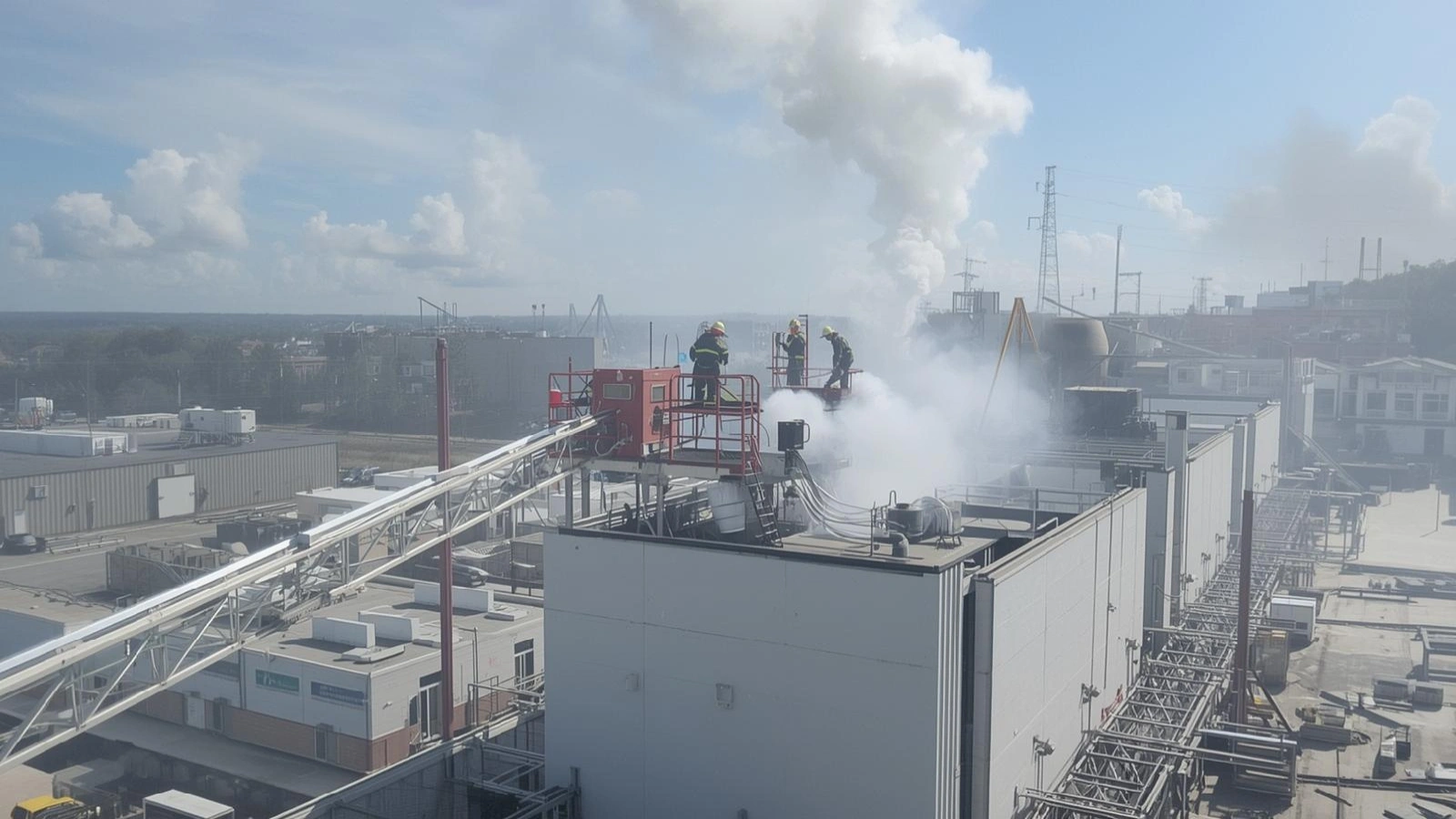
Installing a reliable smoke detection system can significantly reduce property damage during fire incidents. By detecting smoke and triggering immediate alerts, the system helps ensure that action is taken before a fire spreads extensively. This early response can limit damage to buildings, equipment, and valuable assets, especially in commercial and industrial environments.
Smoke detection is also important in risk management. Properties with well-maintained fire and smoke detection systems are generally seen as safer and better prepared for emergencies. This proactive approach can help reduce liability exposure by lowering the chances of severe damage or injury during a fire event.
In many cases, having a compliant smoke detection system may also support insurance requirements. Insurers often view proper fire safety measures as a positive risk, which can influence coverage conditions or long-term insurance considerations. Overall, smoke detection systems help protect investments while supporting a more secure and resilient property.
Where Should Smoke Detection Systems Be Installed?
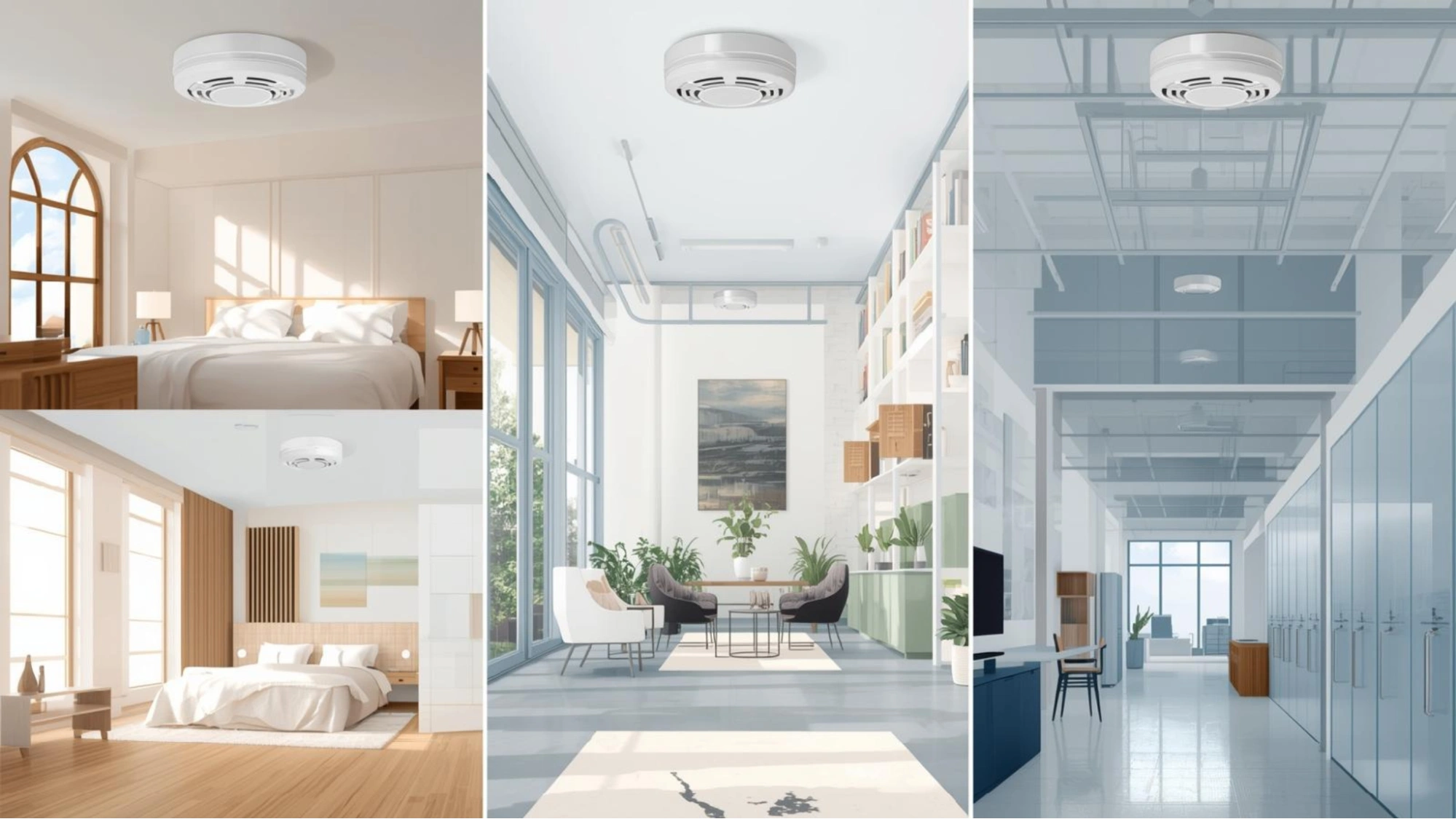
The proper placement of a smoke detection system is necessary for accurate detection and timely alerts. Installing detectors in the correct locations ensures that smoke is identified early, before it spreads and creates dangerous conditions.
In residential spaces, smoke detectors should be installed in bedrooms, hallways outside sleeping areas, living rooms, and on every level of the home. Areas near the kitchens should be covered carefully to avoid false alarms while maintaining protection.
In commercial buildings, smoke detection is typically required in offices, corridors, stairwells, control rooms, and other common areas. An automatic smoke detection system is especially important in high-occupancy spaces, where quick alerts help ensure safe and organized evacuations.
In industrial environments, smoke detection systems should be installed in production areas, storage zones, electrical rooms, and control panels, where the risk of fire is higher. These systems are often connected to a central monitoring setup for a faster response.
Correct placement maximizes system effectiveness, reduces blind spots, and ensures reliable smoke detection throughout the facility.
Choosing The Right Smoke Detection System

Many buildings now have smart solutions that detect and respond to risks. Video-based systems can support traditional fire and smoke detection systems by adding visual monitoring and real-time alerts to them.
VideoraIQ is a video analytics tool that improves safety and security in homes, offices, and industrial areas. It works by analyzing surveillance camera footage to identify different situations, including fires and smoke. Along with smoke detection, the platform supports monitoring of security and operational issues, helping teams respond quickly when something unusual is detected.
By combining smoke detection with video monitoring, tools such as VideoraIQ help create a more complete and practical safety setup. This approach supports early detection, improved awareness, and faster action during emergencies.
Key Features of VideoraIQ
Fire and Smoke Detection: It detects visible smoke or fire through video analytics, enabling early alerts in large or open areas.
Intrusion Detection: Identifies unauthorized entries into restricted or sensitive zones.
Unauthorized Access Alerts: Alerts are sent when access rules are violated, supporting controlled environments.
Object Detection: It detects and tracks specific objects to improve situational awareness.
Unattended Baggage Detection: Identifies unattended items in public or high-traffic areas.
Line-Cross Detection: Monitors virtual boundaries and triggers alerts when they are crossed.
Face Recognition: It helps identify and verify individuals for enhanced security CCTV monitoring.
Number Plate Detection: It automatically detects and records vehicle license plates.
Cashier Absence Detection: Identifies unattended cashier counters to reduce operational risk.
By combining smoke detection with advanced AI video analytics, VideoraIQ supports a more intelligent and integrated approach to safety management. This helps organizations improve fire response, strengthen security, and manage multiple risks through a single, unified platform.
Conclusion
A smoke detection system is an essential component of any fire safety strategy. Early smoke detection helps protect lives, reduce property damage, and support quick and organized emergency responses. Smoke detection systems play a critical role in identifying risks in residential, commercial, and industrial facilities before they escalate into serious incidents.
Modern fire and smoke detection systems, combined with appropriate placement and smart monitoring solutions, improve overall safety and preparedness. They also help to meet fire safety regulations, reduce liability, and support long-term risk management. Choosing the appropriate smoke detection system ensures reliable performance and creates a safer environment for occupants and property owners.
Investing in a well-designed smoke detection system is not just about compliance with regulations. This is a responsible step toward preparedness, protection, and peace of mind.
Frequently Asked Questions (FAQs)
How often should smoke detection systems be tested and maintained?
Smoke-detection systems should be tested regularly to ensure that they function properly. In most cases, basic testing is recommended at least once a month, and professional inspection and maintenance should be performed annually. Regular maintenance helps identify faults early and ensures reliable performance in emergencies.
Can smoke-detection systems produce false alarms?
Yes, false alarms can occur because of dust, steam, or environmental factors. However, proper detector placement, routine cleaning, and use of the right type of detector for each area can significantly reduce false alerts. Advanced systems and smart surveillance detection technologies also help to improve accuracy.
Are smoke detection systems suitable for outdoor or open areas?
Traditional smoke detectors may have limitations in outdoor and open environments. In such cases, specialized solutions, such as video-based smoke detection or system combinations designed for open spaces, may be more effective, especially in industrial or large-scale facilities.
Do smoke detection systems function during power failures?
Many smoke detection systems include battery backups or alternative power sources to continue functioning during power outages. This ensures continuous protection, even when the main power supply is interrupted.
How long does a smoke-detection system typically last?
The lifespan of a smoke detection system depends on the type and environment; however, most detectors are designed to last approximately 8–10 years. Regular inspections help determine when components need to be replaced to maintain safety and performance.