

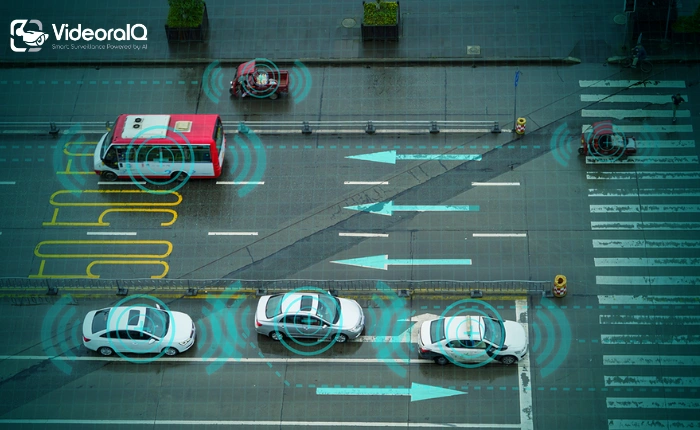
Roads face higher pressure every year. More vehicles, more speed, and more distractions build up risk across highways, city lanes, and public zones. Authorities, businesses, and facility managers now look for ways to control traffic flow, reduce accidents, and support safer travel. This shift increases interest in modern traffic monitoring devices that capture events in real time and help teams act before small issues turn into major trouble.
Smart surveillance and data-based decisions now shape road safety strategies. The right traffic monitoring devices deliver clarity, accuracy, and instant alerts. They also help teams detect speed violations, unusual events, and safety threats with far more confidence than traditional manual checks.
This blog explains how these systems work, which options offer the best results, and how to select the right setup for your environment.
Listen To The Podcast Now!
What Are Traffic Monitoring Cameras And How Do They Work?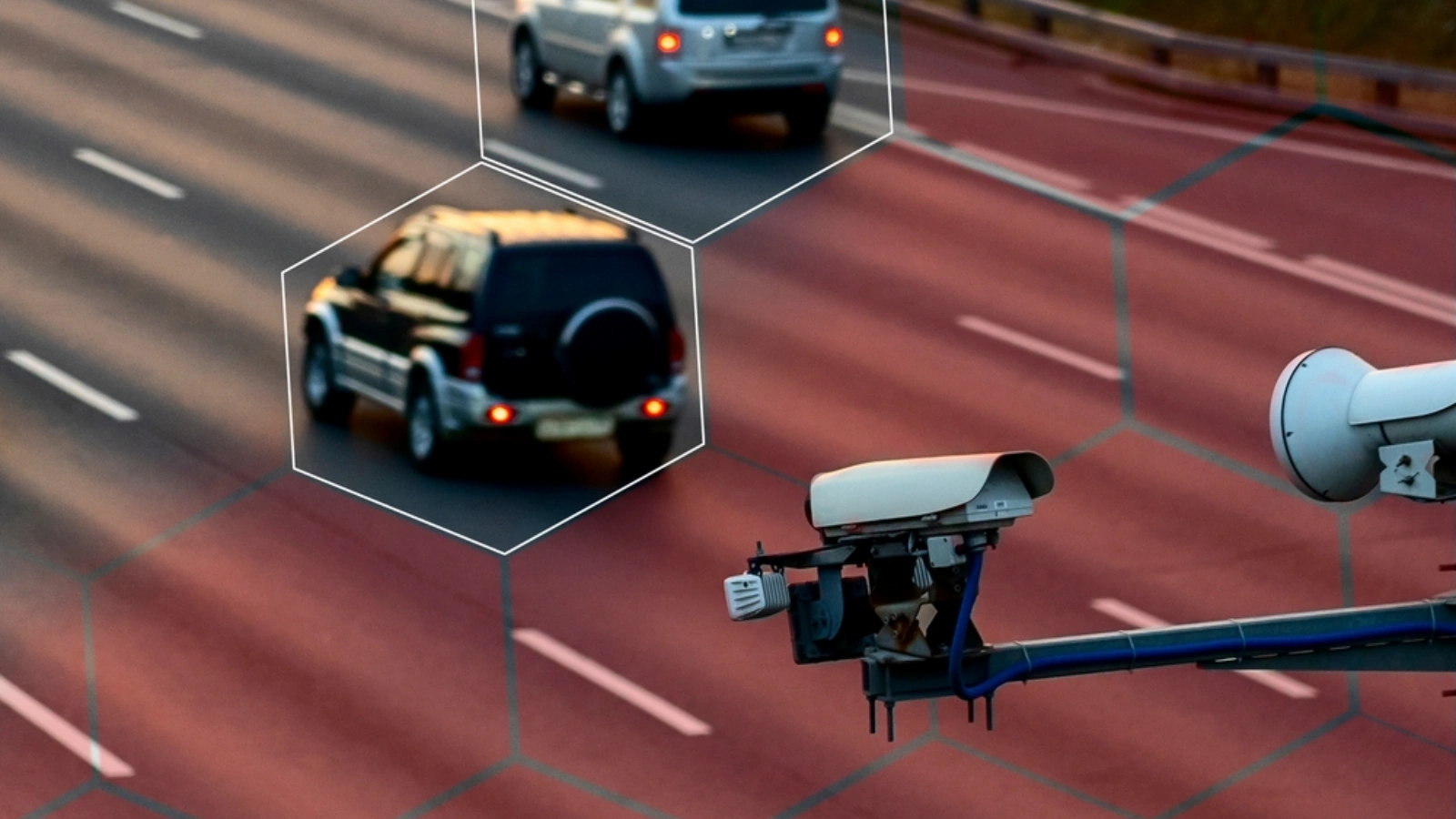
Many people ask, “What are traffic monitoring cameras?” These systems track road activity, identify violations, count vehicles, and collect movement data. Modern setups rely on sensors, AI models, and automated alerts to support faster decisions.
Traffic monitoring cameras watch lanes, signals, junctions, toll gates, and high-traffic areas. They capture clear video, detect motion, measure speed, and push instant alerts. A strong device covers wide angles, handles low-light scenes, and delivers stable results in complex conditions.
These cameras help authorities control congestion, study road patterns, and reduce accident rates. They also support enforcement teams who want accurate proof of violations. The right traffic monitoring devices do far more than record video. They analyze patterns, identify irregular behavior, and point out threats with sharp precision.
Types Of Traffic Speed Monitoring Devices Used Worldwide
Every region uses multiple tools for traffic speed monitoring, and each one fits a specific purpose. The most popular options include:
1. Radar-based speed detectors
These units measure speed through radio waves. They suit highways, long roads, and zones with fast vehicle flow. Many police teams trust radar-based devices for spot checks.
2. Lidar guns for precise targeting
Lidar units focus sharp laser beams at individual vehicles. This offers highly accurate results in areas with unpredictable speed shifts.
3. Smart pole-mounted systems
These systems sit on poles, bridges, or signboards to track large traffic volumes. They help study patterns across busy intersections.
4. Vehicle-mounted detectors
Authorities install speed detectors on patrol vehicles. This helps them gather data while on the move.
Each category supports a specific need. When you pick the right traffic monitoring devices, you gain stronger accuracy, safer roads, and more reliable data.
New Types Of Speed Cameras You Should Know In 2026
Governments and private organizations now explore new types of speed cameras that offer far more intelligence than older systems. Several next-generation devices stand out:
AI-driven speed cameras
These cameras study movement patterns, detect sudden speed shifts, and predict risky behavior. They also help identify repeat offenders.
Automatic Number Plate Recognition (ANPR)
ANPR systems track license plates with high precision. They help enforce toll rules, identify stolen vehicles, and control restricted zones.
Point-to-point speed monitoring
This concept uses two cameras placed far apart. The system calculates average speed between the points to capture violations with higher accuracy.
Smart red-light speed cameras
These cameras catch red-light violations and speed violations at the same time.
Behavior-tracking cameras
These units focus on erratic vehicle actions, sudden lane shifts, or heavy tailgating.
These new types of speed cameras work with advanced software, sensors, and powerful analytics. They bring speed control to a higher level and reduce manual workload.
How Traffic Sensor Cameras Improve Real-Time Road Safety?
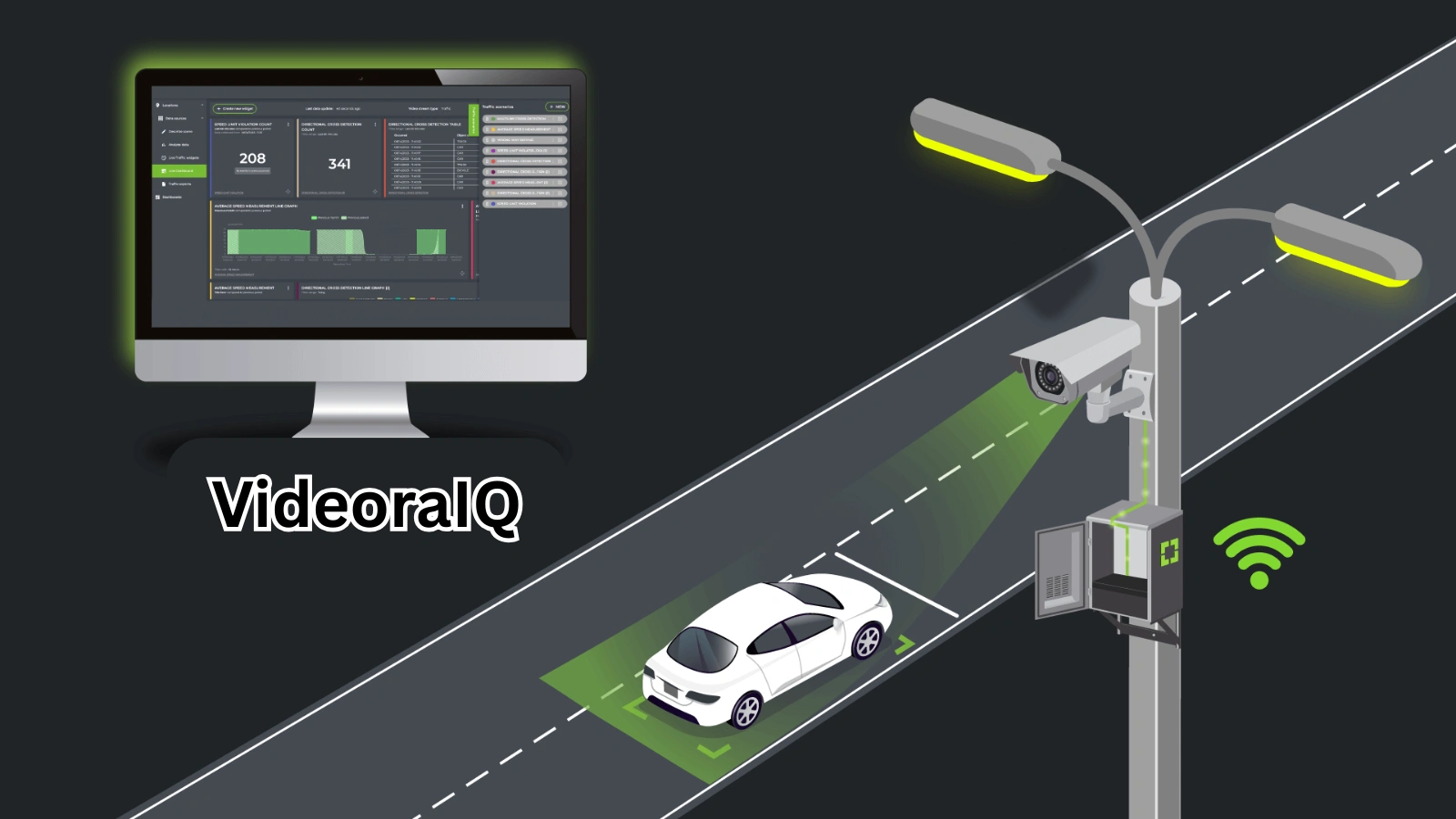
Traffic sensor cameras combine regular video with sensors that measure heat, distance, vehicle count, and motion. This creates a stronger picture of real-time road conditions.
Different sensor types include:
- Induction loops beneath the road
- Radar sensors
- Thermal sensors for night zones
- Video sensors for pattern recognition
Traffic sensor cameras help:
- Detect heavy congestion
- Alert teams during sudden stops
- Track lane discipline
- Support emergency planning
- Provide accurate data for long-term road upgrades
When you use these cameras as part of your traffic monitoring devices, you gain faster response capability and more reliable road control.
Comparing Traffic Monitoring Cameras: Features That Matter Most
Every setup offers different strengths. While comparing traffic monitoring cameras, focus on these key features:
1. High-resolution clarity
High-resolution clarity ensures teams can identify vehicles, number plates, and traffic violations accurately. Clear images reduce errors and provide strong evidence for enforcement and road safety management.
2. Strong low-light performance
Cameras with strong low-light performance capture clear visuals in night zones, tunnels, and shadowed areas. This ensures monitoring remains effective at all hours without missing incidents.
3. AI pattern analysis
AI-powered pattern analysis tracks vehicle movement, detects irregular behavior, and spots violations automatically. It reduces false alerts and helps teams respond quickly to potential safety threats.
4. Cloud storage options
Cloud storage options allow teams to store, access, and review traffic data remotely. This supports smoother investigations, long-term record keeping, and easy sharing across departments or authorities.
5. Real-time alert systems
Real-time alert systems notify authorities instantly when traffic violations, accidents, or unusual events occur. Immediate alerts help reduce response times and prevent potential hazards from escalating.
6. Strong durability
Traffic monitoring devices face heat, rain, dust, and harsh outdoor conditions. Strong durability ensures cameras continue functioning reliably for long periods without frequent maintenance or replacement.
These features help you pick traffic monitoring devices that produce consistent results across different conditions.
How To Choose The Right Traffic Monitoring Device For Your Needs?
Before you invest in new systems, review these core points:
1. Purpose of the device
Before choosing a traffic monitoring device, define your purpose clearly. Decide whether you need speed control, lane discipline alerts, entry management, or real-time event detection for better road safety.
2. Area size and layout
Consider the size and layout of the area to monitor. Highways, intersections, and city roads require different lens types, coverage angles, and camera placement strategies for effective monitoring.
3. Accuracy expectations
Set clear expectations for accuracy before buying. Pick traffic monitoring devices that provide reliable measurements under all conditions, including high traffic, varying speeds, and challenging environmental factors.
4. Integration needs
Determine how the device will integrate with existing systems. Some teams prefer cloud dashboards for remote access, while others need offline storage and local data analytics capabilities.
5. Budget and maintenance
Consider your budget and long-term maintenance costs. High-quality traffic monitoring devices reduce repair frequency, provide longer lifespan, and save money while ensuring consistent, reliable performance.
You achieve better outcomes when you match traffic monitoring devices with clear goals, proper planning, and strong support systems.
How VideoraIQ Improves Traffic Monitoring With Smart AI?
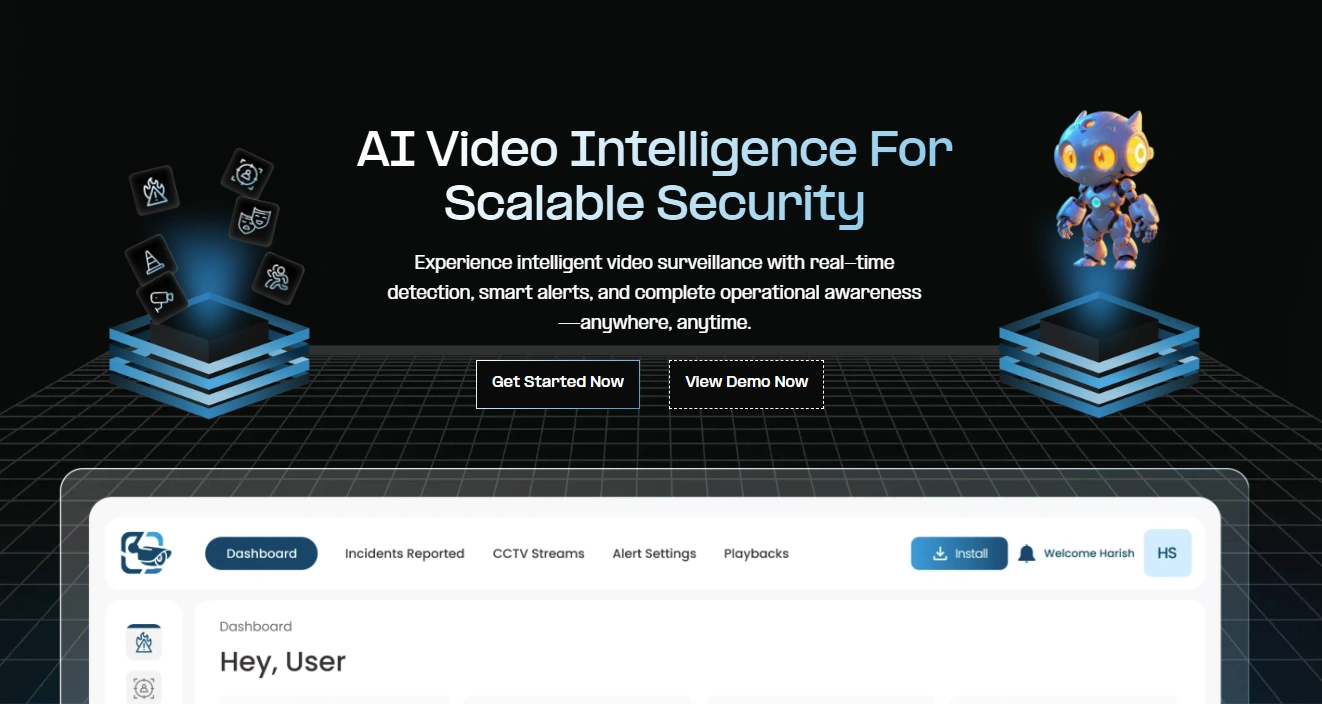
Modern traffic control is no longer limited to manual observation or delayed reporting — it is rapidly shifting toward AI-powered systems that detect events in real time. With VideoraIQ, city authorities and organizations don’t need high-end hardware or a complex setup to keep roads safe. The software turns ordinary CCTV cameras into smart surveillance units capable of monitoring traffic activities with precision.
VideoraIQ continuously analyzes live video feeds and instantly detects violations such as signal jumping, lane changes, illegal parking, and overspeeding vehicles, all without human intervention.
For example:
Imagine a busy intersection where countless vehicles cross every minute. One car races through well above the speed limit. Traditionally, someone would have to manually check the recording later, if at all. But with VideoraIQ, the system instantly identifies the speeding activity and captures the vehicle’s number plate in the same moment. This way, it becomes easier for organizations to ensure traffic safety and avoid any accidents.
AI video intelligence built for real results
VideoraIQ turns ordinary CCTV units into smart traffic monitoring devices. This reduces hardware cost and improves efficiency across roads, campuses, industrial zones, and city spaces. The platform combines real-time detection, automated alerts, and advanced analytics to support stronger road safety.
Transforms Standard Cameras Into Smart Detectors
VideoraIQ uses AI to identify threats, movement patterns, and unusual activity. This allows teams to manage traffic with more control and fewer mistakes. Instead of just recording footage, the system interprets events and helps teams respond before risks rise.
VideoraIQ offers several features designed specifically for traffic and road safety management:
Number Plate Recognition
The system reads vehicle number plates accurately and quickly. Authorities and private teams can track vehicle entry, enforce traffic rules, and support investigations efficiently.
Intrusion Detection for Restricted Road Zones
VideoraIQ immediately alerts teams when a vehicle enters a lane or area that is off-limits. This improves road safety and prevents unauthorized access to sensitive zones.
Line-Cross Detection for Traffic Violations
The platform monitors lanes and stop lines in real time. It detects lane breaches, red-light violations, and other risky driving behaviors, enabling teams to take fast, proactive action.
Fire and Smoke Detection for Roadside Emergencies
Early detection of fire or smoke allows teams to respond before an incident escalates. This capability ensures safety on highways, in tunnels, and near industrial zones.
Why AI sets the future of traffic management
AI tools deliver faster alerts, higher accuracy, and deeper insight than manual monitoring. VideoraIQ supports smart cities, corporate townships, highways, and public zones with technology that scales and adapts to new challenges.
With VideoraIQ, teams gain:
- Full visibility from any location
- Real-time threat detection
- Smart alerts that reduce response time
- Data that supports long-term planning
This level of control sets the future direction for all modern traffic monitoring devices.
Conclusion
Road safety improves when authorities and businesses pick the right tools. Strong traffic monitoring devices help control violations, reduce accidents, and deliver accurate data for better road planning. From classic radar units to AI-powered cameras, every option supports a specific need. The key lies in choosing devices that match your goals, area size, and response strategy.
With platforms like VideoraIQ, teams move beyond basic video capture. They gain smart features, instant alerts, and real-time threat interpretation. This creates safer roads, stronger rule enforcement, and more confident decision-making.
FAQs
- What are traffic monitoring cameras used for?
Traffic monitoring cameras track vehicles, identify violations, study traffic flow, and support congestion control. They help teams manage roads better with real-time visuals, accurate data, and strong evidence for enforcement. - Which features matter most in traffic monitoring devices?
The best traffic monitoring devices offer sharp clarity, AI-powered detection, fast alerts, night vision, wide coverage, and strong durability. These features ensure accurate tracking, smooth monitoring, and dependable performance across all road conditions. - Do new types of speed cameras improve accuracy?
Yes, new types of speed cameras use AI, advanced sensors, and point-to-point tracking to deliver higher accuracy. They measure speed precisely, reduce errors, and detect violations with stronger consistency than older systems.