

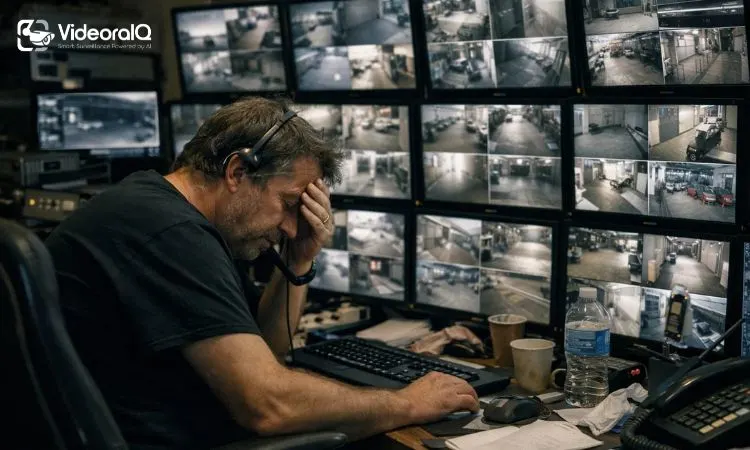
Businesses today generate more visual data than ever before. From office security cameras to warehouse monitoring systems, video has become a constant presence in daily operations. But simply recording footage is no longer enough.
Traditional surveillance systems were designed to capture events not to understand them. That means hours of footage often go unwatched, critical incidents are missed, and valuable insights remain hidden.
This is where a video analytics solution changes the game.
Instead of acting as passive recording tools, modern systems powered by AI can analyze video in real time, detect unusual activity, and deliver actionable insights instantly. Whether it’s improving security, optimizing workflows, or enhancing customer experiences, businesses are now using video data in smarter ways than ever before.
As operations grow more complex and security risks increase, relying on outdated monitoring methods is no longer sustainable. Companies need systems that don’t just watch but think, analyze, and respond.
Listen to this Podcast
What Is a Video Analytics Solution?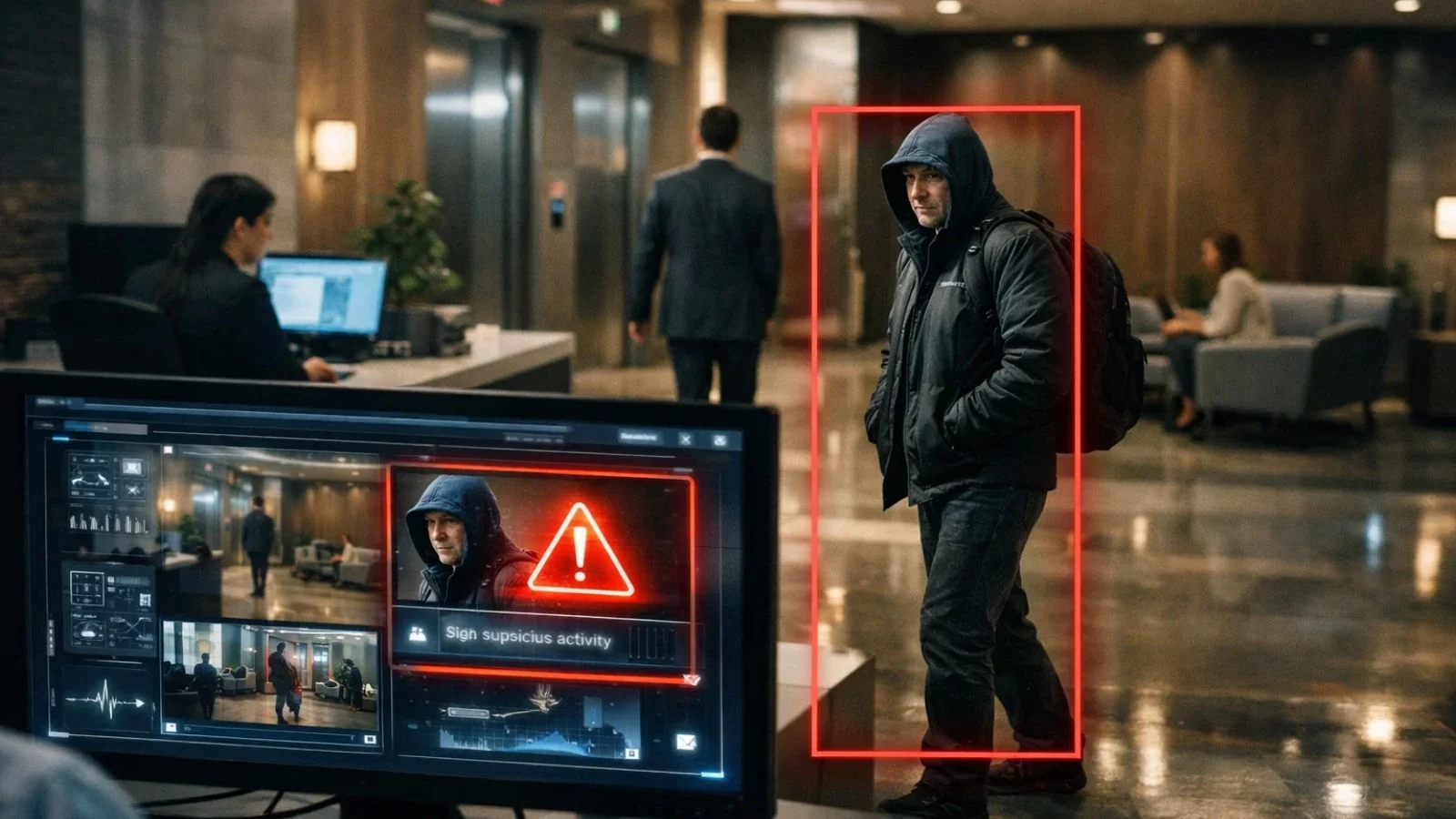
A video analytics solution is a technology that uses artificial intelligence and machine learning to automatically analyze video footage and extract meaningful information.
Unlike traditional CCTV systems that simply record video for later review, these advanced systems actively process what’s happening on screen. They can identify objects, recognize patterns, detect unusual behavior, and even trigger alerts in real time.
At its core, a video analytics solution transforms raw video into actionable data.
For example, instead of manually reviewing hours of footage to find a security breach, the system can instantly flag suspicious activity. Instead of guessing customer behavior in a retail store, businesses can track movement patterns and engagement levels.
This is especially powerful when combined with real time video analytics, where insights are generated instantly rather than after the fact. It allows businesses to respond to events as they happen not hours or days later.
How Real-Time Video Analytics Works
At a glance, a video analytics solution might seem complex, but the underlying process is surprisingly straightforward.
It starts with cameras capturing live video feeds. These feeds are then processed by AI algorithms trained to recognize specific patterns, objects, and behaviors. Instead of storing footage for later review, the system analyzes it instantly using real time video analytics.
Here’s how it typically works:
- Detection: The system identifies objects such as people, vehicles, or specific items
- Tracking: It follows movement across frames to understand behavior
- Analysis: AI models evaluate patterns, such as unusual activity or rule violations
- Alerts: If something important happens, notifications are triggered immediately
For example, an AI video surveillance system can detect unauthorized access to restricted areas, identify loitering, or even recognize safety violations in a workplace.
What makes this powerful is speed. Instead of relying on human monitoring, which is prone to fatigue and error, AI processes vast amounts of video data instantly and consistently.
This shift from reactive monitoring to proactive intelligence is exactly why more businesses are adopting modern video analytics solutions.
Key Benefits of a Video Analytics Solution
Adopting a video analytics solution isn’t just about upgrading your security system it’s about transforming how your business operates. With AI-driven insights, companies can move from reactive responses to proactive decision-making.
Here are the key benefits:
1. Enhanced Security and Threat Detection
Traditional systems rely heavily on human monitoring, which can lead to missed incidents. An AI video surveillance system continuously scans for suspicious behavior, unauthorized access, or unusual patterns alerting teams instantly when something goes wrong.
2. Real-Time Decision Making
With real time video analytics, businesses no longer need to wait for reports or manual reviews. Whether it’s identifying a security risk or managing crowd flow, decisions can be made instantly based on live data.
3. Improved Operational Efficiency
Beyond security, video analytics helps streamline operations. Businesses can monitor workflows, identify bottlenecks, and ensure processes are running smoothly especially in environments like warehouses or manufacturing units.
4. Cost Savings Over Time
Automating monitoring reduces the need for large security teams and minimizes losses from theft, errors, or inefficiencies. Over time, a video analytics solution pays for itself through increased productivity and reduced risk.
5. Data-Driven Insights
Instead of relying on assumptions, businesses gain access to real, visual data. From customer behavior in retail to employee movement in offices, insights become measurable and actionable.
Common Use Cases Across Industries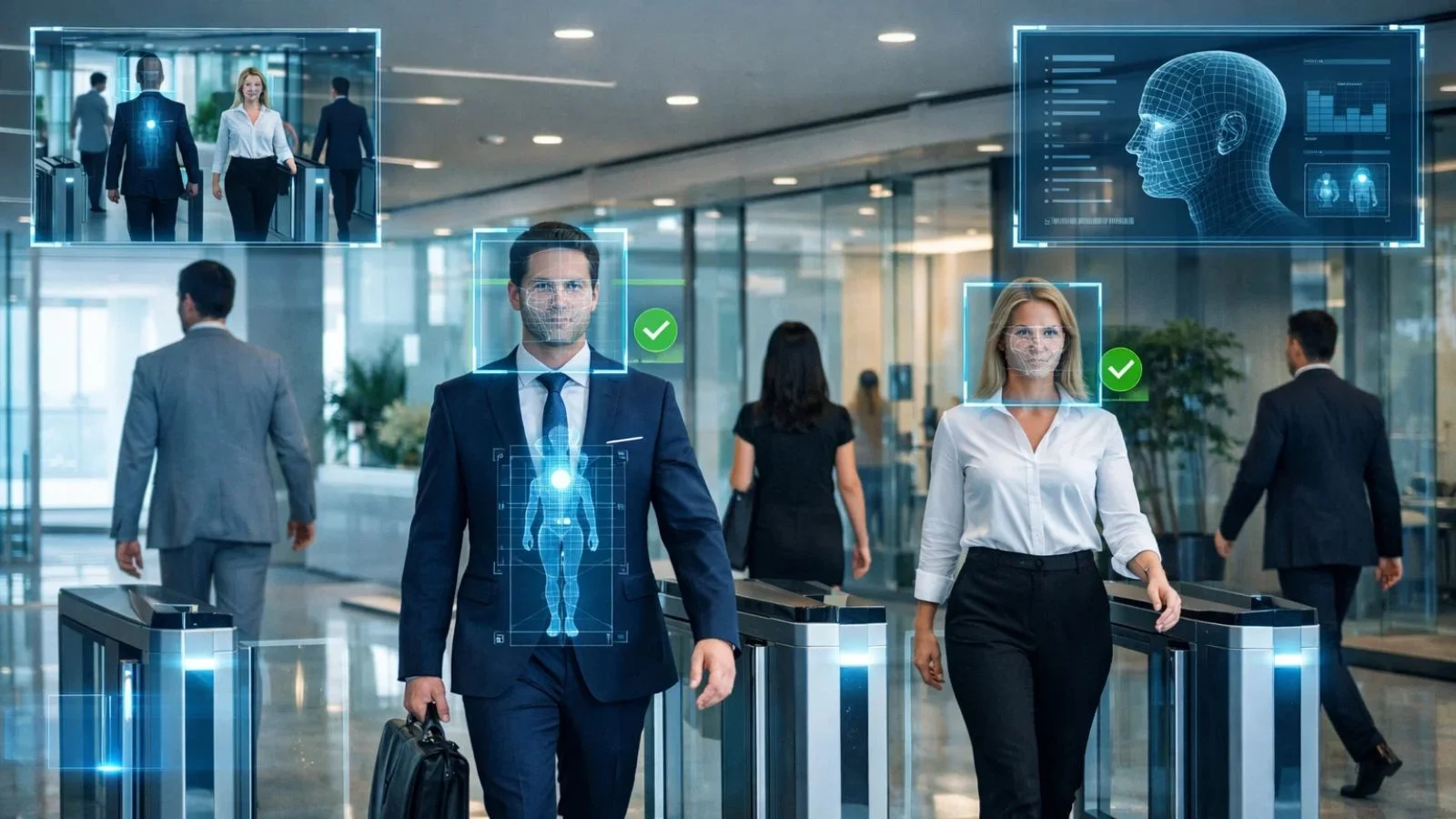
One of the biggest advantages of a video analytics solution is its versatility. It’s not limited to security it delivers value across multiple industries and business functions.
Retail
Retailers use real time video analytics to understand customer behavior, track foot traffic, and optimize store layouts. It also helps reduce shoplifting and improve overall store security.
Corporate Offices
In office environments, an AI video surveillance system ensures workplace safety, monitors access control, and helps maintain compliance with company policies.
Manufacturing
Factories rely on video analytics to detect safety violations, monitor production lines, and ensure operational efficiency. It can even help prevent accidents by identifying risky behavior.
Warehousing & Logistics
Tracking inventory movement, monitoring loading/unloading activities, and preventing theft are critical in logistics. Video analytics provides visibility and control over these operations.
Healthcare
Hospitals and clinics use video analytics to enhance patient safety, monitor restricted areas, and ensure compliance with safety protocols.
Across all these industries, the ability to analyze video in real time turns cameras into powerful business intelligence tools.
Features to Look for in an AI Video Surveillance System
Not all solutions are created equal. Choosing the right video analytics solution depends on the features it offers and how well they align with your business needs.
Here are the must-have features:
1. Real-Time Alerts
Instant notifications are critical. A system should immediately alert you about suspicious activity, unauthorized access, or safety violations.
2. Object and Facial Recognition
Advanced AI video surveillance systems can identify people, vehicles, and objects, enabling more precise monitoring and security.
3. Behavior Analysis
Look for systems that can detect unusual patterns such as loitering, crowd formation, or restricted area breaches.
4. Integration Capabilities
A good solution should integrate seamlessly with existing tools like access control systems, HR software, or security platforms.
5. Scalability
As your business grows, your system should scale with it, handling more cameras, more data, and more complex analytics without performance issues.
6. Easy Dashboard and Reporting
Insights should be easy to understand. A user-friendly dashboard helps teams quickly interpret data and take action.
Choosing a system with these features ensures you’re not just investing in surveillance but in long-term intelligence.
Challenges Without a Video Analytics Solution
Businesses that rely only on traditional surveillance systems often face more problems than they realize. While cameras may be recording continuously, the lack of intelligent analysis creates major gaps in security and efficiency.
1. Dependence on Manual Monitoring
Without a video analytics solution, organizations rely on human operators to watch multiple screens for extended periods. This is not only inefficient but also highly prone to error. Fatigue and distractions can easily lead to missed incidents.
2. Missed Critical Events
Important moments often go unnoticed in hours of recorded footage. Without real time video analytics, businesses usually discover issues after the damage has already been done—whether it’s theft, a safety violation, or unauthorized access.
3. Delayed Response Times
Traditional systems are reactive. By the time someone reviews footage and identifies a problem, it’s often too late to act effectively. This delay can result in financial losses and increased risk.
4. Inefficient Use of Resources
Monitoring teams, manual audits, and post-incident investigations consume time and manpower. An AI video surveillance system eliminates much of this inefficiency by automating detection and analysis.
5. Data Without Insights
Cameras generate massive amounts of video data, but without analytics, that data is largely unused. Businesses end up storing footage instead of leveraging it for actionable insights.
How VideoraIQ Enhances Video Analytics for Businesses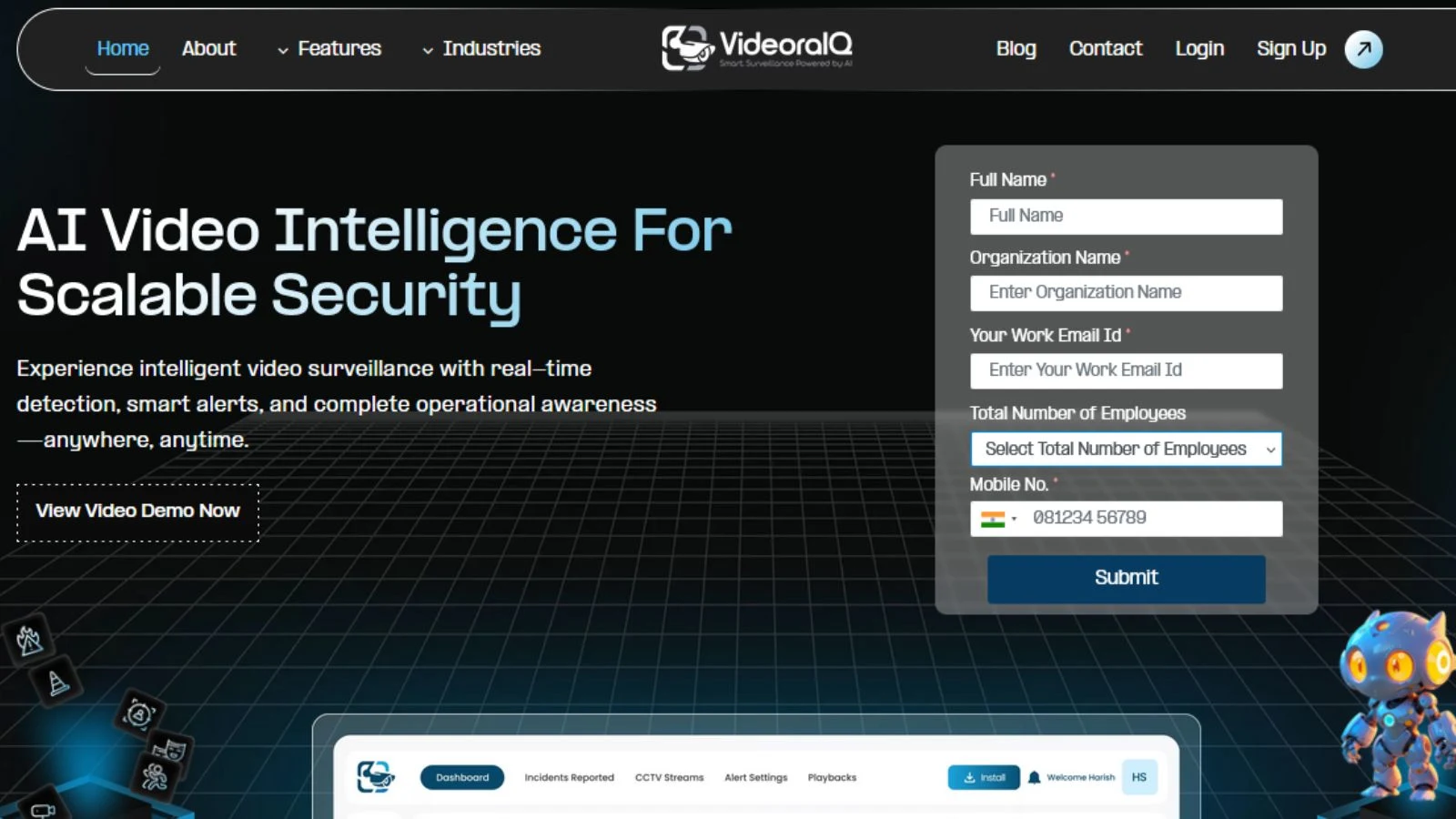
While many tools offer basic analytics, VideoraIQ takes a more advanced and business-focused approach to video intelligence.
Designed to go beyond traditional monitoring, it transforms video data into meaningful insights that directly impact operations, security, and decision-making.
What Makes VideoraIQ Stand Out?
1. Advanced Real-Time Intelligence
VideoraIQ uses powerful real time video analytics to instantly detect events, patterns, and anomalies. This ensures businesses can respond to issues as they happen, not after the fact.
2. Smart AI Detection
From identifying suspicious behavior to tracking movement patterns, its AI video surveillance system capabilities provide a deeper level of understanding compared to standard solutions.
3. Business-Focused Insights
Unlike basic surveillance tools, VideoraIQ focuses on delivering actionable insights. Whether it’s optimizing workflows, improving security, or enhancing customer experiences, it turns video into a strategic asset.
4. Seamless Integration
VideoraIQ can integrate with existing infrastructure, making it easy for businesses to upgrade without overhauling their entire system.
5. Scalable and Flexible
Whether you’re a small business or a large enterprise, VideoraIQ scales effortlessly, handling growing data and expanding operational needs.
By combining intelligent automation with practical business applications, VideoraIQ helps organizations unlock the full potential of their video data.
Also Read,
Real-Time Video Surveillance: Balancing Security And Privacy
Future Trends in AI Video Surveillance Systems
The evolution of the video analytics solution is far from over. As AI technology advances, businesses can expect even more powerful capabilities in the coming years.
1. Predictive Analytics
Future systems won’t just detect events; they’ll predict them. By analyzing historical data and patterns, AI will help businesses prevent incidents before they occur.
2. Increased Automation
From automated alerts to decision-making workflows, AI video surveillance systems will reduce the need for human intervention even further.
3. Integration with IoT and Smart Systems
Video analytics will increasingly connect with IoT devices, enabling smarter environments such as automated lighting, access control, and energy management.
4. Enhanced Accuracy and Context Awareness
AI models are becoming more sophisticated, reducing false alerts and improving the ability to understand complex scenarios.
5. Wider Adoption Across Industries
As costs decrease and accessibility improves, more businesses, regardless of size, will adopt real time video analytics as a standard tool.
The future is clear: video analytics will move from being a competitive advantage to a business necessity.
Conclusion
A video analytics solution is no longer just an upgrade to traditional surveillance, it’s a fundamental shift in how businesses use video data.
From enhancing security to improving operations and enabling smarter decisions, the benefits go far beyond monitoring. With the power of real time video analytics and AI-driven insights, businesses can respond faster, operate more efficiently, and stay ahead of potential risks.
As technology continues to evolve, companies that adopt intelligent video solutions today will be better positioned for the challenges of tomorrow. Those that don’t risk falling behind with outdated, reactive systems.
FAQs
1. What is a video analytics solution used for?
A video analytics solution is used to analyze video footage using AI to detect events, monitor activity, and generate actionable insights in real time.
2. How does real-time video analytics benefit businesses?
It allows businesses to identify and respond to incidents instantly, improving security, efficiency, and decision-making.
3. What industries benefit most from AI video surveillance systems?
Industries like retail, manufacturing, healthcare, logistics, and corporate offices benefit the most due to their need for security, monitoring, and operational insights.