

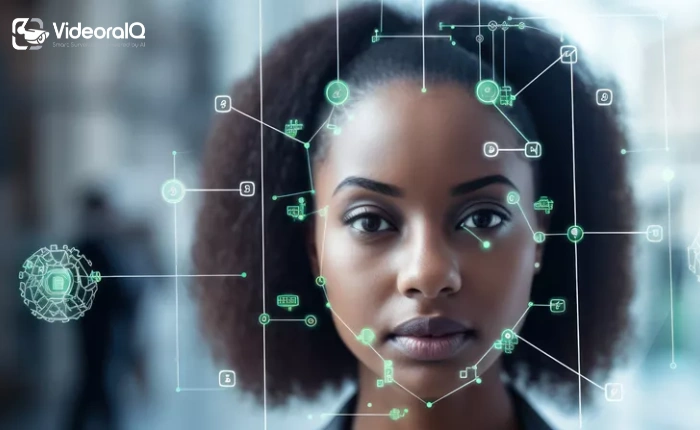
The world is moving toward faster, smarter, and more intelligent security systems, and facial recognition is at the center of this transformation. Businesses, governments, and even small organizations now depend on advanced identity-verification tools to protect their data, spaces, and people.
The growing accuracy, speed, and adaptability of facial recognition ai make it a critical technology for a future where security threats evolve daily. As digital adoption rises, so does the need for systems that can authenticate identities in real time without slowing operations or compromising safety.
In a hurry? Listen to the blog instead!
What Is The Core Strength Of Facial Recognition AI?
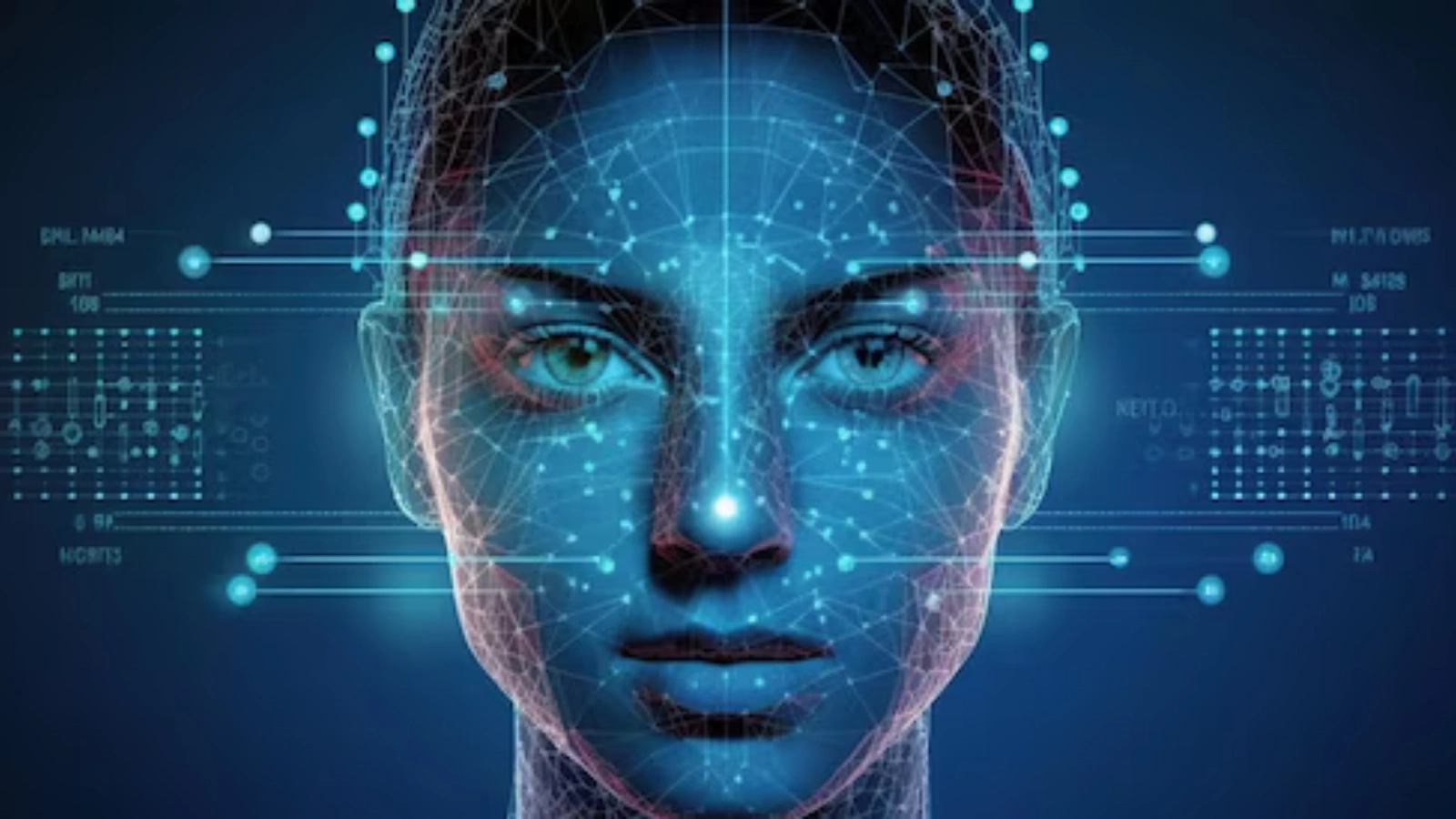
At its foundation, facial recognition AI uses powerful machine-learning models to detect, analyze, and compare human faces across various platforms. It maps facial attributes, eye distance, jaw curves, and cheekbone patterns into unique digital signatures.
This shift from traditional face-matching to AI-powered analysis transformed the industry. Earlier systems struggled with lighting changes, angles, or expressions.
But with this technology, these limitations have been significantly reduced, making verification faster and far more reliable
How Facial Recognition AI Works Behind The Scenes?
Facial recognition AI operates through quick, intelligent steps that convert facial features into digital data for accurate identification. Here’s a simple breakdown of how it works:
- The system scans an image and identifies key facial features like jawline shape, eye distance, cheekbone height, and nose structure.
- These features are converted into a unique mathematical pattern known as a facial signature.
- Facial recognition AI then compares this signature with thousands, or even millions, of stored faceprints.
- The matching process takes place in under a second, powered by advanced machine-learning algorithms.
- This speed and precision make facial recognition ideal for applications requiring real-time, highly accurate authentication.
Why Are Industries Rapidly Adopting Facial Recognition AI?
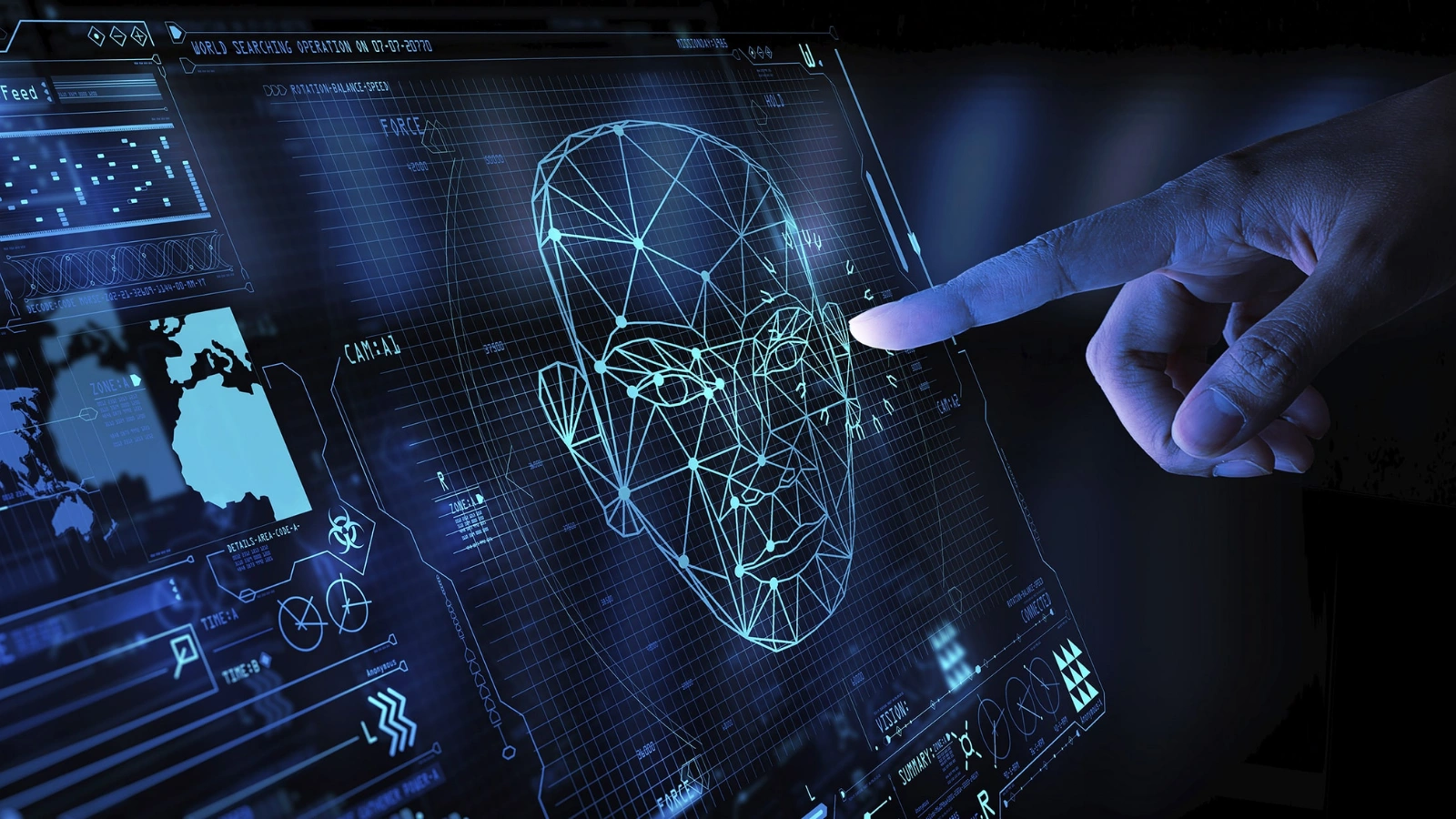
Multiple industries are now integrating facial recognition to reduce fraud, automate verification, and strengthen internal processes. Banks use it for digital KYC, airports for passenger validation, retail stores for loss prevention, and corporate offices for secure entry.
The rise of AI face recognition shows how deeply AI-supported identification has blended into everyday life. And as digital ecosystems expand, this technology continues to make real-time monitoring more dependable.
As organizations face increasing security threats and growing user expectations, the demand for fast and frictionless identification is rising. AI-powered face recognition helps meet this need by removing the dependence on physical IDs, cutting down waiting times, and delivering high accuracy even in large-scale environments.
This combination of speed, security, and convenience makes it a preferred choice across modern industries.
The Role Of Facial Recognition AI In Cybersecurity
Cybersecurity has become one of the most critical applications of facial recognition AI. Passwords can be leaked, stolen, or shared, but biometric data is significantly harder to forge.
Organizations now use AI verification to protect logins, secure devices, and prevent unauthorized access. The need for stronger digital protection is why this technology is considered a cornerstone of future cybersecurity models.
Here is where practical solutions matter. By integrating AI in facial recognition security, businesses can ensure that surveillance systems not only detect threats but respond proactively. Many organizations turn toward intelligent platforms for reliable real-time monitoring.
This is where a solution like VideoraIQ naturally fits. It enhances traditional surveillance by combining AI-driven facial detection with intelligent analytics, helping monitor threats instantly rather than reactively.
What Advantages Make Facial Recognition AI So Widely Popular?
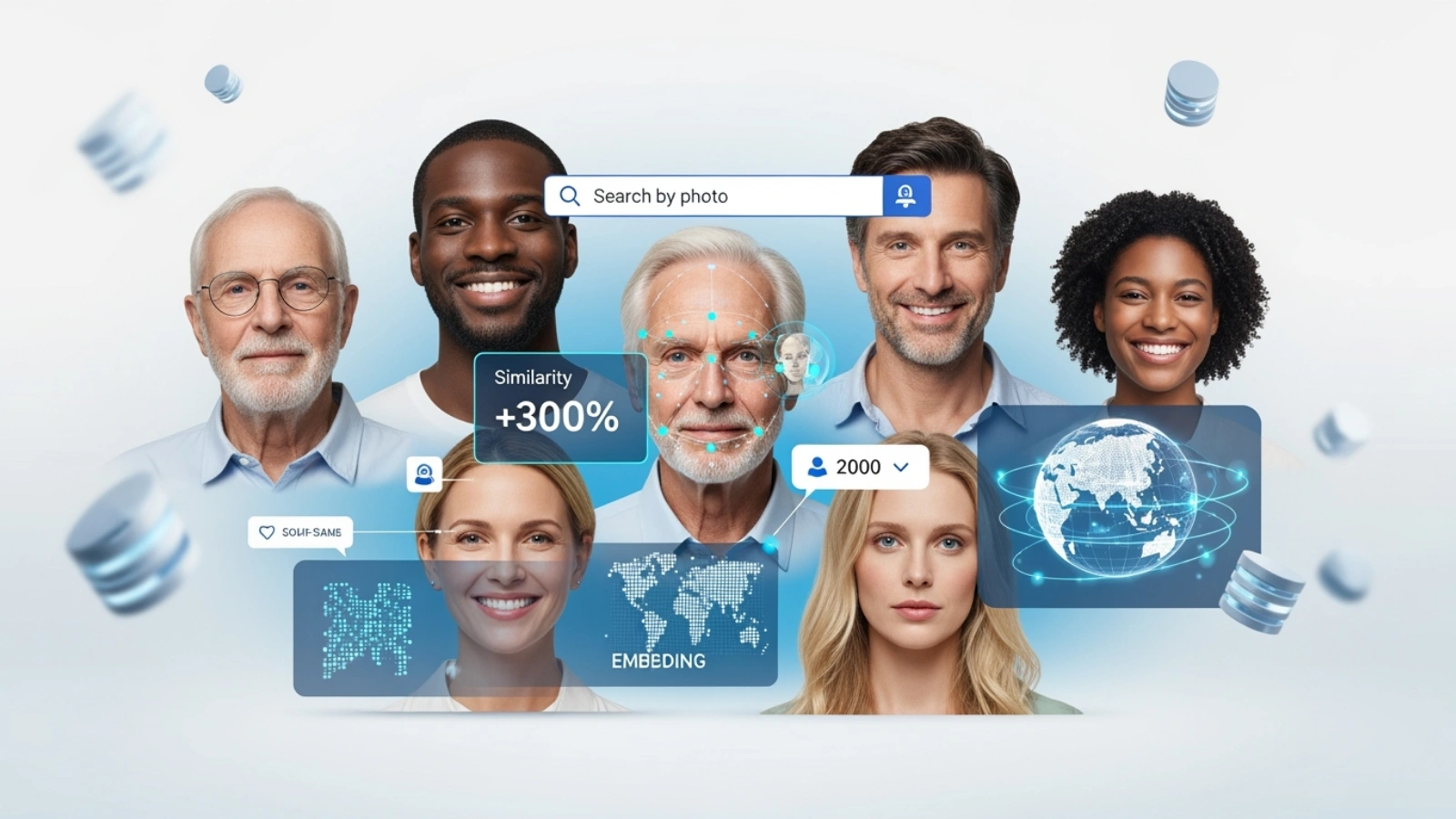
This technology is becoming a preferred choice across industries because it offers a combination of speed, intelligence, and user-friendly functionality. Here’s why organizations rely on it:
Speed:
Modern systems perform identity checks in milliseconds, allowing businesses to process more users with minimal waiting time.
Accuracy:
AI-driven algorithms can detect subtle facial variations, like micro-expressions, lighting differences, and angle changes, ensuring highly reliable verification.
Scalability:
Whether it’s hundreds or millions of comparisons, the system can handle large volumes of face data effortlessly without slowing down performance.
Automation:
It eliminates repetitive manual verification tasks, reducing operational workload and enabling teams to focus on high-value activities.
Convenience:
Users can authenticate themselves instantly without needing passwords, PINs, OTPs, or physical ID cards, making the experience smooth and contactless.
The value of AI facial recognition continues to grow as businesses increasingly seek secure, fast, and seamless identification solutions that work at scale.
Ethical Considerations Of Using Facial Recognition AI
Any powerful technology must be used with responsibility and accountability. With this technology, several ethical concerns come into focus, making it essential for organizations to adopt strict guidelines and transparent practices.
Key Ethical Concerns
Privacy Risks:
Storing and analyzing facial data can expose individuals to unauthorized tracking or data misuse if proper protections are not in place.
Lack of Informed Consent:
Many users may not know when or where their facial data is being captured, raising concerns about transparency and fairness.
Algorithmic Bias:
AI systems may perform unevenly across different skin tones, genders, or age groups if trained on unbalanced datasets, leading to inaccurate or discriminatory outcomes.
Data Security & Storage:
Facial data is highly sensitive. If databases are not secured properly, any breach can lead to long-term identity risks.
Surveillance Misuse:
The technology can be exploited for excessive monitoring or tracking, affecting personal freedom and ethical boundaries.
To address these issues, companies and developers must prioritize strong compliance standards, transparent data practices, secure storage systems, and unbiased model training. Only then can facial recognition be used in a responsible and trustworthy manner.
What Challenges Are Limiting The Full Potential Of Facial Recognition AI?
Despite significant progress, several hurdles continue to restrict the universal adoption of facial recognition ai:
- Data Privacy: People remain concerned about where their facial data is stored and how long it is retained.
- Regulatory Differences: Varying rules across countries slow down global standardization and implementation.
- System Bias: Early systems sometimes struggled with accuracy across different ethnicities and age groups. While modern AI models have reduced this gap, it hasn’t been completely eliminated.
- Cyber Threats: Advanced systems are prime targets for cyberattacks, making continuous security updates essential.
Additionally, challenges remain in implementing AI facial recognition search effectively. While the technology enables powerful image-based searches, ensuring accurate matches across large databases without errors or privacy breaches requires robust infrastructure and careful algorithm design.
How Can VideoraIQ Enhance Security Using Facial Recognition AI?
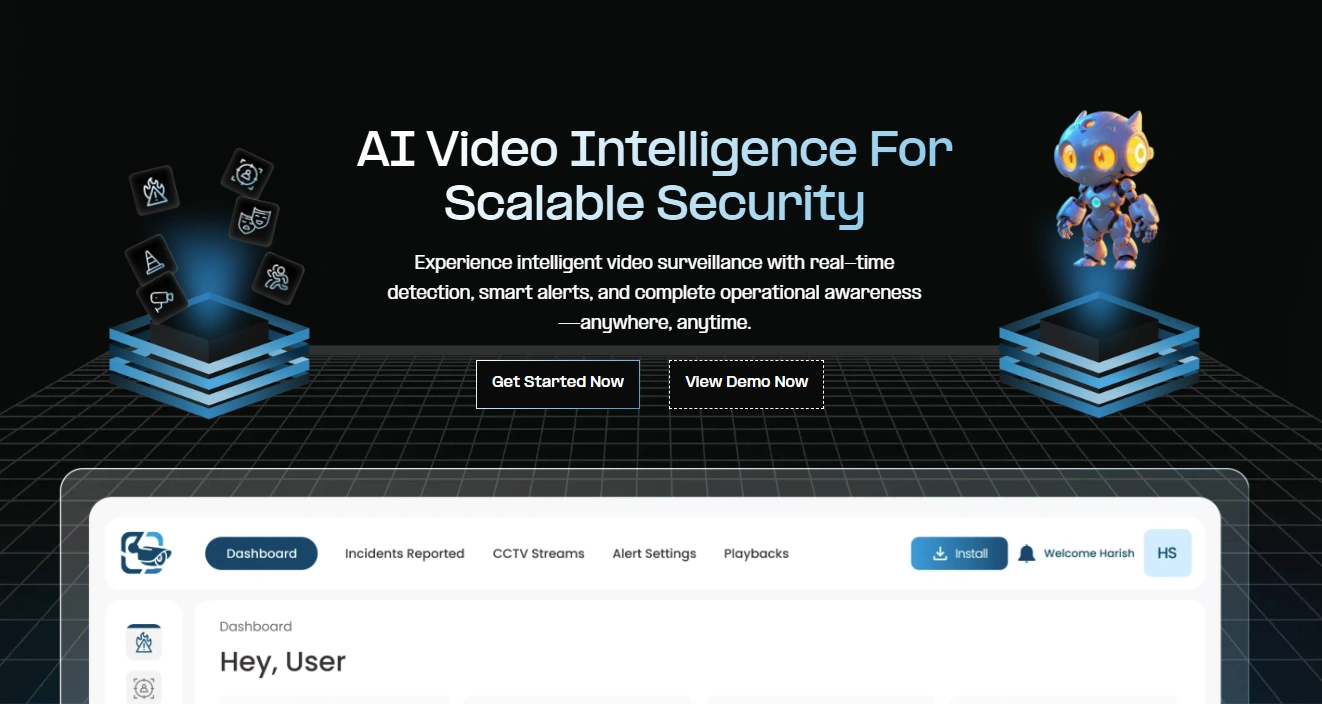
As facial recognition technology becomes more advanced, organizations seek systems that provide not just visibility, but intelligent awareness. VideoraIQ stands out as a powerful AI-based surveillance platform designed to enhance traditional CCTV with real-time decision-making.
VideoraIQ integrates cloud-powered analytics, facial recognition AI, and smart security tools to minimize human error and strengthen proactive threat detection. It transforms normal surveillance cameras into active, intelligent monitors that detect patterns, recognize individuals, and respond immediately to unusual activity.
Key Features of VideoraIQ
VideoraIQ offers a wide range of advanced capabilities, including:
- Face Recognition: Quickly and accurately verifies identities for access control, visitor management, and employee authentication. Ideal for reducing fraud and preventing unauthorized entry.
- Intrusion Detection: Detects unauthorized entry into restricted areas in real time, sending instant alerts to security teams for rapid response.
- Object Detection: Identifies unusual or suspicious objects left unattended, enhancing safety in public spaces and high-traffic areas.
- Fire & Smoke Alerts: Monitors for early signs of fire, smoke, or hazards to prevent disasters and ensure timely emergency action.
- Unauthorized Access Alerts: Provides instant notifications whenever someone attempts to access restricted zones without permission, improving workplace and facility security.
- Unattended Baggage Detection: Flags items left behind in sensitive areas, reducing potential security threats and improving public safety.
- Line Cross Detection: Tracks movement across designated boundaries or restricted lines, helping monitor crowd flow, perimeters, and sensitive zones.
- Cashier/Staff Absence Detection: Monitors staff presence in key positions, ensuring operational efficiency and reducing internal risks.
- Real-Time Alerts & Analytics: Combines AI intelligence with proactive notifications, helping security teams make faster, smarter decisions.
These features combine to create a security ecosystem that is proactive rather than reactive, reducing risk, strengthening monitoring, and improving situational awareness in real time.
Challenges VideoraIQ Helps Organizations Overcome
Many institutions rely on traditional CCTV, which only records events and rarely assists in real-time prevention. VideoraIQ solves this problem by empowering systems to think, detect, and respond instantly.
It becomes a critical solution for any environment requiring stronger surveillance, corporate offices, manufacturing units, retail stores, educational institutions, transport hubs, and public spaces.
The Future Powered by VideoraIQ
The future of surveillance will focus on prediction rather than reaction. VideoraIQ is already moving in this direction by continuously integrating intelligent analytics, edge AI, and smarter automation, ensuring organizations remain one step ahead of evolving threats.
Conclusion
The world is shifting toward intelligent defenses, and facial recognition ai plays a major role in enabling safer, faster, and more trustworthy identity verification. As industries embrace AI-powered systems, combining facial recognition with intelligent platforms like VideoraIQ will define the next era of modern security.
For organizations looking to elevate their protection, VideoraIQ offers the perfect blend of smart detection, reliability, and real-time intelligence.
FAQs
1. How accurate is facial recognition AI in different lighting conditions?
Modern face recognition technology uses advanced algorithms to adjust for lighting, angles, and facial expressions. While no system is perfect, most AI-driven solutions maintain high accuracy even under varying light conditions, making them reliable for both indoor and outdoor use.
2. Can facial recognition AI work on mobile devices and apps?
Yes. Many smartphones, tablets, and apps now integrate AI-based face verification for authentication, unlocking devices, and authorizing payments. AI optimization ensures fast, secure, and convenient verification without compromising privacy.
3. How does AI reduce bias in facial recognition systems?
AI models are trained on diverse datasets to minimize errors across different ethnicities, ages, and genders. Continuous updates and careful testing ensure face recognition technology performs accurately for all users, reducing the risk of misidentification.
4. Can facial recognition AI be combined with other security systems?
Absolutely. Face recognition technology can integrate with CCTV, access control, alarm systems, and intelligent surveillance platforms like VideoraIQ. This creates a proactive security network capable of real-time alerts, automated responses, and comprehensive monitoring.
5. Is facial recognition AI legal for business use?
The legality of face recognition technology varies by country and region. Businesses should comply with local data privacy laws, obtain user consent, and implement secure data storage practices to ensure responsible and lawful usage.