

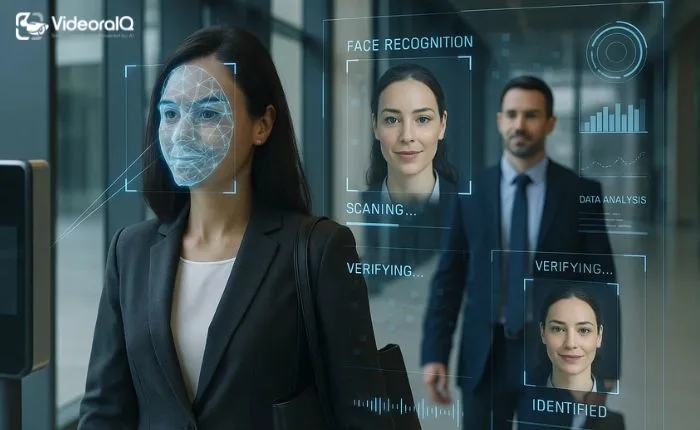
AI face recognition has become essential as security grows into one of the biggest priorities for modern companies, especially as workplaces become more digital, distributed, and fast-paced. Traditional tools like ID cards, passwords, and manual checks are no longer enough to deal with today’s risks. That’s why many organisations are now turning toward AI face recognition to strengthen their security processes. It offers a faster, more accurate, and more reliable way to identify people the moment they enter a space.
From offices and factories to hospitals and warehouses, more businesses are discovering that automated identity verification helps protect both people and assets. As threats evolve, companies need smarter solutions—and face recognition powered by artificial intelligence is emerging as one of the most effective.
What Is AI Face Recognition?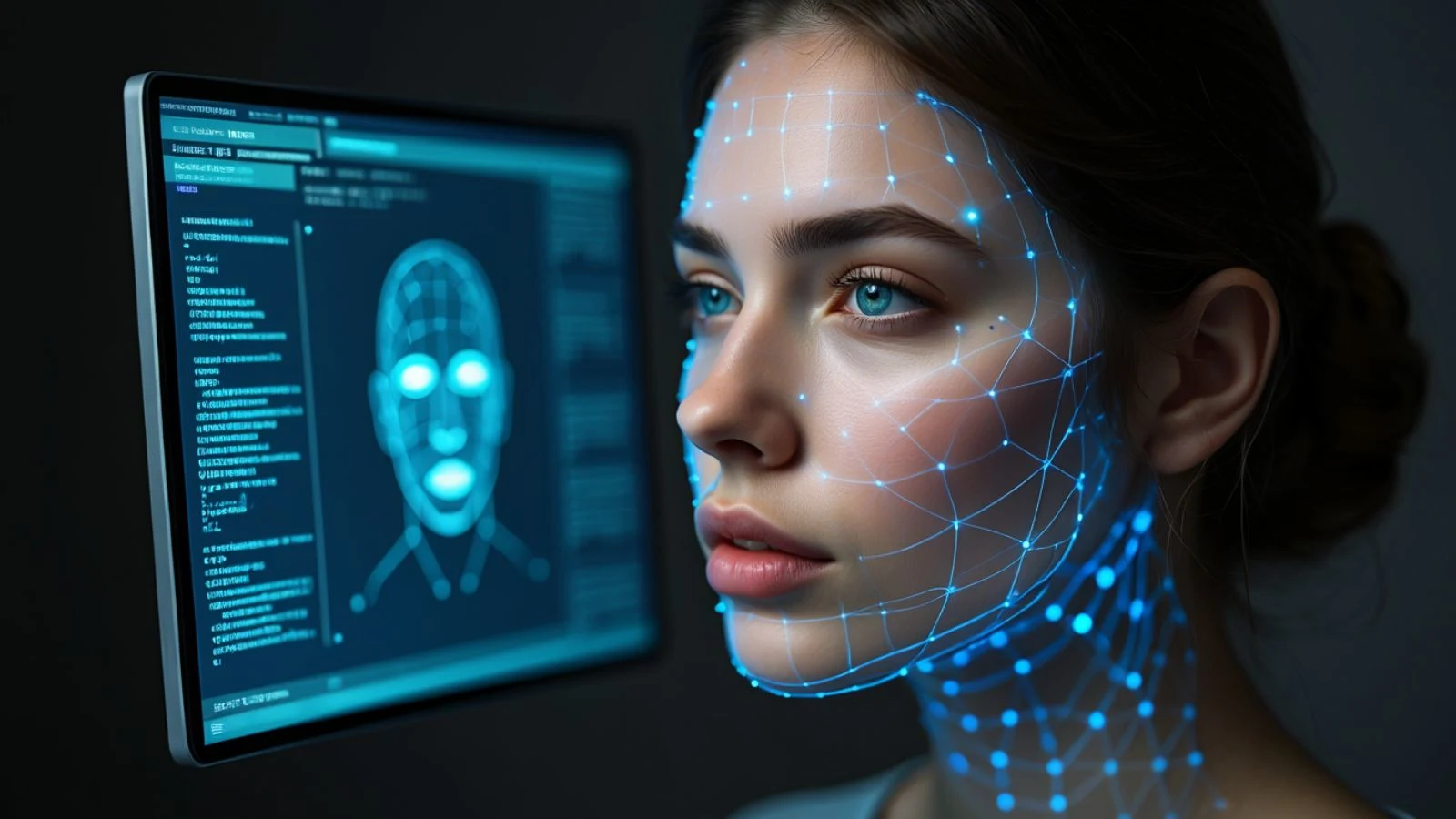
AI face recognition is a technology that identifies or verifies a person’s identity by analyzing unique facial features. Instead of relying on swipe cards, PINs, or manual checks, the system scans a face, compares it with stored data, and instantly confirms who the person is. It’s fast, highly accurate, and works without any physical contact—something modern workplaces value for both convenience and hygiene.
Many people are familiar with mobile phone unlocking, which is one basic application of ai facial recognition. But in the business world, it goes far beyond that. Companies use facial recognition ai to control entry to buildings, secure restricted zones, streamline attendance, and enhance overall surveillance.
At its core, the technology uses algorithms trained on large sets of facial images. The system learns to detect patterns—like the distance between the eyes, jawline contours, and other facial landmarks. These features are converted into a digital “faceprint,” which helps the system recognize individuals with impressive accuracy.
As businesses continue to deal with rising security challenges, technologies like artificial intelligence face recognition are becoming essential instead of optional. They offer faster operations, stronger protection, and a more modern approach to identity verification.
How AI Face Recognition Works?
To understand the real value of AI face recognition, it helps to know how the technology actually works behind the scenes. While it seems simple on the surface—look at a camera and get verified—the process involves multiple advanced steps powered by artificial intelligence. Here’s a clear breakdown:
1. Image Capture
The system begins by capturing an image or video frame of a person’s face through a standard or high-resolution camera. This could be a CCTV camera, an access control device, or any connected camera in the building.
2. Face Detection
Once the image is captured, the software detects the presence of a face. It identifies key facial regions, ensuring the face is properly framed and ready for analysis.
This is also where technologies like facial recognition ai help filter out background noise and focus only on the human face.
3. Feature Extraction
Next, the AI analyzes unique facial features such as:
- Eye spacing
- Nose shape
- Cheekbone structure
- Jawline curves
- Contours and skin texture
These patterns are then converted into a mathematical representation known as a “faceprint.” This step is where artificial intelligence face recognition truly shines, as it learns to identify billions of tiny details humans may never consciously notice.
4. Matching and Verification
The system then compares the extracted faceprint with the database of enrolled individuals. If the match is found, access is granted; if not, the system raises an alert.
5. Real-Time Decision Making
The entire process—from capturing the face to confirming someone’s identity—happens in less than a second. With machine learning improvements, these decisions are becoming even faster and more accurate.
In short, the combination of computer vision, deep learning, and continuous training makes ai-driven identification one of the strongest tools for modern security.
Why Companies Are Rapidly Adopting AI Face Recognition?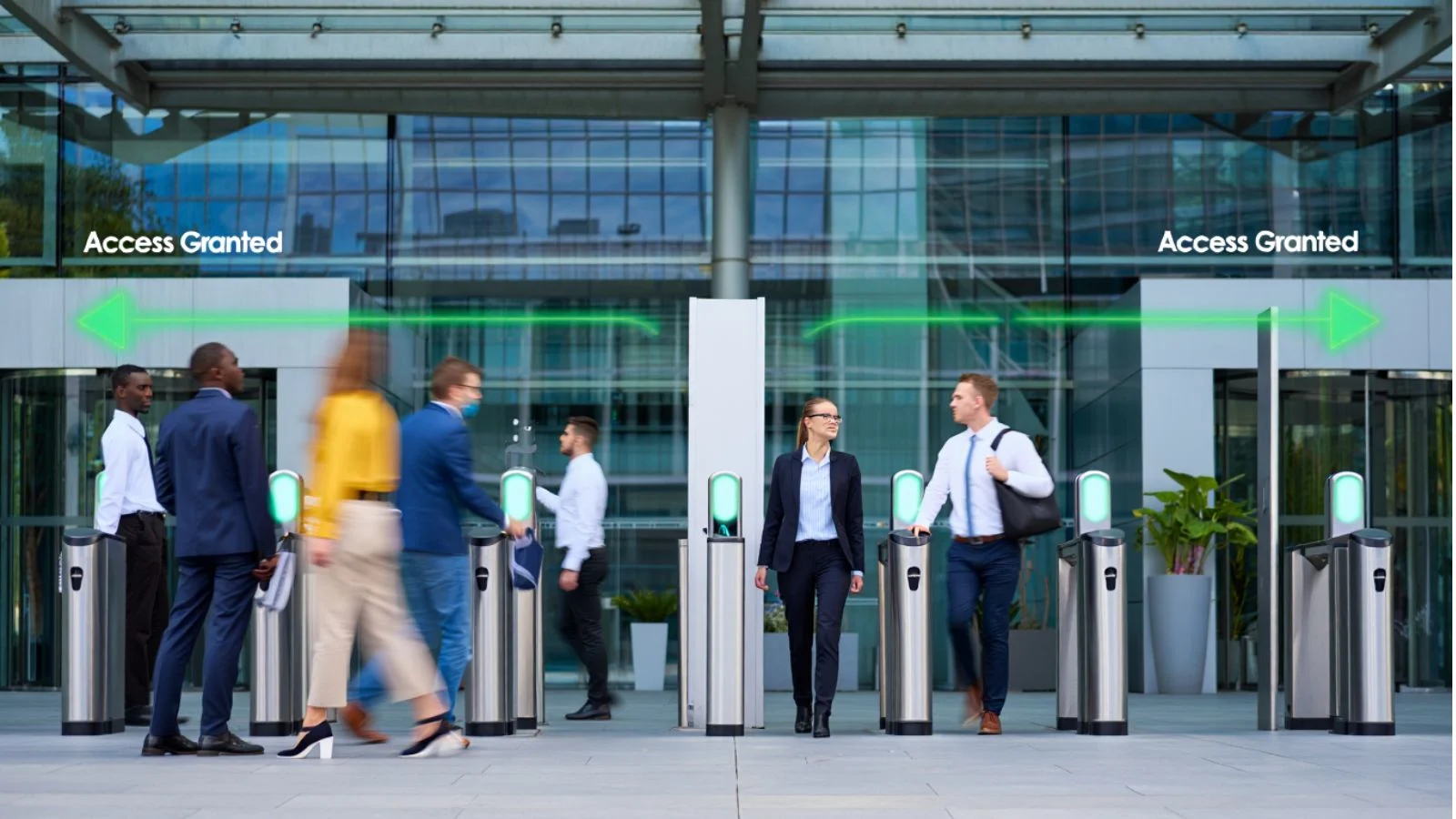
In recent years, businesses across industries have started integrating AI face recognition into their security and operational systems—and the shift is happening fast. The reason is simple: this technology offers a powerful combination of accuracy, speed, and reliability that traditional methods cannot match.
One major advantage is the elimination of physical IDs and access cards. These can be misplaced, stolen, or misused, creating vulnerabilities in a company’s security framework. With face-based authentication, identity verification becomes automatic and tamper-proof. No employee has to worry about forgetting a card or sharing PIN codes.
Companies also appreciate the speed of facial authentication. It drastically reduces waiting time at entry points, allowing employees and visitors to move smoothly through gates. This not only saves time but also prevents crowding in high-traffic areas.
Another reason for rapid adoption is the substantial reduction in human error. Security staff may overlook someone during busy hours or rely on subjective judgment. An automated facial recognition system works consistently, scans every face, and issues instant alerts when needed.
Additionally, organizations that focus on digital transformation see this technology as a natural next step. It fits well with modern smart-office setups, automated workflows, and AI-driven monitoring systems. As operational risks grow and compliance demands increase, face recognition powered by AI offers a dependable and future-ready solution.
Also Read,
Best AI Facial Recognition Use Cases
Key Security Benefits for Businesses
Security teams today deal with complex threats, and many companies are realizing that ai face recognition gives them an extra layer of protection that traditional tools simply cannot offer. Beyond just verifying identities, it actively strengthens a business’s entire security framework. Here are the most important advantages:
Eliminates Unauthorized Access
One of the biggest risks in workplaces is unauthorized individuals entering restricted zones. Cards and keys can be shared, copied, or stolen. But a face can’t be misplaced.
Using AI facial recognition, companies can automatically confirm identities the moment someone approaches an access point. If a person isn’t registered, the system instantly blocks entry or alerts security staff.
Enhances Workplace Safety
Dangerous or sensitive areas—like server rooms, labs, manufacturing floors, or finance departments—need strong protection.
A facial recognition system ensures that only approved personnel can enter. It tracks who entered, at what time, and for how long, giving companies clear visibility into activity inside high-risk zones.
Strengthens Compliance & Audit Processes
Industries with strict regulations benefit greatly from AI-driven access logs.
Automatic entry records mean companies don’t have to depend on manual registers.
Every movement is timestamped and stored securely, making audits faster and more accurate.
Detects Suspicious or Unusual Activity
When combined with surveillance cameras, facial recognition ai becomes even more powerful.
The system can detect unknown individuals wandering into restricted zones, employees entering at unusual hours, or any behavior that looks out of place. Real-time alerts help security teams act before an incident escalates.
Reduces Human Error and Enhances Reliability
Guards may miss things, get fatigued, or rely on memory.
AI systems don’t.
They analyze every frame, match every face, and operate continuously—ensuring a level of consistency that manual checks cannot achieve.
Operational Efficiency Boost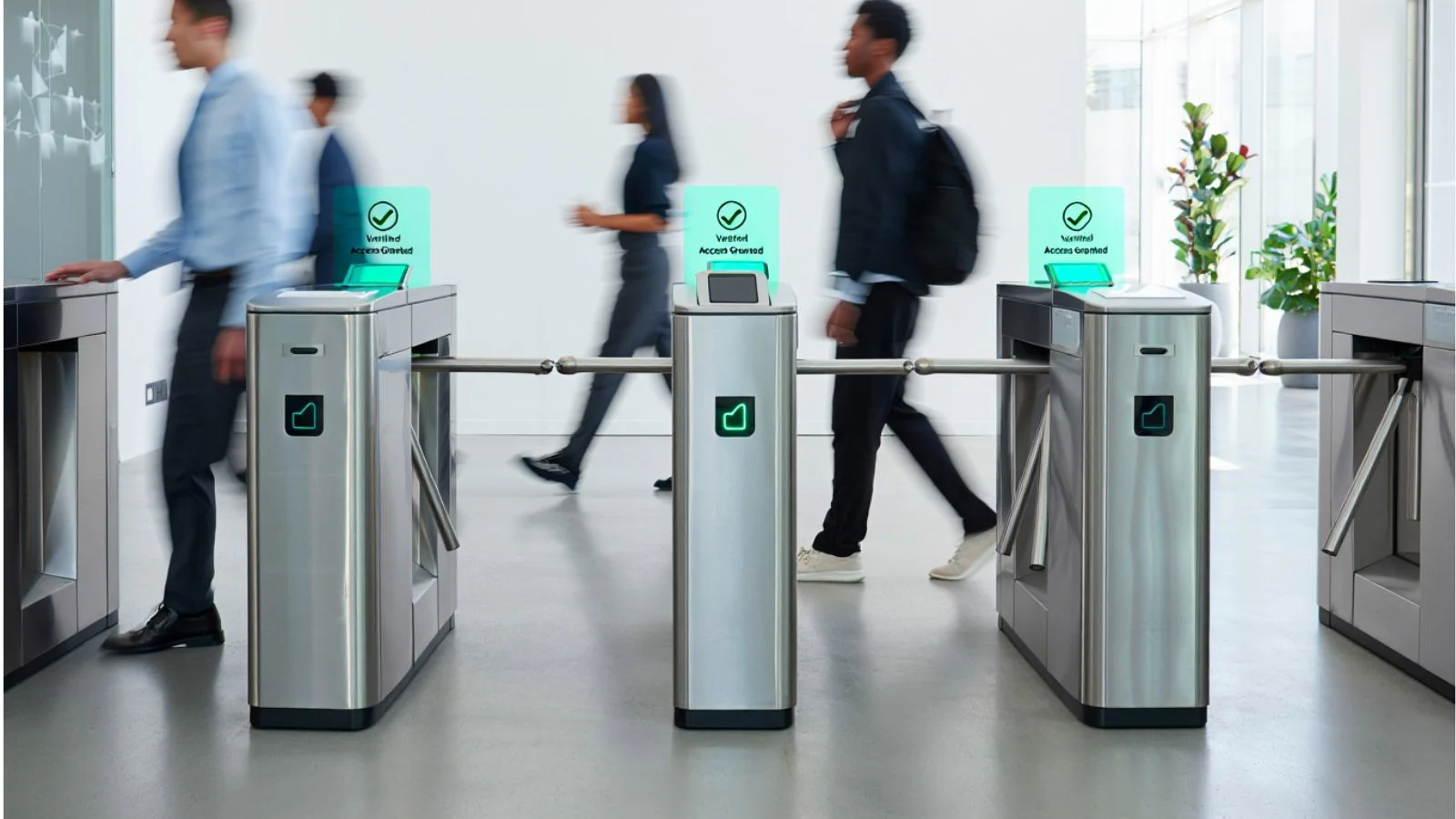
For many organizations, AI face recognition is not just about security — it also improves day-to-day operations. Touchless entry speeds up employee check-ins, reduces queues, and cuts down repetitive manual work. Visitors can be verified in seconds, and automated logs make attendance tracking far more accurate. This saves time for HR and security teams while keeping workplace movement smooth and organized.
Use Cases Across Industries
From offices and hospitals to warehouses and retail stores, multiple industries now rely on AI facial recognition for smarter monitoring and access control. Manufacturing units protect high-risk zones, banks secure confidential areas, and logistics hubs reduce theft by tracking movement with precision. The technology adapts well to almost any environment that needs controlled access.
Challenges and Ethical Considerations
Even though AI face recognition delivers major security benefits, responsible deployment is essential. Companies must handle data with transparency, use strong encryption, and comply with privacy regulations. Accuracy and fairness also matter — the system should be tested properly to avoid bias and ensure consistent results across all user groups.
VideoraIQ: A Smarter Way to Use AI Face Recognition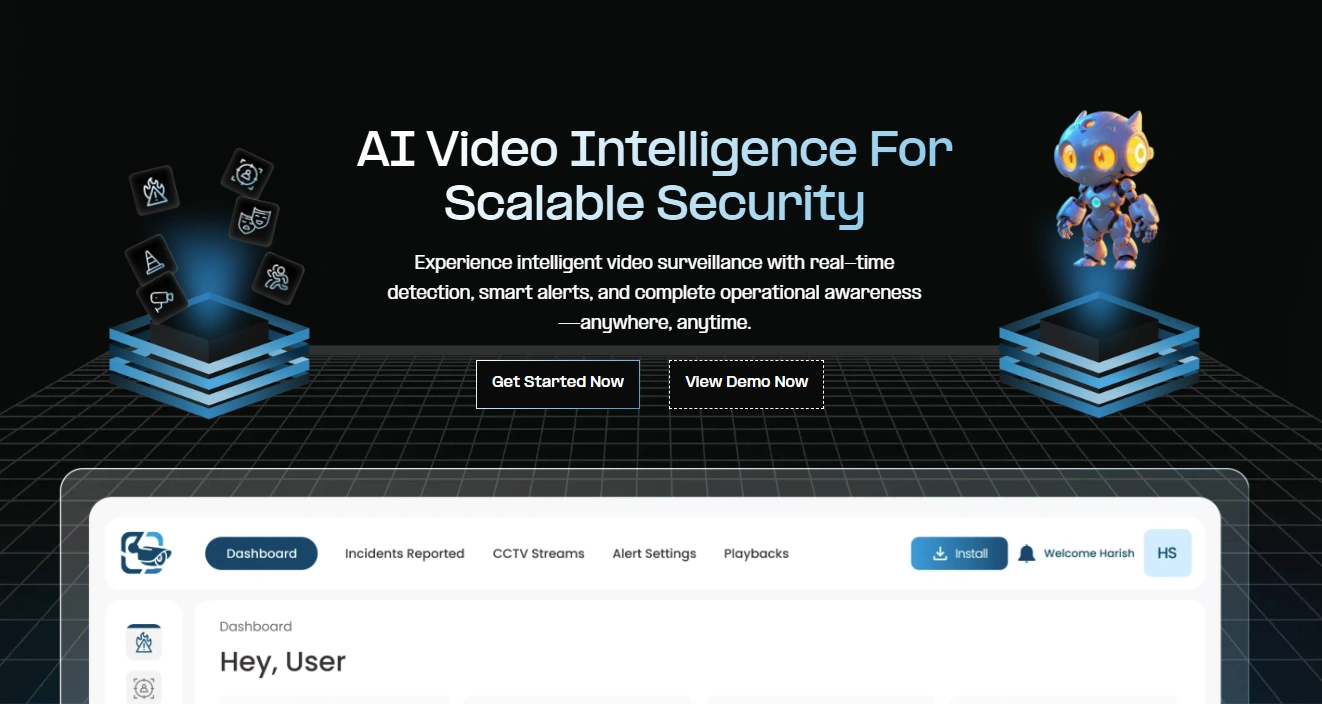
If businesses want to use AI face recognition more effectively, a strong video analytics platform makes all the difference. This is where VideoraIQ stands out. It offers intelligent monitoring, automated alerts, advanced reporting, and smooth integration with modern CCTV video surveillance systems. Companies get sharper visibility, reduced manual work, and real-time insights that improve overall security efficiency.
Key Features of VideoraIQ
- Advanced Face Recognition: Detects faces with high accuracy, even with masks, glasses, or crowds. Sends instant alerts for unknown or flagged individuals and logs snapshots with time and location.
- Intrusion Detection: Creates virtual zones and triggers alerts when someone enters restricted areas. AI reduces false alarms by distinguishing staff from unauthorized movement.
- Object & Baggage Detection: Identifies suspicious or unattended objects, tracks movement, and provides visual logs for quick investigation.
- Fire & Smoke Detection: Uses AI to detect early signs of fire or smoke through CCTV, offering faster response than traditional sensors.
- Extra Intelligence: Includes number-plate recognition, line-cross detection, and staff-absence alerts.
- Unified Dashboard: All alerts, events, and analytics from multiple locations appear in one centralized, cloud-based dashboard.
Overall, VideoraIQ helps businesses strengthen security, automate monitoring, and respond to incidents faster with intelligent, real-time video analytics.
How to Implement AI Face Recognition in Your Company
Deploying the technology is a simple step-by-step process:
- Define your security requirements
- Choose compatible hardware
- Integrate software with tools like VideoraIQ
- Train your staff to use dashboards and alerts
- Test access points before full rollout
With the right setup, companies can strengthen security without disrupting workflow.
Conclusion
In a world where threats evolve rapidly, AI face recognition gives companies a reliable and modern way to secure their people and assets. It prevents unauthorized access, improves workplace efficiency, and supports real-time decision-making. With tools like VideoraIQ enhancing monitoring and reporting, businesses gain a powerful and future-ready security layer that works around the clock.
FAQs
1. Is AI face recognition difficult for employees to use?
Not at all. Most systems work automatically the moment someone walks in front of a camera. Employees don’t need to press buttons, scan cards, or remember passwords.
2. Can face recognition work in low-light or nighttime conditions?
Yes. Modern systems use infrared and advanced imaging, allowing accurate detection even in dim environments or during night shifts.
3. How secure is the stored facial data?
Facial data is usually converted into encrypted “faceprints,” not stored as raw images. This makes it extremely difficult for anyone to misuse or reverse-engineer the data.