

In a world where digital systems, smart devices, and connected workplaces dominate everyday life, unauthorized access has become one of the most serious challenges for organizations of every size. From small businesses to global enterprises, protecting sensitive information and physical assets is no longer optional. It is a core requirement for trust, safety, and long-term growth.
This blog explores what security breaches truly mean, why they pose such a significant risk today, how they affect businesses and individuals, and what modern strategies can help prevent them. By the end, you will have a clear understanding of how proactive security measures can reduce vulnerabilities and strengthen overall protection.
In a hurry? Listen to the blog instead!
What Is Unauthorized Access?
It refers to any attempt to enter a system, network, device, or physical location without proper permission. This can involve digital breaches, such as hacking into a database, or physical intrusions, like entering restricted areas without approval.
Unlike accidental errors, these incidents are often deliberate. Attackers may seek financial gain, sensitive data, or control over systems. In some cases, internal users may misuse access privileges, making security breaches an internal risk as well as an external one.
Why Is Unauthorized Access A Growing Concern?
Technology has made operations faster and more efficient, but it has also expanded the attack surface. Cloud platforms, remote work setups, and IoT devices have introduced new entry points. As a result, unauthorized access has become more frequent and more complex to detect.
Key reasons include:
- Multiple entry points: Cloud services, mobile devices, and connected IoT systems create more vulnerabilities.
- Evolving cyber threats: Cybercriminals constantly update their techniques to bypass traditional security measures.
- Weak authentication practices: Simple passwords, lack of multi-factor authentication, and outdated access policies make breaches easier.
- Potential impact: Even a single successful breach can compromise thousands of records, disrupt operations, and damage reputation.
Simple passwords, outdated software, and poor access control policies can expose organizations to serious threats. Awareness and proactive monitoring are essential to minimize risks.
Also Read:
How To Use Advanced Tailgating Detection For Secure Access Control?
Common Types Of Unauthorized Access
Understanding the different forms of unauthorized access helps in building effective defense strategies.
Digital System Intrusion:
This involves gaining entry into networks, databases, or applications without approval. Weak passwords, phishing emails, and unpatched software often enable this type of breach.
Physical Facility Breach:
Restricted offices, server rooms, or warehouses may be entered without approval. Tailgating, stolen badges, or lack of surveillance can lead to security breaches in physical environments.
Insider Misuse:
Employees or contractors may exceed their permitted access levels. Even trusted users can cause security incidents when controls are unclear or poorly enforced.
The Real-World Impact On Businesses
The consequences of security breaches extend far beyond temporary inconvenience. Businesses often face financial losses, legal penalties, and long-term reputational damage.
A data breach caused by unauthorized access can result in customer distrust. Regulatory fines may follow if compliance standards are violated. In operational settings, production delays and service disruptions can affect revenue and client relationships.
Small businesses are especially vulnerable. Many lack advanced security infrastructure, making breaches easier and recovery more difficult.
Moreover, the psychological impact on employees and management should not be underestimated. Knowing that sensitive information or critical systems have been compromised can reduce trust, lower morale, and increase stress levels. Over time, this can lead to decreased productivity, higher turnover rates, and a more cautious organizational culture, further affecting overall business performance.
The Role Of Technology In Prevention
Modern security solutions rely heavily on intelligent monitoring, automation, and advanced threat detection systems. These tools reduce human error and respond faster to threats.
Real-Time Monitoring Systems:
Continuous monitoring helps detect unusual behavior before damage occurs. Advanced tools support unauthorized access detection by analyzing patterns and flagging anomalies in real time.
Smart Surveillance and Analytics:
Video surveillance integrated with AI can identify suspicious movement. An object detector enhances visual security by recognizing unauthorized presence in restricted zones without manual oversight.
Intelligent Video Security with VideoraIQ:
As threats grow more complex, organizations need surveillance systems that do more than record footage. Platforms like VideoraIQ address this gap by transforming traditional CCTV into an intelligent, proactive security layer.
VideoraIQ is a cloud-based, AI-powered video intelligence platform that actively analyzes live video feeds to identify risks, suspicious behavior, and policy violations. Instead of relying solely on manual monitoring, the platform helps security teams respond faster and reduce the chances of critical incidents escalating unnoticed.
Also Read:
Why Is Real Time Threat Detection Revolutionizing Security?
Why Are Alerts And Notifications Crucial For Security?
Speed matters when dealing with security incidents. The faster an organization responds, the lower the potential damage.
Key reasons alerts and notifications are essential include:
Immediate warnings:
An effective unauthorized access alert system ensures that security teams are informed instantly when a breach attempt occurs.
Proactive response:
Quick alerts allow teams to act before attackers achieve their goals, minimizing damage.
Accountability:
Unauthorized access notifications sent to administrators or system owners help track incidents and maintain transparency.
Timely decision-making:
Alerts support fast and informed decisions, ensuring that proper containment and mitigation steps are taken.
Incident documentation:
Notifications provide records that can be reviewed later for analysis, compliance, and improving security policies.
How VideoraIQ Enhances Proactive Security Monitoring?
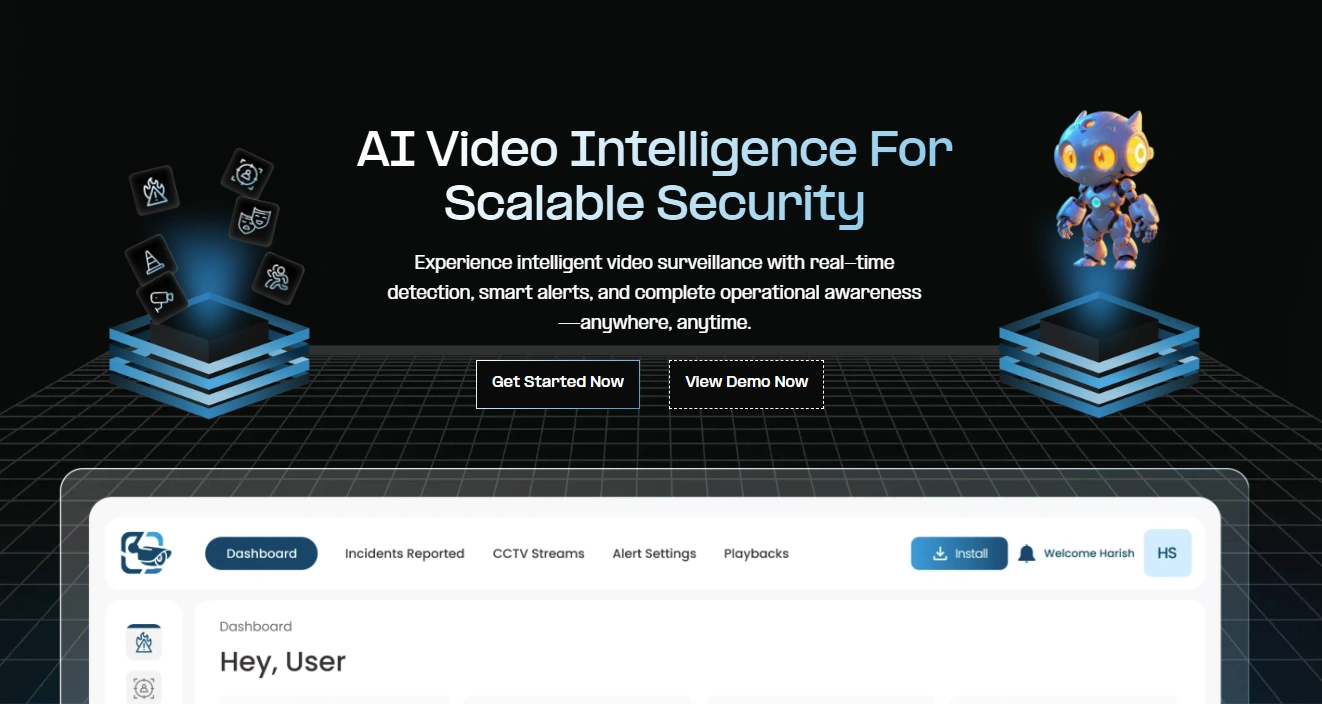
VideoraIQ brings intelligence to every frame of video by combining AI-driven analytics with real-time response capabilities. Designed for environments where security risks evolve rapidly, the platform strengthens monitoring across both physical and operational spaces.
Advanced Intrusion and Line-Cross Detection:
VideoraIQ detects movement in restricted areas and monitors boundary violations through intelligent line-cross analysis. This enables early intervention before incidents escalate.
Object and Activity Recognition:
The platform identifies unattended baggage, suspicious objects, and unusual activity patterns. These insights help security teams maintain awareness without continuous manual observation.
Face Recognition and Identity Verification:
VideoraIQ uses face recognition to differentiate between authorized and unauthorized individuals. This improves access control accuracy and supports faster investigations when incidents occur.
Automated Alerts and Real-Time Awareness:
With built-in alert mechanisms, VideoraIQ notifies security teams the moment defined rules are violated. This real-time response capability reduces reaction time and operational risk.
Safety and Compliance Intelligence:
Beyond access monitoring, VideoraIQ supports fire and smoke detection, cashier absence monitoring, and number plate recognition. These features help organizations maintain safety standards while protecting assets.
Cloud-Based Scalability:
VideoraIQ’s cloud architecture allows centralized monitoring across multiple locations. Organizations can scale security operations efficiently while maintaining consistent oversight.
Best Practices To Prevent Unauthorized Access
Preventing unauthorized access requires a layered approach that combines technology, policy, and awareness.
Strong Access Controls:
Implement role-based access policies. Users should only access what they need, nothing more. This minimizes the risk of security breaches caused by excessive permissions.
Regular Audits and Reviews:
Frequent reviews of access logs help identify irregular activity. Audits ensure that former employees or unused accounts do not become sources of security breaches.
Employee Training:
Human error remains a major factor. Training employees to recognize threats reduces the chances of security breaches through phishing or social engineering.
Multi-Factor Authentication:
Adding extra verification layers significantly lowers the risk of security breaches even when credentials are compromised.
Why Are Compliance And Legal Responsibilities Crucial For Access Control?
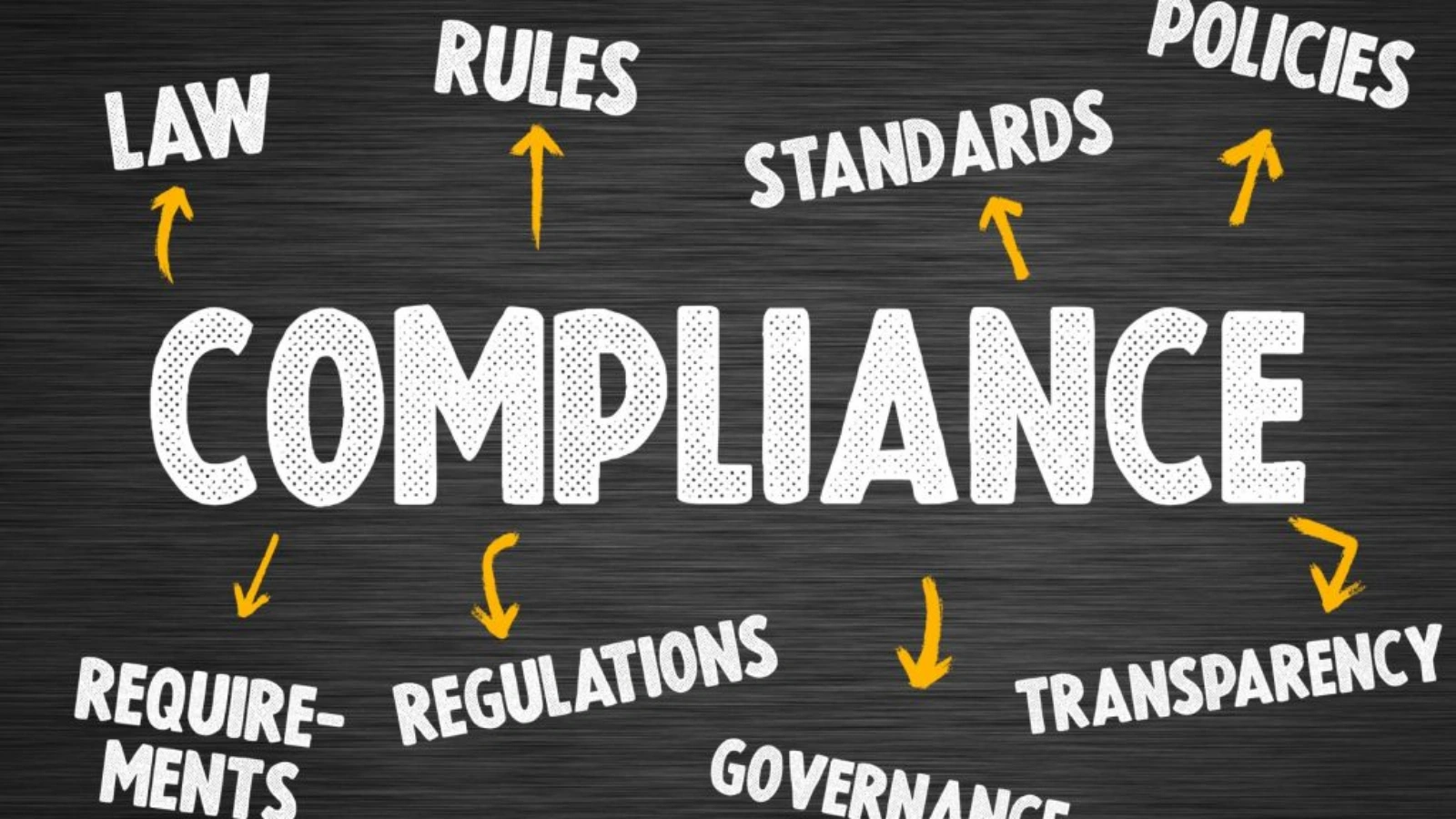
Many industries follow strict regulations related to data protection and access control. Failing to prevent security breaches can result in heavy financial penalties, legal action, and reputational damage.
Compliance frameworks often require:
- Documented access policies: Clear rules on who can access sensitive information and under what circumstances.
- Monitoring systems: Continuous oversight to detect unusual or suspicious activities in real-time.
- Incident response plans: Step-by-step procedures for containing breaches, notifying authorities, and mitigating damage.
Organizations that prioritize prevention measures not only protect their assets but also demonstrate accountability to regulators, clients, and stakeholders. Proper compliance helps build trust while reducing the likelihood of costly fines or litigation.
Future Trends In Access Security
As threats grow smarter, prevention strategies must evolve. Artificial intelligence, behavioral analytics, and automation will play a larger role in reducing unauthorized access risks.
Predictive systems will identify potential threats before breaches occur. Integrated platforms will unify physical and digital security, creating a more resilient defense against unauthorized access attempts.
Conclusion
Unauthorized access is no longer a distant or rare threat. It is a daily reality that affects organizations, employees, and individuals alike. From digital systems to physical spaces, the risks are real and evolving.
By understanding how these incidents occur, investing in intelligent detection tools, and adopting best practices, organizations can significantly reduce exposure. Prevention is not about a single solution but a continuous effort that adapts to changing threats.
For organizations looking to strengthen real-time surveillance and proactive threat detection, platforms like VideoraIQ offer a smarter way to transform video security into an active defense layer rather than a passive monitoring tool.
FAQs
1. What are the most common causes of security breaches?
Security breaches often occur due to weak passwords, unpatched software vulnerabilities, phishing attacks, or lapses in physical security.
2. How can businesses reduce the risk of unauthorized entry?
Implementing multi-factor authentication, regular software updates, employee training, and advanced surveillance systems can significantly reduce risks.
3. What role does AI play in preventing security incidents?
AI analyzes patterns in real-time, detects unusual activities, and triggers alerts before an incident occurs, making security proactive.