
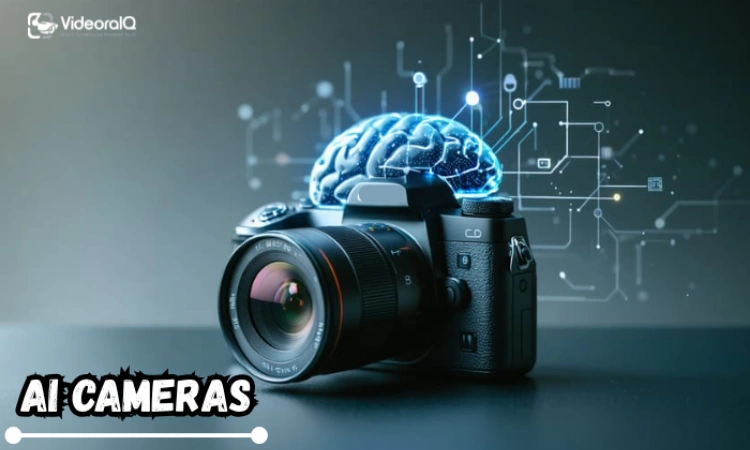
Security is getting a serious upgrade these days. Cameras aren’t just recording anymore, they’re getting smarter and faster thanks to all the latest tech. AI cameras use advanced algorithms, machine learning, and super-clear video to do things that old-school cameras could never manage.
They can spot unusual behavior, help with industrial inspections, and even alert you if something seems off at home or in a store.
The best part is how much easier they make life. These smart systems help keep people safe, prevent problems before they happen, and make workplaces and homes more efficient. It’s kind of like having a super-observant assistant who never sleeps, always keeping an eye on things.
It’s exciting to see how AI cameras are changing security and making the world a little smarter every day. Technology is moving fast, and these cameras are leading the way in keeping us safe and aware.
Hit ‘Play’ Button & Tune Into The Blog!
What Are AI Cameras?
They are security or surveillance devices equipped with artificial intelligence algorithms. Unlike traditional CCTV systems that simply record footage, AI cameras can analyze video in real time, detect anomalies, and even predict potential threats. These systems use technologies such as deep learning, object recognition, motion detection, and facial recognition to identify unusual activities automatically.
By leveraging AI, these cameras reduce the need for constant human monitoring. This not only increases efficiency but also significantly enhances the accuracy of surveillance systems. For example, an AI camera can differentiate between a stray animal and a human intruder, which traditional cameras would simply record as motion.
How AI Cameras Work?
It relies on a combination of hardware and software components. The hardware includes high-resolution lenses, image sensors, and processors capable of handling complex computations.
The software component involves AI algorithms that process the video feed, identify patterns, and make decisions in real time.
- Image Capture: AI cameras use advanced sensors to capture high-resolution video.
- Data Processing: The captured footage is processed using AI algorithms that can detect objects, recognize faces, or analyze behaviors.
- Decision Making: Once the AI identifies a relevant event, it can trigger alerts, record evidence, or even control other security systems automatically.
This combination of real-time analysis and decision-making is what sets them apart from traditional CCTV systems.
Also Read:
How Is Ai Used In Surveillance? 7 Ways It’s Transforming Security
How Can AI Cameras Improve Security And Surveillance?
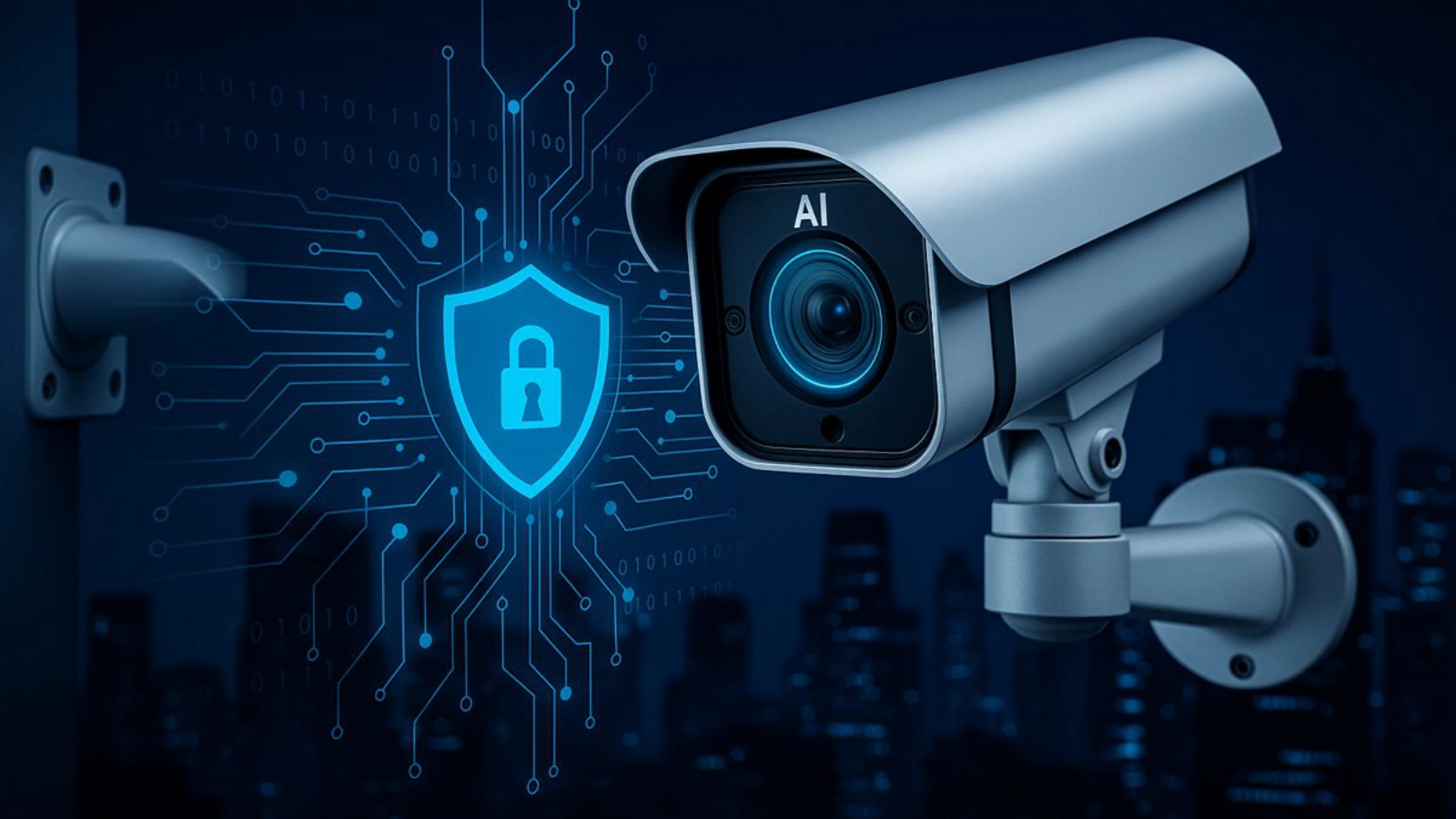
AI cameras offer numerous benefits across various applications, making them a game-changer in ai surveillence. Here are some of the key advantages:
1. Enhanced Security:
One of the most significant advantages of these smart systems is enhanced security. They can detect unusual behavior, such as loitering or unauthorized access, and alert security personnel immediately. Their ability to analyze patterns and recognize faces ensures that threats are detected promptly.
2. Reduced Human Error:
Traditional security monitoring relies heavily on human observation, which is prone to errors due to fatigue or distraction. Smart surveillance systems automate monitoring, reducing the risk of missing critical events.
3. Cost Efficiency:
While the initial investment in smart surveillance systems may be higher than conventional setups, the long-term savings are substantial. Reduced staffing needs, fewer false alarms, and faster response times all contribute to cost efficiency.
4. Scalability:
These smart surveillance systems are highly scalable. Whether you need to secure a small office or a large industrial complex, they can be expanded without significantly increasing operational complexity.
5. Data Insights:
Beyond security, these intelligent systems provide valuable data insights. Businesses can analyze foot traffic, monitor employee activity, and study customer behavior to optimize operations.
What Are The Key Applications Of AI Cameras?
The versatility of AI cameras allows them to be used in multiple scenarios:
1. Home Security:
For homeowners, smart surveillance systems offer peace of mind with real-time monitoring and alerts. Features like motion detection, facial recognition, and package monitoring help keep residential properties safe and secure.
2. Commercial Security:
In commercial spaces, smart surveillance systems protect assets and monitor employee activity. Retail stores, for example, can use these systems to prevent theft, track customer traffic, and improve operational efficiency.
3. Industrial Use:
Industrial environments benefit greatly from smart surveillance systems. These systems can monitor production lines, detect equipment malfunctions, and ensure workplace safety. Automated inspections help reduce downtime and maintain high-quality standards.
4. Traffic and Public Safety:
Smart surveillance systems are increasingly being used in traffic management and public safety. They can detect accidents, monitor traffic violations, and assist in crowd management during large events.
5. Healthcare and Education:
Hospitals and schools can use smart surveillance systems to ensure the safety of patients, students, and staff. These systems provide continuous monitoring, detect unusual behavior, and assist in emergency response.
Also Read:
How To Make Surveillance Cameras Smarter For Stronger Security?
AI Cameras Vs Traditional CCTV Systems
One of the most common questions when considering security upgrades is how traditional CCTV vs ai security camera systems differ.
Traditional CCTV cameras record video for later review. While they provide evidence, they cannot analyze behavior or detect anomalies automatically. Monitoring requires human attention, which is prone to errors and delays.
Smart surveillance cameras, like AI cameras, take things to the next level. They can:
- Recognize faces and objects.
- Detect unusual behavior automatically.
- Send instant alerts to security personnel.
- Integrate with other smart systems for automated responses.
The difference is clear: AI cameras transform passive surveillance into active security management, making them far more effective than traditional systems.
What Can AI Software Do For CCTV Cameras?
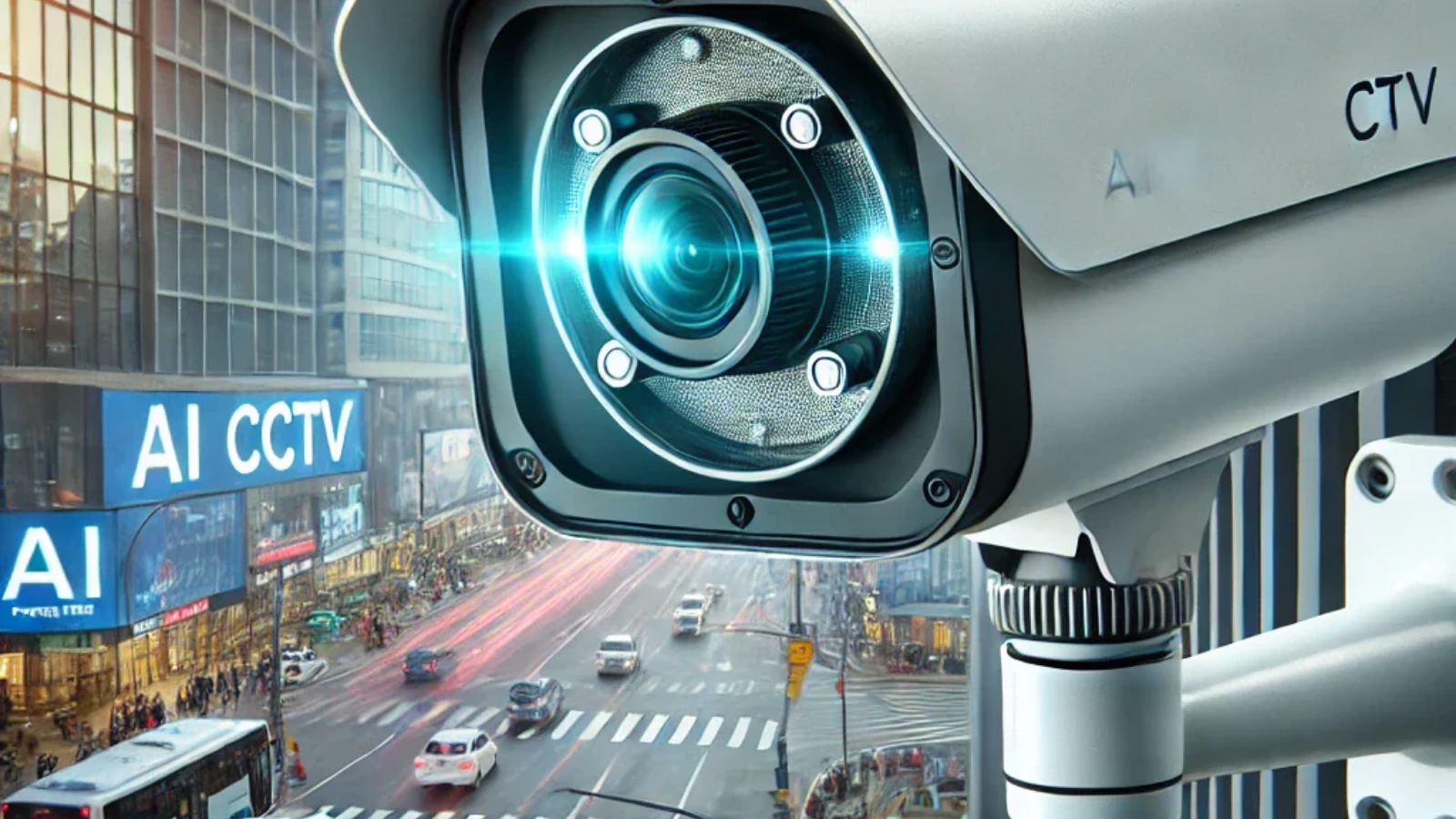
Modern AI cameras often work in conjunction with ai software for cctv cameras. This software enhances the camera’s functionality, enabling features such as:
- Object and facial recognition
- Behavioral analysis
- Real-time alerts and notifications
- Integration with access control and alarm systems
One standout example is VideoraIQ, a cloud-based, AI-powered video intelligence platform that transforms traditional CCTV systems into proactive security solutions. With VideoraIQ, AI cameras don’t just record footage, they analyze it in real time, detect unusual activity, and send instant alerts for events like intrusions, fire, or unauthorized access.
This software ensures that every frame captured by the system delivers actionable intelligence, making security smarter and more reliable.
How Does VideoraIQ Improve Surveillance With AI Cameras?
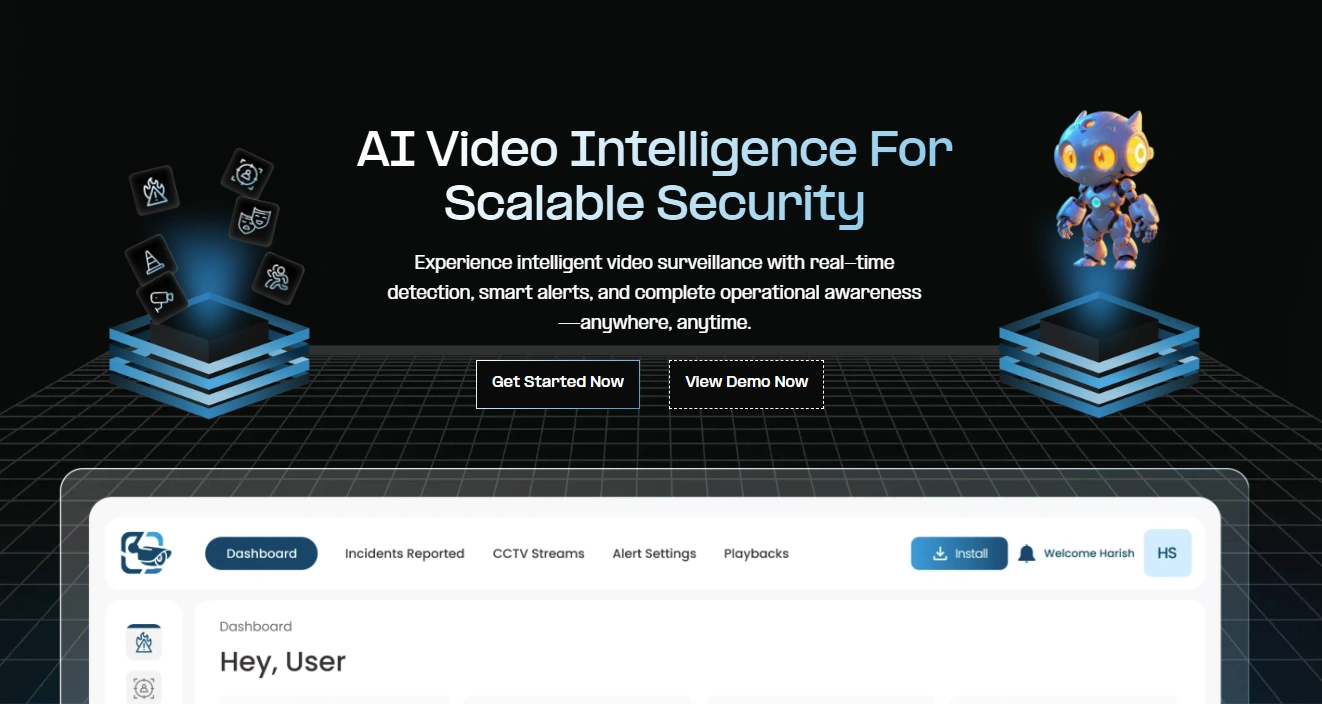
While AI cameras provide the hardware for intelligent surveillance, software like VideoraIQ brings that intelligence to life. VideoraIQ is designed to enhance the capabilities of AI cameras and turn traditional CCTV systems into proactive security solutions.
Key Features Of VideoraIQ:
- Face Recognition – Identify authorized personnel and detect unknown individuals in real time.
- Intrusion Detection – Get instant alerts for any unauthorized entry into restricted areas.
- Object and Number Plate Detection – Recognize objects and license plates automatically to monitor vehicles and valuable assets.
- Fire and Smoke Detection – Receive early alerts for fire hazards, improving safety and emergency response.
- Line-Cross Detection & Unattended Baggage – Monitor sensitive zones and detect unattended items or suspicious movements.
- Cashier Absence Detection – Automate monitoring for staff presence and operational efficiency.
- Unauthorized Access Alerts – Ensure only authorized individuals enter critical areas.
With VideoraIQ, AI cameras don’t just capture footage, they think, detect, and respond. This integration allows businesses, industrial facilities, and residential complexes to achieve a higher level of security with faster, smarter, and more reliable surveillance.
What Are The Key Features To Look For In AI Cameras?
When selecting a smart surveillance system, certain features are critical to ensure optimal performance:
1. High-Resolution Imaging:
Clear video footage is essential for accurate AI analysis. Look for cameras with high-definition sensors capable of capturing fine details.
2. Real-Time Alerts:
Smart surveillance systems should provide instant notifications for unusual activities. Real-time alerts ensure that security personnel can respond immediately.
3. Facial Recognition:
This feature allows the camera to identify authorized personnel and flag unknown individuals, enhancing security in sensitive areas.
4. Motion Detection:
Advanced motion detection distinguishes between irrelevant movements, like swaying trees, and potential threats, reducing false alarms.
5. Night Vision:
Smart surveillance systems with night vision provide round-the-clock monitoring, even in low-light conditions.
6. Cloud Storage and Remote Access:
Cloud-based smart surveillance systems offer remote monitoring, allowing users to access live feeds and recorded footage from anywhere in the world.
What Are The Challenges In Implementing AI Cameras?
While AI cameras offer numerous benefits, there are challenges to consider:
1. Privacy Concerns:
The advanced capabilities of smart surveillance systems, especially facial recognition, raise privacy concerns. Businesses and homeowners must ensure compliance with local privacy regulations.
2. High Initial Costs:
Smart surveillance systems are more expensive than traditional setups. However, the long-term benefits often outweigh the initial investment.
3. Technical Complexity:
Implementing smart surveillance systems requires technical expertise. Integration with existing systems and software may be challenging for some users.
4. Data Management:
AI cameras generate large amounts of data, requiring proper storage, management, and analysis. Cloud solutions like VideoraIQ help mitigate this issue by providing intelligent, organized video insights.
Future Of AI Cameras
The future of smart surveillance systems is incredibly promising. As AI technology advances, these systems will become more intelligent, capable of predictive analytics and even autonomous decision-making. Some emerging trends include:
- Smart Cities: Smart surveillance systems will play a key role in traffic management, public safety, and urban planning.
- Integration with IoT: These systems will integrate seamlessly with other IoT devices for smarter homes and workplaces.
- Advanced Behavioral Analysis: Future systems will detect not just actions but intent, providing predictive security solutions.
- Edge Computing: On-device processing will reduce latency and improve real-time decision-making.
How To Pick The Right AI Camera For Security And Surveillance?
Selecting the right AI camera depends on your specific needs. Consider the following factors:
- Purpose: Are you looking for home security, commercial surveillance, or industrial monitoring?
- Budget: Balance between features and cost to ensure a sustainable investment.
- Integration: Ensure compatibility with your existing security systems and AI software like VideoraIQ.
- Scalability: Choose systems that can expand as your security requirements grow.
By carefully evaluating these factors, you can select an AI camera system that provides maximum security, efficiency, and peace of mind.
Conclusion
AI cameras are transforming the way we approach security, surveillance, and industrial monitoring. By combining intelligent algorithms with high-resolution imaging and software solutions like VideoraIQ, these systems provide real-time analysis, reduce human error, and enhance operational efficiency. From residential safety to industrial applications, AI cameras are versatile and scalable, offering solutions that traditional CCTV systems cannot match.
As technology continues to evolve, smart surveillance systems will become even more intelligent, predictive, and seamlessly integrated into our daily lives. Investing in these systems today, paired with advanced software like VideoraIQ, is not just a choice for security, it’s a step toward a safer, smarter, and more efficient future.
By understanding the advantages, applications, and challenges of smart surveillance, and leveraging intelligent software solutions, individuals and businesses can make informed decisions that enhance security, improve operational efficiency, and embrace the future of intelligent monitoring.
FAQs
1. Can AI cameras work without an internet connection?
Yes, many smart surveillance systems have edge computing capabilities, allowing them to process video and detect anomalies locally without relying on a constant internet connection.
2. How do AI cameras protect privacy?
Modern smart surveillance systems use encryption, secure cloud storage, and access controls to keep footage protected. Some systems also allow data anonymization to comply with privacy regulations.
3. Are AI cameras suitable for small businesses?
Absolutely. Smart surveillance systems are scalable and cost-effective, making them suitable for small offices, retail stores, and even residential security setups.