
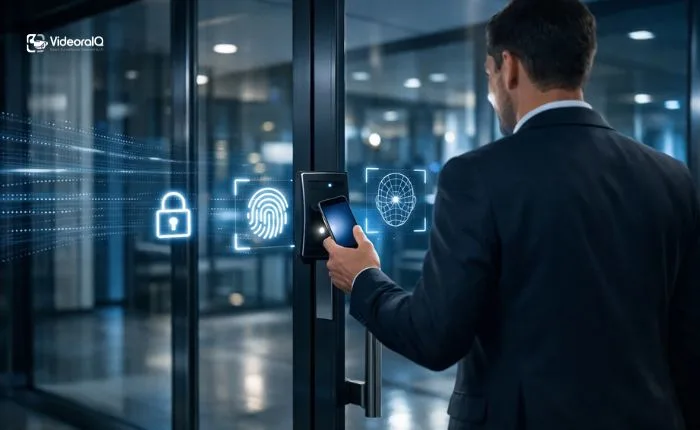
Think about the last time you walked into your office. Did you swipe a card, scan your fingerprint, or maybe just tap your phone? That simple action is part of something much bigger, and that is access control. It’s the invisible guardian that keeps your workplace safe while making sure you can get where you need to go without hassle.
Workplace security isn’t what it used to be. Gone are the days when a security guard with a clipboard was enough to protect your business. Today’s threats are more sophisticated, and thankfully, so are the solutions. Modern access control has evolved from basic locks and keys into intelligent systems that not only keep intruders out but also give you valuable insights into how your workplace operates.
Listen To The Podcast Now!
What Is Access Control and Why Does It Matter?
Access control is simply about deciding who gets to go where and when. It sounds straightforward, but in practice, it’s incredibly powerful, especially when combined with real-time visibility into what’s actually happening on your premises, which is Why Every Business Needs Live Video Monitoring as a complementary layer of control.
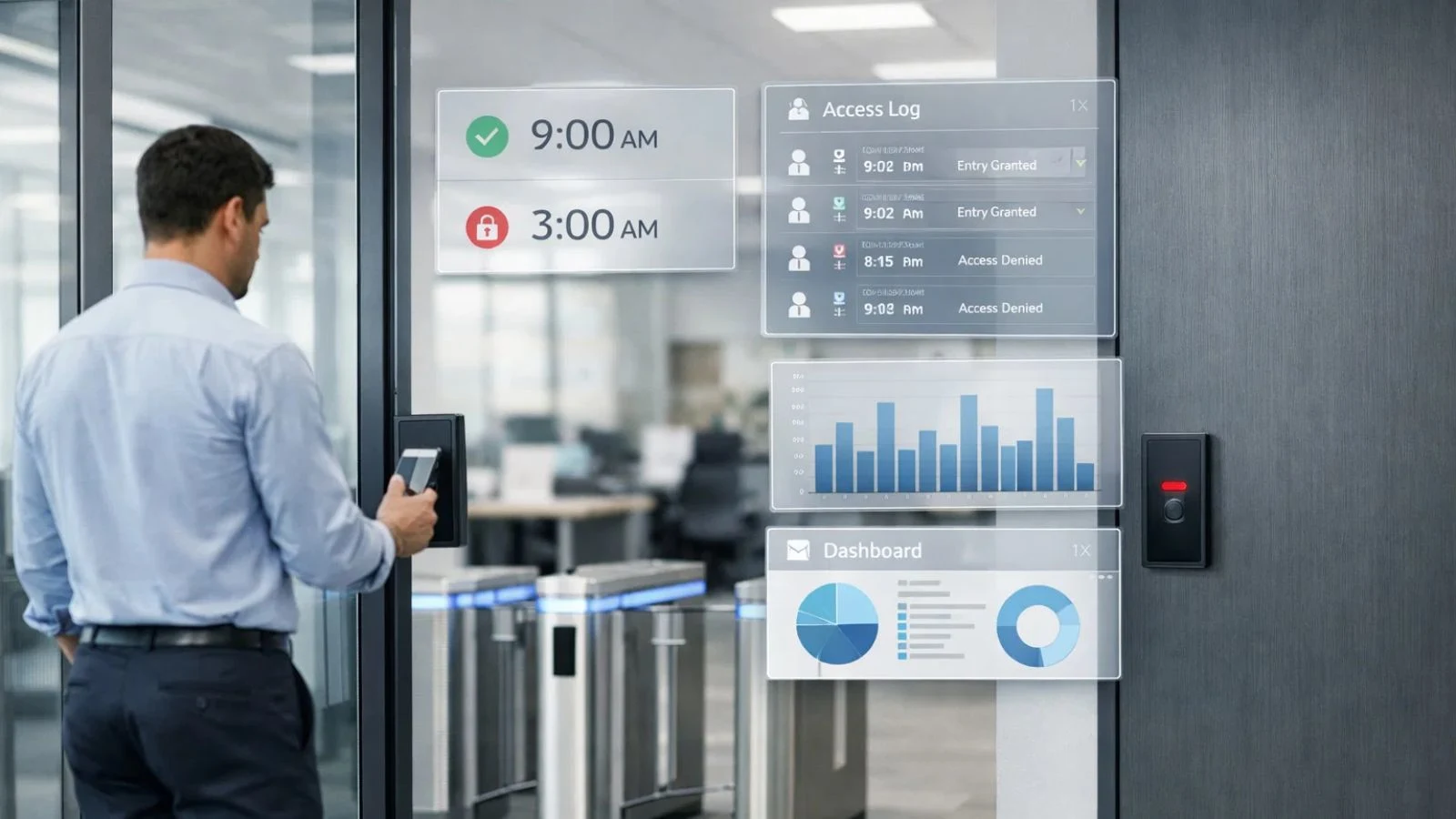
Instead of giving everyone keys to every door, modern systems let you control access digitally. Here’s what makes today’s access control different: it’s smart, it’s flexible, and it learns. These systems can tell the difference between an employee swiping in at 9 AM on a Monday versus 3 AM on a Sunday.
They can lock down entire buildings in seconds if there’s an emergency. They keep detailed records of who went where and when, without relying on manual logs or security guards writing things down. And you don’t need to be a tech expert to manage it. Modern access control platforms are built with intuitive, real-time dashboards that show exactly what’s happening, as it happens, no guesswork, no delays.
How Modern Systems Actually Work?
Access control technology combines several smart features that work together seamlessly:
1. Multiple Ways to Verify Identity:
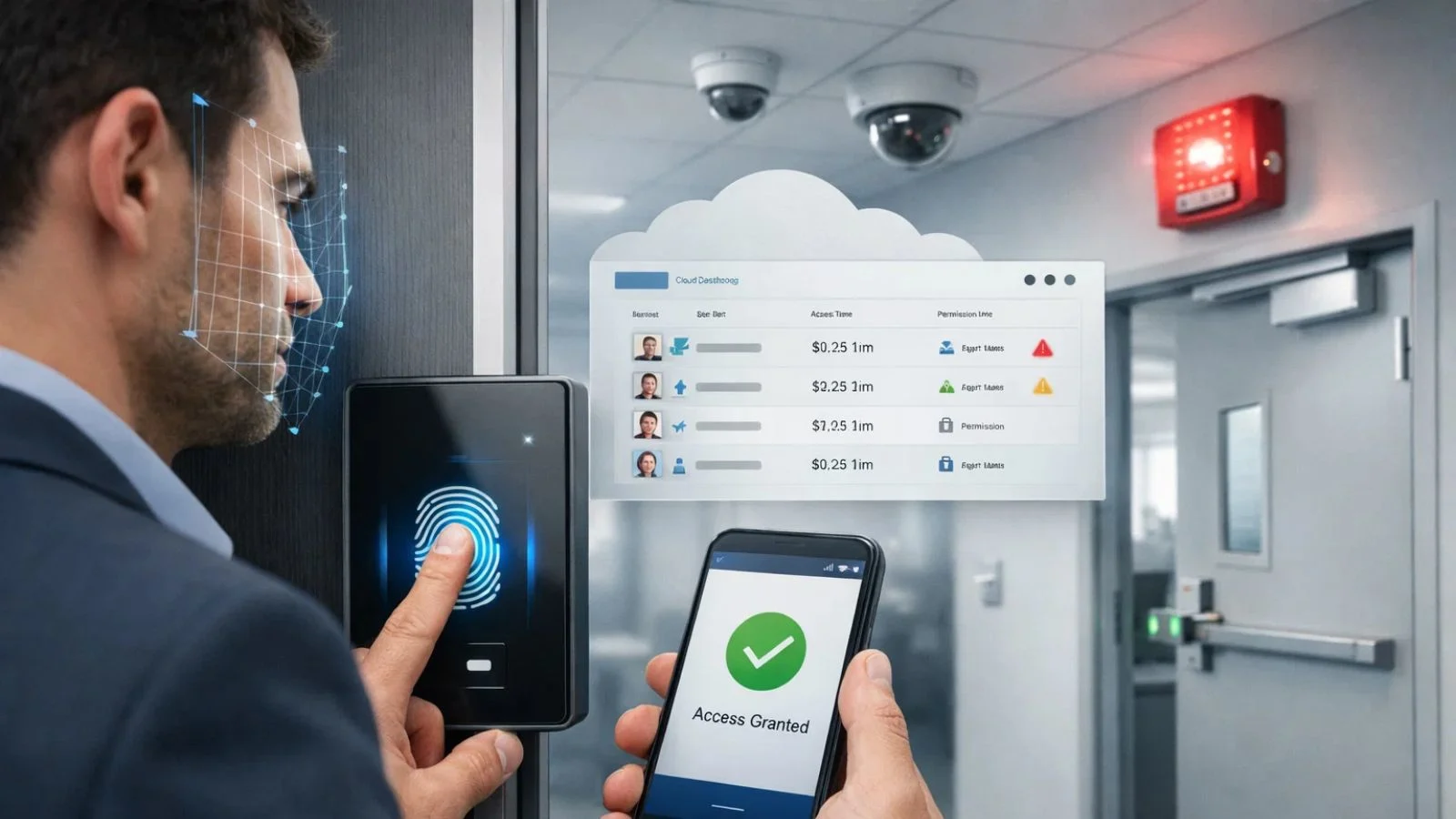
Remember when losing your access card meant being locked out until security could help? Those days are over. Modern systems give people several ways to prove who they are. You might use your fingerprint one day and your smartphone the next. Some places even use facial recognition; you just walk up to the door, and it opens.
2. Everything Lives in the Cloud:
With cloud-based access control, you can manage your entire security system from your laptop at home or your phone while traveling. Need to give a contractor access for the weekend? Done. Want to see who entered the server room yesterday? Pull up the logs in seconds.
3. Instant Alerts When Something’s Off:
Your access control system never sleeps. If someone tries to get into a restricted area, you’ll know immediately. These real-time notifications mean you can respond to problems right away instead of discovering them hours or days later.
4. Playing Nice with Other Systems:
Modern access control doesn’t work in isolation. It talks to your other security systems. When someone swipes their card, your cameras automatically start recording that entry point. If there’s a fire alarm, doors unlock automatically so people can evacuate safely.
The AI Revolution in Security:
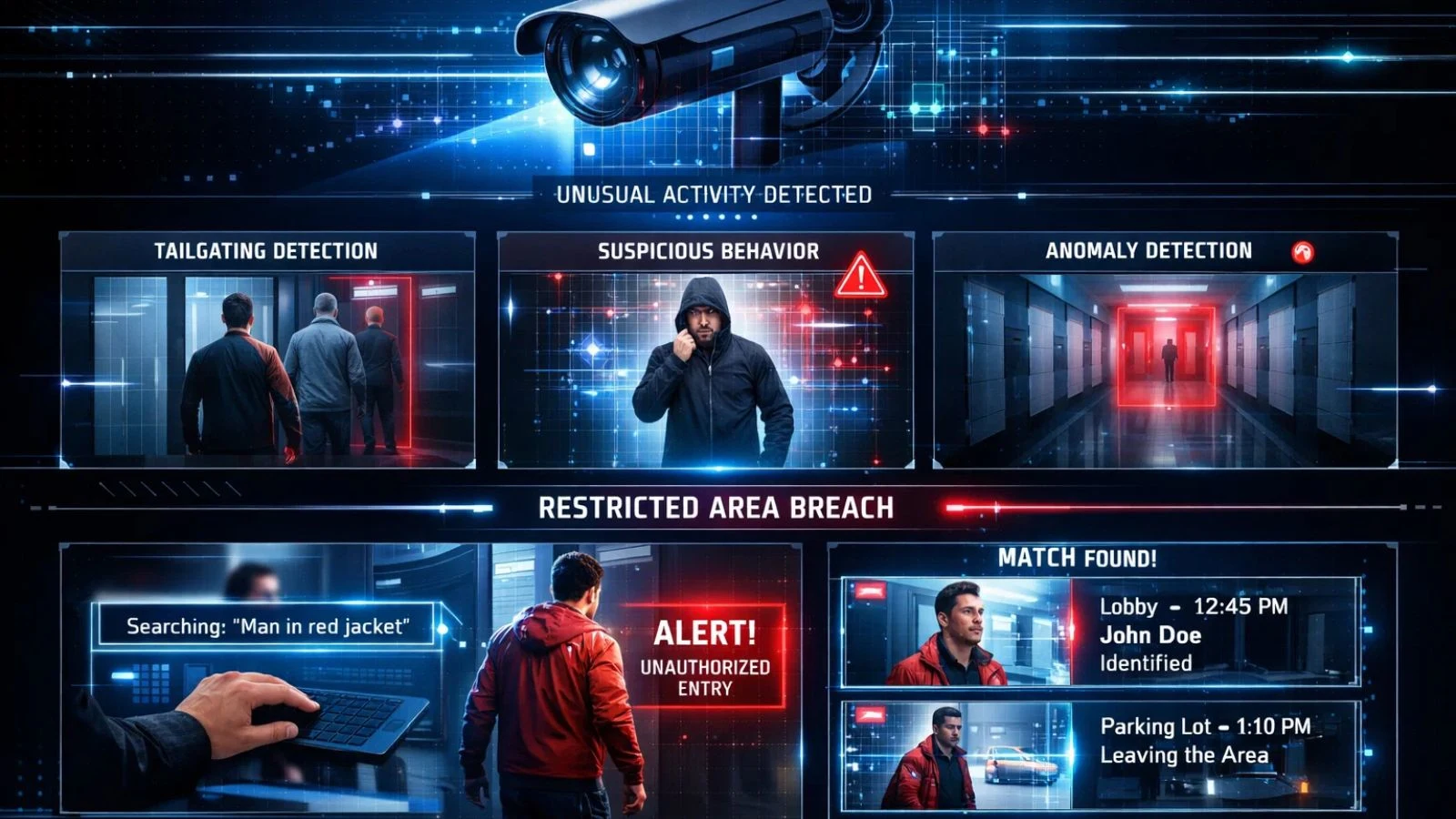
You’ve probably heard a lot about artificial intelligence lately. In security, AI isn’t just hype; it’s making a real difference. When you combine access control with AI video surveillance, something remarkable happens. The system doesn’t just record who comes and goes; it actually understands what’s happening.
For example, AI video security can spot when someone holds the door open for an unauthorized person, what security professionals call “tailgating.” It can be noticed if someone’s behavior seems unusual, like lingering near a restricted area or showing up at odd hours. The system learns what normal looks like at your facility and flags anything that doesn’t fit the pattern.
Smart surveillance takes this even further. Instead of making you watch hours of footage to find what you need, AI organizes everything automatically. Looking for when a specific person entered the building last Tuesday? The system finds it in seconds. The beauty of access control systems integrated with these smart technologies is that they provide context; you’re not just seeing that a door opened, you’re seeing who opened it and what happened next.
Who Benefits and How:
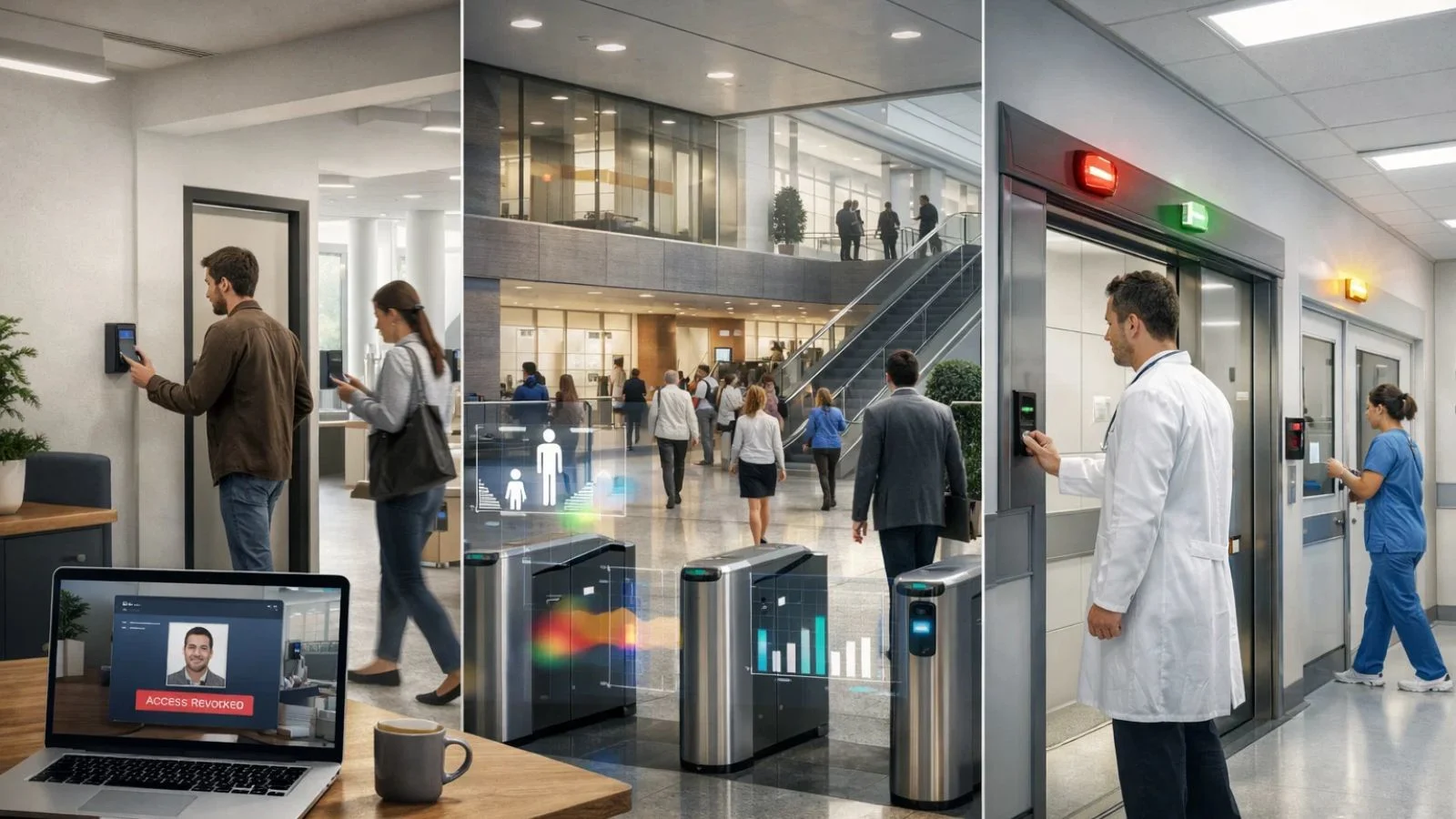
1. Small and Growing Businesses:
If you’re running a small company, you might think sophisticated access control is only for big corporations. Not true. Small businesses actually have a lot to gain. You can give your employees easy access while keeping a better track of who’s coming and going.
Plus, when someone leaves your company, you don’t need to rekey all your locks, just deactivate their credentials. As your business expands, the system scales with you without requiring a complete overhaul.
2. Corporate Offices:
Office buildings use these systems to do more than just security. They’re understanding how their spaces are used, optimizing building operations, and even improving the employee experience. The data helps companies make smarter decisions about their facilities.
3. Healthcare Facilities:
Hospitals face unique challenges. They need tight security, but can’t let that security slow down emergency response. Modern access control handles this balance beautifully. Doctors get access to patient areas, pharmacies stay locked down, and in emergencies, the system can unlock specific zones automatically.
Also Read:
How To Choose The Right VMS Software For Your Security Needs?
VideoraIQ: Your Ultimate Partner in Modern-Day Security:
Most access control systems rely on biometrics or card swipes, methods you’ve probably tried. But have you experienced the simplicity and security of face detection technology? Nowadays, with a simple camera setup and an AI-powered video surveillance system, you can manage access seamlessly, monitor entries in real-time, and enhance security like never before, all without the hassle of cards or fingerprints.
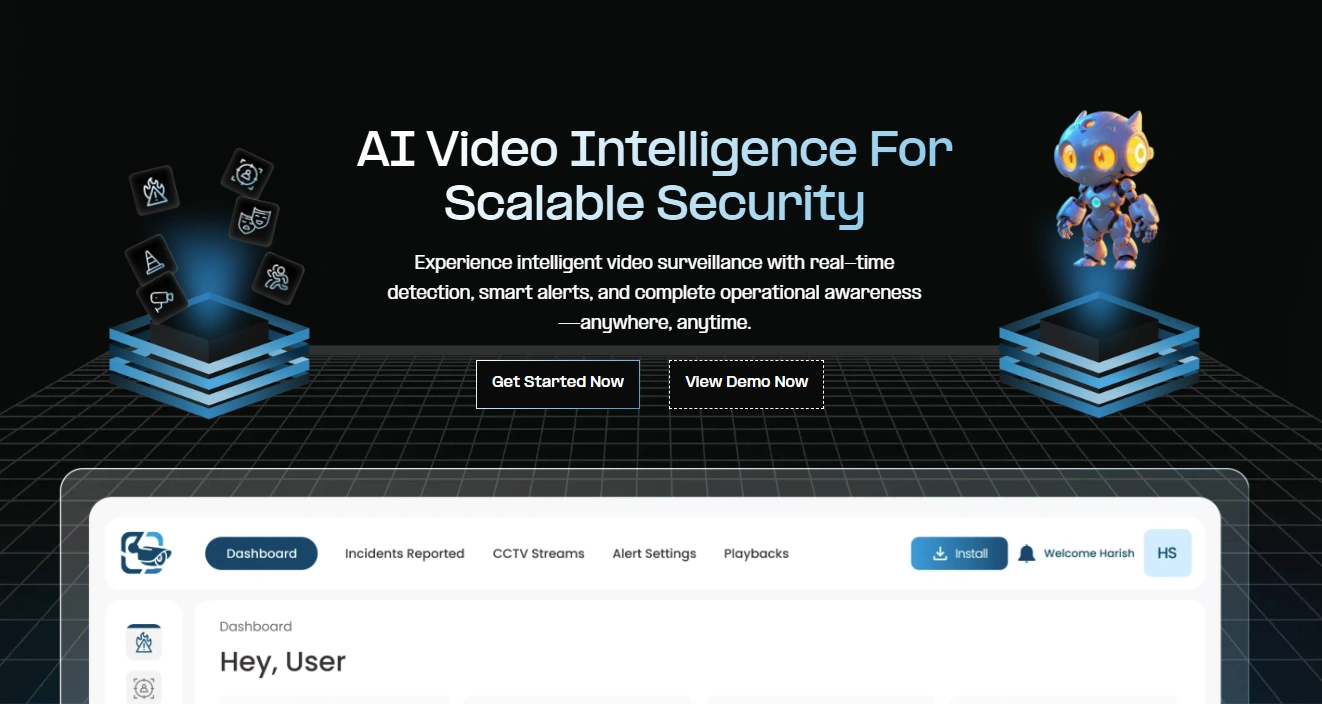
Now, you might be wondering where to start with all this technology. That’s where VideoraIQ comes in. Their platform transforms your existing CCTV setup into a smart AI-powered video surveillance network, combining access control, video monitoring, and advanced analytics into a single, easy-to-use system.
What makes VideoraIQ truly stand out is how it blends intelligence with practicality. It’s not just about theory; it’s built for real businesses. You can leverage VideoraIQ’s AI-powered capabilities, like facial recognition, object detection, and fire or smoke detection, using your existing CCTV cameras.
There’s no need for extra hardware like fingerprint scanners or card readers. This means you can create a smart, camera-based access control system that fits your space and security needs.
Here’s the real advantage: VideoraIQ doesn’t just monitor video, it understands it. When someone approaches a restricted area, the AI verifies their identity instantly using the camera feed. If it detects anything unusual, such as unauthorized access or suspicious behavior, you receive an immediate alert with video evidence. This proactive monitoring can prevent security breaches and even detect potentially hazardous situations before they escalate.
Since the platform is cloud-based, VideoraIQ keeps improving over time with automatic updates. And with expert guidance for setup, you get a camera-driven access control solution that scales with your business, fits your unique environment, and delivers reliable security exactly when you need it.
Making It Work in Your Business:
The first step is taking an honest look at your current security. Where are the weak points? Which areas need the tightest control? Who needs access to what? Once you understand your needs, setting up access control is more straightforward than you might think. The key is starting with clear rules: people should only have access to areas they actually need for their job. It sounds obvious, but you’d be surprised how many organizations give everyone access to everything “just in case.”
One of the biggest mistakes companies make is setting up their system and then forgetting about it. Access control needs regular attention. People change roles, new employees join, and others leave. Your system should reflect these changes immediately. Modern platforms make these updates easy, often just a few clicks. Don’t forget about your people, either. Make sure everyone understands the basics: keep credentials secure, don’t share access codes, report anything suspicious. Security works best when everyone’s on board.
Conclusion:
Modern access control has transformed workplace security from a necessary inconvenience into an intelligent system that protects your business while making life easier for everyone. It’s not about creating barriers, it’s about creating smart, secure environments where people can do their best work.
The investment you make in proper access control pays off in countless ways: fewer security incidents, easier compliance with regulations, better use of your physical space, and peace of mind knowing your workplace is protected around the clock. These systems have become affordable and accessible enough that businesses of all sizes can benefit.
FAQ’s:
Q1: What’s this actually going to cost me?
Ans: Budget depends on your specific needs, but most businesses spend between $1,000 and $3,000 per door when you factor in hardware, software, and installation. Cloud-based systems typically cost less upfront but include monthly fees.
Q2: What happens if the power goes out?
Ans: Good systems have battery backups that keep electronic locks and controllers running during outages. Depending on how your system is configured, doors might unlock automatically for safety or stay locked for security.
Q3: How often should I update access permissions?
Ans: At a minimum, review your access permissions every three months. But honestly, updates should happen immediately when someone’s role changes or they leave the company.
Q4: Is biometric scanning really secure?
Ans: When done right, yes, very secure. Modern biometric systems encrypt your data, so even if someone got into the system, they couldn’t recreate your actual fingerprint. For even better security, combine biometrics with something else, like a PIN code.