

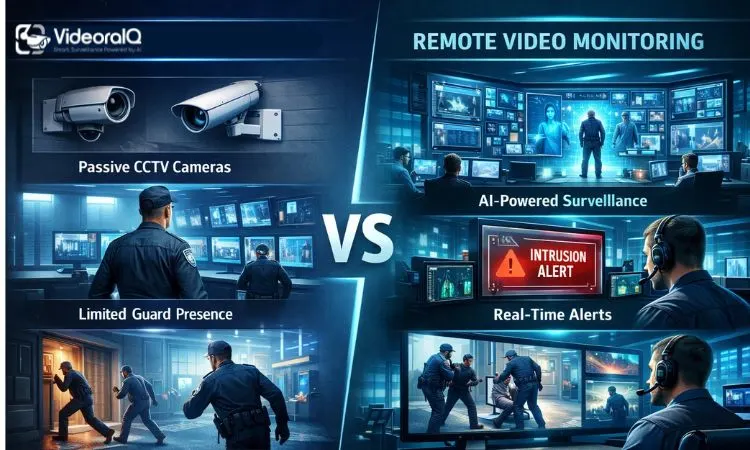
Security threats are becoming more sophisticated and more expensive. From theft and vandalism to unauthorized access, businesses face constant risks that can disrupt operations and impact revenue. Traditional security methods, like on-site guards or basic CCTV cameras, often react after an incident has already occurred.
That’s where remote video monitoring changes the game.
Instead of simply recording footage, remote video monitoring provides real-time surveillance with active intervention. It allows trained professionals and smart technology to detect suspicious activity instantly, issue warnings, and contact authorities before damage escalates.
Beyond stronger protection, remote video monitoring also helps businesses reduce operational costs. In this guide, we’ll explore how it enhances security, lowers expenses, and why more organizations are shifting toward proactive monitoring solutions.
Listen to the Podcast.
What Is Remote Video Monitoring?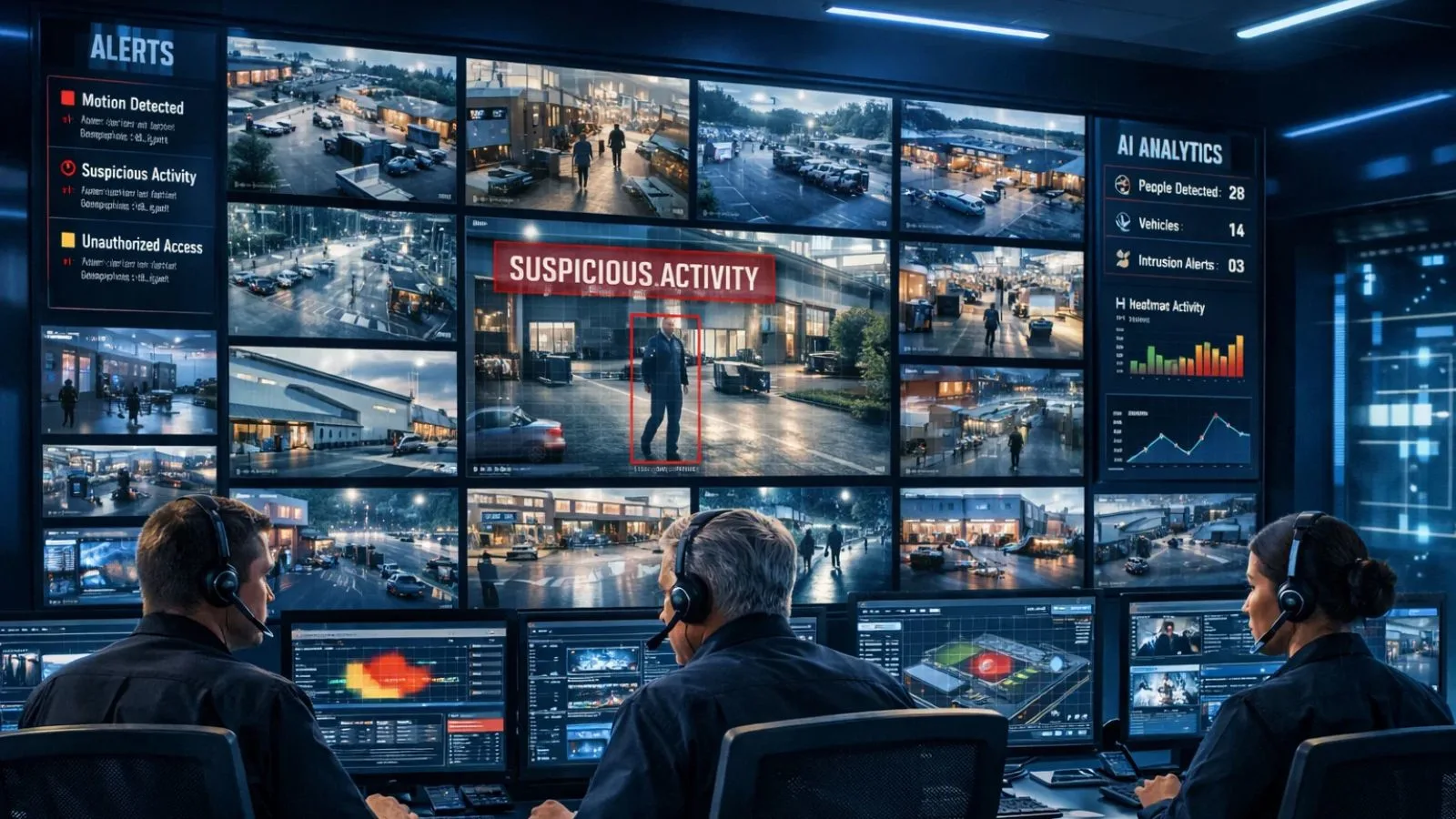
Remote video monitoring is a security solution where live camera feeds are monitored in real time by trained professionals, often supported by AI-powered technology. Unlike traditional CCTV systems that simply record footage for later review, remote video monitoring focuses on immediate detection and response.
At its core, a remote video monitoring system connects on-site cameras to an off-site monitoring center. When suspicious activity is detected — through motion sensors, analytics, or manual observation — alerts are triggered instantly. Monitoring agents can then assess the situation and take action, such as issuing live voice warnings or contacting law enforcement.
This approach is also known as remote video surveillance monitoring, emphasizing its proactive nature. Instead of reviewing footage after an incident, businesses benefit from real-time intervention that can stop crimes before they escalate.
How Remote Video Monitoring Enhances Security
The biggest advantage of remote video monitoring is that it shifts security from reactive to proactive. Instead of reviewing footage after damage is done, businesses can prevent incidents in real time.
Here’s how it strengthens protection:
- a) Real-Time Threat Detection
With remote video monitoring, suspicious activity is identified the moment it happens. AI-powered analytics and live monitoring agents work together to detect unusual movement, trespassing, or loitering.
Immediate alerts allow security teams to respond before a situation escalates.
b) Active Crime Prevention
Traditional cameras only record events. Remote video monitoring goes further by enabling live voice-down warnings. When intruders hear a real-time announcement like, “You are being monitored. Authorities have been notified,” they are far more likely to leave immediately.
This active deterrence significantly reduces theft and vandalism.
c) 24/7 Continuous Coverage
Unlike on-site guards who may miss incidents or need breaks, remote video monitoring ensures continuous surveillance. Cameras and monitoring teams operate around the clock, eliminating blind spots and downtime.
d) Faster Emergency Response
When a verified threat is detected, monitoring agents can contact law enforcement with accurate, real-time information. This verification reduces false alarms and improves response time.
By combining technology with human oversight, remote video monitoring delivers smarter, stronger protection than traditional surveillance methods.
How Remote Video Monitoring Reduces Costs
Security is essential — but it doesn’t have to drain your budget. One of the biggest advantages of remote video monitoring is its ability to deliver stronger protection while lowering overall expenses.
Here’s how businesses save money:
1. Reduces On-Site Guard Costs
Hiring full-time security guards can be expensive, especially for large facilities or multiple locations. A reliable remote video monitoring service can cover wide areas at a fraction of the cost, reducing the need for multiple on-site personnel.
- Prevents Theft and Property Damage
The financial impact of theft, vandalism, and break-ins adds up quickly. By detecting threats in real time, remote video monitoring prevents losses before they occur — saving money on repairs, replacements, and downtime.
3. Minimizes False Alarm Fees
False alarms can result in fines and unnecessary emergency responses. Professional remote video monitoring services verify incidents before contacting authorities, helping businesses avoid costly penalties.
4. Lowers Insurance Premiums
Many insurers offer lower premiums for properties with verified monitoring systems in place. A well-implemented remote video monitoring strategy can reduce risk profiles and insurance costs over time.
5. Improves Operational Oversight
Beyond security, remote video monitoring provides visibility into site activity. Businesses can monitor workflows, deliveries, and compliance, reducing internal inefficiencies that quietly impact profits.
By combining prevention, verification, and real-time response, remote video monitoring doesn’t just protect assets; it protects your bottom line.
Key Features of a Modern Remote Video Monitoring System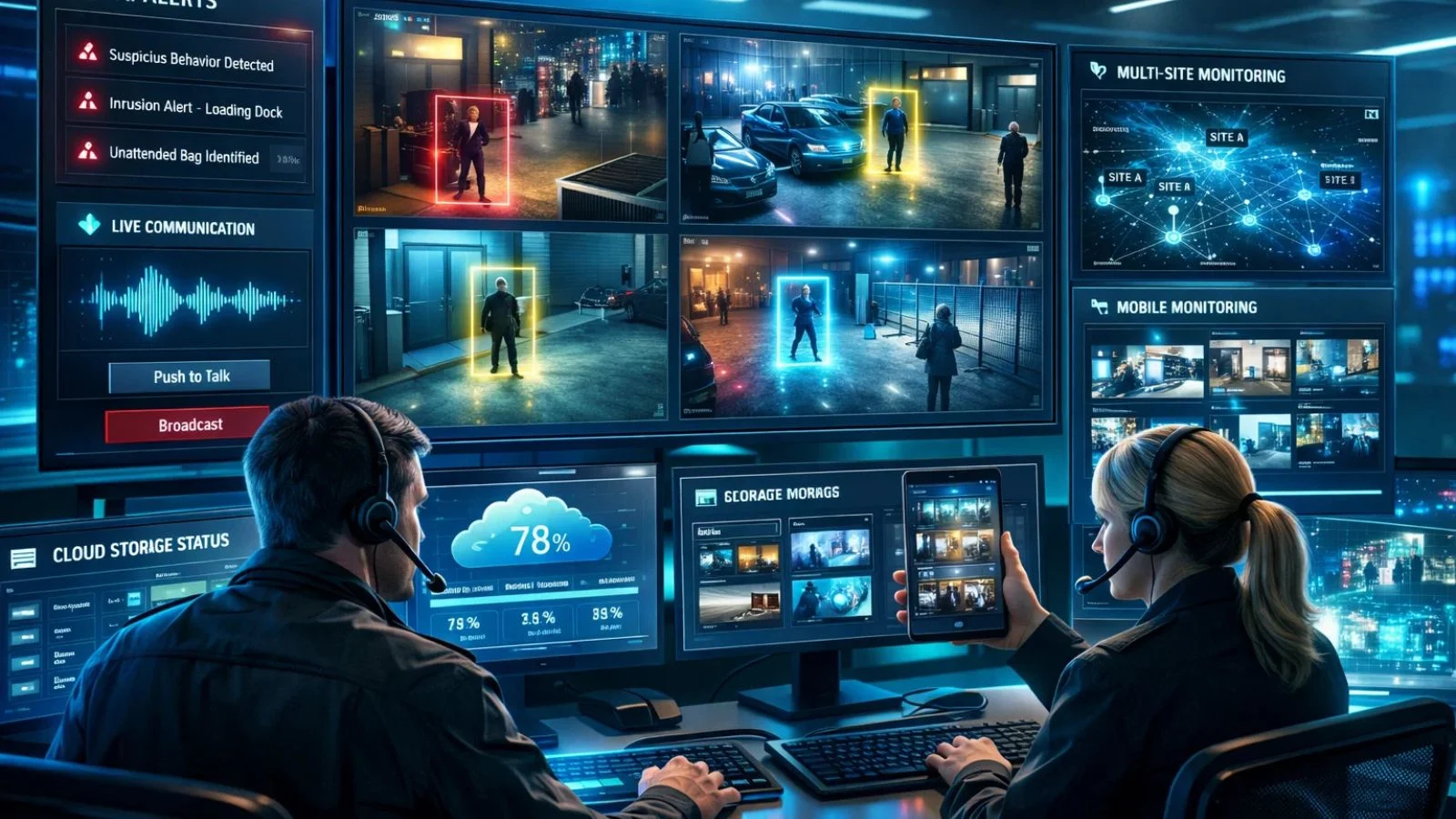
Not all security solutions are built the same. A modern remote video monitoring setup goes far beyond basic cameras. The right technology ensures accurate detection, fast response, and scalable protection.
Here are the essential features to look for in a remote video monitoring system:
1. AI-Powered Video Analytics
Advanced analytics help identify suspicious behavior such as unauthorized access, perimeter breaches, or loitering. AI reduces false alerts and ensures that monitoring teams focus only on genuine threats.
2. Real-Time Alerts and Notifications
Instant alerts allow monitoring agents to assess situations immediately. Whether through motion detection or intelligent triggers, remote video monitoring ensures no incident goes unnoticed.
3. Live Voice-Down Capability
One of the most effective deterrents is direct communication. With live voice intervention, monitoring teams can warn intruders in real time, often stopping incidents before damage occurs.
4. Cloud Storage and Secure Access
Cloud-based storage ensures footage is safe, accessible, and protected from tampering. It also allows businesses to review events from anywhere.
5. Mobile and Remote Access
Managers can monitor activity, receive alerts, and review footage through mobile apps or web dashboards, making remote video monitoring more flexible and convenient.
6. Scalable Infrastructure
As businesses grow, their security needs evolve. A robust remote video monitoring system should scale easily across multiple sites without major infrastructure changes.
Choosing a system with these features ensures that remote video monitoring remains proactive, reliable, and cost-efficient.
Industries That Benefit Most from Remote Video Monitoring
While remote video monitoring can enhance security in almost any setting, certain industries benefit significantly due to higher risk exposure and large property footprints.
Here’s where it delivers the greatest impact:
Construction Sites
Construction areas are frequent targets for theft and vandalism, especially after hours. Remote video monitoring protects expensive equipment, materials, and machinery even when no staff is on-site.
Warehouses and Distribution Centers
Large facilities with valuable inventory require continuous surveillance. Remote video surveillance monitoring helps detect unauthorized access, prevent shrinkage, and maintain operational oversight.
Retail Stores
Retail businesses face both internal and external theft risks. Remote video monitoring enhances loss prevention while reducing reliance on full-time security staff.
Industrial Facilities
Manufacturing plants and industrial operations require high-level security due to safety and compliance standards. A proactive monitoring solution ensures restricted areas remain secure.
Gated Communities and Commercial Properties
Property managers use remote video monitoring to protect residents, tenants, and shared assets. Real-time intervention improves safety while keeping security budgets manageable.
Across industries, remote video monitoring provides scalable protection, real-time response, and measurable cost savings.
Why Businesses Are Switching to Proactive Monitoring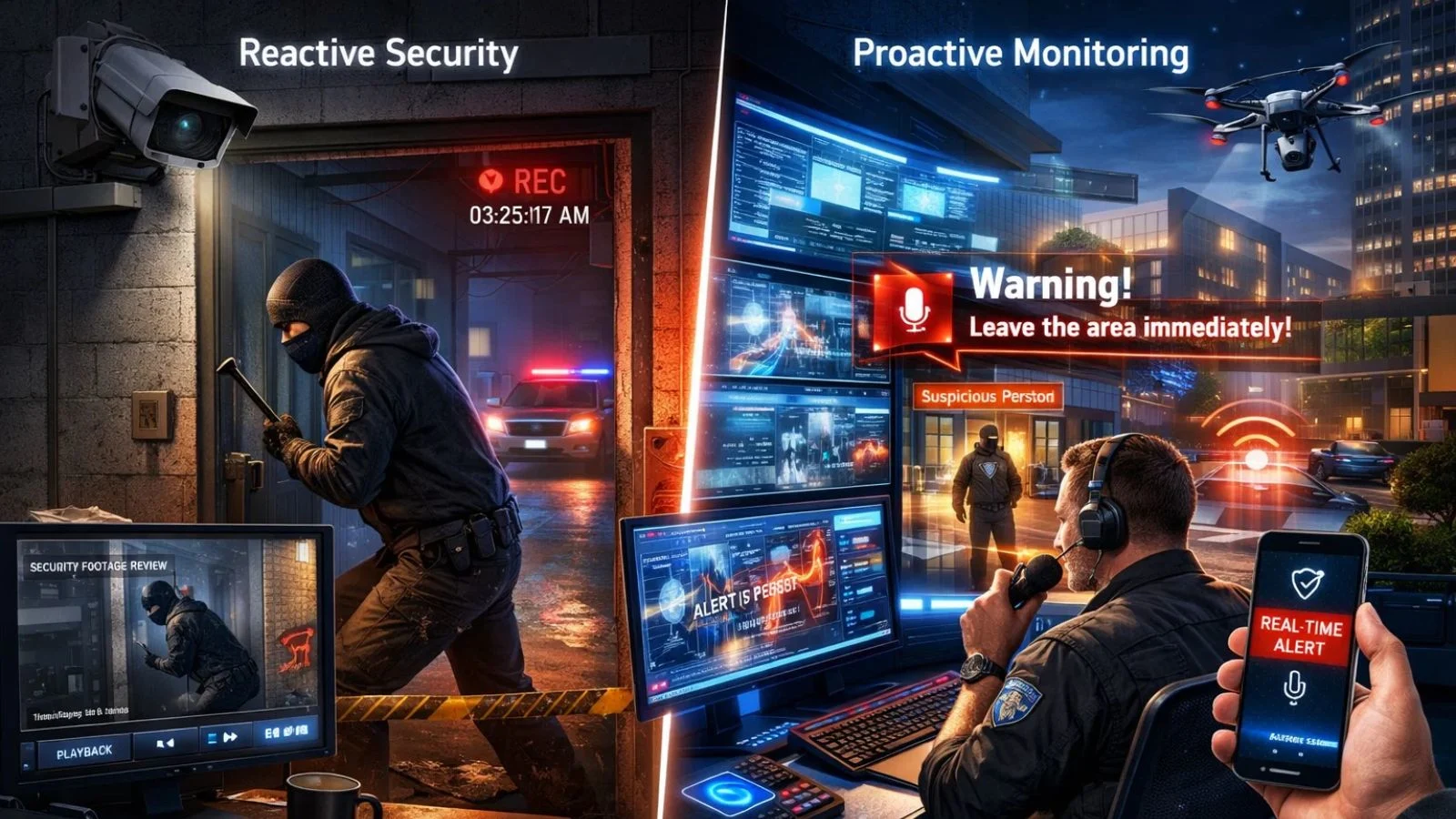
Security strategies are evolving. Businesses are no longer satisfied with systems that simply record incidents; they want solutions that prevent them. That shift is driving the rapid adoption of remote video monitoring.
Here’s why organizations are making the change:
From Reactive to Preventive Security
Traditional surveillance systems review footage after an event occurs. Remote video monitoring focuses on stopping incidents in real time. Immediate detection and live intervention dramatically reduce risk exposure.
Data-Driven Insights
Modern remote video monitoring provides actionable data such as peak activity times, repeated intrusion attempts, and operational patterns. These insights help businesses strengthen security policies and improve site management.
Better Resource Allocation
Instead of relying heavily on physical patrols, companies can allocate security budgets more strategically. Remote monitoring covers multiple areas simultaneously, improving efficiency without sacrificing protection.
Scalable Multi-Site Coverage
For businesses with multiple locations, centralized remote video monitoring ensures consistent protection across all properties. Monitoring teams can oversee several sites from one command center.
By combining technology, human oversight, and real-time response, remote video monitoring aligns with modern security expectations, proactive, intelligent, and cost-conscious.
Choosing the Right Remote Video Monitoring Partner
Implementing remote video monitoring is only as effective as the partner behind it. The right provider ensures seamless setup, reliable performance, and consistent protection.
Here’s what to consider when selecting a monitoring partner:
1. Experience and Industry Expertise
Choose a provider with proven experience in delivering remote video monitoring across multiple industries. Experience ensures faster deployment and better threat assessment.
2. Advanced Technology Stack
A strong remote video monitoring system should include AI-powered analytics, real-time alerts, cloud storage, and live intervention capabilities. Technology directly impacts detection accuracy and response time.
3. Verified Response and Intervention
Look for providers that offer live voice-down warnings and verified dispatch procedures. A reliable remote video monitoring service should focus on prevention, not just notification.
4. Customizable Security Solutions
Every property has unique risks. A flexible provider should tailor remote video monitoring coverage based on site layout, threat level, and operational needs.
5. Ongoing Support and Scalability
As your business grows, your security system should grow with it. Ensure the provider offers scalable remote video monitoring services and continuous technical support.
Why Businesses Choose VideoraIQ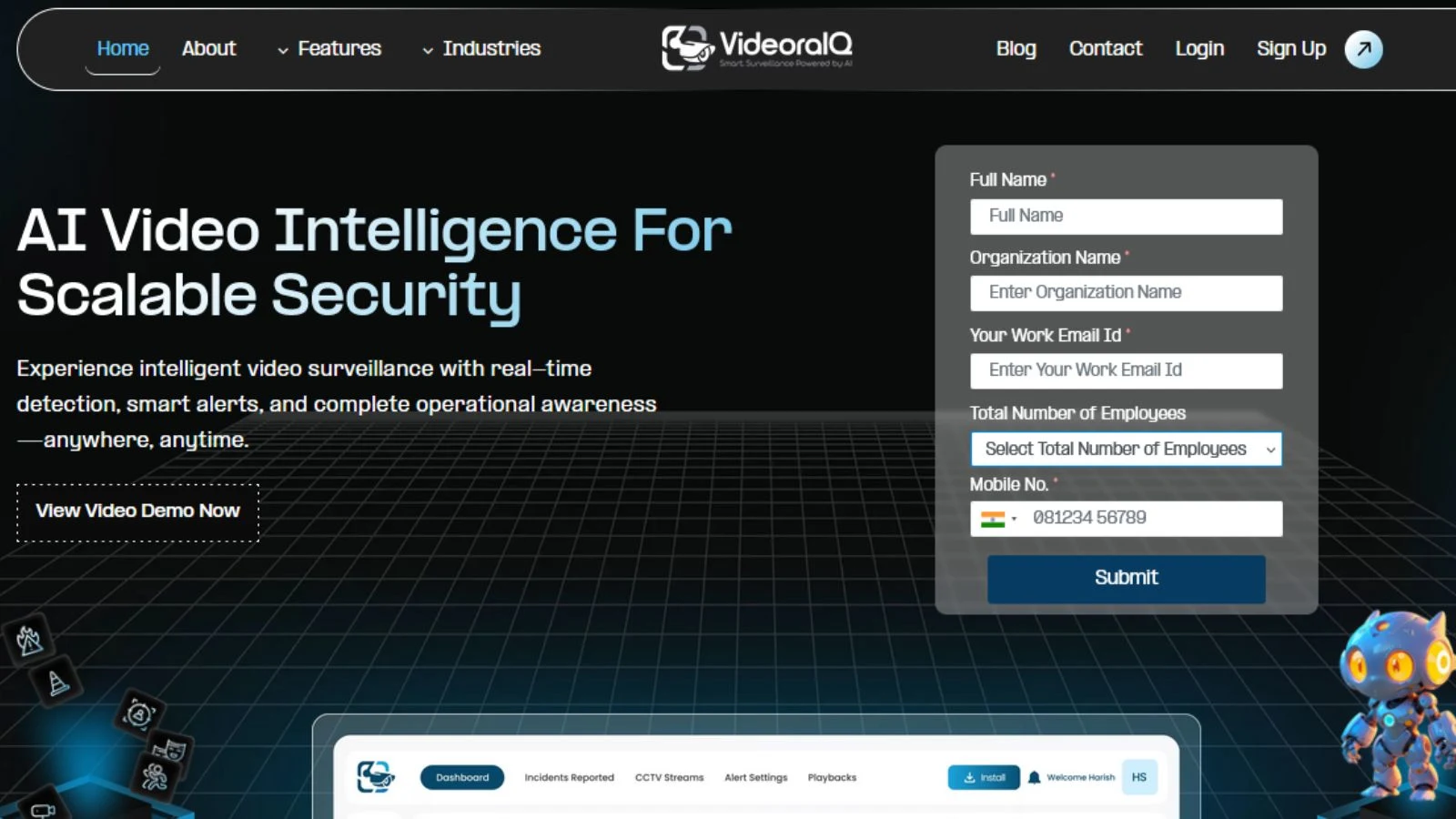
Solutions like VideoraIQ combine AI-driven analytics with real-time monitoring to deliver proactive protection. With scalable infrastructure, rapid alerts, and smart intervention capabilities, VideoraIQ helps businesses strengthen security while controlling costs.
Selecting the right partner ensures your remote video monitoring strategy delivers long-term value, reliability, and measurable results.
Conclusion
Security strategies must evolve to keep pace with modern risks. Remote video monitoring offers a smarter, proactive approach by combining real-time surveillance, AI-powered detection, and live human intervention.
Instead of reacting after an incident occurs, remote video monitoring allows businesses to prevent threats before they escalate. It reduces operational costs, improves oversight, and delivers 24/7 protection without the limitations of traditional security setups.
From construction sites and warehouses to retail stores and corporate offices, remote video monitoring is reshaping how organizations approach safety. The ability to detect, respond, and deter in real time creates a stronger, more resilient security framework.
For businesses focused on efficiency, cost control, and reliable protection, remote video monitoring is more than an upgrade; it’s a strategic advantage.
FAQ’s
1. How does remote video monitoring work?
Cameras installed on-site stream footage to a monitoring center. When unusual activity is detected either by AI or security personnel, alerts are triggered, and immediate steps are taken, such as issuing live audio warnings or notifying authorities.
2. Is remote video monitoring better than traditional CCTV?
Yes. Traditional CCTV records footage for later review, while remote video monitoring provides real-time oversight and proactive intervention, helping stop incidents before they escalate.
3. Is remote video monitoring cost-effective?
Remote video monitoring reduces the need for large on-site guard teams and helps prevent losses from theft, vandalism, and property damage, making it a cost-efficient security option.