


Student safety has always been a top priority for educational institutions. But in recent years, schools have faced a growing challenge: vaping on campus. Unlike traditional smoking, vaping devices are small, discreet, and often difficult to detect.
This is where vape detectors for schools are becoming an essential part of modern campus safety strategies. They help administrators address vaping proactively instead of reacting after the fact.
In this guide, we’ll explore how these systems work, why they matter, and how schools can implement them effectively.
You can listen to this Blog here.
Why Vaping Is a Growing Concern in Schools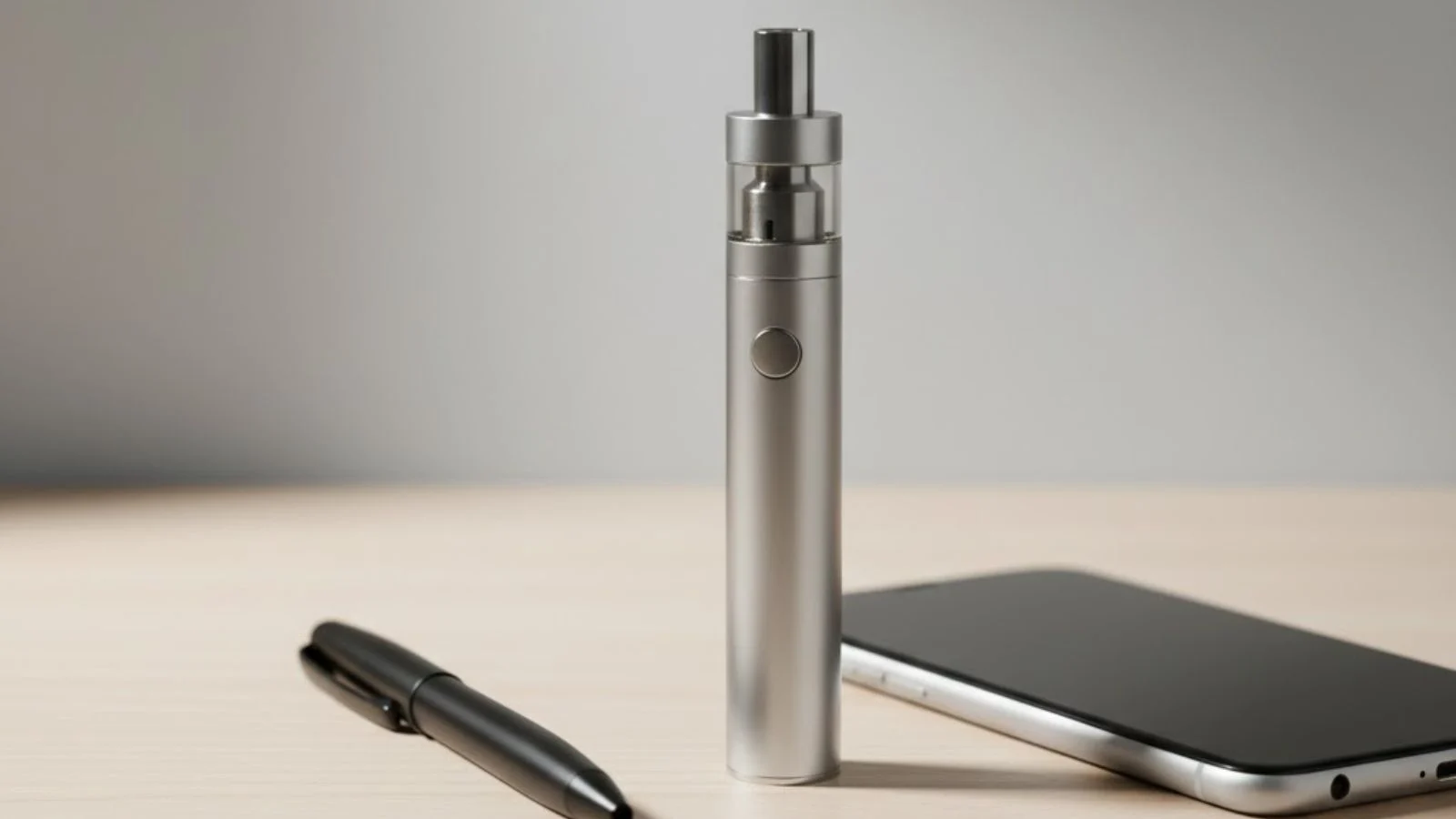
Vaping devices are designed to be compact and easy to conceal. Students can use them in restrooms, locker rooms, stairwells, and other low-supervision areas.
The concerns include:
- Nicotine addiction at a young age
- Exposure to harmful chemicals
- Peer pressure and normalization
- Disruption to the learning environment
Unlike traditional smoking, vapor dissipates quickly and may not trigger a standard smoke detector, making enforcement more challenging.
Because of this, many districts are investing in smarter monitoring solutions.
What Are Vape Detectors for Schools?
Vape detectors for schools are specialized sensors designed to detect the presence of vapor particles, chemicals, or air-quality changes associated with e-cigarette use.
Unlike regular fire alarms, these devices are engineered specifically to identify:
- THC vapor
- Nicotine vapor
- Aerosolized particles
- Air quality anomalies
They are usually installed in high-risk areas such as:
- Restrooms
- Locker rooms
- Hallways
- Cafeteria corners
These systems provide real-time alerts to administrators, allowing quick intervention.
Vape Detectors for Schools: How Do They Work?
A common question administrators ask is: vape detectors for schools how do they work?
These systems rely on advanced environmental sensing technology. Instead of detecting smoke through heat or combustion (like a traditional fire system), they monitor air composition.
Here’s how they typically function:
- Air Sampling – The device continuously analyzes the surrounding air.
- Particle Detection – It identifies aerosolized chemicals linked to vaping.
- Chemical Analysis – Sensors detect nicotine or THC compounds.
- Alert Transmission – When thresholds are exceeded, alerts are sent instantly.
Many modern devices integrate with dashboards or mobile apps, making responses immediate and trackable.
Unlike a basic smoke detector, these systems are tuned to vapor signatures rather than combustion.
How Vape Detectors for Schools Improve Student Safety
The primary goal of vape detectors for schools isn’t punishment, it’s prevention.
Here’s how they enhance safety:
✔ Early Intervention
When administrators receive real-time alerts, they can address incidents quickly and privately.
✔ Deterrence Effect
Just knowing sensors are installed significantly reduces vaping attempts.
✔ Health Protection
Reducing exposure protects non-vaping students from second hand aerosols.
✔ Data-Driven Policy
Schools can track patterns to identify hotspots and improve supervision.
✔ Improved Learning Environment
Fewer disruptions mean better focus and classroom stability.
When implemented properly, these systems promote accountability without being intrusive.
Vape Sensors vs Traditional Detection Systems
It’s important to understand the difference between vape sensors and standard safety systems.
Traditional smoke alarms detect:
- Heat
- Combustion
- Smoke particles
They are designed for fire safety, not behavioral monitoring.
Vape sensors, however, detect:
- Chemical changes in air quality
- THC and nicotine presence
- Sudden increases in aerosol particles
They may also monitor:
- Noise levels
- Aggressive behavior indicators
- Tampering attempts
This makes them more suitable for addressing modern vaping challenges.
Key Features Schools Should Look For
When choosing a vape detector for schools, administrators should evaluate more than just detection capability.
Important features include:
- Real-time alert notifications
- Cloud-based dashboard access
- Tamper detection
- Integration with existing security systems
- Privacy compliance settings
- Historical data reporting
Schools must balance safety with student privacy. These systems detect environmental changes, not video footage or personal data, when installed in private areas like restrooms.
Clear communication with parents and staff is also essential during rollout.
Addressing Privacy and Ethical Concerns
One of the biggest questions around vape detectors for schools involves privacy.
Here’s what’s important to understand:
- These systems do not record video in private areas.
- They monitor air quality, not individual identities.
- Alerts are triggered by environmental thresholds.
Transparency is critical.
Schools should:
- Inform parents and students
- Explain how data is used
- Establish clear disciplinary policies
- Focus on education and support
When handled responsibly, the goal remains student well-being, not surveillance.
Implementation Best Practices
For successful deployment, schools should follow structured planning:
1. Identify High-Risk Areas
Analyze previous incident reports to determine hotspots.
2. Install Strategically
Restrooms and locker rooms are common placements.
3. Train Staff
Ensure administrators understand response protocols.
4. Combine With Education
Pair detection with anti-vaping awareness programs.
5. Monitor Trends
Use collected data to refine supervision strategies.
Technology alone isn’t enough. Policy and education must work together.
How VideoraIQ Supports Smart Campus Safety
While vaping detection is crucial, it’s only one part of campus security.
This is where VideoraIQ enhances the overall safety infrastructure.
VideoraIQ provides:
- AI-powered video analytics
- Real-time monitoring dashboards
- Incident detection alerts
- Centralized security management
- Behavioural anomaly tracking
- Integration with multiple security systems
By combining environmental detection tools with intelligent video analytics, schools create a more comprehensive safety ecosystem.
Instead of isolated systems, administrators gain centralized oversight and faster response capabilities.
When safety technologies work together, campuses become more secure, responsive, and proactive.
The Future of School Safety Technology
Technology in education is evolving rapidly.
From access control systems to AI monitoring tools, modern campuses are becoming smarter and more data-driven.
Vape detectors for schools represent a shift toward preventive safety rather than reactive enforcement.
The future will likely include:
- Smarter AI detection models
- Predictive behavioural analytics
- Integrated safety dashboards
- Stronger compliance frameworks
Schools that adopt modern safety technology today position themselves ahead of future challenges.
Also Read,
Conclusion
Student safety requires proactive solutions.
Vaping presents unique challenges because traditional fire systems and supervision methods weren’t designed to detect discreet aerosol devices.
By implementing vape detectors for schools, administrators gain real-time awareness, deterrence benefits, and improved campus health standards.
When paired with strong policies, education programs, and intelligent monitoring platforms like VideoraIQ, schools can create a safer, healthier environment for every student.
Prevention, transparency, and technology working together are the foundation of modern campus safety.
FAQs
1. What are vape detectors for schools?
Vape detectors for schools are specialized devices installed in areas like restrooms and locker rooms to detect vapor from e-cigarettes. They monitor air quality and identify aerosol particles linked to nicotine or THC use, sending alerts to school administrators when vaping is detected.
2. Vape detectors for schools: how do they work?
If you’re wondering, vape detectors for schools how do they work, they continuously sample the air and analyze it for chemical changes associated with vaping. When certain thresholds are exceeded, the system sends real-time notifications through a dashboard or mobile alert system so staff can respond quickly.
3. Are vape sensors different from smoke detectors?
Yes. A traditional smoke detector identifies heat or smoke caused by fire. Vape sensors, on the other hand, are designed to detect aerosolized particles and chemical compounds from e-cigarettes, which typically don’t trigger standard fire alarms.