


Video analytics technology is what turns your existing cameras from passive recorders into systems that actually help you run your business better.
Right now, most cameras just capture footage. When something goes wrong, someone has to go back, find the clip, and figure out what happened. That takes time, and in many cases, it happens too late to make a difference.
Think about a typical day. A shoplifting incident happens during a busy hour. A worker slips in a warehouse corner; no one is watching. A delivery truck blocks the loading dock longer than it should. All of this gets recorded. Very little of it gets acted on in the moment.
That’s where video analytics technology changes things. It helps you notice what matters while it’s happening, not hours later.
Listen To The Podcast Now!
Why Traditional Surveillance Falls Short in Real Life
On paper, surveillance systems seem solid. Cameras are installed. Feeds are live. Footage is stored.
In reality, things look different.
No one can watch multiple screens for hours and stay sharp. Even the best security staff miss things when nothing happens for long stretches. Fatigue kicks in. Attention drops. Small but important details slip through.
Then there’s volume. Even a single location can generate more footage than anyone can realistically review. Multiply that across multiple sites, and it becomes unmanageable.
What you’re left with is a system that records everything but helps very little in the moment.
That’s the gap video analytics technology fills. It reduces the need for constant human attention and highlights only what needs action.
What Video Analytics Technology Actually Does Day to Day
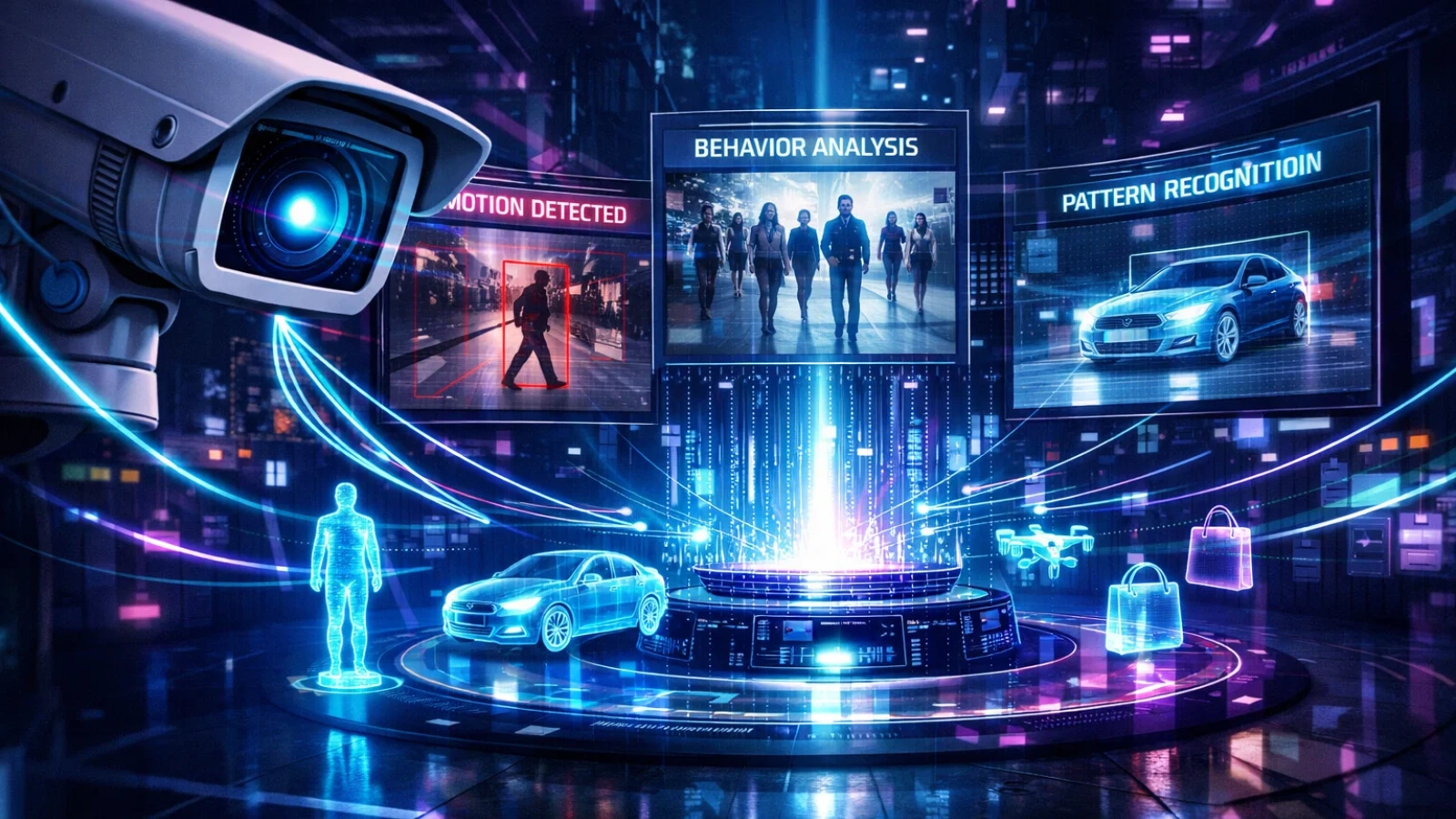
Instead of expecting someone to notice everything, video analytics technology watches continuously and points out what matters.
Here’s what that looks like in practice:
- Someone enters a restricted area after hours. You get an alert instantly.
- A person lingers near a high-risk zone longer than usual. The system flags it.
- A queue starts building at checkout. You’re notified before it becomes a problem.
You’re not watching everything anymore. You’re responding to the right things.
This shift makes a big difference. You move from reacting after the fact to acting in real time.
How Video Analytics Works
At a simple level, video analytics technology looks at video the way a person would, but without getting tired.
Each frame is analyzed. The system identifies people, objects, and movement. It compares what it sees against patterns or rules you’ve set.
If something stands out, like unusual behavior or a rule being broken, it sends an alert.
Some systems run locally for faster response. Others use the cloud for easier access and storage. Many use a mix of both.
You don’t need to manage the technical side daily. What matters is what you get out of it, which is clear, usable information.
What You Can Actually Detect
Most businesses don’t need every feature. They need the right ones.
Here are the most useful capabilities in real-world settings:
People and Movement
You can track how people move through a space. This helps with both security and operations.
For example, you can see where customers spend time or where congestion happens.
Vehicles and Access
Video analytics technology can detect vehicles, read license plates, and monitor entry and exit points.
This is useful for parking control, logistics, and restricted access areas.
Behavior
This is where things get more valuable.
The system can detect loitering, sudden crowd buildup, or unusual movement patterns. In a warehouse, it might flag unsafe behavior. In a hospital, it can detect a fall.
Unusual Activity
Some systems learn what “normal” looks like. When something doesn’t fit that pattern, it gets flagged.
This is helpful in catching issues you didn’t think to define in advance.
Choosing the Right Video Analytics Tools

This is where many businesses overcomplicate things.
Start with your actual problems. Are you trying to reduce theft? Improve safety? Understand customer behavior?
Once that’s clear, evaluate options based on:
- Compatibility with your existing cameras
- Ease of setup and use
- Accuracy in similar environments
- Support and onboarding
- Pricing structure
There are many video analytics tools available, but not all of them will suit your setup. The right choice depends on how you plan to use it day to day.
Cost vs ROI: What You Should Expect
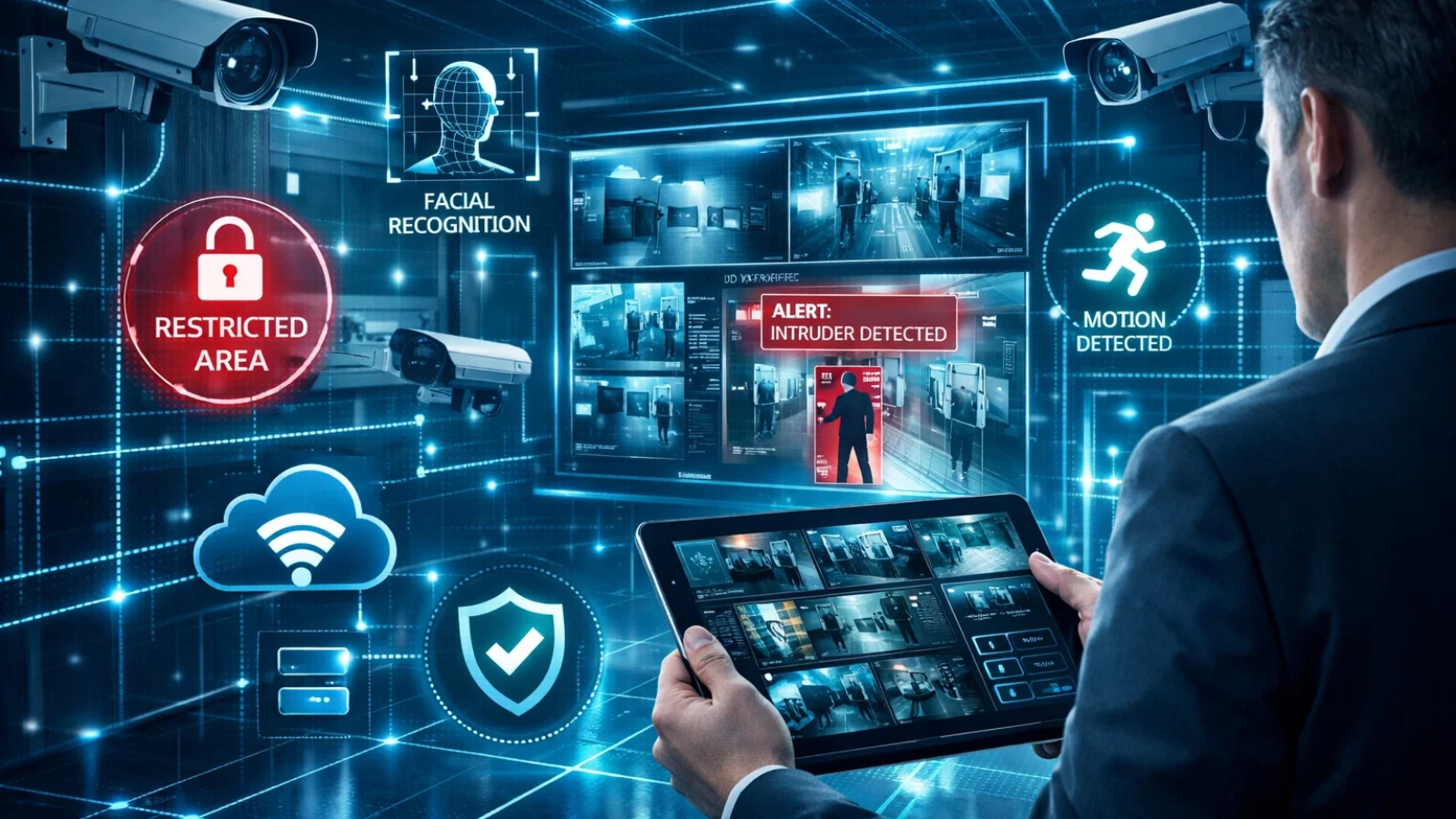
Businesses using video analytics technology often see:
- Lower theft and loss
Repeated small incidents often go unnoticed until they add up. With video analytics technology, patterns like frequent shoplifting in specific areas or suspicious behavior get flagged early. This allows teams to act quickly, adjust store layouts, or increase attention in high-risk zones before losses grow. - Faster response to incidents
Instead of discovering issues hours later, teams get real-time alerts. Whether it’s a safety hazard, unauthorized access, or unusual activity, response times improve significantly. Acting in the moment can prevent escalation and reduce damage or liability. - Reduced need for constant monitoring
Security teams don’t have to sit and watch multiple screens all day. Video analytics technology filters out normal activity and highlights only what needs attention. This not only reduces fatigue but also allows staff to focus on higher-value tasks instead of passive observation. - Better operational decisions
Beyond security, the data collected helps improve day-to-day operations. Businesses can understand customer movement, identify bottlenecks, track peak hours, and evaluate staff efficiency. These insights lead to smarter decisions that improve both performance and customer experience.
Common Mistakes to Avoid
A few patterns show up often.
Choosing a system with too many features is one of them. Most businesses only use a small portion of what they buy.
Another mistake is ignoring the setup phase. Alerts need to be tuned. Staff need to know how to respond.
Some also overlook privacy requirements, which can create issues later.
Keeping things simple and focused usually leads to better results.
Making Video Analytics Work in the Real World
At this point, the value of video analytics technology is clear. It’s not just about adding intelligence to cameras; it’s about making that intelligence usable in everyday situations.
The challenge for most businesses isn’t understanding what the technology can do. It’s finding a solution that actually fits into their workflow without adding complexity.
That’s where the right platform makes all the difference.
Also Read,
Why A Facial Recognition Camera Is The Future Of Security?
How Do Retail Video Analytics Solutions Improve Store Performance?
VideoraIQ: A Practical Solution
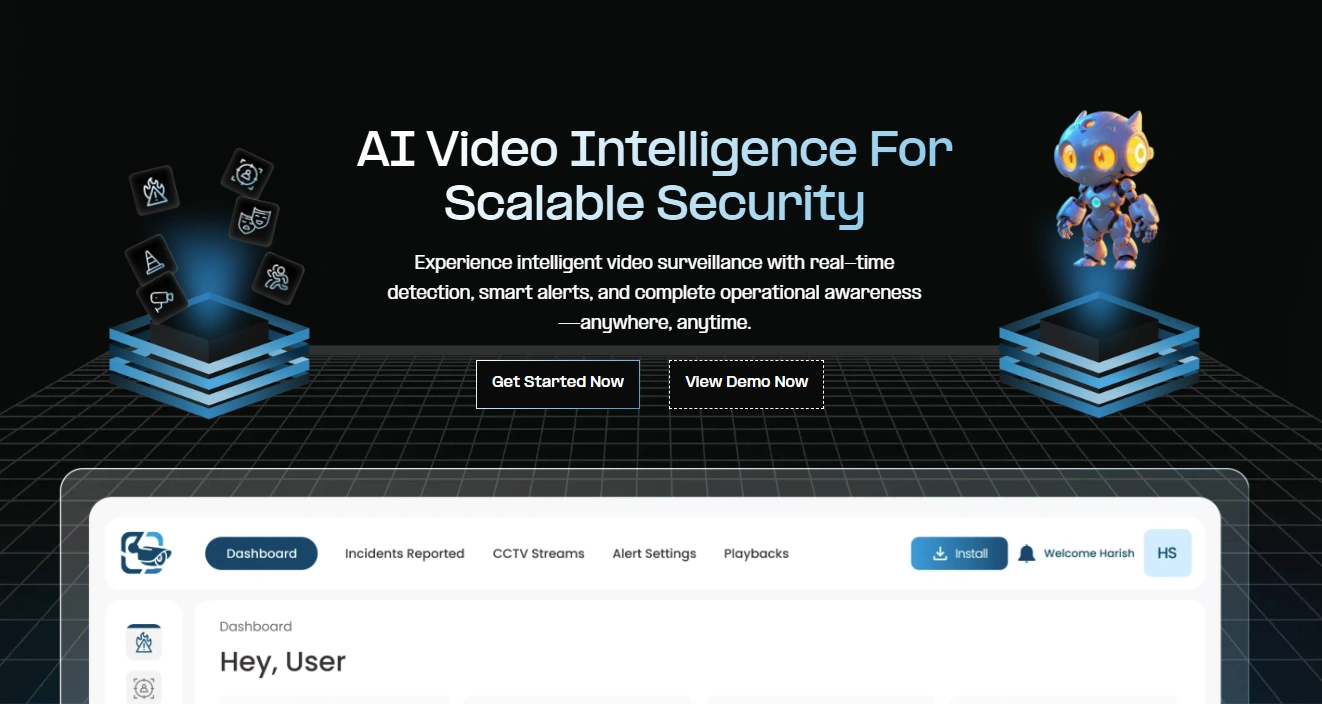
VideoraIQ helps you get the most out of video analytics technology without making things harder to manage.
It works with your existing cameras, requires minimal setup, and starts delivering useful insights quickly. Instead of overwhelming you with data, it highlights what actually needs your attention.
Here’s how it helps in practice.
Identify and track people when it matters.
You can monitor who enters and moves through your space using facial recognition when required. This makes access control, visitor tracking, and incident reviews much easier and faster.
Get real-time alerts for restricted areas.
If someone enters a restricted zone or attempts unauthorized access, you’re notified immediately. This allows your team to act in the moment instead of reacting later.
Detect objects and unusual activity automatically.
The system flags unattended or suspicious objects without manual effort. Whether it’s a bag left behind or something out of place, you’ll know right away.
Set virtual boundaries without changing your setup.
You can create virtual lines and zones across your space. When someone crosses them, you get an alert. It’s a simple way to add control without physical changes.
Respond faster to fire and smoke risks.
Early signs of fire or smoke are detected through video feeds, helping your team respond quickly and reduce potential damage.
Keep operations consistent
In retail environments, features like cashier absence detection ensure counters are not left unattended. This helps maintain service quality without constant supervision.
Stay aware in high-traffic areas.
Unattended baggage detection helps identify potential risks in public or shared spaces, so your team can act before situations escalate.
Track and manage vehicle movement.
Number plate recognition allows you to monitor vehicle access automatically, making it easier to manage entry, exits, and records.
connect more deeply with other business tools, making them part of everyday operations.
Conclusion
Right now, your cameras are collecting data.
The question is whether that data is helping you make decisions or prevent problems.
Video analytics technology changes that. It helps you act faster, reduce risks, and understand what’s happening across your business.
And in most cases, it does that using the cameras you already have.
So instead of asking whether you need more cameras, it’s worth asking if your current ones are doing enough.
FAQ
Do I need to replace my cameras?
In most cases, no. Video analytics technology works with existing IP cameras.
Will it generate too many alerts?
Only if it’s not set up properly. A well-configured system focuses on what matters.
Is facial recognition required?
No. Many businesses use video analytics technology without it.
How long does setup take?
Smaller setups can be ready in a few days. Larger ones take longer.
How do I measure success?
Start with one or two clear goals and track improvements over time.