

Security teams face growing pressure to explain what truly happened during an incident. A camera alone does not guarantee clarity. Footage often raises more questions than answers. Organizations now need accurate interpretation, not guesswork. This need drives attention toward video forensics as a trusted approach to uncover facts from recorded visuals.
Clear evidence supports better decisions, faster response, and stronger accountability. Businesses, public agencies, and legal teams rely on precise insights to protect assets and people. Video forensics fills this gap by turning raw footage into verified truth.
In a hurry? Listen to the blog instead!
What Is Video Forensics And Why It Matters Today?
Modern surveillance systems record massive volumes of footage each day. Reviewing this data manually wastes time and causes oversight. It solves this challenge by applying scientific methods to extract facts from video evidence.
This discipline focuses on authenticity, clarity, and interpretation. It verifies footage integrity, reconstructs events, and confirms timelines. Teams use it to detect tampering, enhance visibility, and validate actions caught on camera.
Organizations trust video forensics because it provides defensible proof rather than assumptions. As threats grow more complex, reliance on verified video evidence continues to rise.
The Role Of Video Analysis In Uncovering Critical Evidence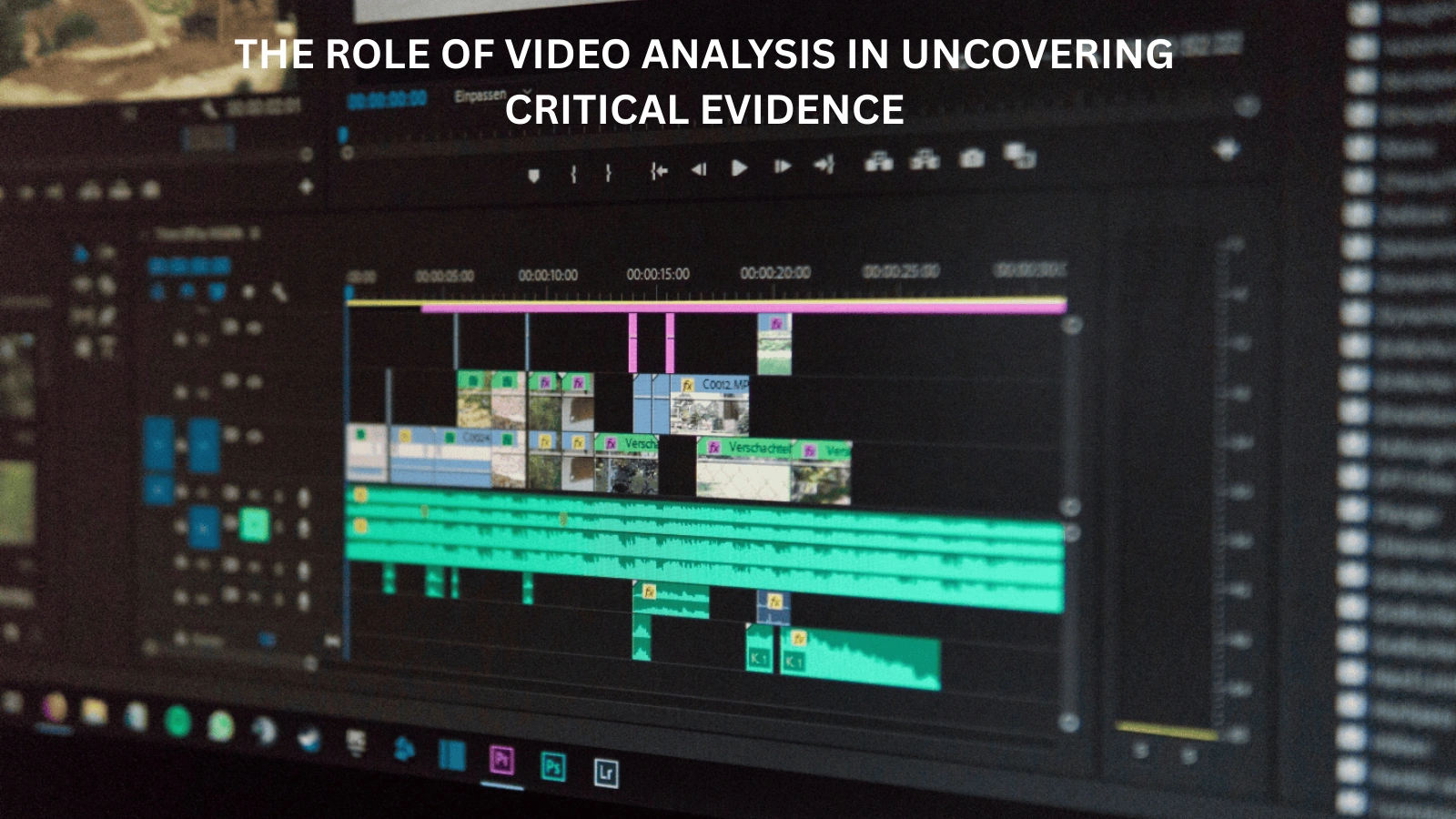
Finding reliable evidence from surveillance footage often takes more than a quick review. Important details can remain hidden within long hours of recordings, especially when scenes involve movement, crowd activity, or low visibility. Video analysis helps teams uncover these details with accuracy and speed.
Key ways video analysis supports investigations:
- Detects subtle movements and object presence that manual review may miss
Video analysis identifies small motions, brief appearances, or hidden objects that human reviewers often overlook, especially in long recordings or crowded scenes with constant visual activity. - Identifies unusual behavior and abnormal activity patterns
By comparing normal behavior patterns, video analysis highlights actions that deviate from expected movement, helping investigators focus on suspicious or irregular events within surveillance footage. - Tracks movement across frames to understand event flow
Movement tracking follows people or objects across multiple frames, allowing investigators to understand how an incident unfolded from start to finish without gaps or confusion. - Highlights critical moments automatically for faster review
Automated detection marks important events instantly, saving time by directing investigators to relevant footage instead of reviewing hours of unnecessary recordings. - Reduces the need for manual frame-by-frame scanning
Video analysis eliminates slow manual review by automatically processing footage, which allows teams to focus on decision-making rather than repetitive and time-consuming visual checks. - Connects events across multiple cameras and timeframes
By correlating footage from different cameras, video analysis creates a unified view of events, helping investigators trace movement paths and establish accurate timelines. - Helps establish clear and reliable incident timelines
Timestamped analysis aligns events in sequence, ensuring investigators understand exactly when actions occurred, which strengthens accuracy and supports accountability. - Minimizes human error during evidence review
Automated systems apply consistent rules across footage, reducing mistakes caused by fatigue, bias, or oversight, and improving overall reliability in investigations.
By delivering structured and accurate insights, video analysis strengthens video forensics and helps investigators reach confident, well-supported conclusions.
Core Techniques Used In Modern Video Forensics
Experts rely on several proven techniques to extract truth from surveillance footage. Each method plays a vital role in reliable investigation.
Frame-by-frame review allows precise examination of actions. Metadata evaluation confirms time, device, and recording conditions. Object recognition helps identify people, vehicles, and items. Motion tracking traces movement paths across locations.
It also checks file integrity. This step confirms that the footage remains untouched and authentic. These techniques combine to create a complete picture that teams can trust.
Understanding Video Forensic Tools And Their Capabilities
Technology drives accuracy in investigations. Video forensic tools support experts by automating complex tasks and improving clarity.
Reliable video forensic tools offer enhancement features, object detection, timeline reconstruction, and evidence validation. These tools reduce review time and raise investigation quality.
Manual review tools struggle with scale and consistency. AI-powered video forensic tools handle large footage volumes with precision. They also support audit trails and reporting needs, which strengthens trust in outcomes.
How VideoraIQ Helps Strengthen Video Forensics Investigations?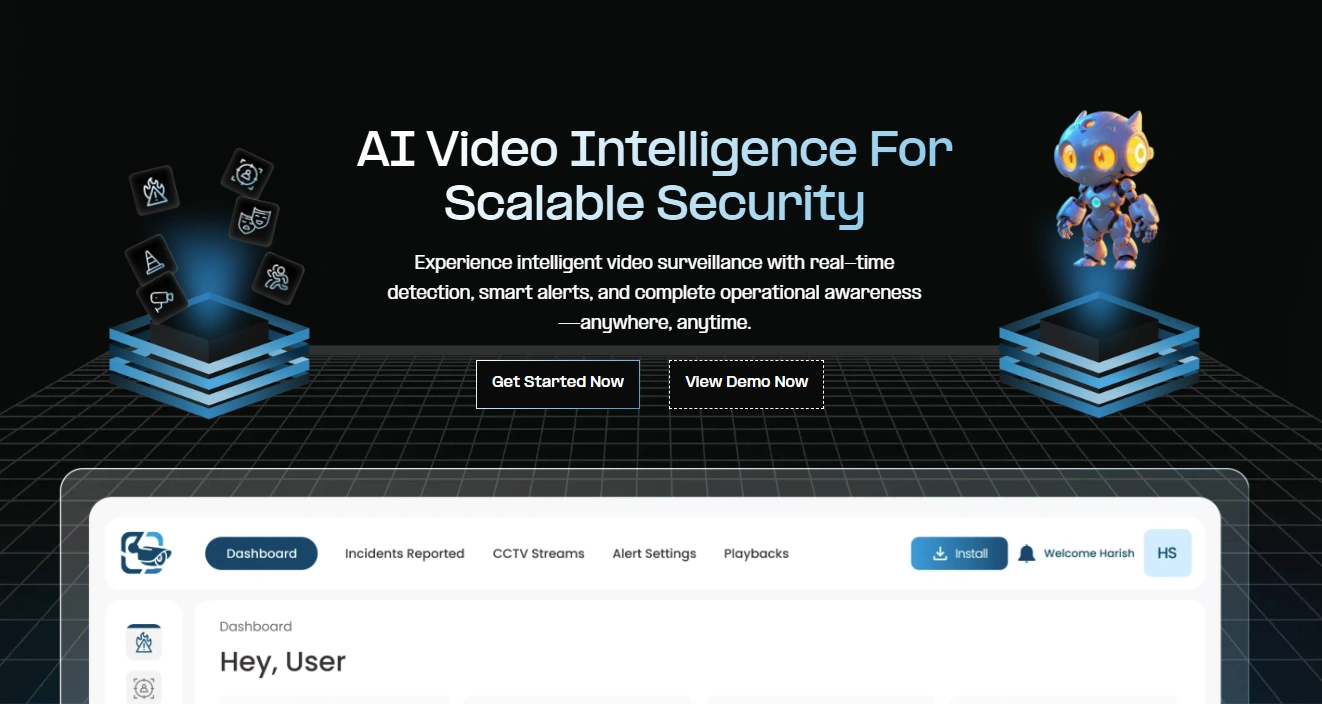
VideoraIQ enhances video forensics by turning raw surveillance footage into verified, actionable evidence. Its AI-powered video intelligence features support accurate review, faster investigation, and reliable conclusions.
Real-Time Detection for Faster Evidence Identification
VideoraIQ identifies critical events as they occur. Intrusion detection, unauthorized access alerts, and line cross detection highlight violations instantly. This real-time visibility ensures that video forensics investigations begin with precise event markers rather than hours of manual searching.
Face Recognition for Identity Verification
Face recognition helps investigators confirm who appears in footage. This feature supports video forensics by linking visual evidence to specific individuals, which strengthens accountability and investigation accuracy.
Object Detection to Track Suspicious Activity
Object detection identifies unattended baggage, restricted items, or unusual objects within monitored areas. This capability helps video forensics teams understand context and sequence during security incidents.
Line Cross Detection for Boundary Violations
Line cross detection confirms movement across defined perimeters. Investigators use this data to establish timelines and verify unauthorized movement, which adds clarity to video forensics reviews.
Fire and Smoke Detection for Incident Validation
Fire and smoke detection captures early signs of safety threats. This feature supports video forensics by providing verified visual evidence during emergency investigations.
Number Plate Detection for Vehicle-Based Evidence
Number plate detection tracks vehicle entry and exit. This feature strengthens video forensics by connecting vehicle movement with incident timelines.
Cashier Absence Detection for Operational Accountability
Cashier absence detection verifies staff presence during specific timeframes. This data supports video forensics in operational reviews and internal investigations.
Industry Use Cases Where Video Forensics Delivers Real Impact
Different industries rely on accurate video evidence to maintain safety and compliance.
Corporate offices use video forensics to investigate access violations and employee disputes. Manufacturing plants rely on it to review safety incidents and restricted zone breaches. Healthcare facilities depend on it to monitor sensitive areas and staff movement.
Public safety teams use video forensics to manage city surveillance and transit security. Event venues apply it to crowd control and unattended item detection. Educational campuses trust it to identify threats and protect students.
Across sectors, it supports accountability and faster resolution.
The Importance of Video Forensic Testimony in Legal Proceedings
Courts require evidence that can withstand strict legal and technical scrutiny. Video forensic testimony plays a crucial role by providing expert analysis and interpretation of recorded footage. Rather than simply presenting a video, a forensic expert explains what the footage shows, how it was created, and whether it can be trusted all without bias or assumption.
Through video forensic testimony, key aspects such as authenticity, continuity, timeline accuracy, and sequence of events are verified using scientific methods. This helps legal teams establish a clear, factual narrative backed by validated visual evidence, rather than relying on raw footage that may be misinterpreted.
Without proper forensic examination, video evidence can be challenged for tampering, misalignment, or lack of context, which weakens its credibility in court. Video forensic testimony ensures that conclusions are grounded in technical analysis and established forensic standards, allowing the evidence to stand on science—not opinion.
How Video Analysis Strengthens Video Forensic Testimony?
Reliable testimony depends on evidence that leaves no room for doubt. Video analysis strengthens video forensic testimony by transforming recorded footage into clear, structured, and verifiable findings that courts can trust.
Key ways video analysis supports strong forensic testimony:
- Provides objective visual evidence
Automated analysis removes guesswork by presenting measurable data such as movement paths, object presence, and event timing. - Creates clear and accurate timelines
Timestamped analysis shows the exact sequence of events, helping experts explain when each action occurred without confusion. - Improves clarity of objects and actions
Object detection and motion tracking help experts clearly identify people, vehicles, and activities captured in footage. - Reduces reliance on subjective interpretation
Consistent evaluation rules apply across all footage, minimizing bias and strengthening credibility in testimony. - Supports confident expert explanations
Structured visual findings allow forensic experts to explain incidents logically and confidently during legal proceedings. - Enhances credibility in court
Courts value clarity, consistency, and repeatability, which video analysis delivers through data-backed visual evidence.
By combining precision, consistency, and clarity, video analysis strengthens video forensic testimony and helps legal decisions rely on facts rather than assumptions.
Challenges in Video Forensics and How AI Overcomes Them?
Investigators often encounter multiple challenges when working with video forensic evidence. Reviewing massive volumes of footage can be time-consuming and mentally exhausting, especially when only a small portion is relevant. Poor lighting, low resolution, or environmental conditions can further reduce visibility, while complex or crowded scenes make it difficult to clearly interpret actions and sequences of events.
AI helps overcome these challenges through advanced automation and pattern recognition. Intelligent systems can quickly scan large datasets, filter out irrelevant footage, and flag critical moments for review, significantly reducing investigation time. AI-powered enhancement tools improve clarity and visibility while preserving the original content, ensuring the evidence remains authentic and legally reliable.
Future Trends In Video Forensics And Intelligent Surveillance
Technology continues to shape investigation methods. Predictive analytics will help teams identify risks before incidents occur. Integration across security platforms will create unified visibility.
Automation will reduce manual workload and improve response speed. It will evolve into a continuous intelligence process rather than a post-incident review.
Organizations that adopt intelligent surveillance platforms will gain stronger protection and clearer insight.
Conclusion
Truth matters when security, safety, and accountability stand at stake. It transforms surveillance footage into reliable evidence that organizations can trust.
With accurate video analysis, advanced video forensic tools, and credible video forensic testimony, teams uncover facts faster and act with confidence. Platforms like VideoraIQ strengthen this process through real-time intelligence and scalable security.
Clear evidence no longer remains hidden. Video forensics brings truth into focus.
FAQs
- What makes video forensics different from standard CCTV review?
It goes beyond playback by validating authenticity, enhancing clarity, reconstructing events, and interpreting footage scientifically to produce reliable evidence rather than simple visual observation. - How often do organizations use video analysis in investigations?
Many organizations use video analysis regularly to detect incidents, verify timelines, and review security events efficiently, especially in environments that manage large volumes of surveillance footage. - Do video forensic tools replace human investigators?
Video forensic tools assist investigators by speeding up review, reducing errors, and improving accuracy, while experts continue to apply judgment, context, and decision-making throughout investigations. - Why does video forensic testimony matter in court?
Video forensic testimony presents clear, verified explanations of footage, helping courts understand timelines, actions, and authenticity while reducing ambiguity and strengthening legal credibility. - Can AI improve video forensics accuracy?
AI improves video forensics accuracy by automating detection, maintaining consistency across footage, handling large datasets efficiently, and supporting reliable evidence analysis without altering original content.