

Security gaps do not announce themselves. They grow quietly in blind spots nobody monitors, in alerts nobody acts on, in footage nobody can find when it matters most. Every business assumes its surveillance setup works until the moment it fails them. That moment always comes at the worst possible time during a break-in, a fire, an unauthorized access attempt, or a liability dispute where footage simply does not exist.
A video management system closes those gaps before they turn into disasters. But not every system delivers on that promise. Some record. Some alert. Few actually protect. The difference between a weak system and a truly powerful video management system determines whether your security operation catches threats early or discovers them too late.
This blog breaks down exactly what separates a powerful video management system from one that wastes your money and leaves your property completely exposed.
Listen To The Podcast
What Is VMS Software And Why Does Every Business Need It?

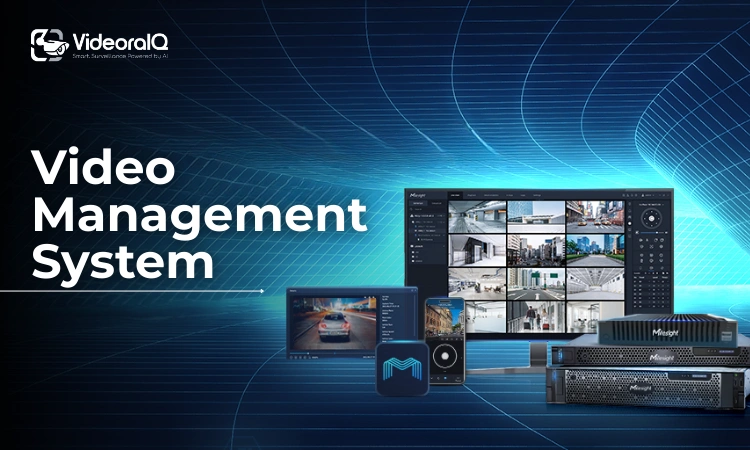
VMS software is the central platform that connects, controls, and manages every surveillance camera across your entire operation. It records footage, organizes it, and makes it instantly accessible. It sends alerts when something goes wrong and lets you pull up any camera from any location in seconds.
Without VMS software, cameras record footage that nobody watches until after an incident. That reactive approach costs businesses millions every year in theft, liability, and operational failures. A video management system flips that model completely. It puts your security team in control before incidents escalate, not after.
Every business that runs more than one camera needs a video management system. Retail stores, hospitals, schools, warehouses, corporate campuses, and government facilities all generate footage that becomes worthless without proper management. VMS software turns that footage into a functional, searchable, and intelligent security operation.
The Core Purpose Behind Video Management Systems
Video management systems exist to solve one fundamental problem: too many cameras, too much footage, and too little time for any human team to review all of it effectively. A video management system centralizes everything, automates the heavy lifting, and delivers only what your team needs to act on.
The core purpose is simple: give security teams complete visibility, instant access, and actionable intelligence all from one place.
What Separates Weak VMS Software From Truly Powerful Ones?
Most VMS software on the market records footage and plays it back. That is the baseline. Truly powerful VMS software does far more. It analyzes footage in real time, filters out irrelevant events, integrates with other security systems, and scales effortlessly as your operation grows.
The difference between weak and powerful is not just features; it is how those features perform under pressure. A video management system that slows down during high-traffic periods, misses detections in low light, or crashes during critical moments is not a security tool. It is a liability.
The Non-Negotiable Features of the Best Video Management Software
The best video management software must deliver on these capabilities without compromise:
- Real-time monitoring across all cameras simultaneously.
- AI-powered detection for faces, objects, vehicles, and behavioral anomalies.
- Instant alert delivery to mobile devices, desktops, and control room systems.
- Multi-site management from a single centralized dashboard.
- Scalable storage that grows with your camera count and retention needs.
- Role-based access control so the right people see the right footage.
- Audit logs track every action taken within the system.
If your current video management software misses even two of these, your security operation has exploitable gaps.
Why Most Video Surveillance Platforms Fall Short
Most video surveillance platforms focus on hardware compatibility and storage capacity. Those matters, but they are table stakes. What truly separates a powerful video surveillance platform from an average one is intelligence. The ability to detect, analyze, and alert automatically, accurately, and without human intervention defines whether a platform protects you or just records what went wrong.
Key Components That Make A VMS Video Management System Unstoppable
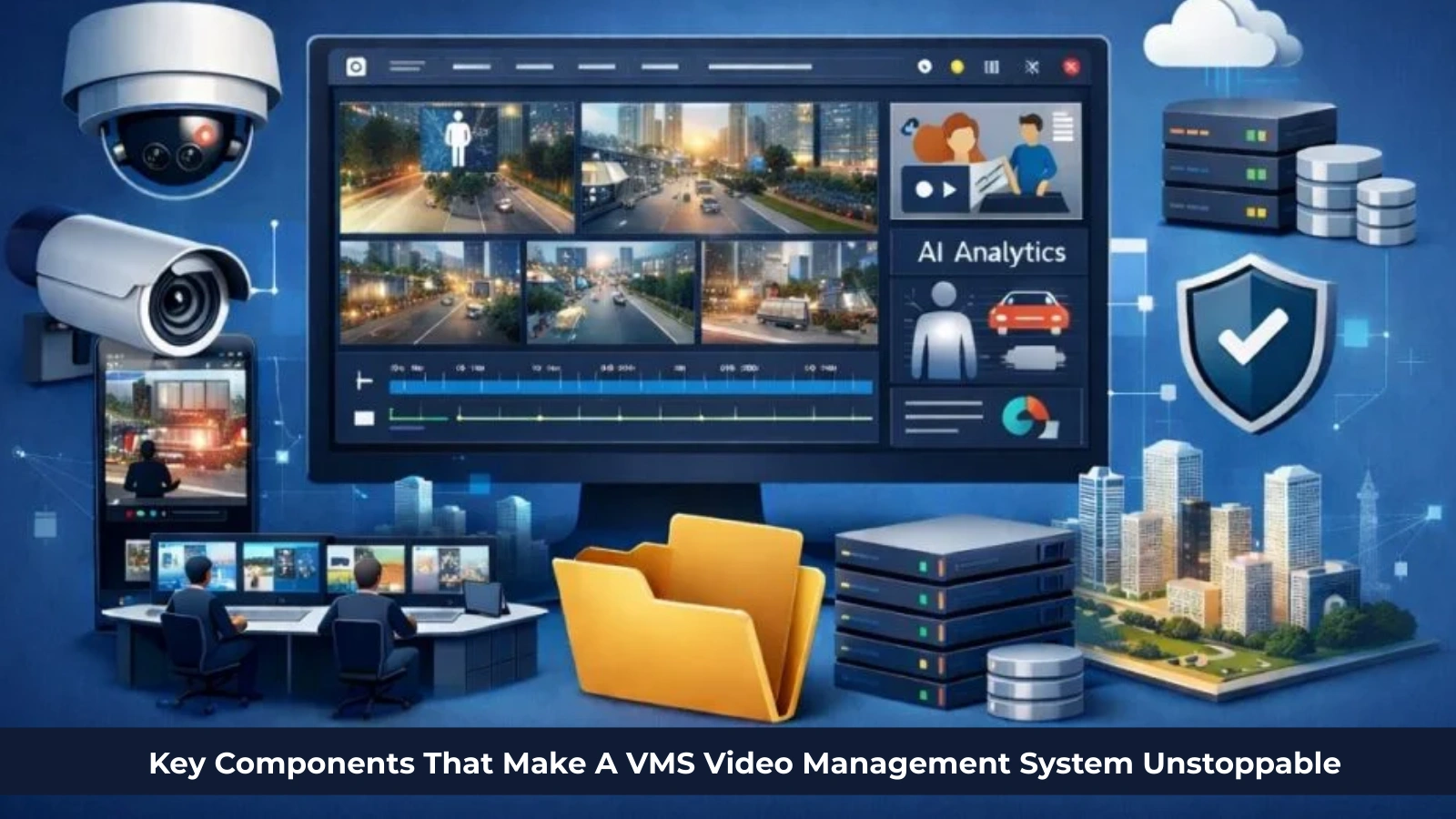
A VMS video management system earns its value through the strength of its core components. Each one plays a specific role in building a surveillance operation that never misses a moment.
Centralized Control — Every Camera, One Dashboard
A powerful video management system brings every camera — regardless of brand, model, or location — into one unified dashboard. Security managers see every feed, receive every alert, and access every recording from a single interface. No switching between systems. No logging into separate platforms for different sites. One dashboard. Total control.
AI and Analytics — The Engine Behind Smart Detection
AI transforms a video management system from a passive recorder into an active threat detector. Motion detection, facial recognition, vehicle tracking, behavioral analysis — these capabilities run automatically across every feed, every second of every day. Your team receives alerts only when something genuinely requires attention, which eliminates alert fatigue and keeps response times fast.
Storage Solutions — Cloud, Edge, and Hybrid Explained
Storage strategy determines how much footage you keep, how fast you access it, and how much you spend maintaining it. Cloud storage gives you remote access and unlimited scalability. Edge storage keeps footage local for faster retrieval and continued operation during network outages. Hybrid storage combines both local speed and cloud backup. The best video management software supports all three and lets you choose based on your specific operational needs.
System Integration — When Your VMS Talks to Everything
A video management system that operates in isolation misses half its potential. The most powerful setups connect VMS software with access control systems, intrusion alarms, fire detection panels, and visitor management platforms. When a badge swipe triggers an alert, the video management system pulls up the relevant camera automatically. When a fire alarm activates, the system logs footage from every affected zone instantly. Integration turns separate tools into one unified security ecosystem.
How The Best Video Management Software Handles Real Threats
Threat response speed determines whether an incident gets contained or escalates into a crisis. The best video management software compresses the time between detection and response to seconds.
Real-Time Alerts That Refuse to Let Danger Slip Through
Every second between detection and response gives a threat room to grow. A powerful video management system sends alerts the moment it detects unauthorized access, suspicious behavior, or a safety hazard. Those alerts arrive with a timestamped snapshot, camera location, and event classification so your team acts with full context rather than scrambling to find footage after the fact.
Remote Access — Full Control From Anywhere on Earth
A video management system without remote access chains your security team to a physical location. The best video management software delivers live feeds, recorded footage, and system controls to any authorized device phone, tablet, or laptop from anywhere. A facility manager in Mumbai can monitor a warehouse in Dubai in real time. That level of control removes geography as a security limitation entirely.
How VideoraIQ Makes Your Video Surveillance Truly Unstoppable?
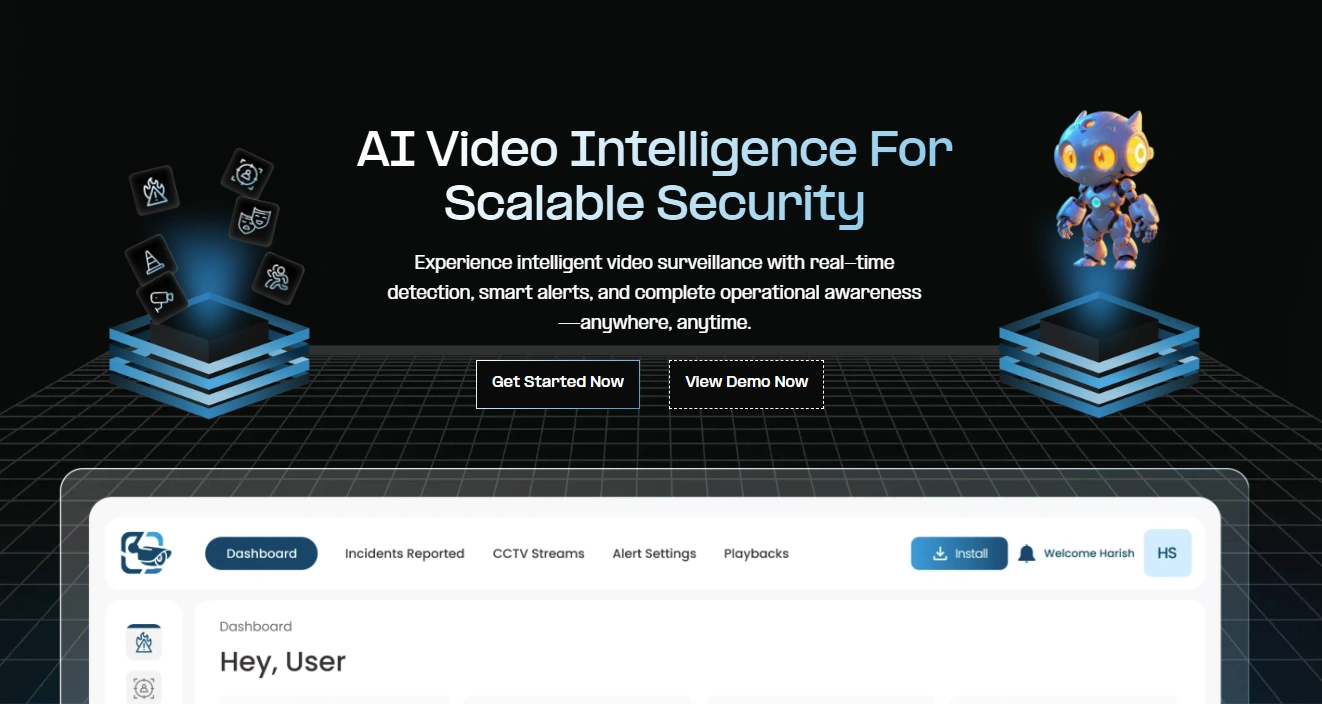
Security software should do more than store footage. VideoraIQ transforms every camera in your network into an active, intelligent guardian. It layers powerful AI directly over your existing camera infrastructure: no new hardware, no complex rewiring, and no costly replacements. Every camera connected to VideoraIQ thinks, detects, and alerts from day one.
The VideoraIQ dashboard centralizes every camera across every location into one clean interface. Security teams manage alerts, review footage, and audit access history without switching between platforms. The video management system scales from one site to hundreds without rebuilding a single part of your existing setup.
VideoraIQ runs nine powerful AI features simultaneously on your existing cameras:
- Face Recognition — Identifies and flags unknown individuals instantly.
- Intrusion Detection — Alerts the moment anyone enters a restricted zone.
- Object Detection — Spots suspicious or unattended items in real time.
- Unauthorized Access Alerts — Notifies your team before a breach escalates.
- Fire and Smoke Detection — Catches early signs before damage spreads.
- Line Cross Detection — Monitors every virtual boundary around the clock.
- Unattended Baggage Detection — Flags abandoned items before threats grow.
- Cashier Absence Detection — Keeps retail counters staffed and protected.
- Number Plate Recognition — Logs every vehicle that enters your property.
For any business that needs a video surveillance platform that prevents incidents rather than just recording them, VideoraIQ is the only answer worth considering.
Who Needs A Video Management System The Most?
Every organization that runs surveillance cameras needs a video management system. But some environments make it absolutely non-negotiable.
Industries Where the VMS Video Management System Is Non-Negotiable
A VMS video management system delivers critical value across these sectors:
- Healthcare — Monitors sensitive zones, tracks staff movement, and protects patient safety.
- Education — Secures campus entry points, detects intruders, and monitors after-hours activity.
- Retail — Prevents theft, monitors cashier zones, and tracks customer movement patterns.
- Manufacturing — Enforces restricted zone access and detects fire or safety hazards early.
- Corporate — Controls access to server rooms, executive floors, and sensitive areas.
- Public Safety — Monitors transit hubs, city spaces, and government facilities in real time.
Also Read:
Video Management Software: Features, Pricing & Guide
Why Intelligent Video Analytics Matter More Than Ever?
How To Choose The Best Video Management Software For Your Business?
The market offers dozens of options. Most make identical promises. Here is how you cut through the noise and find the system that actually fits your needs.
The Questions You Must Ask Before You Invest
Before you commit to any video management software, get clear answers to these questions:
- Does it support your existing cameras or force you to buy new hardware?
- How fast does it deliver alerts after a detection event?
- Does it offer AI analytics or just basic motion detection?
- Can it scale to additional sites without a full system rebuild?
- What storage options does it support: cloud, edge, or hybrid?
- Does it integrate with your access control and alarm systems?
Any vendor that cannot answer these questions clearly does not deserve your investment.
On-Premise vs Cloud Video Surveillance Platform: Which Wins?
An on-premise video surveillance platform stores footage locally on your servers. You control everything, but maintenance, hardware upgrades, and physical security of the server all fall on your team. A cloud video surveillance platform stores footage remotely, delivers automatic updates, and requires no server maintenance. For most businesses, especially those managing multiple locations, a cloud video surveillance platform wins on cost, flexibility, and scalability. Hybrid setups give you the speed of local storage with the resilience of cloud backup.
Is A Video Management System Worth The Investment?
Every business that hesitates on this question has not calculated what a single serious security incident costs.
The ROI Behind Powerful VMS Software
Powerful VMS software pays for itself through prevention. One prevented theft, one early fire detection, one blocked unauthorized access, any single event that the system catches and stops delivers more value than the annual cost of the platform. Businesses that track security incidents before and after VMS software deployment consistently report significant drops in theft, liability claims, and operational disruptions within the first year.
What Happens To Businesses That Ignore Video Management Systems
Businesses that skip a video management system rely on human monitoring, which means they rely on human attention spans, shift schedules, and fatigue. Incidents happen during shift changes. Threats escalate while operators watch different feeds. Evidence disappears because nobody set up proper retention policies. The cost of ignoring video management systems is not theoretical; it shows up in insurance claims, legal fees, and reputational damage that no business recovers from quickly.
Conclusion
A video management system is not optional for any business that takes security seriously. It is the difference between surveillance that records and surveillance that protects. The most powerful video management system combines centralized control, AI-driven detection, seamless integration, and instant alert delivery, all accessible from anywhere, at any time.
VideoraIQ delivers every one of those capabilities on a single, cloud-based video surveillance platform that works with your existing cameras from day one. Stop accepting a video management system that just records. Demand one that defends.
FAQs
Q1. What is a video management system, and how does it work?
A video management system connects all cameras into one platform, records footage automatically, and sends instant alerts when threats appear.
Q2. What is the difference between VMS software and basic CCTV recording?
VMS software analyzes live footage, detects threats automatically, and integrates with other security systems. Basic CCTV only stores raw footage.
Q3. Which industries benefit most from video management systems?
Healthcare, education, retail, manufacturing, and corporate offices all rely on video management systems to manage cameras and strengthen security operations.