

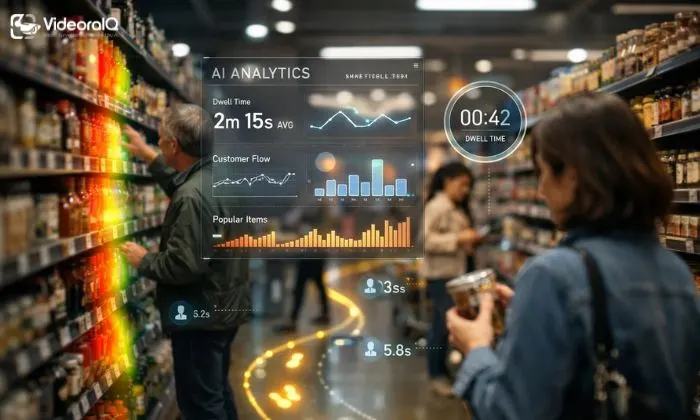
Walk into any retail store today, and there’s a lot more happening than just browsing and buying. Every movement where customers pause, what they pick up, how long they stay in an aisle tells a story. The challenge? Most retailers never fully capture or use that information.
That’s where video analytics for retail steps in. Instead of relying on guesswork or manual observation, stores can now turn everyday camera footage into actionable insights. It’s no longer just about security cameras sitting in the corner, it’s about understanding behavior, improving layouts, and making smarter decisions in real time.
As competition tightens and customer expectations rise, retailers need more than instinct to stay ahead. They need data that actually reflects what’s happening inside their stores.
Listen To The Blog Post!
What Is Video Analytics for Retail?
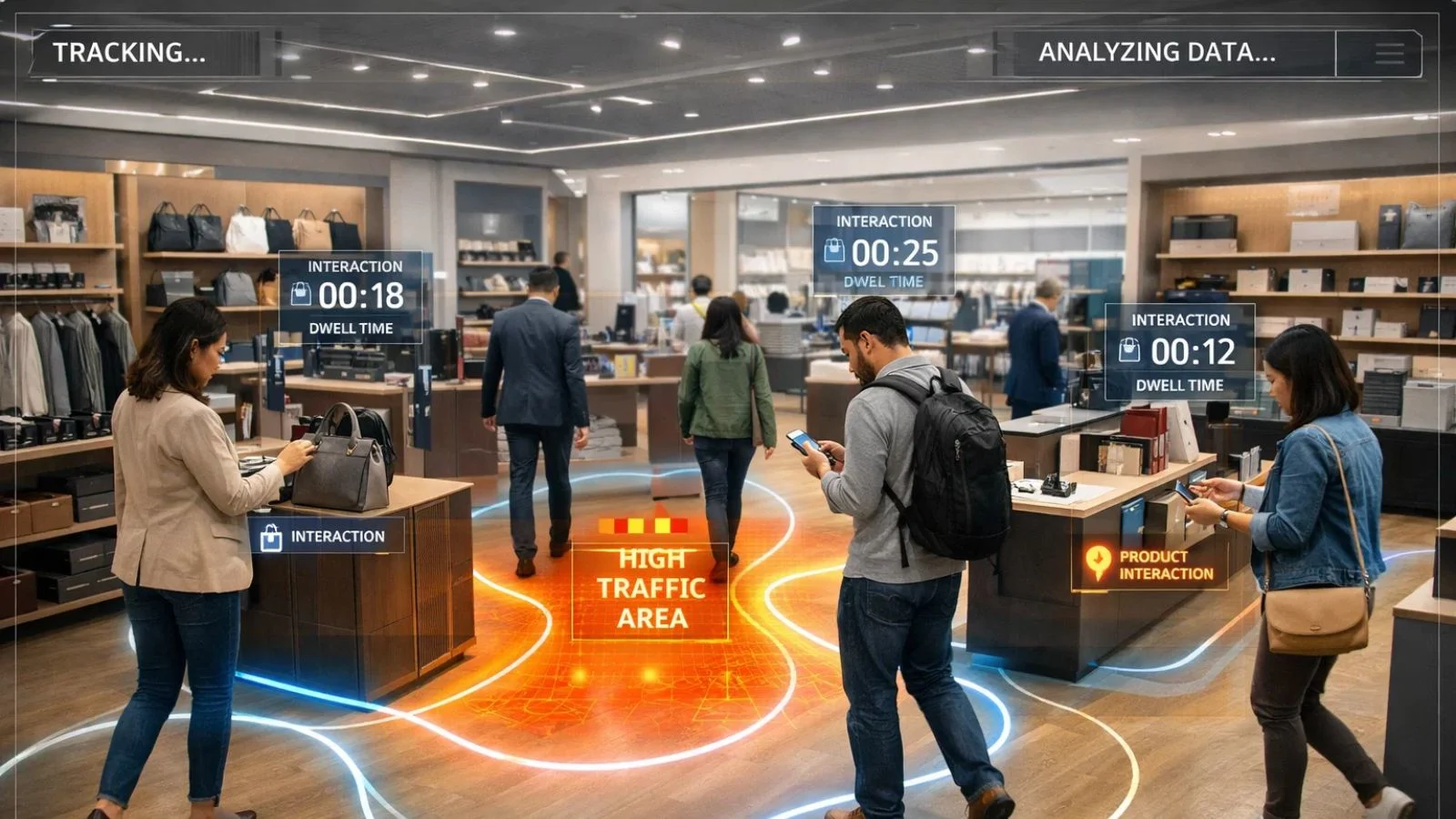
At its core, Video Analytics for retail is the process of using AI-powered software to analyze video footage from in-store cameras and extract meaningful insights.
Traditional surveillance systems simply record footage. Video analytics goes a step further it interprets what’s happening.
This includes tracking how customers move through the store, identifying high-traffic zones, measuring dwell time, and even detecting patterns like queue formation or product interaction. Instead of watching hours of recordings, retailers get structured data they can actually use.
For example, video analytics for retail stores can show which sections attract the most attention but fail to convert into sales. That’s the kind of gap retailers usually miss without data.
Modern systems are designed to work in real time. That means store managers can respond instantly whether it’s opening a new billing counter during peak hours or adjusting staff placement on the floor.
Why It Matters More Than Ever
Retail has changed. Customers expect faster service, better layouts, and personalized experiences even in physical stores.
Without insights, meeting those expectations becomes difficult.
Video analytics for retail helps bridge that gap by giving retailers visibility into what actually drives customer behavior. It removes the guesswork from decisions like product placement, store design, and staffing.
For instance, in video analytics for retail markets, businesses often discover that certain aisles get heavy traffic but low engagement. That’s not something sales data alone can reveal. With the right insights, they can reposition products or redesign the space entirely.
Another reason it matters is efficiency. Stores can reduce long queues, optimize employee allocation, and improve overall operations without increasing costs. Small changes, backed by data, often lead to noticeable improvements.
And then there’s security. Beyond operations, video analytics applications for a retail store can help detect suspicious behavior, prevent theft, and ensure a safer shopping environment without constant manual monitoring.
Key Features of Video Analytics in Retail
The strength of video analytics for retail lies in how it turns everyday store activity into clear, usable insights.
Foot traffic tracking helps retailers understand when stores are busiest and plan staffing accordingly. Heatmaps reveal which areas attract attention, often uncovering sections that get high visibility but low conversions.
Dwell time tracking shows how long customers spend in specific zones, helping identify where interest drops off. Queue management alerts staff when lines get too long, improving the checkout experience in real time.
Another key feature is customer journey tracking, which maps how shoppers move through the store from entry to exit. Combined, these capabilities give retailers a much clearer view of what’s actually happening on the floor something traditional systems simply can’t offer.
Top Use Cases of Video Analytics in Retail
The real impact of video analytics for retail becomes clear when you look at how stores actually apply it in day-to-day operations. It’s not just about collecting data it’s about solving practical retail problems.
One of the most common use cases is store layout optimization. Retailers use insights from foot traffic and heatmaps to redesign store layouts so high-visibility areas are used more effectively. For example, if customers frequently pass a section but rarely engage, it signals a need to reposition products or improve display strategy.
Another important use case is staff optimization. By analyzing peak hours and customer flow, managers can schedule employees more efficiently. Instead of overstaffing during slow periods or understaffing during rush hours, decisions are based on actual traffic patterns.
Queue monitoring is another major application. Long wait times at checkout counters can directly impact sales. With video analytics for retail stores, systems can detect queue buildup and alert staff to open additional billing counters before frustration builds.
Retailers also use these systems for shrinkage and loss prevention. While not replacing security systems, video analytics applications for a retail store can highlight unusual movement patterns or high-risk zones where theft is more likely to occur.
In video analytics for retail markets, businesses often use behavioral insights to improve product placement strategies. Understanding how customers move through different sections helps retailers position high-margin products in areas with maximum visibility.
Some advanced setups even support promotion effectiveness tracking, helping retailers see whether in-store displays or campaigns are actually influencing customer behavior or getting ignored.
Together, these use cases show how video analytics moves beyond observation and becomes a practical tool for improving both sales and operations.
Benefits of Video Analytics for Retail
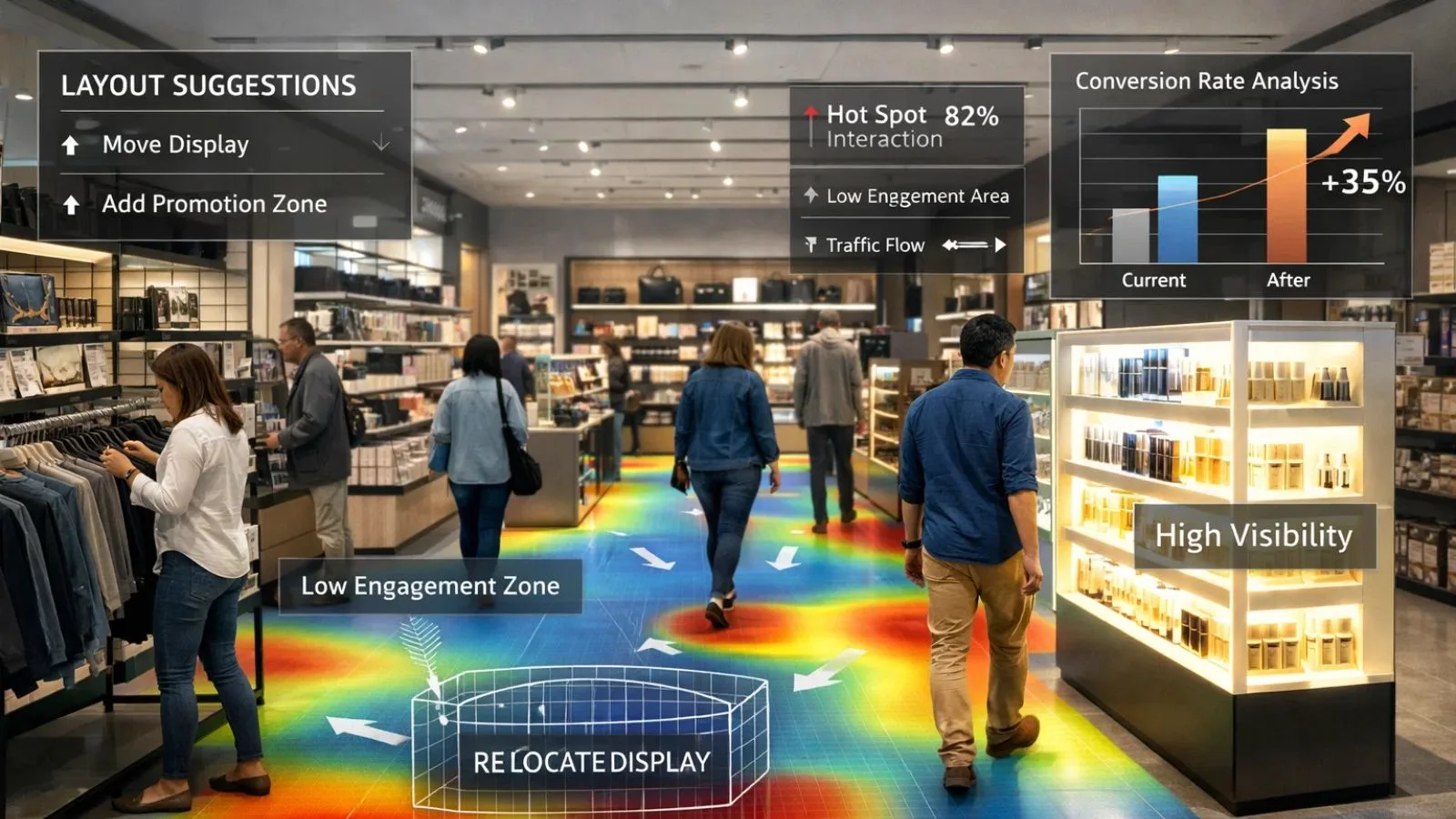
The adoption of video analytics for retail is growing mainly because it delivers clear, measurable improvements in how stores operate and perform.
One of the biggest benefits is better decision-making. Instead of relying on assumptions, retailers can use real customer behavior to guide decisions around layout, staffing, and promotions. This reduces trial-and-error and leads to faster improvements.
Another major advantage is improved customer experience. By understanding movement patterns and peak hours, stores can reduce congestion, shorten wait times, and make shopping smoother overall. Even small changes like opening an extra counter at the right time can make a noticeable difference.
Operational efficiency also improves significantly. With insights from video analytics for retail stores, managers can align staff schedules with actual demand, reduce idle time, and ensure better floor coverage without increasing costs.
From a revenue perspective, retailers benefit through higher conversion rates. When store layouts and product placements are optimized using real data, customers are more likely to discover and purchase products they might otherwise miss.
Loss prevention is another important gain. While not a replacement for security systems, video analytics applications for a retail store help identify unusual patterns and high-risk zones, reducing shrinkage over time.
Finally, scalability is a key advantage. In video analytics for retail markets, chains with multiple stores can standardize insights across locations, helping them replicate what works and fix what doesn’t on a larger scale.
Video Surveillance and Analytics for Retail Stores Case Study
A mid-sized fashion retail chain faced two major issues: high weekend queues and strong footfall that wasn’t converting into sales. Traditional CCTV footage only helped with security, not decision-making.
To solve this, the retailer implemented a video analytics for retail solution across selected stores.
Key findings from the system:
- Customers spent most time near entrance promotional displays
- Very few shoppers moved deeper into the store
- Peak congestion consistently occurred at billing counters
- Store layouts were not aligned with natural customer movement
Actions taken based on insights:
- High-margin products were moved closer to high-traffic zones
- Store layouts were redesigned using heatmap data
- Staff schedules were adjusted using peak traffic insights
- Billing counters were optimized using real-time queue alerts from video analytics for retail stores
Results observed:
- Faster checkout experience during peak hours
- Better product visibility for high-value items
- Reduced customer drop-offs at billing queues
- Improved conversion rates across stores
- Scalable improvements applied across video analytics for retail markets
This video surveillance and analytics for retail stores case study shows how behavioral data can replace assumptions and directly improve both operations and sales performance.
Also Read:
How Do Retail Video Analytics Solutions Improve Store Performance?
Smarter Retail Insights with VideoraIQ
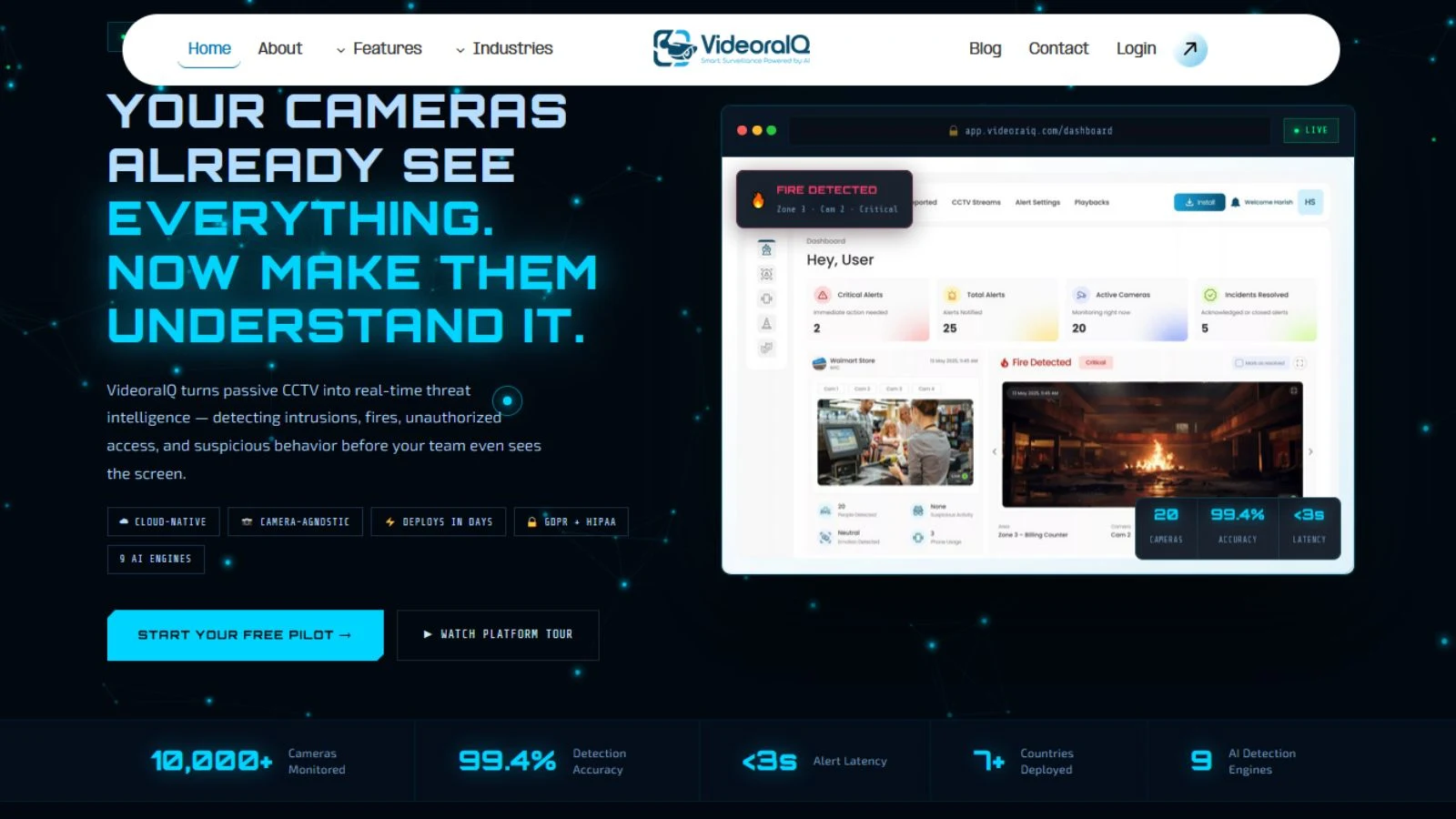
Modern retail needs more than observation it needs intelligence. That’s where VideoraIQ helps retailers turn everyday camera footage into actionable insights.
Key capabilities:
- Real-time foot traffic analysis
- Heatmaps for store layout optimization
- Queue monitoring and alerts
- Customer movement tracking
- Store performance insights across locations
- Scalable analytics for multi-store retail chains
With tools like VideoraIQ, retailers can move beyond traditional surveillance and build data-driven store strategies that improve both customer experience and revenue performance.
Conclusion
Retail is no longer just about having products on shelves, it’s about understanding how customers actually behave inside the store. That’s where video analytics for retail is changing the game.
Instead of relying on assumptions, retailers now have access to real, continuous insights about movement patterns, store engagement, and operational flow. From improving layouts to reducing queue times and increasing conversions, the impact is both practical and measurable.
As competition grows, tools like video analytics for retail stores are becoming less of an advantage and more of a necessity for staying efficient and relevant. The ability to act on real in-store behavior helps retailers respond faster and make smarter decisions across every location.
FAQs
- What is video analytics for retail?
It is a technology that uses AI to analyze CCTV footage in stores and convert it into insights like customer movement, dwell time, and store traffic patterns. - How is video analytics different from traditional CCTV?
Traditional CCTV is mainly for security and recording. Video analytics for retail turns that footage into actionable data for improving sales and operations. - Can video analytics help increase sales?
Yes. By optimizing store layouts, improving product placement, and reducing queue times, it can directly improve conversion rates. - Is video analytics useful for small retail stores?
Yes, even small stores can use it to understand peak hours, customer flow, and improve staffing efficiency.