

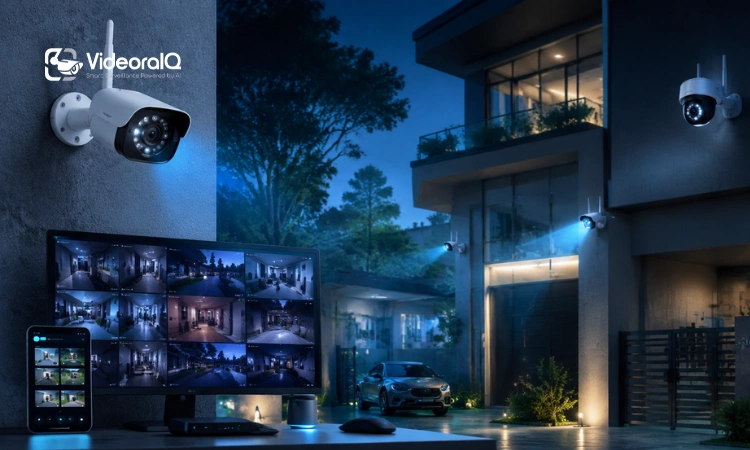
When it comes to protecting what matters most, having the right security camera can make all the difference. Whether you’re securing your home or overseeing an industrial site, choosing the best security camera goes beyond just picking the most expensive model or the one with the most features. You need to focus on the core aspects that will truly enhance your security.
Whether you’re choosing security cameras for home protection or monitoring a commercial property, selecting the right features is essential for effective surveillance. In this guide, we’ll break down five essential features every security camera should have, explaining why they matter and how they can help you make an informed choice.
Listen To The Blog Post!
Why Security Cameras Are a Must-Have for Your Business or Home
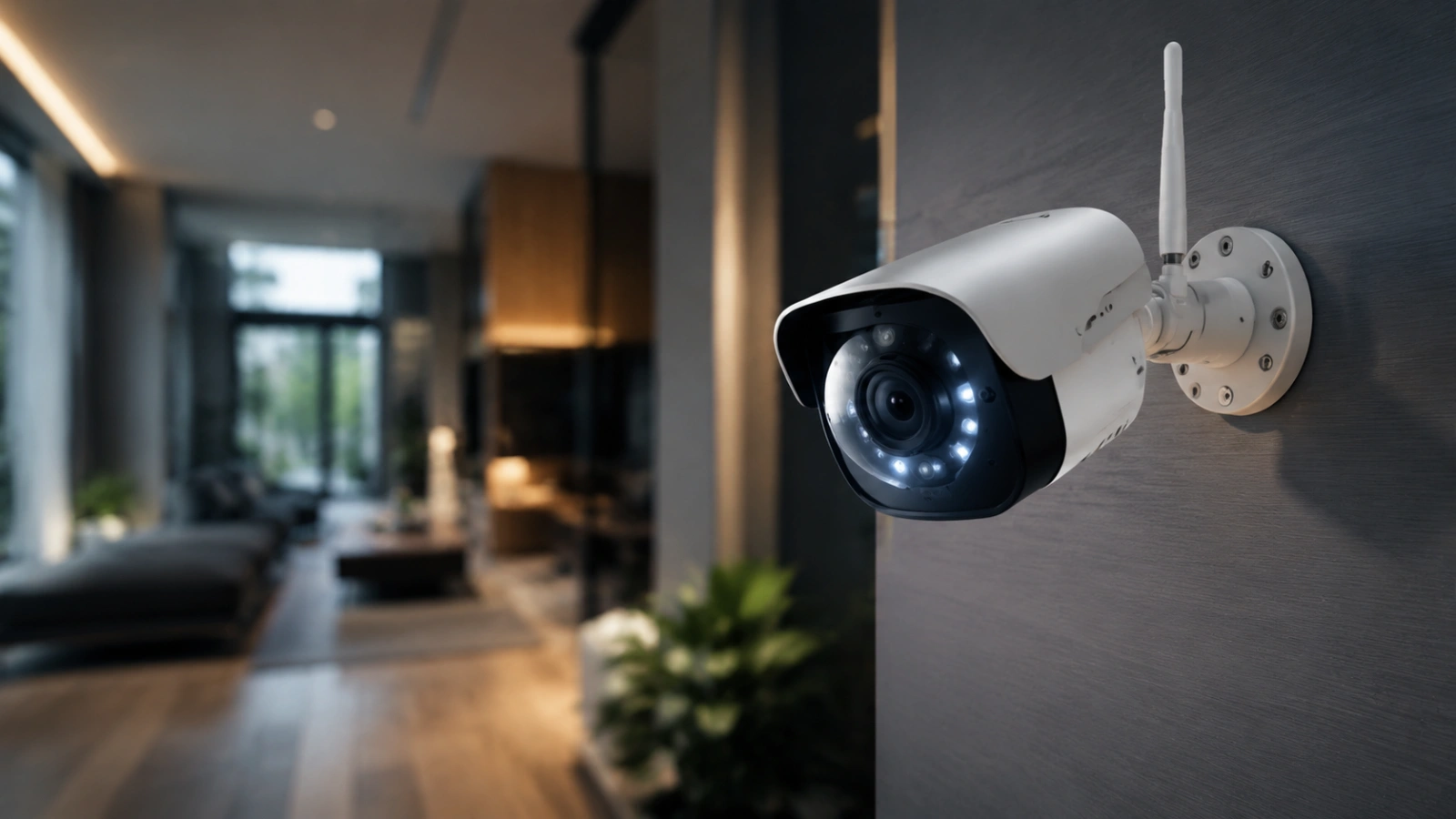
Security cameras are essential for both homes and businesses to protect against theft, monitor activity, and provide peace of mind. Here’s why they are crucial:
- Prevent Theft: Visible surveillance cameras act as a deterrent to criminals, reducing the likelihood of break-ins or theft.
- Remote Monitoring: Homeowners can monitor their property from anywhere, giving them real-time control over security.
- Protect Assets: Cameras help safeguard valuable possessions, whether it’s at home or in an industrial setting.
- Increase Safety: For businesses, security cameras can monitor employee safety and ensure protocols are followed.
- 24/7 Surveillance: Cameras provide round-the-clock protection, capturing activity even during the night with night vision features.
- Evidence Collection: In the event of a security breach, recorded footage can be used as evidence for investigations or insurance claims.
With constant threats, having a reliable security camera system is no longer optional—it’s vital for protecting your property and assets.
5 Key Features Every Security Camera Must Have
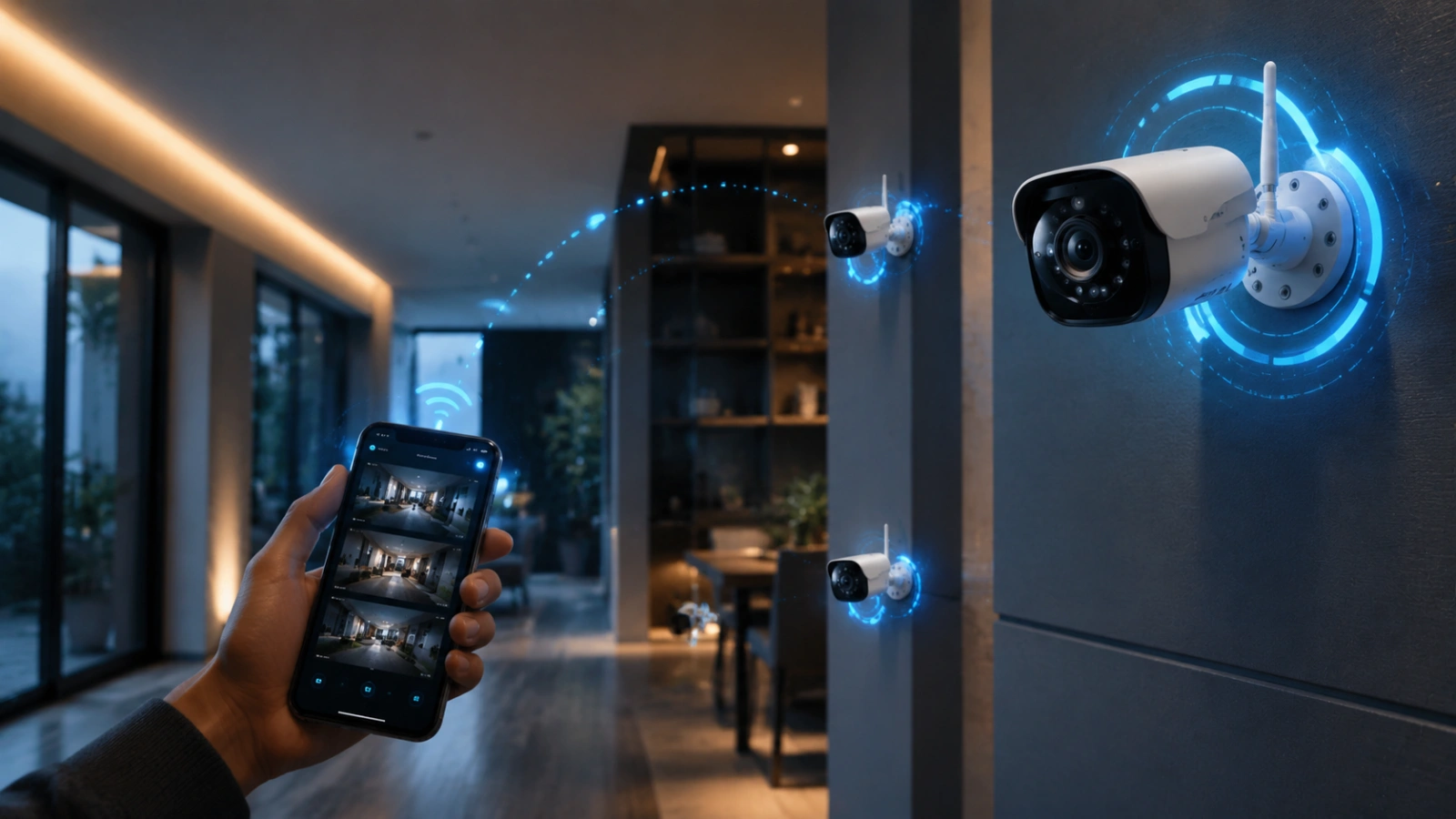
Not all surveillance cameras are created equal. To ensure your investment is worthwhile, it’s crucial to focus on the features that matter most. Let’s dive into the five key elements you should look for when choosing a security camera:
- High Resolution for Clear Footage
When selecting security cameras, the clarity of the footage should be a top priority. Cameras with high-definition (HD) resolution, such as 1080p or 4K, provide clear images, making it easier to identify intruders or suspicious activity. While it might be tempting to choose a lower-priced camera with lower resolution, poor-quality footage can be ineffective, especially in the event of a security breach. A high-resolution camera ensures you capture every detail, whether it’s the face of a trespasser or the license plate of a vehicle. - Wireless Capability for Easy Installation
Traditional wired security cameras can be cumbersome to install, especially in complex or expansive areas. Wireless surveillance cameras offer flexibility and ease of installation. These cameras communicate over Wi-Fi, meaning there’s no need to run cables or drill holes. Whether you’re setting up a security system for your home or a large facility, wireless cameras simplify the installation process and can be placed in a variety of locations without the hassle of wiring. - Night Vision for 24/7 Protection
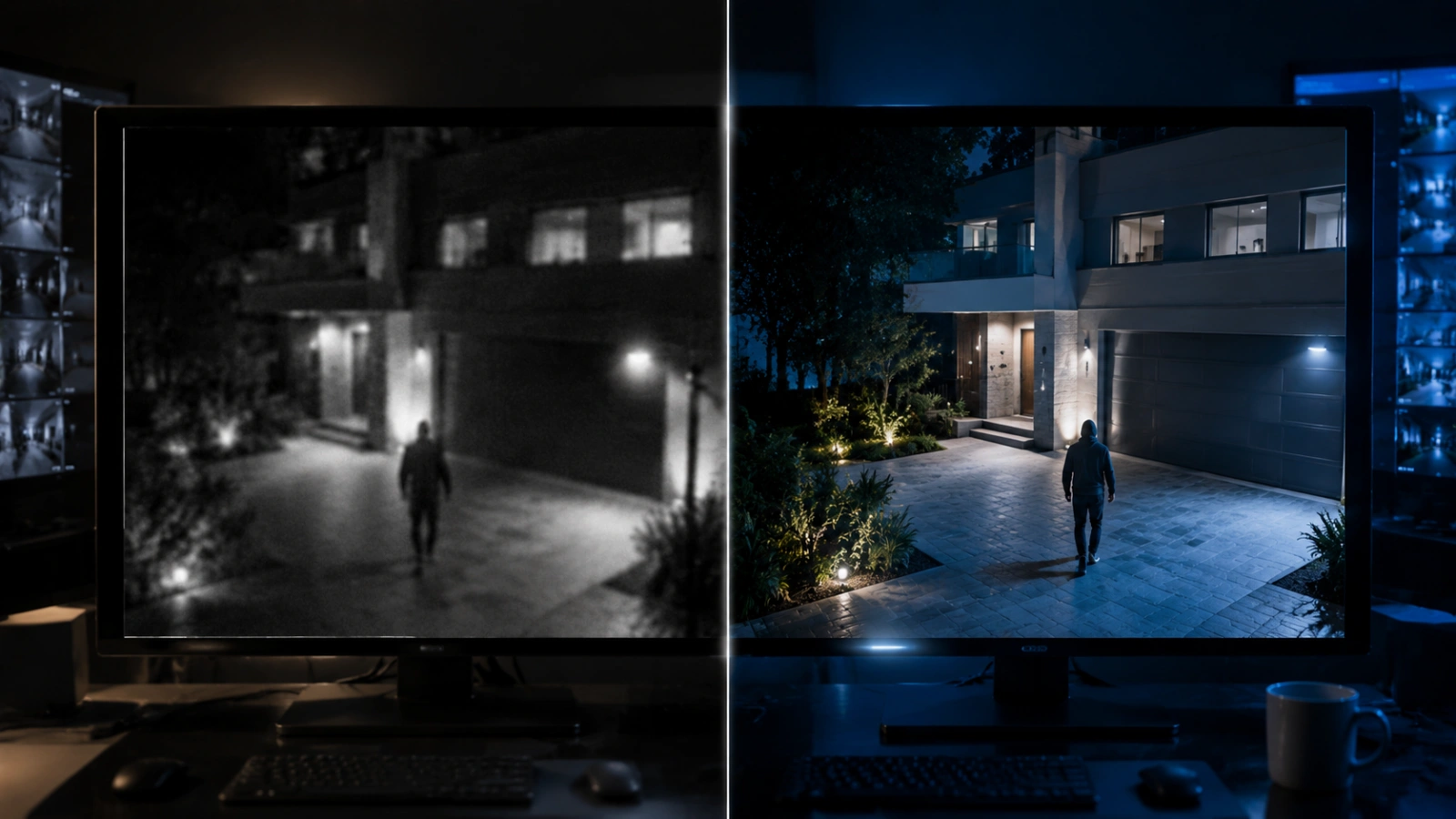
Security threats don’t disappear after the sun sets. Night vision is an essential feature for security cameras, ensuring that you have continuous protection around the clock. Whether your camera is monitoring the exterior of your home or the parking lot of a warehouse, infrared night vision allows your camera to capture footage in low-light or complete darkness, providing 24/7 surveillance no matter the time of day. - Motion Detection for Immediate Alerts
One of the most useful features in modern surveillance cameras is motion detection. Instead of recording constantly, which can be a waste of storage space, cameras with motion sensors will activate only when they detect movement. This not only saves space on your storage device but also ensures that you receive alerts only when there’s something noteworthy. Motion detection is particularly useful for large areas where constant surveillance isn’t practical. - Cloud Storage for Easy Access
Cloud storage offers an efficient and secure way to store your security footage. Unlike traditional DVR or NVR storage options, cloud storage keeps your footage safe off-site, so you don’t have to worry about the risks of physical theft or damage to your system. Plus, it allows for easy access and remote viewing from any device. Whether you’re checking in from a mobile app while on vacation or reviewing footage from the office, cloud storage makes it easy to access the recordings when you need them most.
Real-Life Use Cases: Choosing the Right Security Camera for Your Needs
The right security camera will depend on your specific needs. Let’s take a look at how different settings can affect your choice of security camera features:
- Home Security Cameras: For homeowners, surveillance cameras with wireless capabilities and easy integration with smart home devices are often the most suitable. These cameras are generally compact, have HD video resolution, and are perfect for monitoring entry points such as doors and windows. Homeowners may also prioritize features like motion detection, mobile alerts, and integration with smart assistants like Alexa or Google Home.
- Industrial Security Cameras: In industrial settings, cameras need to be much more durable and capable of covering larger areas. Features like high-resolution video, wide-angle lenses, and long-range night vision are crucial. Many industrial sites also require cameras with robust weatherproofing for outdoor surveillance or cameras with advanced motion detection to track large movements in warehouses or parking lots. Industrial settings often demand cameras that can withstand harsh conditions and have remote access for real-time monitoring.
How to Choose the Best Security Camera for Your Situation
Selecting the right security camera doesn’t have to be a daunting task. By following a structured approach, you can easily identify the system that works best for your needs. Here’s a simple decision-making process:
- Assess Your Environment: Consider the size of the area you need to monitor. Large properties or commercial areas will need cameras with wide-angle lenses and long-range features.
- Prioritize Key Features: Based on your environment, focus on the features that matter most. For instance, night vision is critical for outdoor security cameras, while wireless connectivity may be a must for home setups.
- Evaluate Integration: Ensure that your camera system can integrate with other smart devices or security systems you have in place. Wireless cameras that sync with your smartphone or home automation system can provide real-time monitoring and alerts.
- Consider Storage: Decide if cloud storage or local storage (e.g., a hard drive or SD card) works better for you. Cloud storage offers greater convenience and security, while local storage might be more cost-effective.
By following these steps, you can select the security camera that best suits your needs, whether it’s for a residential property or a business.
Also Read:
How Do Retail Video Analytics Solutions Improve Store Performance?
Why Intelligent Video Analytics Matter More Than Ever?
The Ultimate Solution for Smarter Security: VideoraIQ AI Video Intelligence
Looking for a more intelligent and efficient way to protect your property? VideoraIQ is here to transform your security system. Unlike traditional CCTV, VideoraIQ uses cutting-edge AI to analyze video in real-time, detecting threats and alerting you instantly.
Key Features:
- Face Recognition: Track and identify individuals for access control.
- Intrusion Detection: Detect unauthorized movements in restricted zones.
- Object Detection: Spot suspicious or unattended objects automatically.
- Fire and Smoke Detection: Quickly identify early signs of fire or smoke.
- Number Plate Recognition: Automate vehicle access with license plate tracking.
With 99.8% detection accuracy and 24/7 remote monitoring, VideoraIQ offers unmatched security and peace of mind. Upgrade to smarter, faster, and more reliable surveillance today.
Book a Demo Now to see how VideoraIQ can take your security to the next level.
Common Mistakes to Avoid When Choosing Security Cameras
While it’s easy to get caught up in choosing the latest and greatest model, there are several common mistakes to avoid when purchasing security cameras:
- Overlooking Resolution: Some may opt for cameras with lower resolution to save money, but this can lead to blurry footage that’s difficult to use in case of an incident. Always prioritize clear, high-definition video.
- Neglecting Storage Needs: Not all storage options are created equal. Make sure to evaluate whether cloud storage or local storage is the best fit for your needs. Cloud storage offers off-site protection, while local storage might limit your ability to access footage remotely.
- Ignoring Environmental Factors: Consider the conditions in which your cameras will be placed. Outdoor cameras need to be weather-resistant, while cameras for indoor use may require less durability. Always check for features like IP ratings (for water and dust resistance) when choosing outdoor cameras.
- Overlooking Ease of Installation: Security cameras that are difficult to install can become a major headache. Look for wireless options that are user-friendly, especially for home security systems.
Avoiding these common mistakes will ensure that your camera system performs as expected and lasts for years to come.
Advanced Insights: The Future of Security Camera Technology
The future of security cameras is incredibly exciting, with technology continually pushing the boundaries. AI-powered cameras are becoming increasingly common, capable of distinguishing between human motion and animal movement, reducing false alarms significantly. Additionally, facial recognition technology is enhancing surveillance systems, providing an additional layer of security by identifying known individuals or detecting unauthorized persons.
Expect to see even more integration between security cameras and other smart home systems, creating a seamless ecosystem where cameras, doorbell systems, lighting, and alarms all work together to keep your property secure.
Conclusion
In today’s world, security is not something you can afford to compromise on. Whether it’s your home, your business, or an industrial site, choosing the right security camera system is an investment that pays off in safety, peace of mind, and long-term protection. By focusing on essential features like high resolution, wireless capability, night vision, motion detection, and cloud storage, you ensure that your security system is not only effective but future-proof.
The market is filled with options, but with the right guidance, you can select a camera system that fits your unique needs, whether you’re securing your home or managing an industrial facility. Remember, it’s about making an informed decision based on what truly matters, ensuring that your surveillance system serves you efficiently and reliably for years to come. Stay ahead of potential threats and protect what matters most with the right security camera features.
FAQ Section
- How to install security cameras ?
Security cameras are generally easy to install. Start by mounting the camera in a desired location, then connect it to your Wi-Fi network using the accompanying mobile app or software. - What’s the best security camera for night vision?
Look for cameras with infrared (IR) night vision, which allows the camera to capture clear footage in low-light or completely dark conditions. Many models feature up to 30 feet of night vision range. - Can security cameras reduce insurance costs?
Yes, many insurance companies offer discounts for properties equipped with security systems, including security cameras. It’s always worth checking with your insurance provider. - How long do security cameras last?
The lifespan of a security camera can vary based on the quality of the camera, environmental factors, and how well it’s maintained. Typically, high-quality security cameras last anywhere from 5 to 10 years. Regular maintenance, like cleaning lenses and checking connections, can extend their life. - Do I need a professional to install my security cameras?
While some security cameras are designed for DIY installation, professional installation may be necessary for more complex setups. If you have a large property, need to integrate the system with other security tools, or prefer a more customized installation, hiring a professional ensures everything is set up properly and securely.