

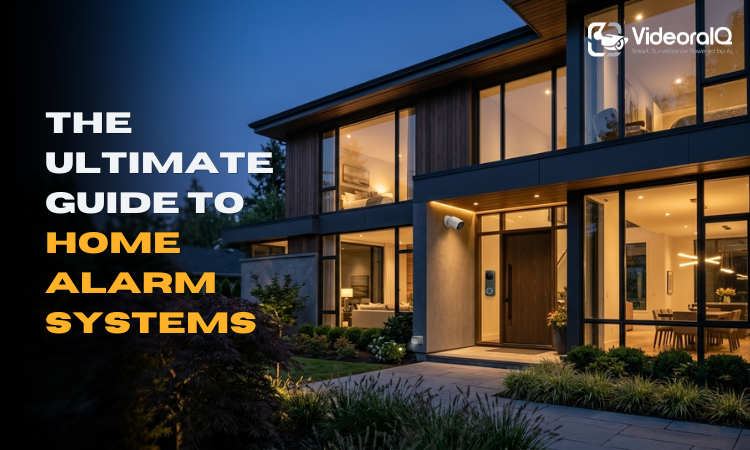
Imagine coming home after a long day only to discover that someone has entered your house without permission. It’s a situation no homeowner wants to face, yet residential burglaries, package thefts, and unauthorized entries continue to be a concern in many neighborhoods. The good news is that protecting your home has never been easier. Modern home alarm systems have evolved far beyond loud sirens. Today’s solutions combine intelligent sensors, mobile connectivity, and real-time alerts to help homeowners respond to potential threats before they become serious incidents.
Whether you live in an apartment, an independent house, or a large villa, investing in a reliable security system is no longer considered a luxury. It is an essential part of creating a safer living environment for your family and protecting the valuables you’ve worked hard to acquire. With dozens of options available—from basic standalone alarms to fully connected smart security ecosystems—choosing the right solution can feel overwhelming.
This guide breaks down everything you need to know about home alarm systems, including how they work, the different types available, their essential components, and the features that matter most in 2026. By the end, you’ll have a clear understanding of what to look for and how to select a system that matches your home’s layout, lifestyle, and budget.
In a hurry? Listen to the blog instead!
What Are Home Alarm Systems?
At their core, home alarm systems are security solutions designed to detect unauthorized access and immediately alert homeowners to potential threats. They rely on a network of connected devices—including motion detectors, door and window sensors, glass-break sensors, and alarm sirens—that work together through a central control panel.
When the system detects unusual activity, it triggers an audible alarm while simultaneously sending notifications to the homeowner through a mobile app or connected monitoring service. Many modern systems can also activate surveillance cameras, record video footage, and notify emergency contacts within seconds.
Unlike traditional alarm systems that simply produced a loud sound, today’s solutions provide intelligent monitoring with remote access, making it possible to check your home’s status from virtually anywhere. Whether you’re at work, traveling, or simply away for the evening, you can receive instant updates whenever suspicious activity is detected.
Why Homeowners Are Investing in Alarm Systems More Than Ever
The way people think about home security has changed dramatically over the past few years. Rising concerns about burglary, unattended deliveries, vacant homes during travel, and increasing adoption of smart home technology have encouraged more homeowners to invest in reliable alarm systems for home protection.
Another major factor is convenience. Modern security solutions allow users to arm or disarm their systems remotely, receive instant notifications, monitor live camera feeds, and even integrate with smart locks, lighting, and voice assistants. Instead of reacting after an incident occurs, homeowners can identify potential risks in real time and take immediate action.
As technology continues to improve, security systems are becoming smarter, easier to install, and more affordable than ever, making them an essential investment for anyone looking to protect what matters most.
Types of Home Alarm Systems
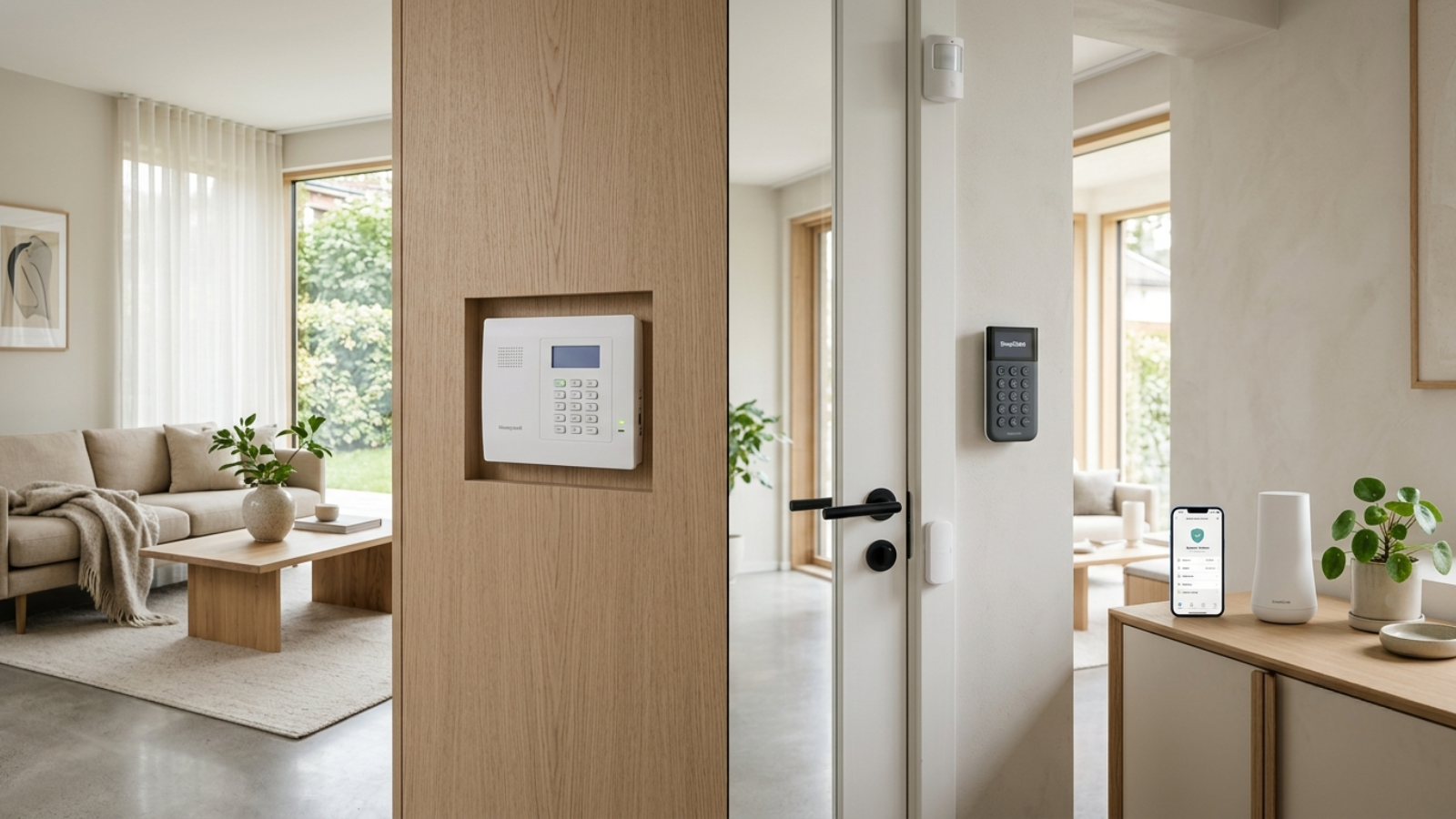
Not every home requires the same level of protection. A compact apartment, for instance, has different security needs than a multi-storey villa or an independent house with outdoor spaces. That’s why manufacturers offer several types of home alarm systems, each designed to suit different property layouts, budgets, and lifestyles.
Understanding how these systems differ makes it much easier to choose one that delivers the right balance of security and convenience.
1. Wired Home Alarm Systems
Wired systems are among the oldest and most dependable security solutions available. Every sensor, detector, and alarm is physically connected to a central control panel through dedicated cables, ensuring stable communication between all components.
Because they don’t rely on wireless signals, wired systems are less susceptible to connectivity issues and generally require less ongoing maintenance once installed. They’re often preferred for newly constructed homes or large properties where wiring can be planned during construction.
Key features:
- Reliable communication between all devices
- Minimal signal interference
- Suitable for larger homes and commercial properties
- Long-term durability with minimal maintenance
- Professional installation is usually recommended
2. Wireless Home Alarm Systems
Among today’s most popular choices are wireless home alarm systems, thanks to their flexibility and ease of installation. Instead of physical cables, these systems communicate using Wi-Fi, radio frequency, or cellular networks.
Homeowners can install sensors on doors, windows, and hallways without drilling extensive wiring, making them an excellent option for rented homes, apartments, and existing properties.
Most home alarm systems wireless also include companion mobile applications that allow users to monitor activity, receive instant alerts, and control the system remotely.
Key features:
- Quick and simple installation
- Mobile app control
- Instant notifications during suspicious activity
- Easily expandable with additional sensors
- Ideal for modern smart homes
3. Monitored Alarm Systems
A monitored alarm system provides an extra layer of protection by connecting your security setup to a professional monitoring center. Whenever the alarm is triggered, trained operators verify the alert and can notify emergency responders if necessary.
These systems are particularly useful for homeowners who travel frequently or own vacation properties that remain unoccupied for long periods.
Key features:
- 24/7 professional monitoring
- Rapid emergency response
- Continuous protection even when you’re unavailable
- Greater peace of mind for families
4. Unmonitored Alarm Systems
Unlike monitored solutions, unmonitored systems rely entirely on the homeowner. If an intrusion occurs, the system activates a loud siren and sends alerts directly to your smartphone, allowing you to decide the next course of action.
These systems are often more affordable because they don’t require monthly subscription fees.
Key features:
- Lower ownership costs
- No recurring monitoring charges
- Instant mobile alerts
- Ideal for homeowners who prefer self-monitoring
Essential Components of Modern Home Alarm Systems
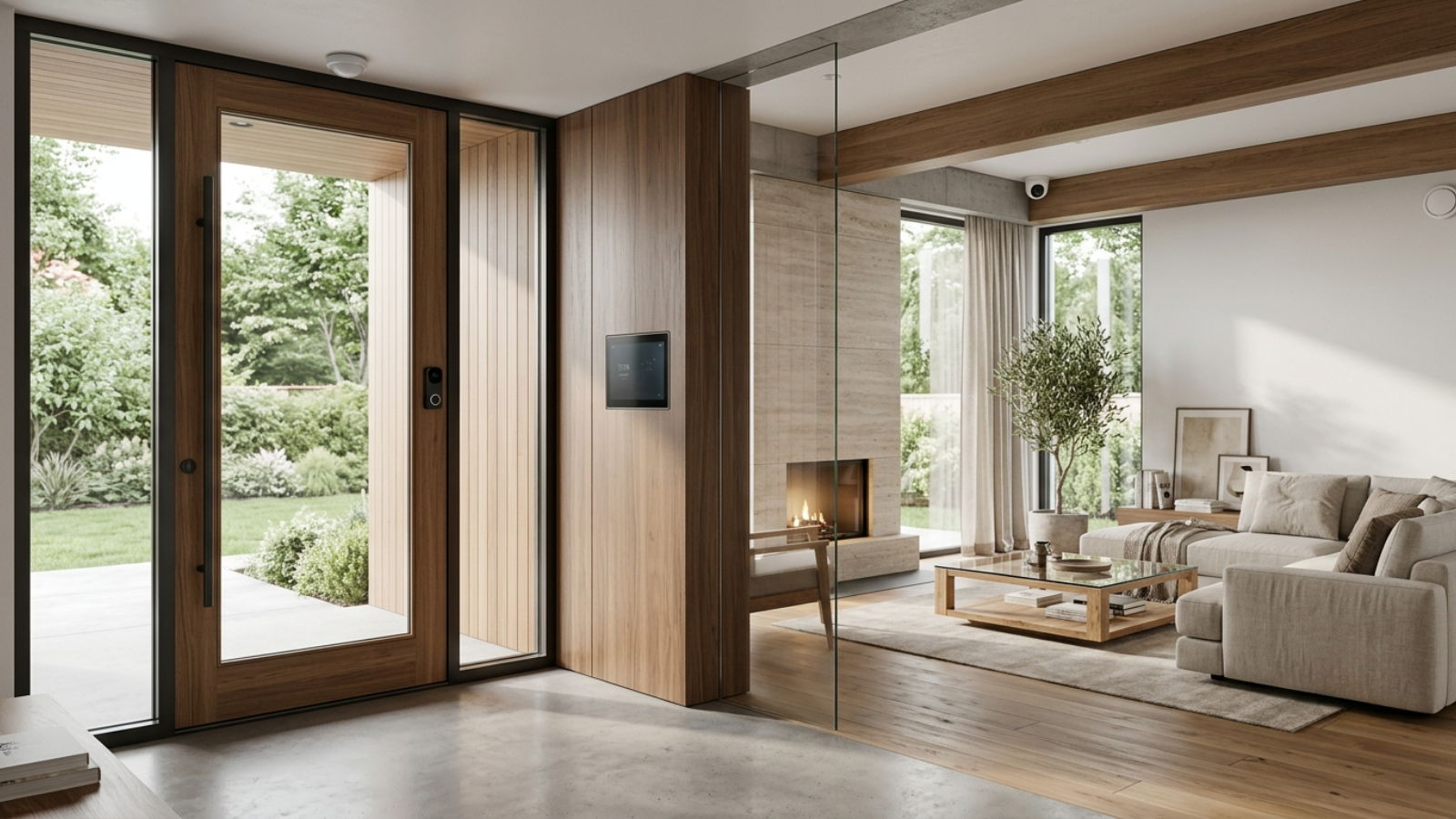
No matter which system you choose, most best home alarm systems are built around several core components that work together to detect threats quickly and accurately.
Control Panel
Often referred to as the brain of the system, the control panel receives signals from every connected sensor and decides when an alarm should be triggered. Modern control panels also communicate with mobile applications and cloud-based services for remote access.
Motion Sensors
Motion sensors monitor movement inside your home using infrared or microwave technology. They’re commonly installed in hallways, entrances, staircases, and large living spaces to detect unexpected activity.
Door and Window Sensors
These compact magnetic sensors immediately detect when a protected door or window is opened while the system is armed. They’re considered one of the first lines of defense against unauthorized entry.
Alarm Siren
The siren is designed to attract attention and discourage intruders from remaining on the property. Most modern systems include high-decibel alarms that activate the moment suspicious activity is confirmed.
Additional Security Devices That Enhance Protection
While the core components form the foundation of most home alarm systems, adding a few extra devices can significantly improve your home’s overall security. Many modern systems are designed to be expandable, allowing homeowners to build a setup that matches their property’s unique requirements.
Glass Break Sensors
Not every intruder enters through an unlocked door. Glass break sensors are designed to detect the unique sound frequency of breaking glass and trigger the alarm immediately. They work especially well in rooms with large windows, sliding doors, or multiple glass panels where standard contact sensors may not provide complete coverage.
Security Cameras
Cameras don’t just record incidents—they help prevent them. Visible surveillance devices often discourage potential intruders before they attempt a break-in. Modern cameras offer features like HD recording, night vision, motion detection, two-way communication, and cloud or local storage, giving homeowners complete visibility even when they’re away.
Smart Doorbells
Video doorbells have quickly become one of the most popular additions to residential security. They allow homeowners to see visitors, communicate with delivery personnel, and receive motion alerts directly on their smartphones. Whether you’re at work or on vacation, you’ll always know who’s at your front door.
Panic Buttons
A panic button provides immediate assistance during emergencies. When activated, it instantly triggers the alarm system and, in monitored setups, alerts the security provider. They’re particularly useful for elderly family members or individuals living alone.
Smoke, Fire, and Carbon Monoxide Detectors
Many modern alarm systems go beyond intrusion detection. Integrated environmental sensors can detect smoke, excessive heat, gas leaks, or dangerous carbon monoxide levels, providing comprehensive protection against multiple household emergencies.
Benefits of Installing Home Alarm Systems

A reliable security system offers far more than protection against burglary. The latest home alarm systems combine intelligent technology with real-time monitoring to improve safety, convenience, and peace of mind.
Discourages Criminal Activity
One of the biggest advantages of installing an alarm system is its ability to deter crime. Homes equipped with visible security devices, warning signs, and surveillance cameras are generally less attractive targets because intruders prefer properties that appear easier to access.
Instant Alerts During Emergencies
Modern systems don’t wait until you return home to discover a problem. If someone attempts to enter your property, opens a protected door, or triggers a motion sensor, you’ll receive an immediate notification on your mobile device. This allows you to assess the situation and respond quickly.
Remote Monitoring Anytime, Anywhere
Whether you’re at the office, traveling overseas, or visiting family, remote monitoring keeps you connected to your home. Many wireless home alarm systems allow users to view live camera feeds, arm or disarm the system, and receive activity updates from virtually anywhere with an internet connection.
Lower Insurance Costs
Insurance providers often consider protected homes to be lower risk. As a result, homeowners with professionally installed security systems may qualify for reduced insurance premiums, helping offset part of the investment over time.
Read More:
How to Select the Ultimate Home Surveillance Cameras for Your House
Best Cameras Security Systems: Complete Guide To Features, Benefits, Costs, And Installation (2026)
How to Choose the Right Home Alarm System
With so many best home alarm systems available today, selecting one isn’t simply about buying the most expensive package. The ideal solution depends on your home’s layout, security priorities, and future needs.
Start by evaluating the size of your property and identifying vulnerable entry points such as doors, ground-floor windows, garages, and balconies. Consider whether you need indoor coverage, outdoor surveillance, or both.
Next, decide if you prefer professional monitoring or self-monitoring. Homeowners who travel frequently may appreciate the added reassurance of a monitoring service, while others may find app-based alerts sufficient for everyday protection.
Finally, think beyond your current needs. Choosing a scalable system that supports additional cameras, sensors, and smart home devices ensures your investment continues to meet your requirements as your household grows. As security technology continues to evolve, many homeowners and organizations are also complementing traditional alarm systems with AI-powered video intelligence platforms like VideoraIQ. By integrating with existing CCTV infrastructure, these solutions provide real-time video analytics, intelligent threat detection, and instant alerts, adding an extra layer of awareness that goes beyond conventional alarm notifications.
How VideoraIQ Enhances Modern Home Alarm Systems

Choosing the right home alarm system is only one part of building a robust security strategy. As surveillance technology continues to evolve, many organizations are enhancing traditional alarm systems with AI-powered video analytics that can identify threats as they happen. VideoraIQ is designed for this purpose, transforming existing CCTV cameras into intelligent surveillance systems capable of detecting unusual activities, generating real-time alerts, and improving overall situational awareness without requiring a complete infrastructure overhaul.
Key Features of VideoraIQ
- AI-Powered Intrusion Detection for immediate identification of unauthorized entry.
- Real-Time Video Analytics that continuously monitor live camera feeds and detect suspicious activities.
- Face Recognition for identifying authorized personnel and unknown visitors.
- Fire and Smoke Detection that helps identify visual signs of fire before situations escalate.
- Automatic Number Plate Recognition (ANPR) for vehicle identification and access management.
- Line Crossing & Perimeter Detection using virtual boundaries for restricted zones.
- Object and Unattended Baggage Detection to strengthen security in public and commercial spaces.
- Camera-Agnostic Deployment, supporting more than 200 IP camera brands without replacing existing hardware.
- Cloud-Based Architecture for centralized monitoring across multiple locations.
- Instant AI Alerts with timestamps, camera location, and event snapshots to support faster decision-making.
Bringing AI and Home Alarm Systems Together
Traditional home alarm systems provide a strong foundation for protecting people and property, but combining them with AI-powered video intelligence takes security a step further. VideoraIQ transforms existing surveillance into a smarter, more proactive system with real-time analytics and intelligent alerts.
Explore VideoraIQ today to see how AI can help you strengthen your security infrastructure without replacing your existing cameras.
Common Mistakes to Avoid When Buying Home Alarm Systems
Buying a security system is an investment in your family’s safety, but it’s also easy to make decisions based solely on price or marketing claims. Taking a little extra time to evaluate your options can help you avoid unnecessary expenses and ensure your system performs when you need it most.
Choosing a System Based Only on Price
The least expensive option isn’t always the best value. A budget-friendly system may lack essential features such as mobile alerts, battery backup, or expandable sensors. Instead of focusing only on the initial cost, consider long-term reliability, maintenance, and future upgrade options.
Ignoring Home Layout
Every property has different security requirements. Installing a single motion detector in a large home or overlooking vulnerable access points like garages and back entrances can leave significant gaps in protection. A proper assessment of your home’s layout helps determine the number and placement of sensors required.
Overlooking Mobile App Features
Today’s home alarm systems wireless are designed to keep homeowners connected wherever they are. Before purchasing, check whether the mobile application allows remote arming and disarming, live camera access, real-time notifications, and user management. A well-designed app can make daily security management much easier.
Skipping Regular Maintenance
Even the most advanced alarm systems for home require occasional maintenance. Batteries should be replaced when needed, sensors should be tested periodically, and software updates should be installed to keep the system performing reliably.
Final Thoughts
A reliable security system does much more than sound an alarm—it helps you stay informed, respond quickly, and protect what matters most. Whether you’re securing a compact apartment, a growing family home, or a large independent property, choosing the right home alarm systems can significantly improve both safety and peace of mind.
As technology continues to evolve in 2026, homeowners have access to smarter, more connected, and easier-to-use security solutions than ever before. From intelligent sensors and mobile alerts to integrated cameras and environmental monitoring, today’s systems offer comprehensive protection without unnecessary complexity.
Before making a decision, assess your home’s unique security requirements, compare available features, and prioritize reliability over unnecessary extras. A well-planned investment today can provide years of dependable protection, helping you create a safer environment for your family while giving you confidence every time you leave home—or return to it.
Frequently Asked Questions
1. What are home alarm systems?
Home alarm systems are security solutions that detect unauthorized access using devices such as motion sensors, door and window sensors, control panels, and alarm sirens. Many modern systems also include mobile app control, cameras, and real-time notifications.
2. Are wireless home alarm systems reliable?
Yes. Modern wireless home alarm systems use secure Wi-Fi, radio frequency, or cellular communication to provide dependable performance. Many also include battery backup and cellular failover to continue operating during internet or power outages.
3. Which are the best home alarm systems?
The best home alarm systems are those that match your property’s size, budget, and security requirements. Look for systems that offer reliable sensors, remote monitoring, mobile app support, battery backup, and the flexibility to add more devices in the future.
4. Can I install a home alarm system myself?
Many home alarm systems wireless are designed for DIY installation and include step-by-step setup through a mobile application. However, larger wired systems or professionally monitored solutions may require expert installation.