

**Book a free security consult →
85% of CCTV footage is never reviewed, according to VideoraIQ field data. This complete guide intrusion alarm explains, in plain language, how intrusion alarms work, which type fits your site, and how to choose with confidence in 2026.
An intrusion alarm detects unauthorized entry with sensors, routes the event to a control panel, and sends alerts so you can act fast. To choose well, match system type to your property size, budget, and risk, then test sensor placement before you buy.
In this guide, you’ll learn the core parts (PIR, door/window, and glass-break sensors), how detection turns into an alert in seconds, and what trade-offs exist between wired, wireless, monitored, and AI-powered setups. For a deeper dive into camera analytics for stores, see this primer on intrusion and perimeter breach detection for retail.
What Is an Intrusion Alarm System and How Does It Work?
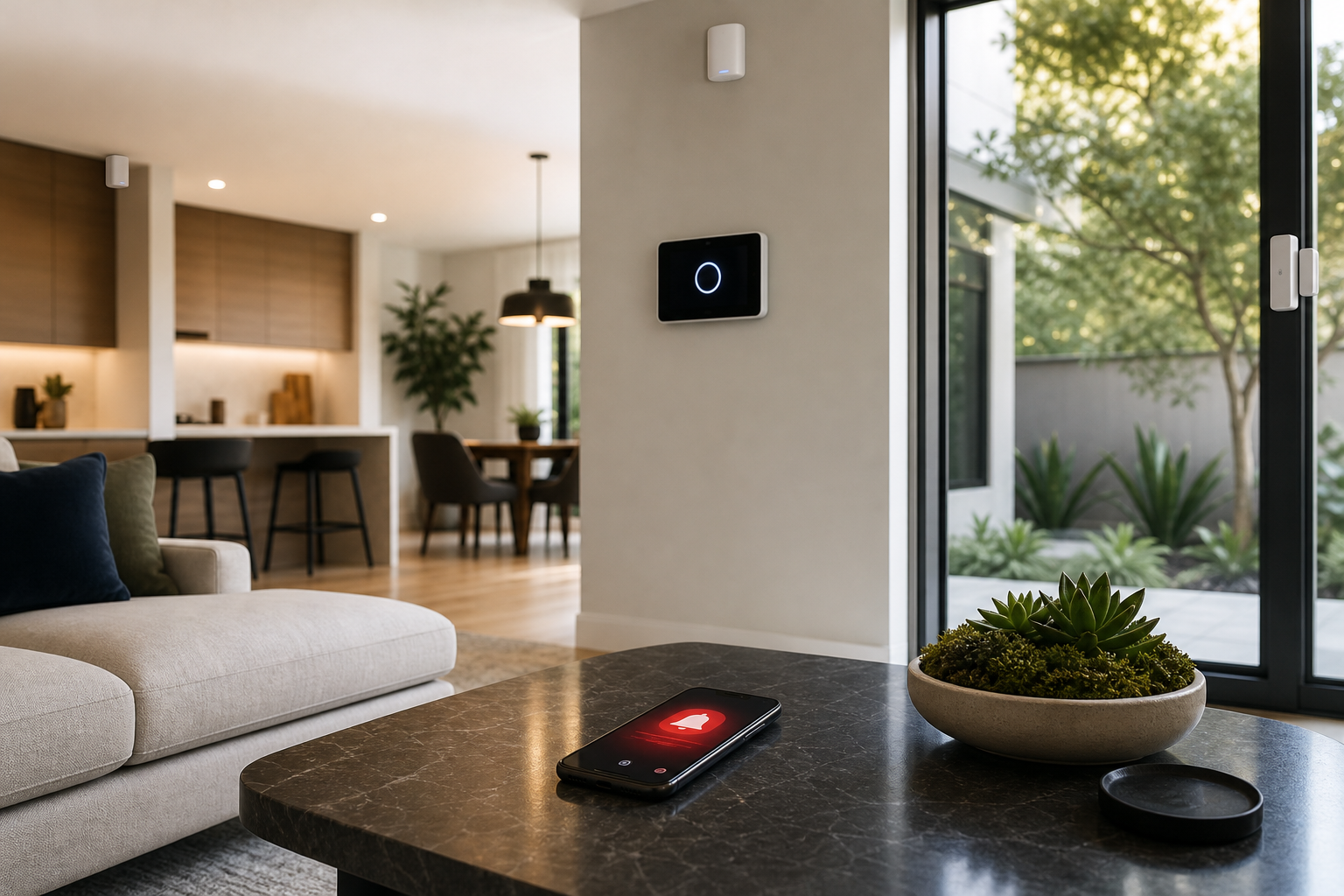
You can think of an intrusion alarm as a chain: sensors detect movement or entry, a control panel decides if it’s a real event, and the system sends an alert or triggers a siren. That’s it. The details matter, though, because placement, sensitivity, and how you respond affect real-world security. For context, see Wikipedia on burglar alarms for common terms and history.
At the edge, sensors watch for change:
- PIR motion sensors read heat and motion in a zone.
- Magnetic contacts close the loop on doors and windows.
- Glass-break sensors “listen” for the sound pattern of shattering glass.
At the center, the control panel acts like the brain. It receives sensor signals, checks rules (armed/disarmed modes, entry delays), and decides what happens next. If the event matches a rule, it fires off a response.
On response, the system alerts through one or more paths. You might hear a siren, get a push notification, receive an SMS, or send an event to a monitoring service. In AI-augmented setups, you can also get video proof with a location tag and timestamp, which helps you verify in seconds and avoid false dispatch.
The Detection-to-Response Chain (Simple Flow)
- Sensor trips from motion, contact change, or glass-break pattern.
- Control panel validates the signal against mode and zone rules.
- System sends alerts and logs the event with time and location.
- You or a monitoring center verifies and responds.
Crucially, alert speed shapes outcomes. Systems that deliver alerts in under 3 seconds help you intervene sooner. As you evaluate options in this complete guide intrusion alarm, keep this end-to-end chain in mind. It keeps your focus on events you can act on, not just raw sensor noise.
Types of Intrusion Alarm Systems: A Step-by-Step Comparison Framework
There are three big forks: wired vs. wireless, monitored vs. unmonitored, and traditional vs.
AI-powered. The best choice depends on your site size, budget, and risk profile. Use this six-step framework to compare any system type side by side in 2026.
A Six-Step Comparison Framework
First, match architecture to property size.
- Small apartments or kiosks favor wireless for easy install.
- Large buildings with long runs may suit wired for reliability and no batt swaps.
Second, map risk to monitoring.
- High-risk sites (cash rooms, server racks) benefit from 24/7 professional monitoring.
- Lower-risk homes or small offices can use self-monitoring if notifications are fast and clear.
Third, validate alert speed and evidence.
- Under 3 seconds for alert delivery keeps response tight.
- Real-time alerts with video proof, a location tag, and a timestamp reduce guesswork and speed decisions.
Fourth, weigh false alarm control.
- AI engines that use pattern recognition can lower false alerts by understanding context (person vs. pet; wind-blown branch vs. breach).
- Ask vendors how they filter repeat motion or lighting noise.
Fifth, assess AI depth and coverage.
- Look for multiple detection engines so you’re not locked into one event type. Platforms may offer 9 AI detection engines including intrusion detection, line-cross detection, and unauthorized access, plus other safety analytics you might grow into.
Sixth, score costs across time.
- Tally upfront gear, install time, batteries, ongoing monitoring, and cloud fees.
- Compare a 3-year total, not just month one.
As a simple rule, if you have multiple entrances, mixed indoor/outdoor zones, and staff or public access, AI-powered options can pay off by filtering noise and sending you the right clip at the right moment. That advantage shows up most during off-hours. Use this complete guide intrusion alarm framework to score each option before you sign a contract.
**Get instant security walkthrough →
Also Read!
The Complete Guide to Fisheye Cameras: How They Work, When to Use Them, and How to Choose One
The Complete Guide to CCTV Systems: How to Choose, Install, and Get the Most from Video Surveillance
5 Common Mistakes People Make When Choosing an Intrusion Alarm System
-
First, ignoring false alarm rates. Too many alerts lead people to mute notifications. Systems that apply pattern recognition to reach a low false alarm rate keep trust high and reduce costly dispatch.
-
Second, skipping integration checks. Doors, gates, IP cameras, and smart locks should work together. If your alarm can’t trigger a camera bookmark or pull a short clip, you’re blind to context.
-
Third, underestimating sensor placement. A PIR aimed at a window may see sunlight or HVAC heat more than an intruder. Door contacts on seldom-used doors can be more valuable than extra motion sensors in open rooms.
-
Fourth, buying without understanding monitoring costs. A low starter price can hide a higher lifetime fee. Put the 3-year total next to a self-monitored option. Then choose the level of assurance you need, not the cheapest checkbox.
-
Fifth, neglecting AI or smart features. Video-verified alerts, zone-based rules, and line-cross detection help you confirm threats fast. Remember, 85% of CCTV footage is never reviewed. If your system only stores video, you’ll watch it after the fact. Instead, use analytics that bring the right 8–12 seconds to you in real time.
Moreover, test before you decide. A 7-day pilot with real staff movements and schedules reveals issues that a spec sheet hides. Use this complete guide intrusion alarm as your checklist while you run that trial.
Tools and Technologies That Enhance Intrusion Detection
You’ll see three technology layers in the market: traditional panels, smart-home hubs, and AI video analytics. Each adds value in a different way.
- Traditional panel systems excel at stable, code-compliant installs with door contacts, motions, and sirens tied to a central panel.
- Smart-home platforms add app control and simple automation, like arming when your phone leaves.
- AI video analytics bring context: intrusion detection, line-cross rules, and zone-based monitoring that filter noise and send the single clip that matters.
Example: VideoraIQ in Practice
Tools like VideoraIQ are one AI-powered option to pair with your existing IP cameras. The platform integrates with existing IP-based CCTV systems without additional hardware and works with existing cameras across 200+ brands. It is cloud-based with no need for on-premise servers, sends real-time alerts with video proof, location tag, and timestamp, and supports Zone-Based Monitoring to focus on critical areas. Per its published stats, it has 99.4% detection accuracy, <3 seconds alert latency, and monitors 10,000+ cameras deployed in 7+ countries.
"We went from finding out about incidents in the morning briefing to being notified in real time. VideoraIQ caught an intruder at 2AM that our overnight guard missed. That one event alone justified the entire platform cost." — Ananya Mehta, Head of Facilities, 200-Camera Corporate Campus
Compliance and Privacy
Furthermore, compliance and privacy matter. VideoraIQ is GDPR compliant and HIPAA compliant, which is relevant if you operate in regulated sectors like healthcare. If retail is your world, this explainer on intrusion and perimeter breach detection for retail shows how line-cross rules can cut noise in aisles and loading zones.
As you weigh tools, ask vendors for a live demo on your own cameras or floor plan. In 2026, the best systems show you real events quickly, not just dashboards. Keep your complete guide intrusion alarm notes handy while you compare.
What to Do Next: Planning Your Intrusion Alarm Setup
Start with a short plan you can finish this week. A clear checklist beats guesswork, and small tests prevent big regrets.
-
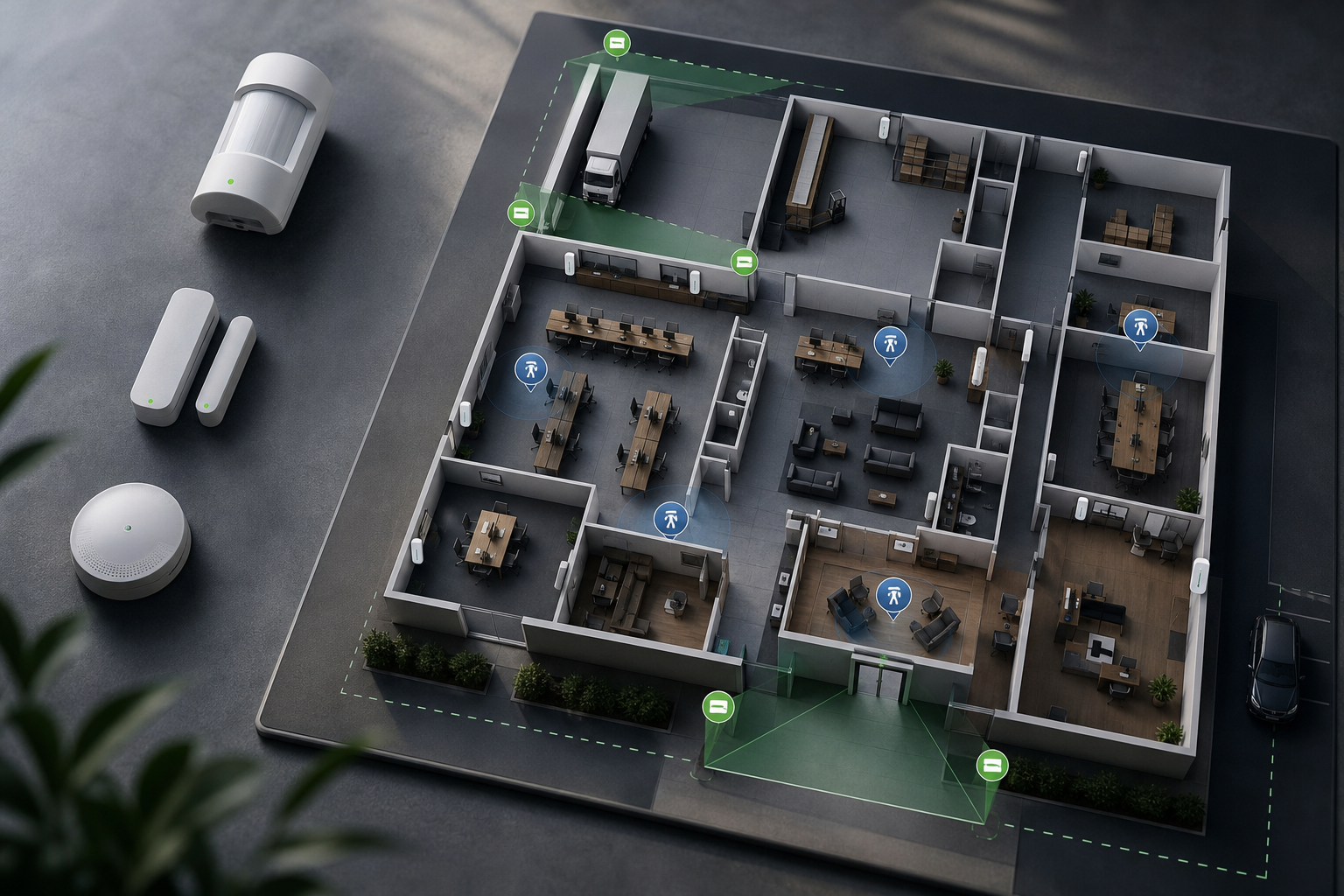
Assess property vulnerabilities. Walk every entry, hallway, stair, roof access, and fence line. Note time-of-day risks like shift changes or deliveries.
-
Decide monitored vs. self-monitored. If you have after-hours risk, choose professional monitoring. Otherwise, ensure your self-monitoring path delivers alerts in under 3 seconds and includes video proof.
-
Request demos from 2–3 vendors. Ask each to show line-cross detection on your entrance and to send a clip with a location tag and timestamp. Time the end-to-end alert.
-
Test sensor placement. Use painter’s tape to mark draft PIR and contact spots. Then walk test routes at night and during daylight. Adjust angles to avoid HVAC vents and glare.
-
Schedule a professional assessment. Even if you DIY, one expert walkthrough can catch oversights like ladder access or camera backlight. Bring your notes from this complete guide intrusion alarm so you don’t miss items.
Finally, write your response plan. Who gets the alert first? When do you call the guard, the site lead, or police? Clear roles reduce confusion when seconds count.
Key Takeaways
- An intrusion alarm links sensors, a control panel, and alerts so you act fast, not late.
- Compare wired vs. wireless, monitoring, and AI depth with a 3-year total in view.
- Look for sub-3-second alerts with video proof to cut false dispatch and speed action.
- Use zone-based and line-cross rules to focus on real risks and reduce noise.
- Keep this complete guide intrusion alarm nearby during demos to avoid common mistakes.
What to Do This Week
Pick one high-risk entrance and run a 7-day trial with two vendors. Ask for line-cross alerts and video proof on that spot, then measure speed and false alarms. If you like the results, scale the same rule set to the rest of your site in 2026.